Living in Brittany
2,500 km of coastline · a language of its own · land at a fraction of the Mediterranean
Brittany is a peninsula the size of Belgium with two and a half thousand kilometres of coastline, and it is the reason most people who look at western France end up staying there. It has a sea on three sides, a language of its own, more standing stones than anywhere on earth, and an interior that almost nobody from outside France has ever driven through.
It is also, for what it offers, remarkably inexpensive. That combination — Atlantic coast, real countryside, working towns, and land at a fraction of Mediterranean prices — is what we have built our business around.
Here is the region as we know it, and where we build in it.
The shape of the place
Brittany is four departments. Ille-et-Vilaine in the east, with Rennes as the regional capital and Saint-Malo on the north coast. Côtes-d'Armor along the north, running from the Emerald Coast west to the pink granite. Finistère at the far western tip, the wildest of the four. And Morbihan on the south coast, which has the mildest weather and the Gulf.
Between them sits the Argoat, the old Breton word for the wooded interior, as opposed to the Armor, the land of the sea. Everything inland of about thirty kilometres from the coast is a different country: hedged fields, river valleys, granite villages, forests, and a canal system that crosses the whole peninsula.
Most buyers arrive thinking about the coast. A good number end up inland, because of what the money does there.
The coast
The Emerald Coast, from Cancale west past Saint-Malo, Dinard, Saint-Jacut and Saint-Cast to Cap Fréhel. This is the classic north Brittany coast: long tidal beaches, headlands, the great walled city of Saint-Malo, and some of the biggest tides in Europe. Cap Fréhel is sixty metres of red cliff with a lighthouse on the end and nothing beyond it but sea. We build at Saint-Cast-le-Guildo, Lancieux, Saint-Jacut-de-la-Mer, Fréhel, Pleurtuit, Dinard and Cancale, and there is a separate guide to Saint-Malo and the Emerald Coast.
The Rance estuary, running inland from Dinard and Saint-Malo towards Dinan. A drowned river valley with wooded banks, sailing water the whole way up, and a string of villages along it — Saint-Suliac, one of the official most beautiful villages in France, La Vicomté-sur-Rance, Pleudihen, Le Minihic. You get water views and coastal life without the coastal price, and Dinan at the top of it is one of the best preserved medieval towns in the country.
The Pink Granite Coast, around Perros-Guirec, Trébeurden and Trégastel. Enormous rounded boulders of genuinely pink stone piled along the shore, turned gold at sunset. It is one of the strangest and most photographed coastlines in France, and it is far less developed than its reputation suggests. We build at Trébeurden, Trévou-Tréguignec and Pleubian.
The Gulf of Morbihan, on the south coast. An inland sea of forty-odd islands, warm, sheltered and almost Mediterranean in feel, ringed by oyster beds and sailing clubs. The Rhuys peninsula closes it off to the south, with the open Atlantic on one side and the gulf on the other — Sarzeau and Saint-Gildas-de-Rhuys sit on it, and we build in both.
Inland
This is the part people miss, and it is where your money goes three times as far.
Central Morbihan, around Pontivy, Rohan, Josselin and Malestroit. Pontivy is a proper town of fifteen thousand with a castle, a market and everything a family needs; Napoleon rebuilt half of it, which is why the centre has avenues that look nothing like the rest of Brittany. The Nantes–Brest canal runs through all four towns, and the towpath is a continuous traffic-free route for walking and cycling across the whole peninsula. Josselin's castle still belongs to the Rohan family and still looks like something from a book of hours.
Lac de Guerlédan, the largest lake in Brittany, forty-five minutes north-west of Pontivy. Twelve kilometres of water in a wooded gorge, with beaches, sailing, paddleboarding and a long-distance path all the way round. The Forêt de Quénécan runs down to it. We build nearby at Sainte-Brigitte and Saint-Gilles-Vieux-Marché.
The Redon basin, where the Vilaine, the Oust and the canal all meet, and where Brittany touches the Loire. Redon is a working town with a TGV station, a hospital and real employment, and it sits forty-five minutes from the Atlantic and an hour from both Rennes and Nantes. We have a separate guide to living in Redon, and plots in Bains-sur-Oust, Langon, Renac, Sixt-sur-Aff, Bruc-sur-Aff, Saint-Just and Saint-Jean-la-Poterie.
Brocéliande, the forest east of Ploërmel, which half of France believes to be the Arthurian forest of Merlin and the Lady of the Lake. Whatever you think of that, it is a genuinely beautiful stretch of woodland, lake and heath, and it is quietly full of good walking.
What makes it Breton
Brittany is not simply a part of France that happens to have a coast. It was an independent duchy until 1532 and it has never entirely stopped being one in its own mind.
The language. Breton is a Celtic language, closer to Welsh and Cornish than to anything else in France. You will see it on every road sign, and there is a bilingual school movement — Diwan — teaching it to a new generation. You do not need a word of it, but knowing it is there explains a great deal about the place names you are about to live among.
Fest-noz. The Breton night dance, listed by UNESCO as intangible cultural heritage. A village hall or a field, a band, and several hundred people dancing in lines and circles until very late. They happen all year, everywhere, and they are not put on for visitors — they are what people do on a Saturday. Go to one in your first month and you will understand the region better than any guidebook can manage.
Bagadoù and the Interceltique. A bagad is a Breton pipe band — bombardes, biniou and drums — and most towns of any size have one. Every August, Lorient hosts the Festival Interceltique, ten days and several hundred thousand people, with delegations from Ireland, Scotland, Wales, Galicia, Asturias, Cornwall and the Isle of Man.
Pardons. Religious processions, often to a specific chapel on a specific saint's day, with banners and costume. The big ones — Sainte-Anne-d'Auray, Locronan, Tréguier — draw enormous crowds. They are the oldest surviving tradition in the region.
Eating in Brittany
The food is simpler than in much of France and better than its reputation.
Galettes and crêpes. The savoury galette is made with buckwheat — blé noir — and is the regional staple. The classic is the complète: ham, cheese and an egg. Sweet crêpes are wheat flour. A crêperie is the cheapest decent meal in Brittany and every village has one.
Seafood. Cancale is the oyster capital of the north coast and you can buy them at the stalls by the water and eat them on the sea wall. The Gulf of Morbihan produces its own. There are also scallops from Saint-Brieuc bay, langoustines, spider crab, mussels, and the whole plateau de fruits de mer tradition. Paimpol grows the coco bean, a white haricot with its own protected status, which goes into everything.
Butter and salt. Brittany salts its butter, which the rest of France largely does not, and the salt comes from the pans at Guérande just over the southern border. The by-product is salted butter caramel, which is now everywhere but started here.
Kouign-amann, from Douarnenez: butter, sugar and dough folded over itself until it caramelises. It is not a health food and nobody pretends otherwise. Far breton is a dense baked custard with prunes. Gâteau breton is a thick shortbread. Kig ha farz is the inland farmhouse dish — meat and vegetables boiled with a buckwheat pudding in a cloth.
Drinking in Brittany
Cider is the regional drink, not wine, and the Cornouaille appellation in southern Finistère is the one to look for. It is drunk from a bowl — a bolée — and it is what you have with galettes.
Chouchen is Breton mead, fermented honey, strong and sweet and treated with respect by anyone who has met it twice.
Whisky. Brittany has a real and growing whisky industry — Warenghem at Lannion has been distilling since the 1980s and there are now a dozen or more producers. It is no longer a curiosity.
Wine. Brittany grows almost none, but Muscadet begins immediately south of Redon around Nantes, and the Loire vineyards are an easy day out from anywhere in the southern half of the region.
Markets
The market is the social institution of rural France and Brittany takes it seriously. Most towns have one weekly; the bigger ones are events. Among the best in our areas: Pontivy, which fills the whole town centre, and Vannes, Dinan, Redon, Josselin and Malestroit. Days shift from time to time, so check with the mairie or the tourist office rather than turning up hopefully. Go early, take a basket, and expect it to take two hours rather than twenty minutes.
The weather, honestly
Brittany is wetter than the Mediterranean and drier than most people assume. The rain arrives in short bursts off the Atlantic rather than settling in for days, and the climate is mild — frost is rare on the coast and snow is an event. The south coast around the Gulf of Morbihan has the best of it, with a microclimate that supports palms and mimosa; the western tip of Finistère takes the full weather. Summers are warm rather than scorching, which is increasingly the point. Nobody here has air conditioning and nobody needs it.
Getting there and back
Ferries. Saint-Malo to Portsmouth, and Roscoff to Plymouth and to Cork. For anyone bringing a car, a dog and half a house, this is the civilised way to arrive.
Trains. Rennes to Paris Montparnasse in about an hour and a half on the TGV, which is faster than many English commutes. Redon, Vannes, Lorient, Quimper and Saint-Brieuc are all on the line.
Airports. Rennes, Nantes, Brest, Dinard and Lorient, with seasonal and year-round flights to Britain, Ireland and across Europe. Nantes is the largest.
Schools, doctors and the practical side
Brittany is well provided for by rural French standards. Rennes and Nantes have major teaching hospitals; Pontivy, Vannes, Saint-Brieuc, Saint-Malo and Redon all have general hospitals. Doctor cover is thinner in the deep interior than on the coast — that is a real issue across rural France and it is worth asking about in a specific commune rather than assuming.
Schools are everywhere, free, and good. Younger children pick up French within a year in a village school. There are international sections in Rennes and Nantes for older ones.
Where we build in Brittany
Across the Morbihan, Ille-et-Vilaine and the Côtes-d'Armor, with a single plot in Loire-Atlantique at Saint-Nicolas-de-Redon.
Our inland plots are concentrated in central Morbihan — Pontivy, Rohan, Réguiny, Crédin, Noyal-Pontivy, Kerfourn, Guémené-sur-Scorff, Ploërdut and their neighbours — and in the Redon basin. Our coastal plots sit on the Emerald Coast, the Rance, the Pink Granite Coast and the Rhuys peninsula.
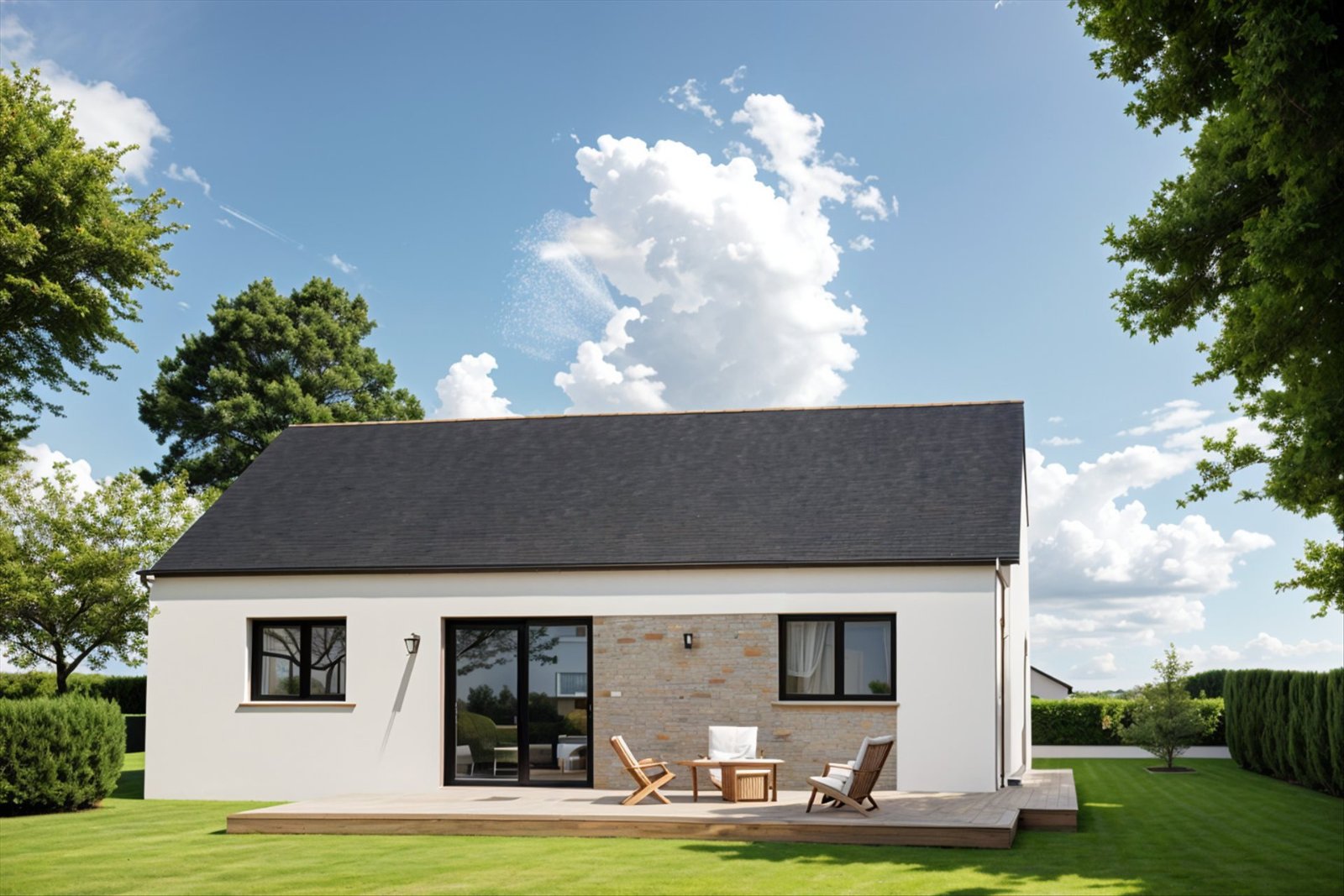
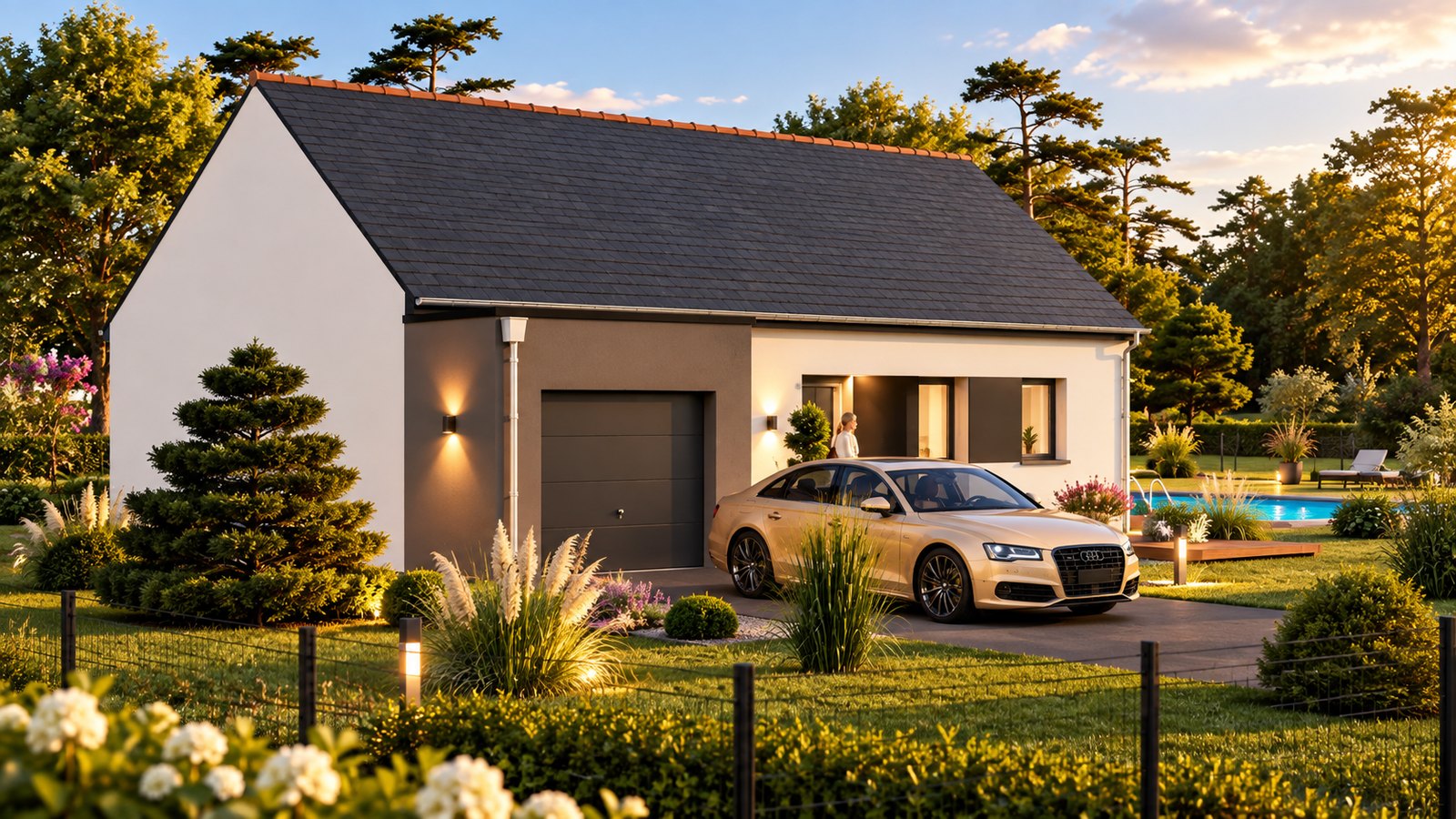
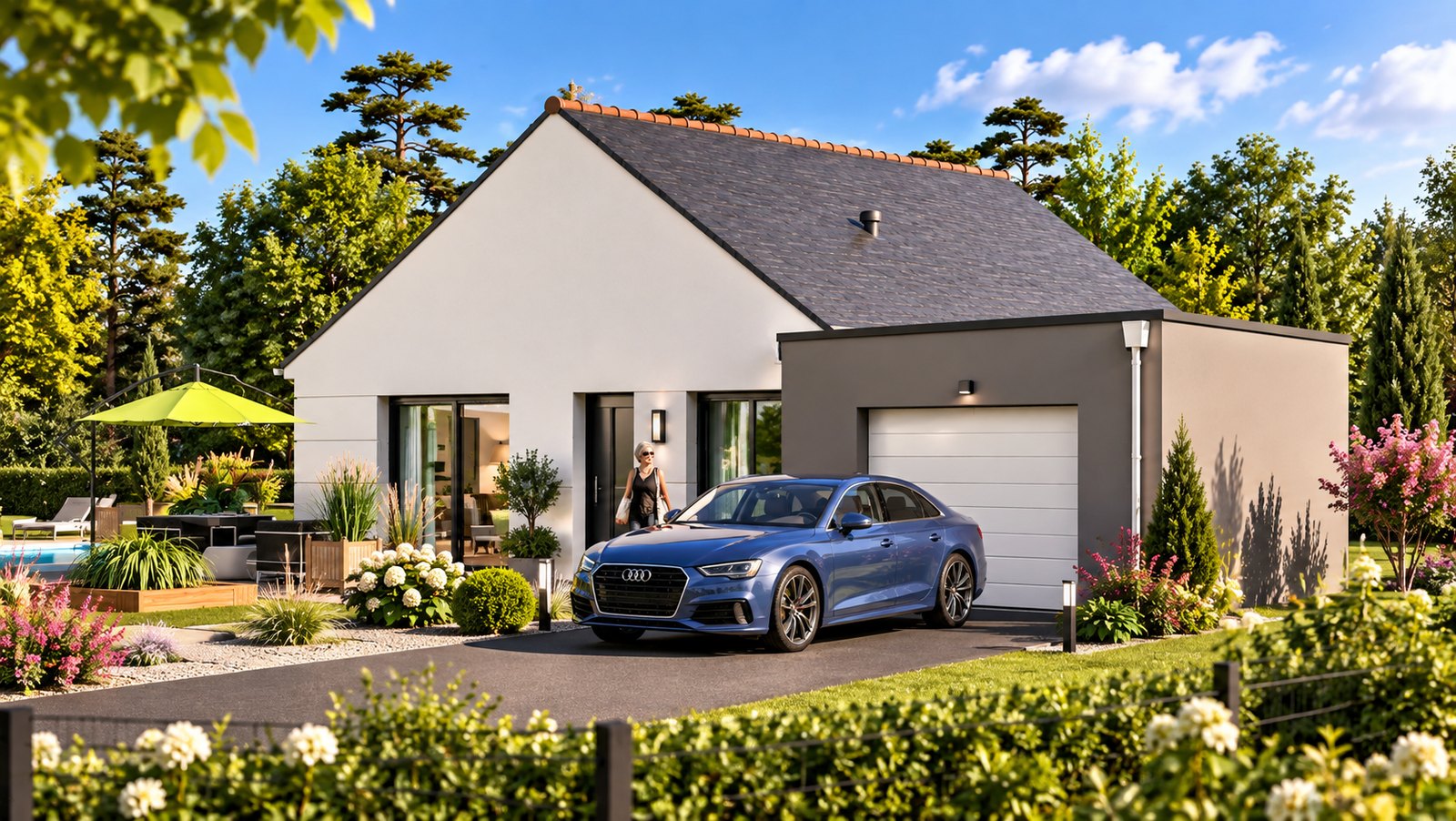
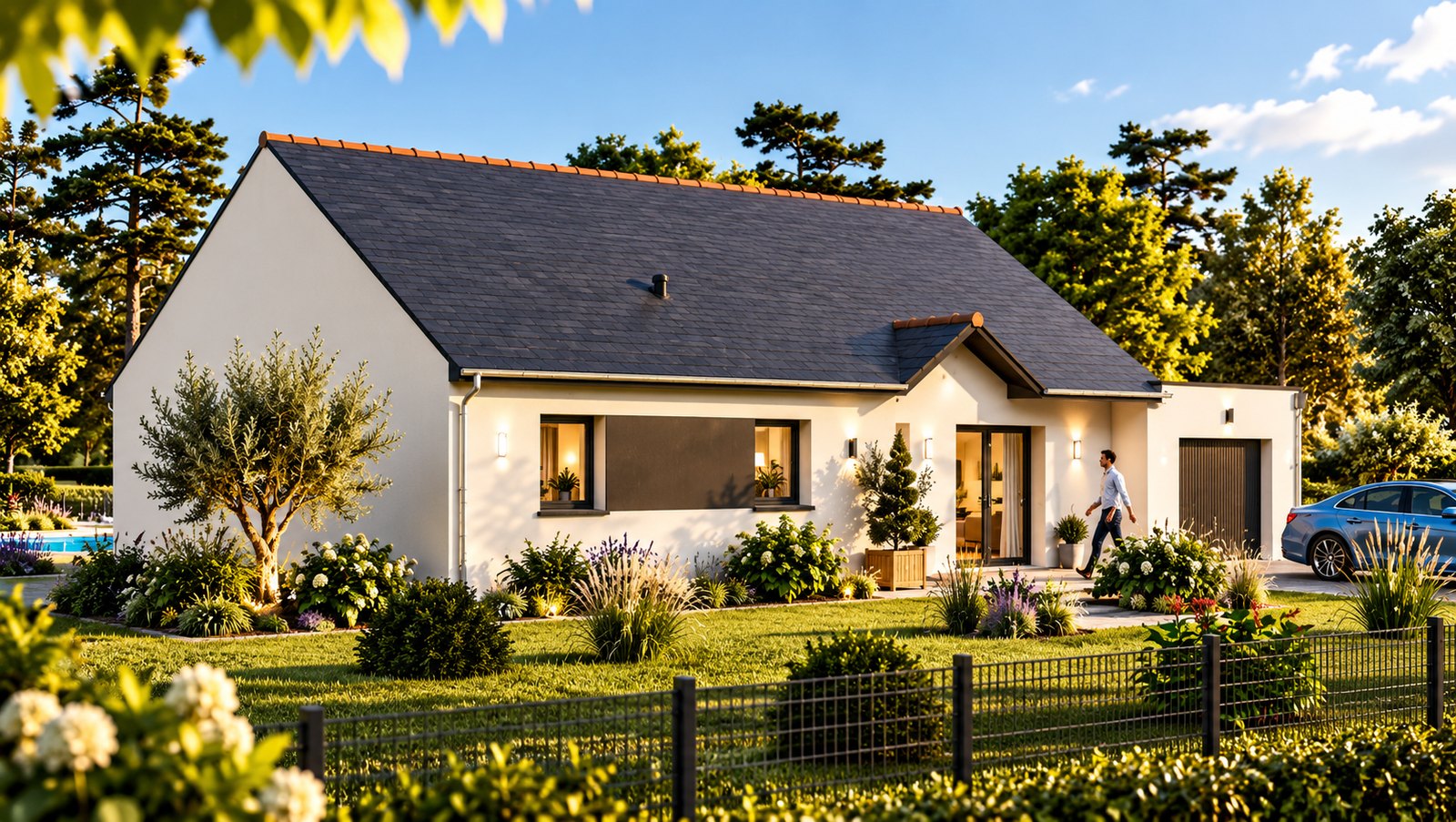
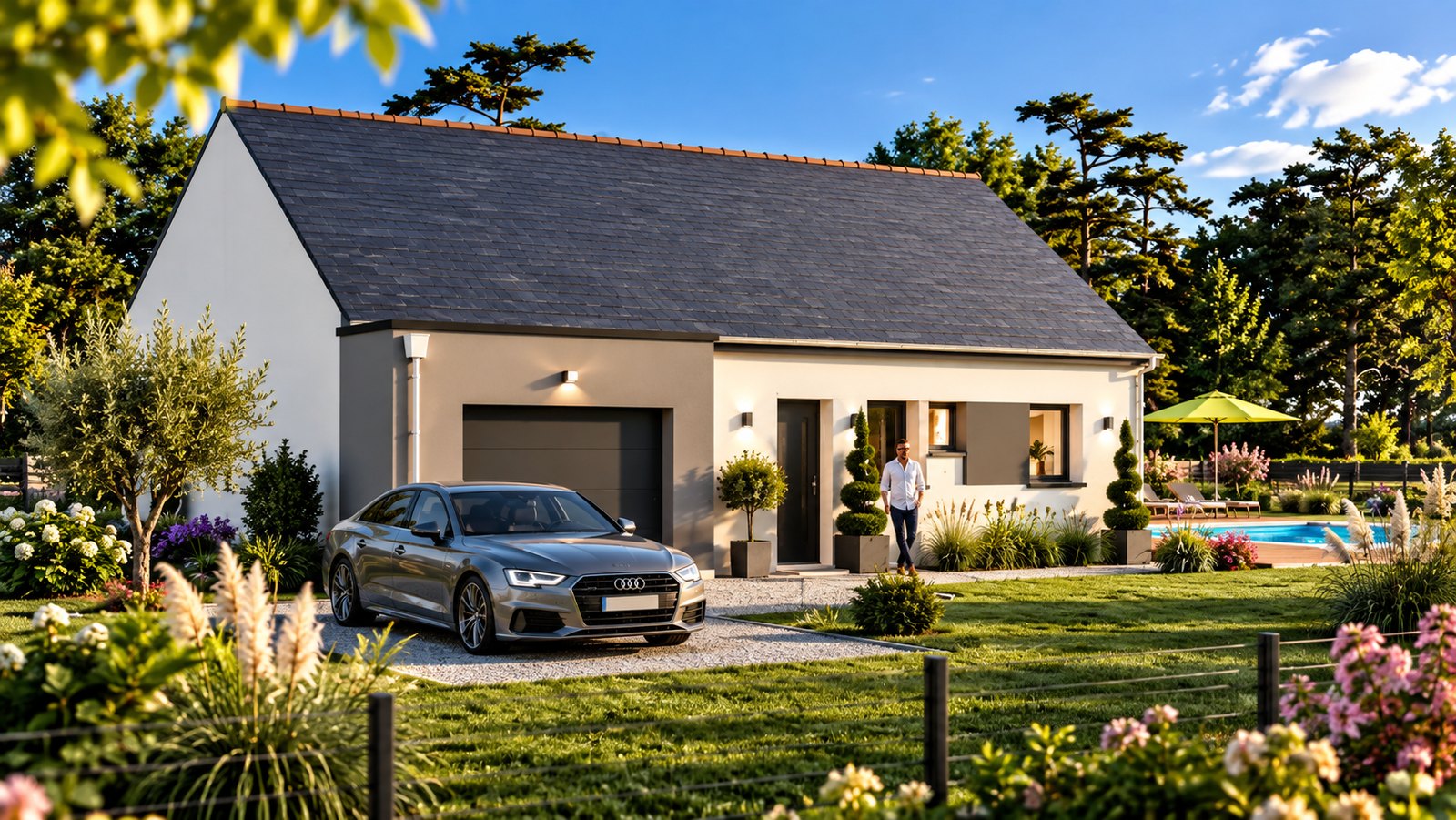
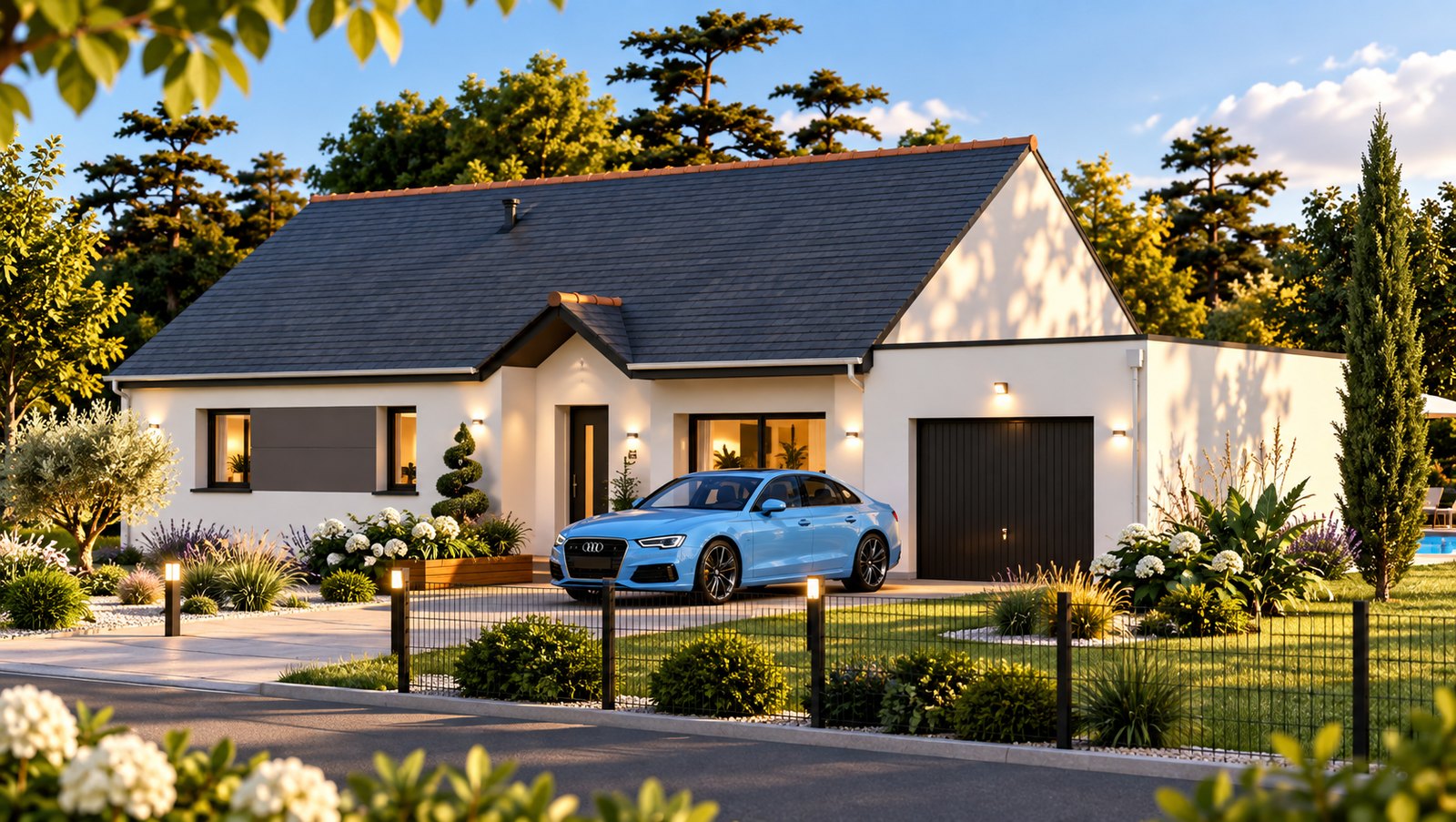
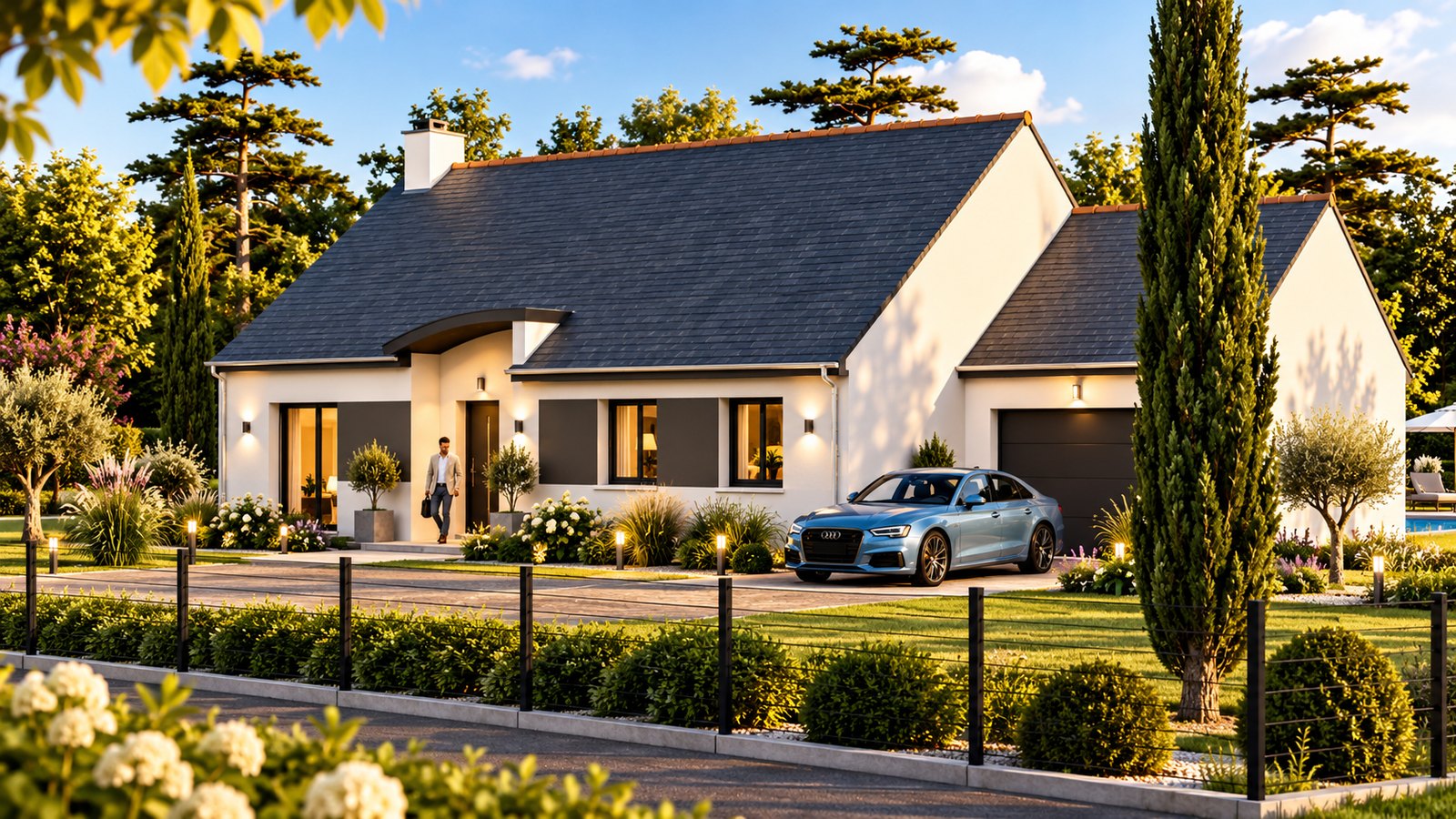
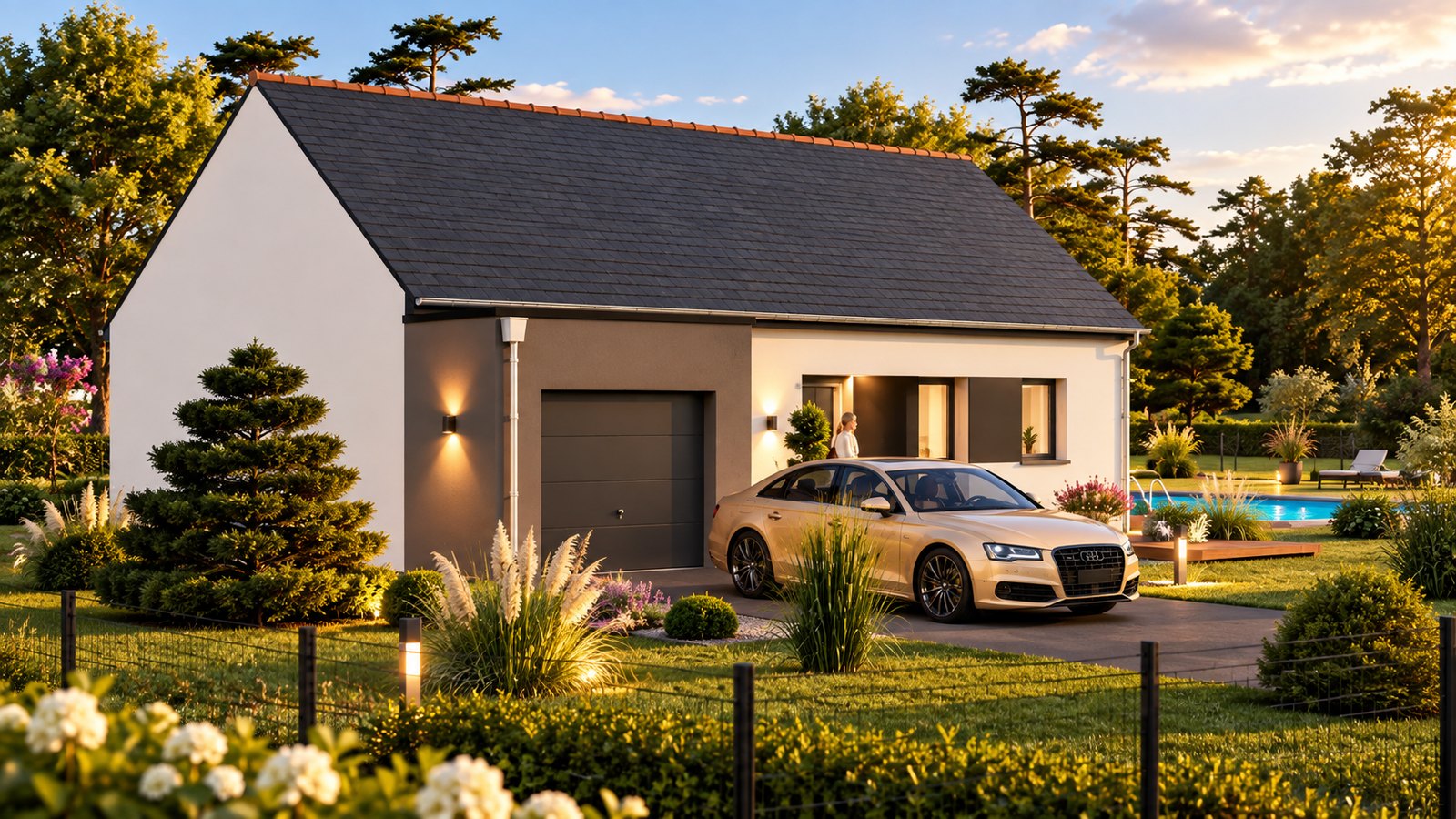
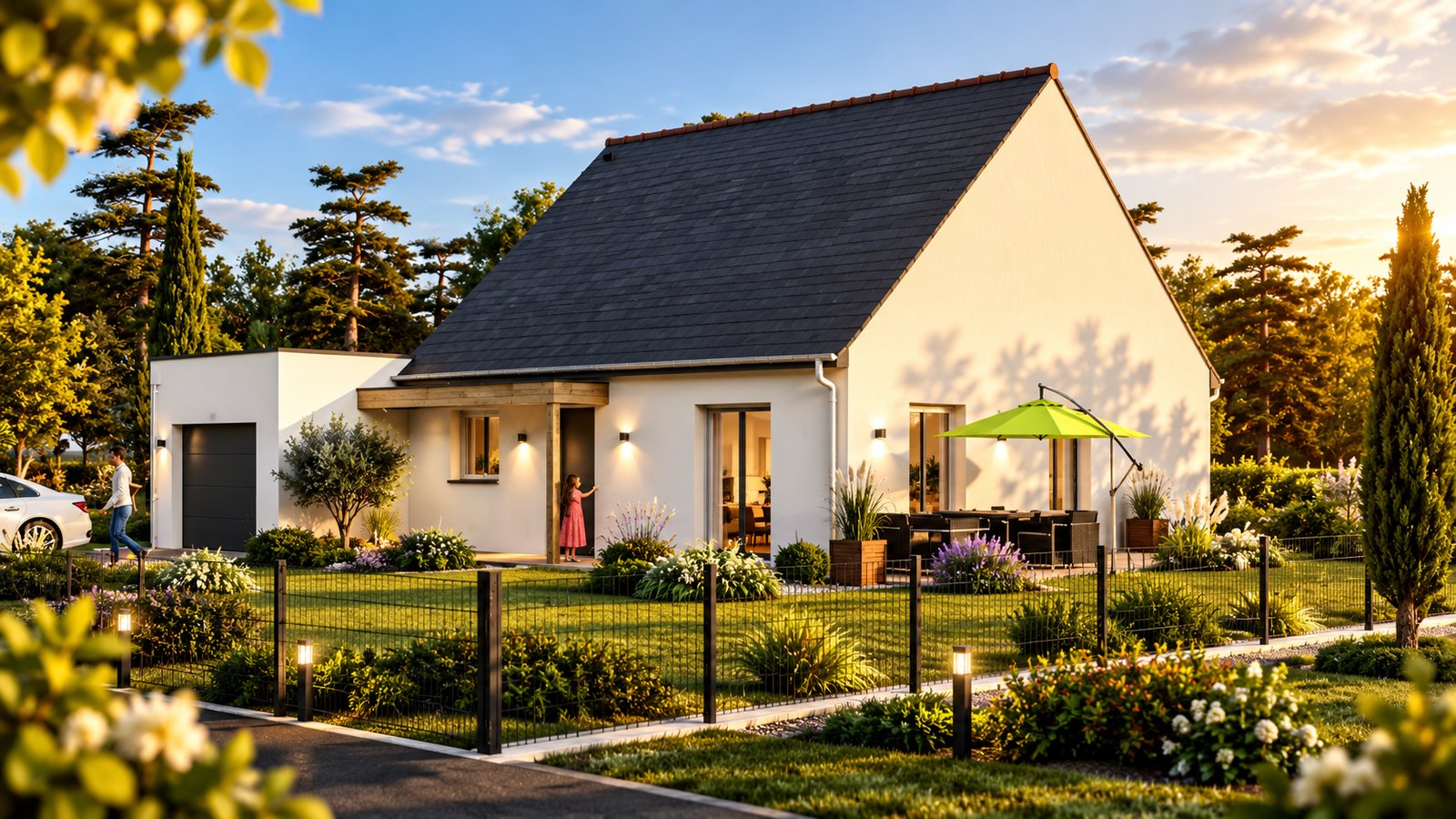
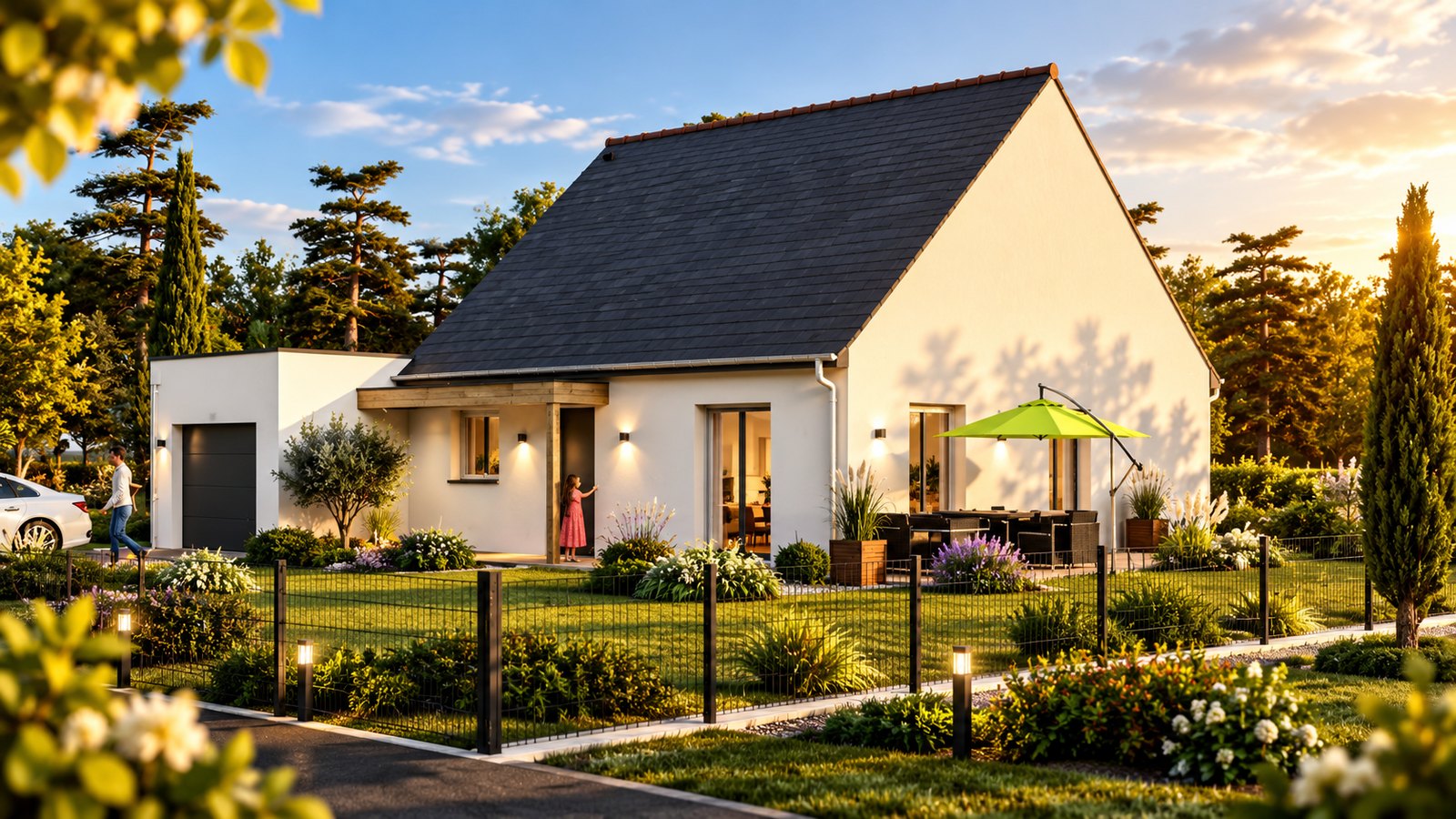
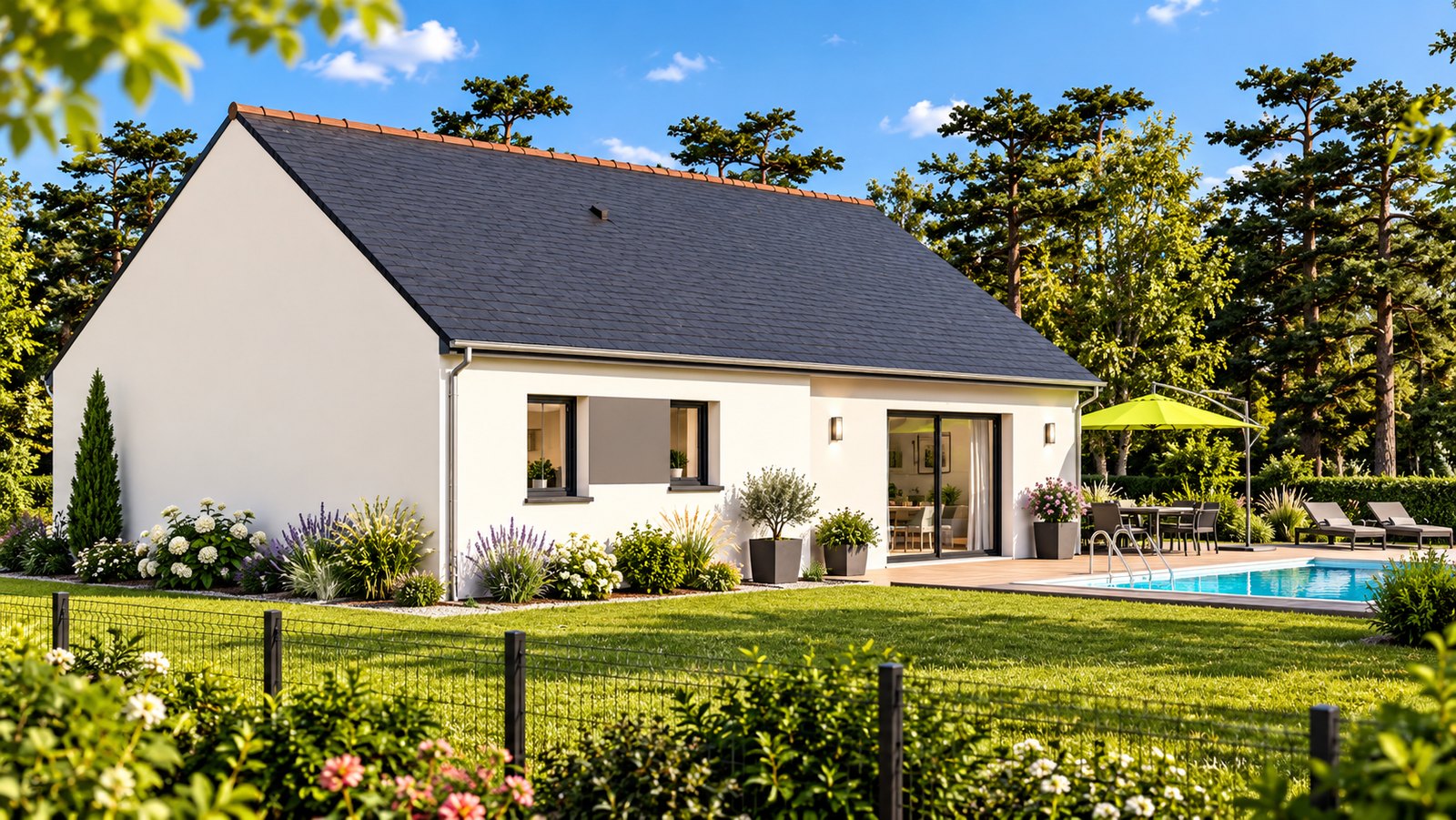
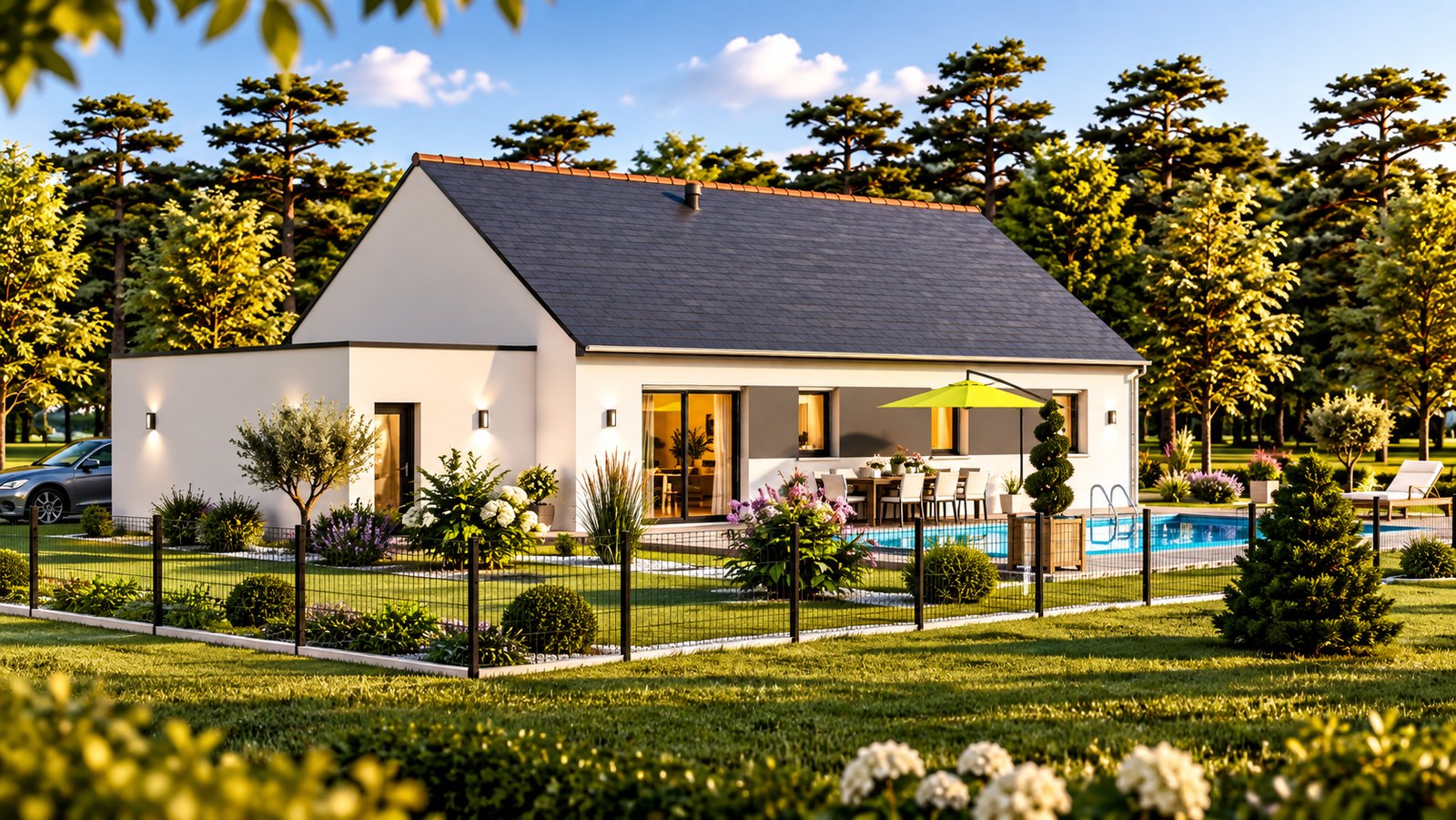
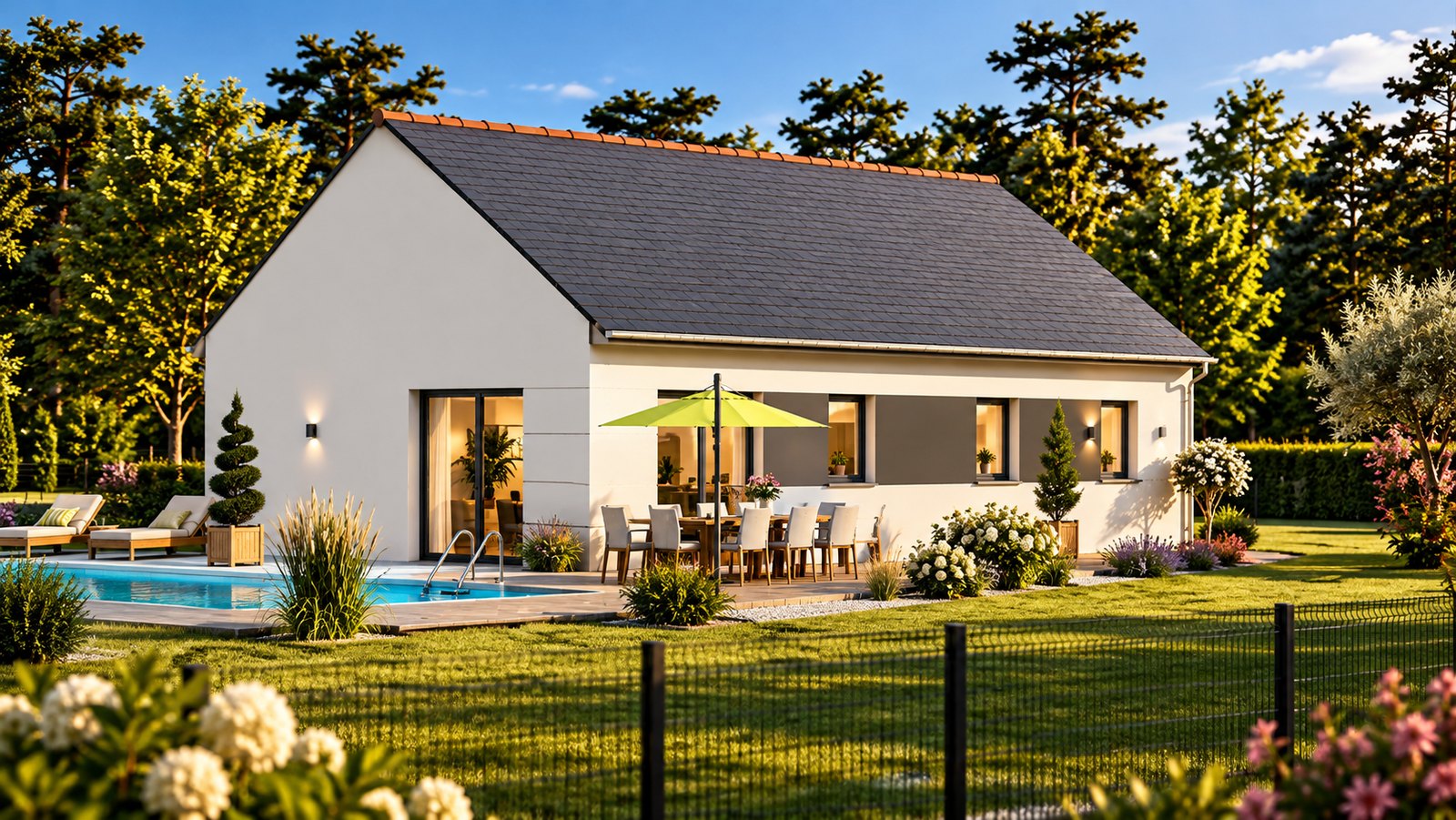
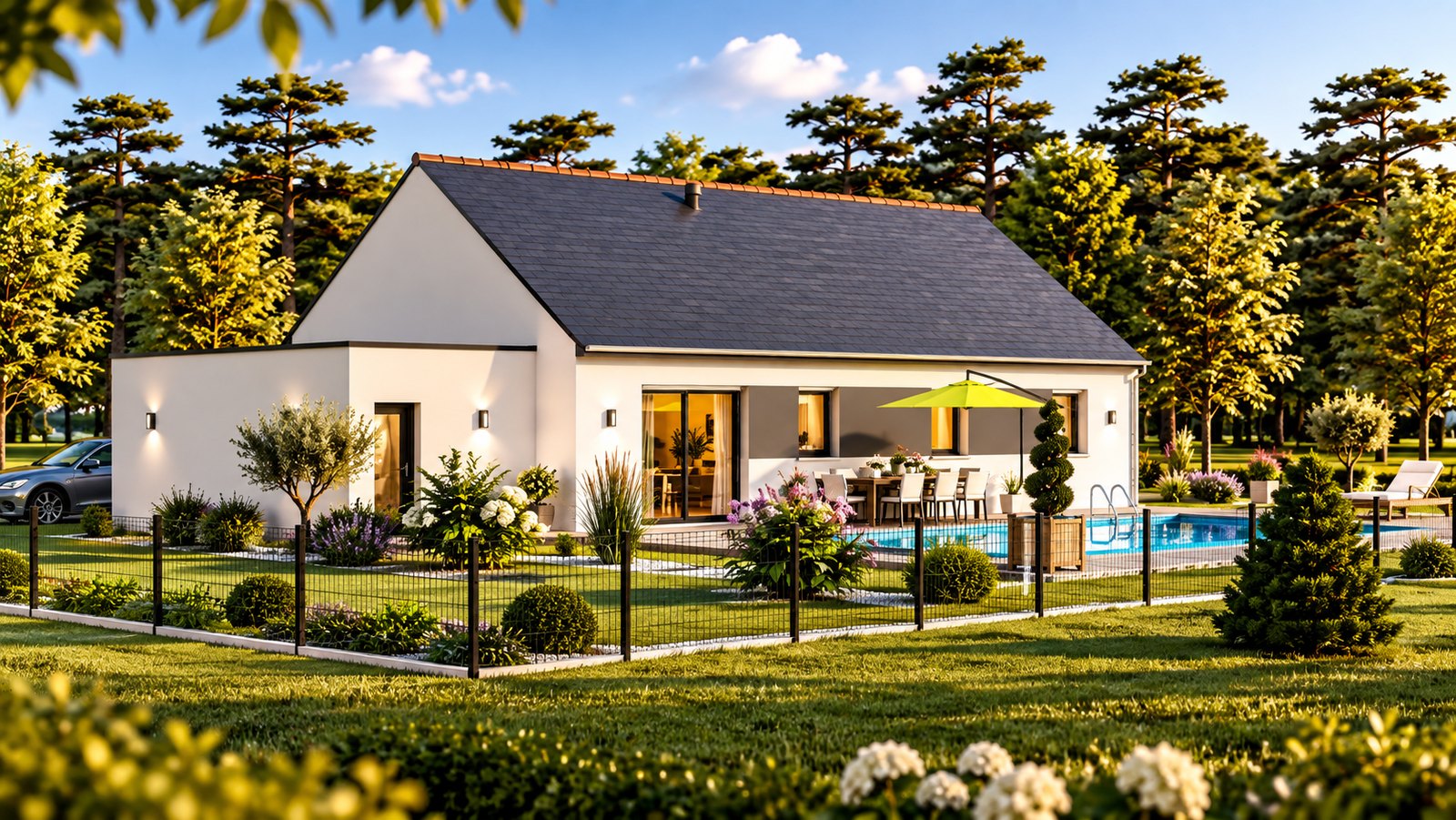
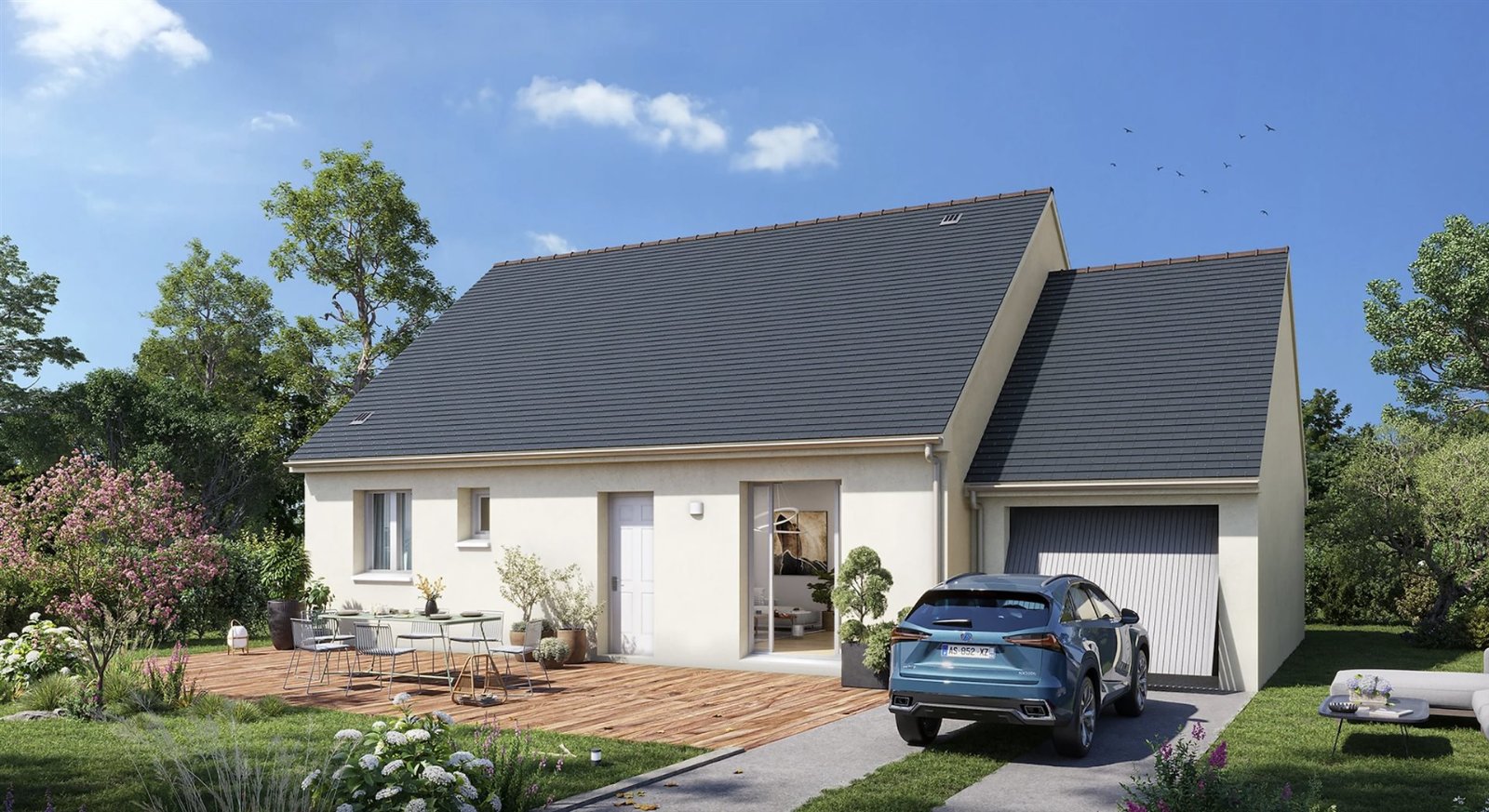
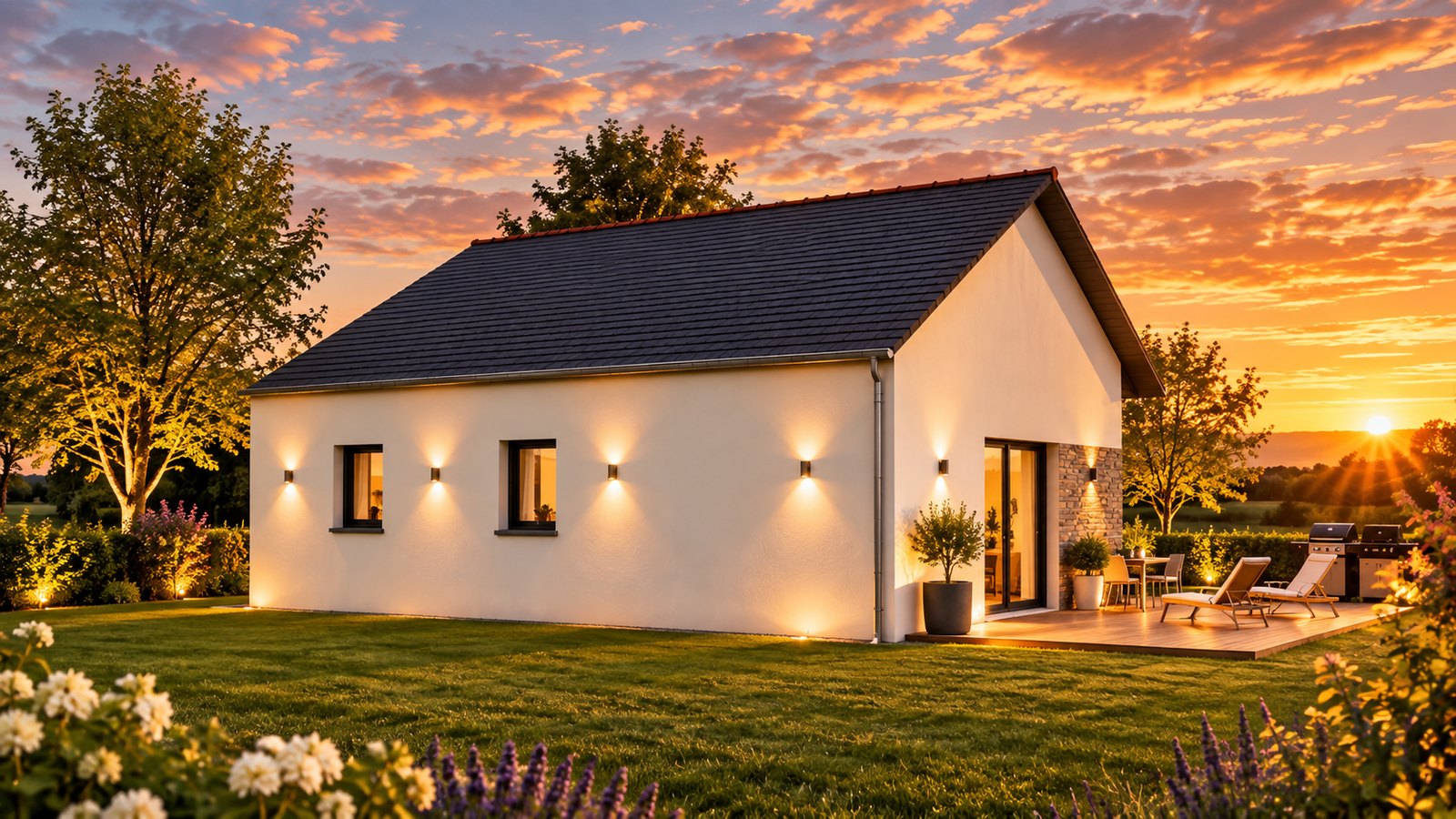
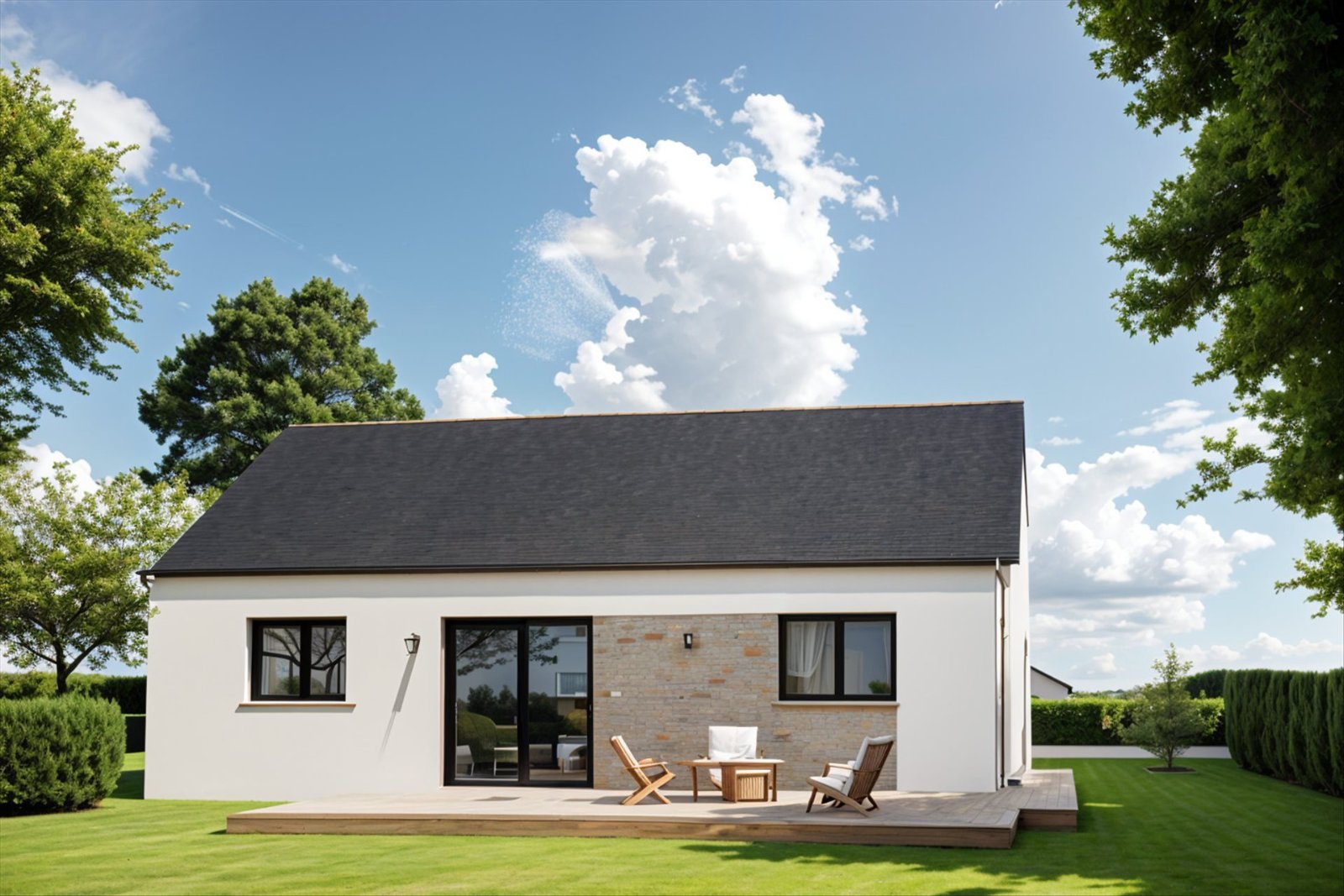
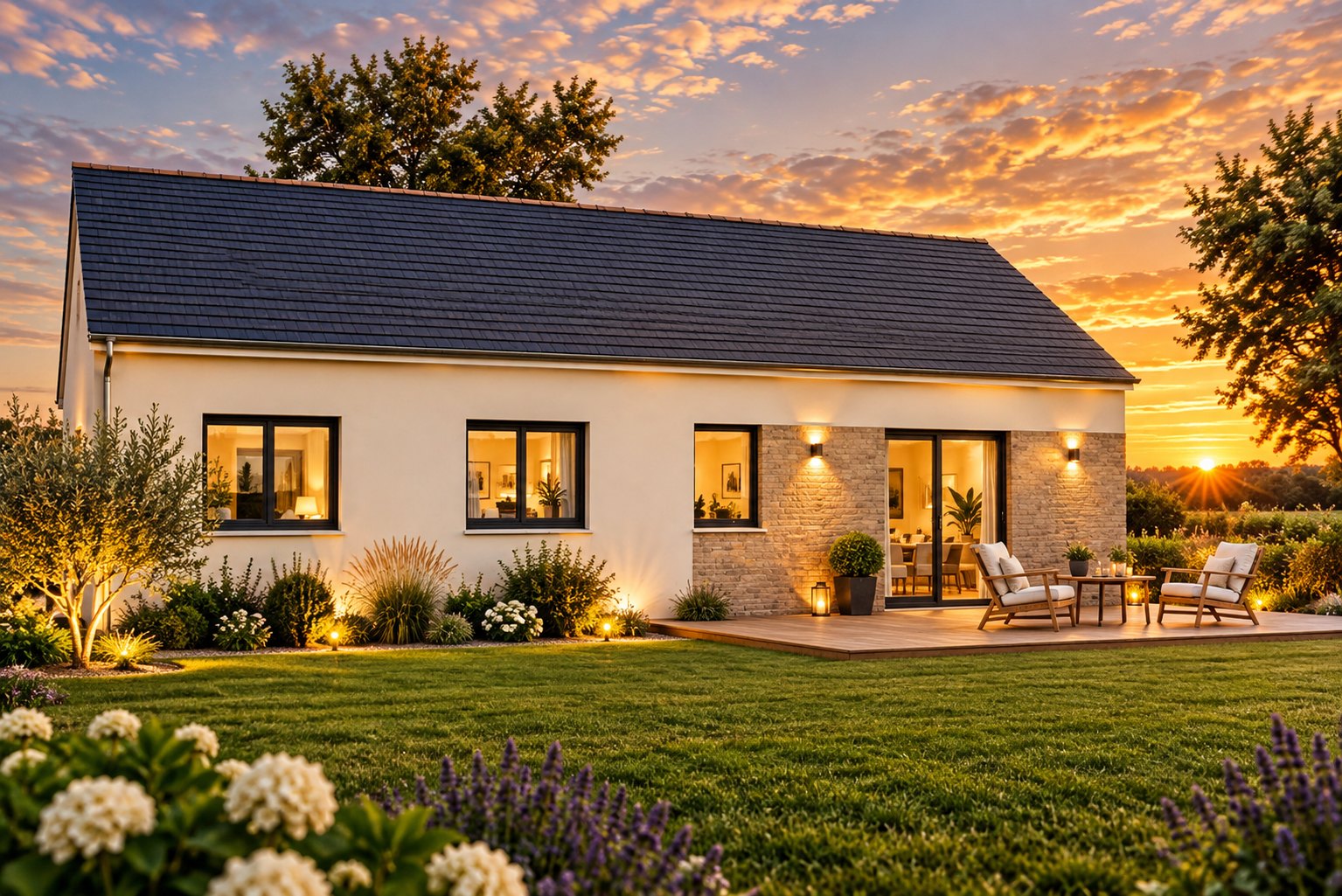
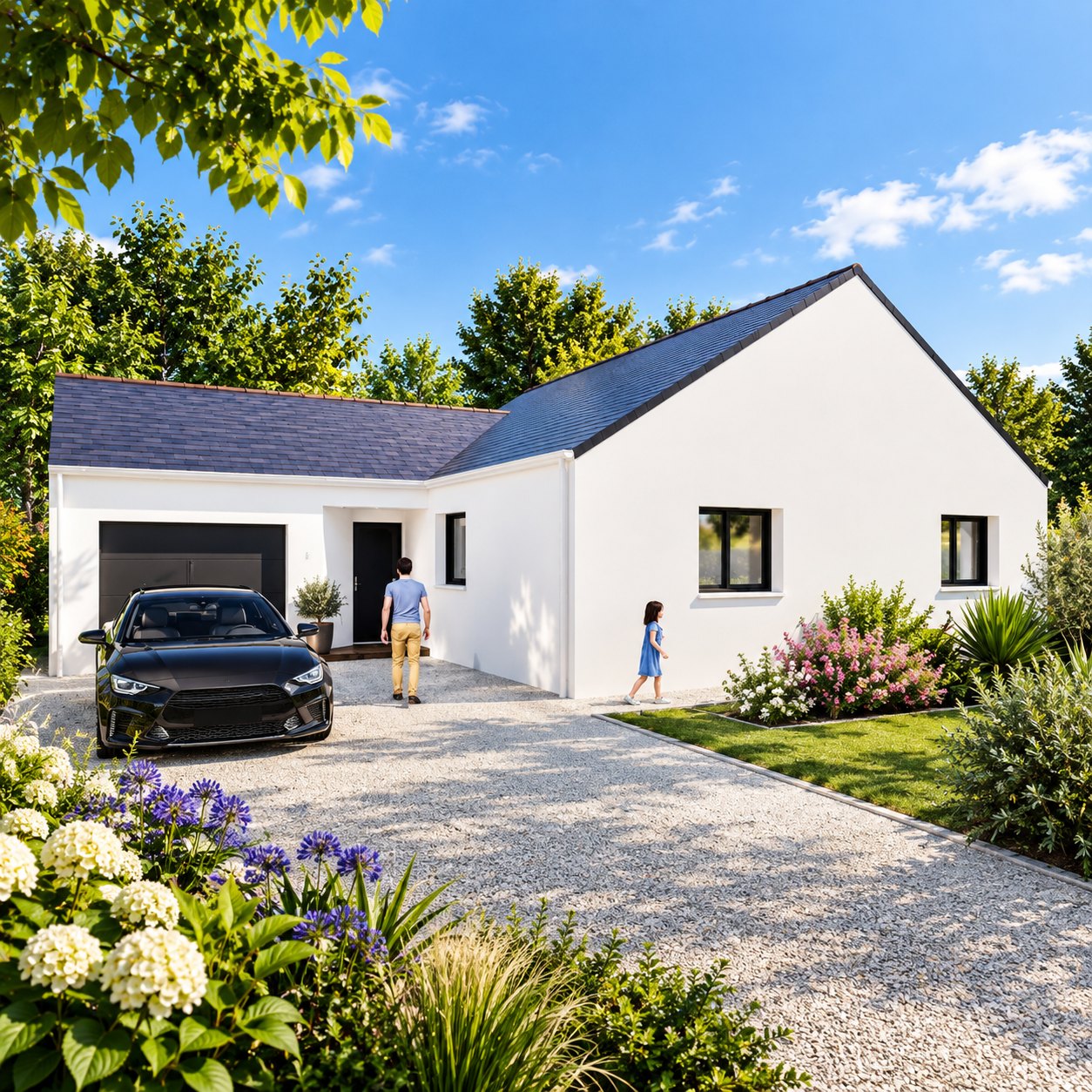
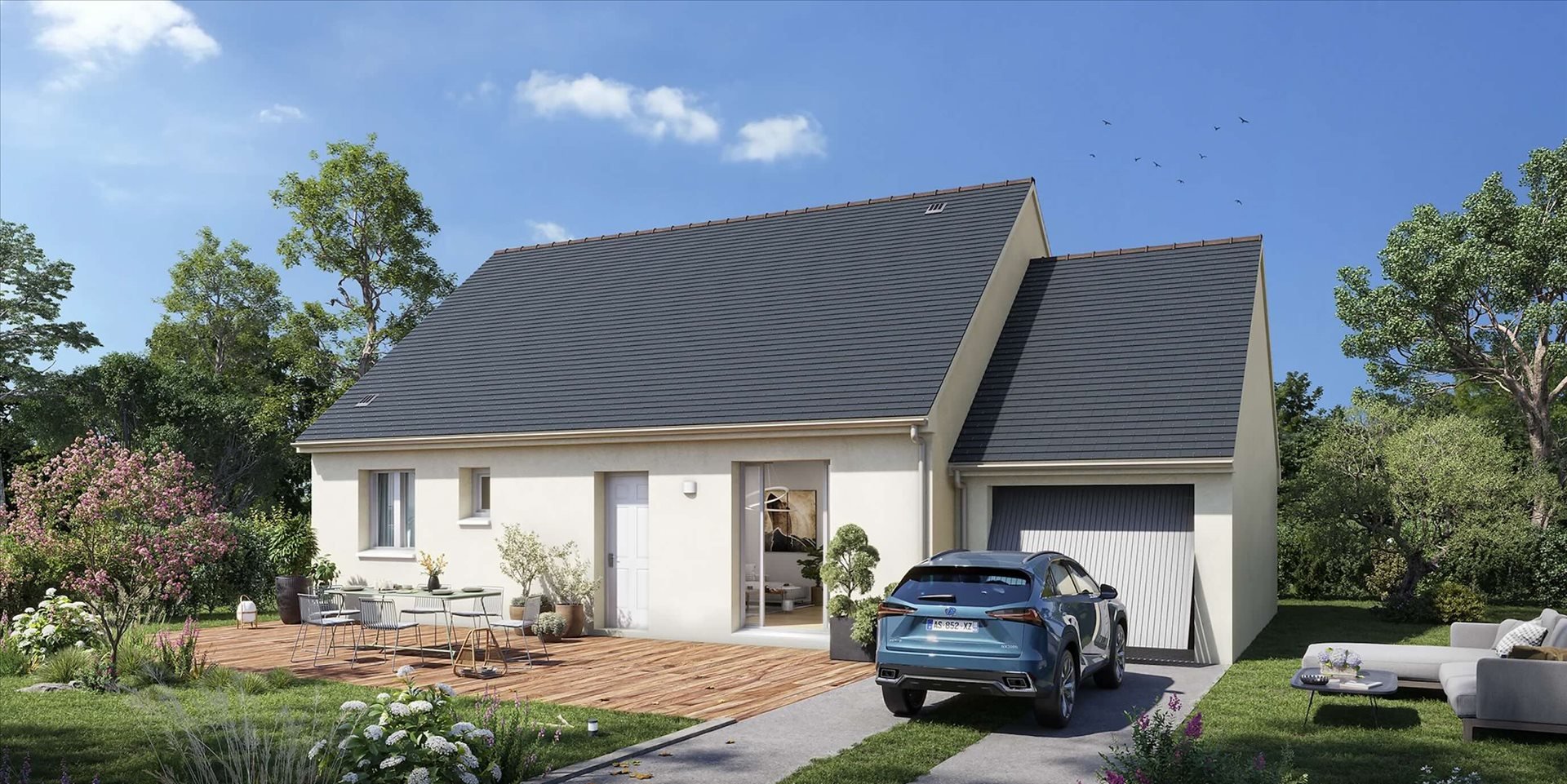
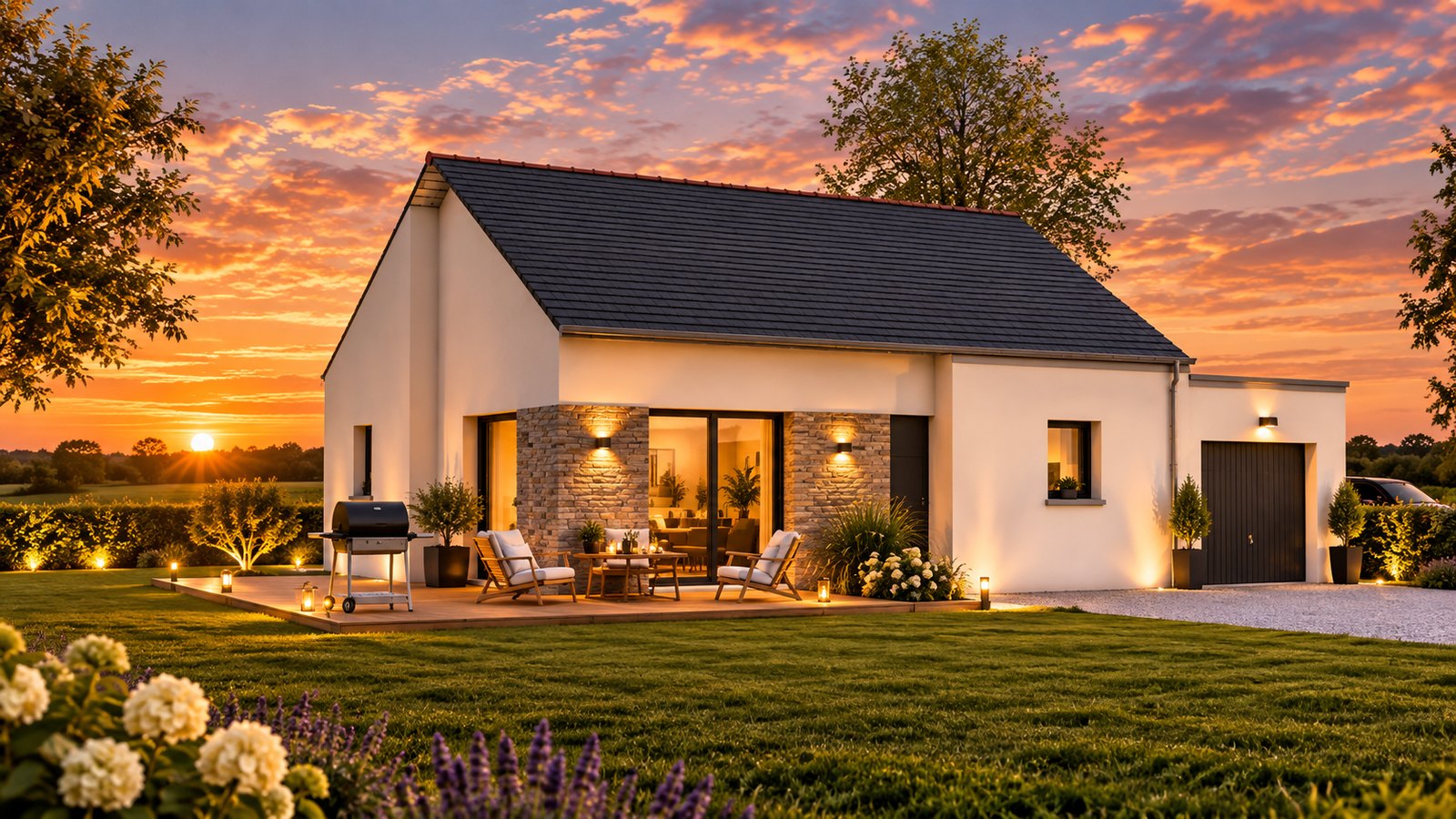
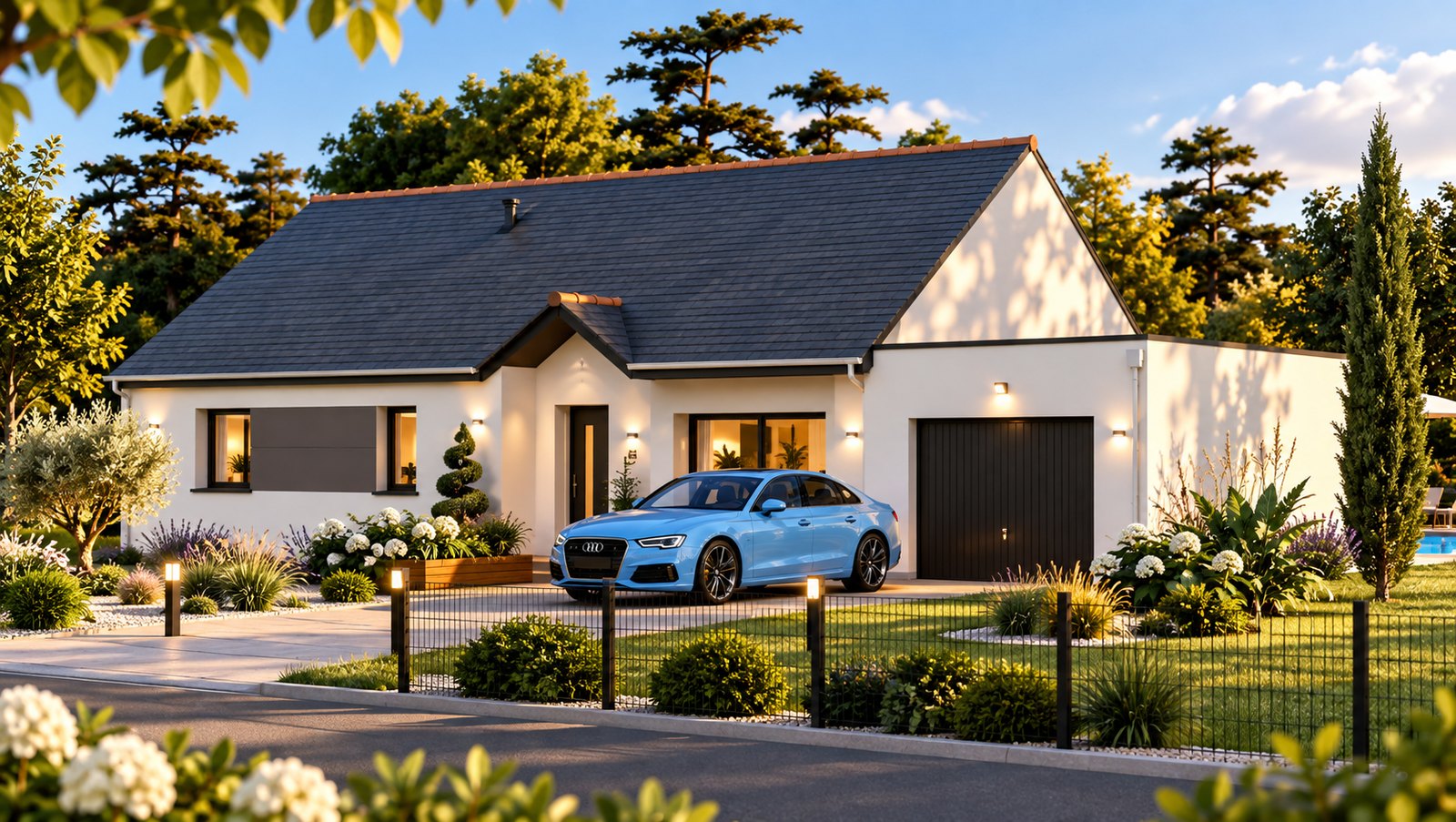
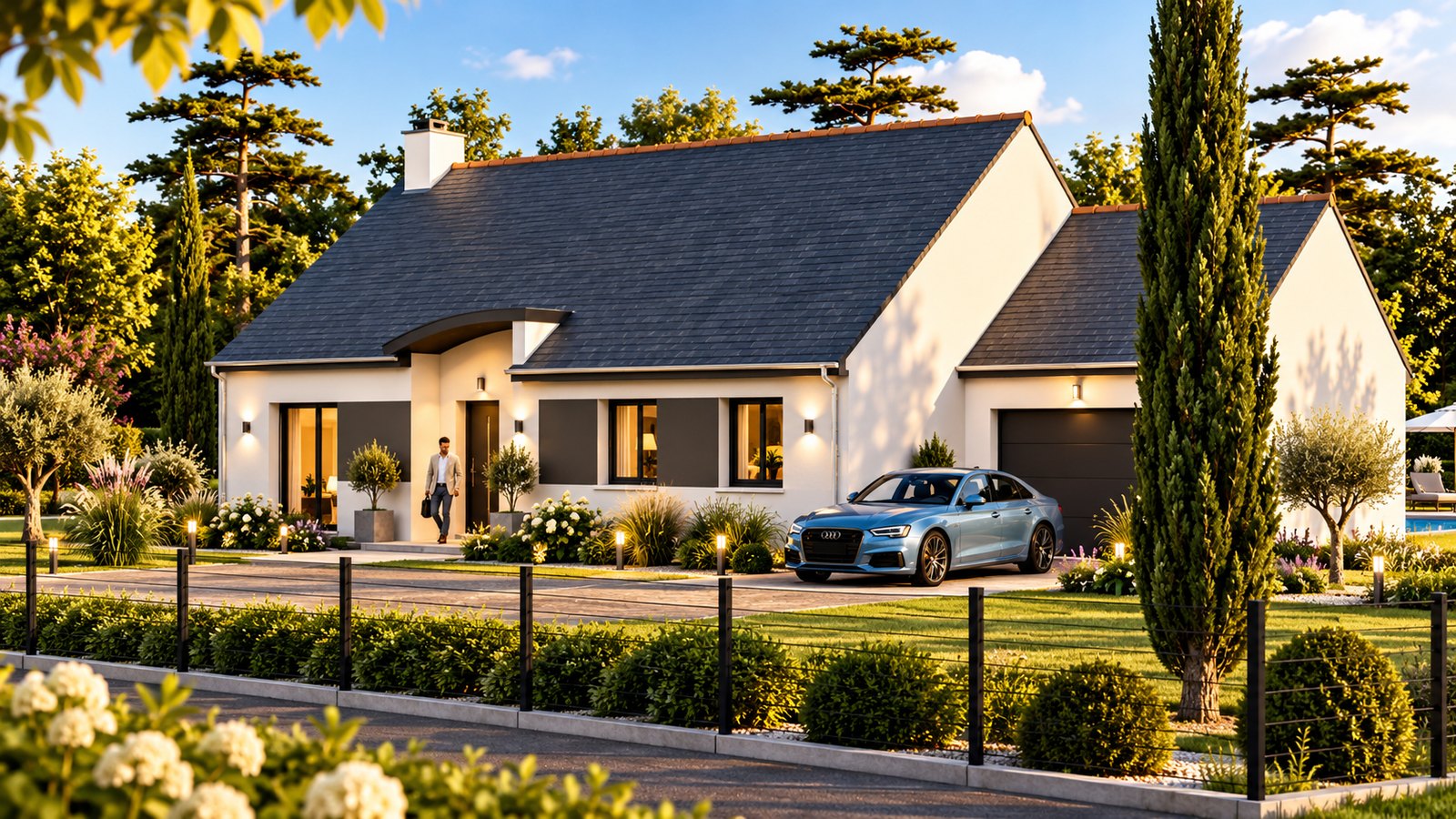
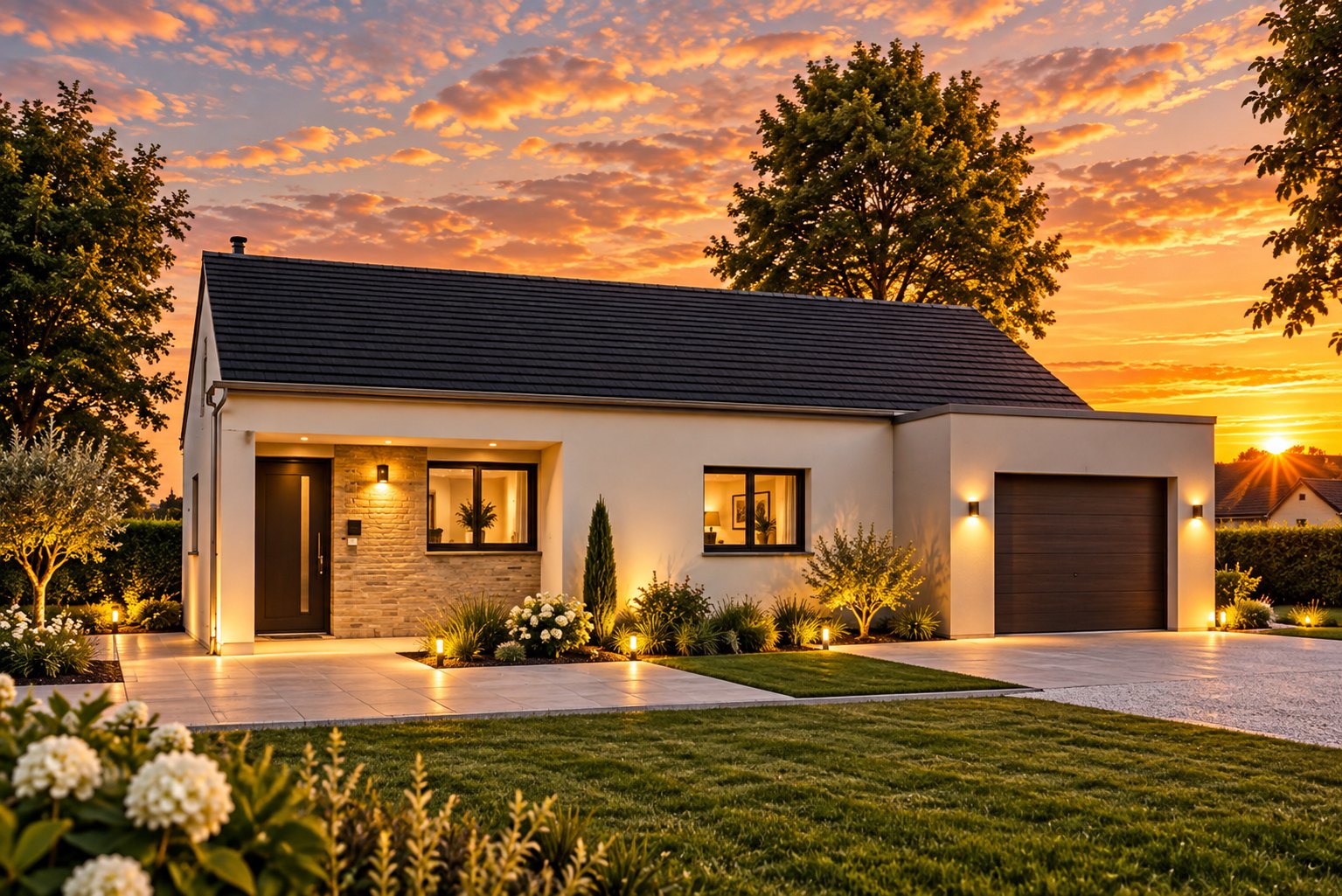
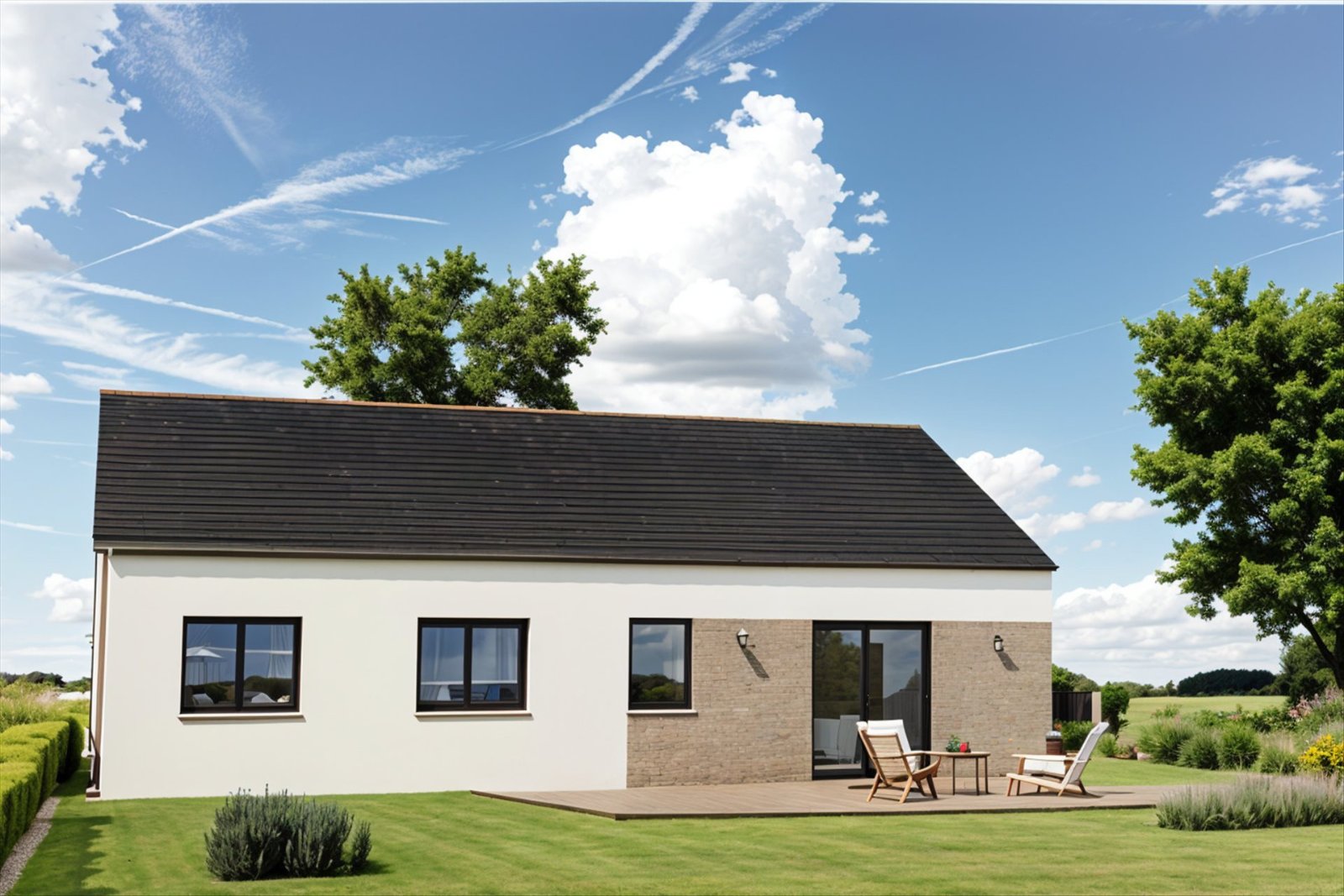
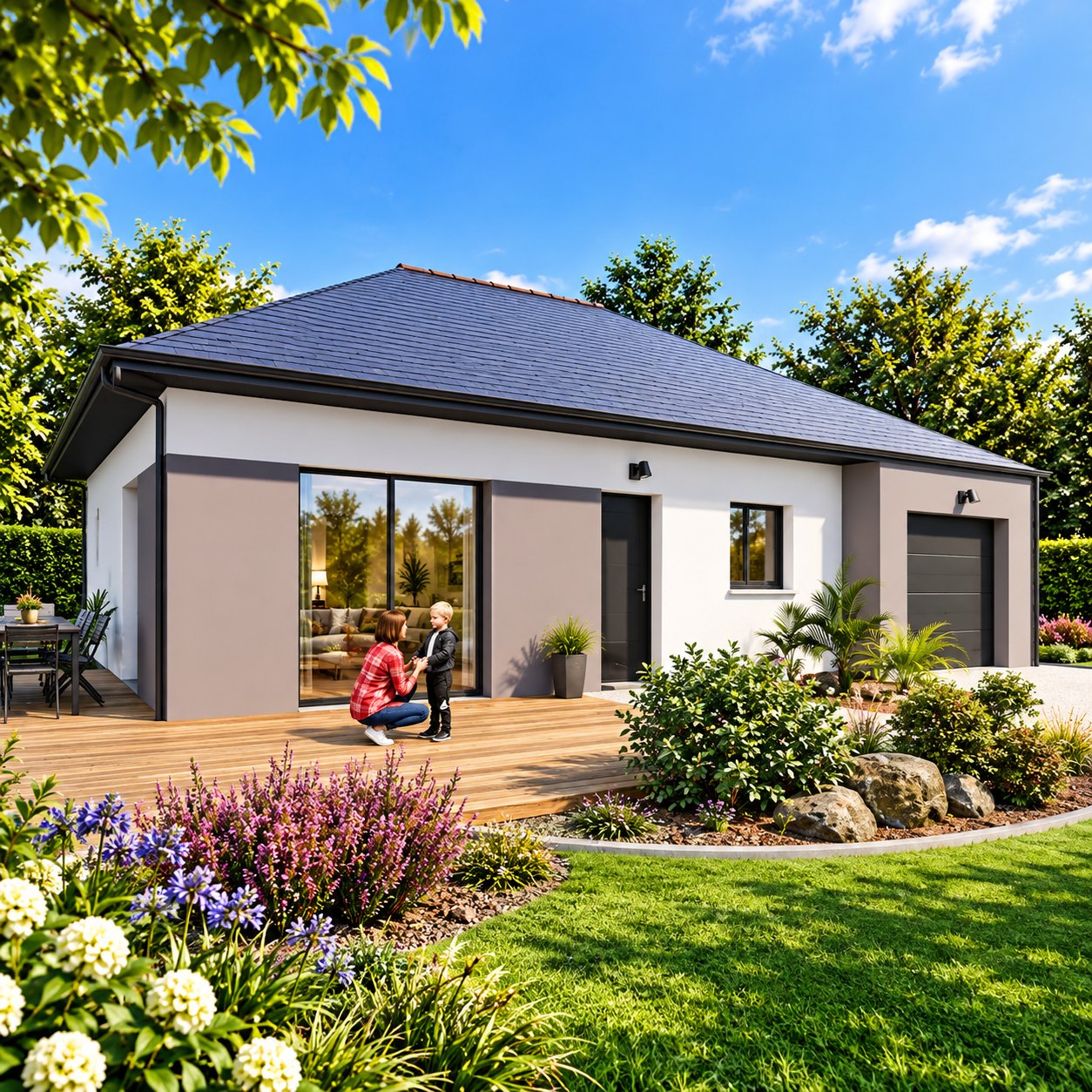
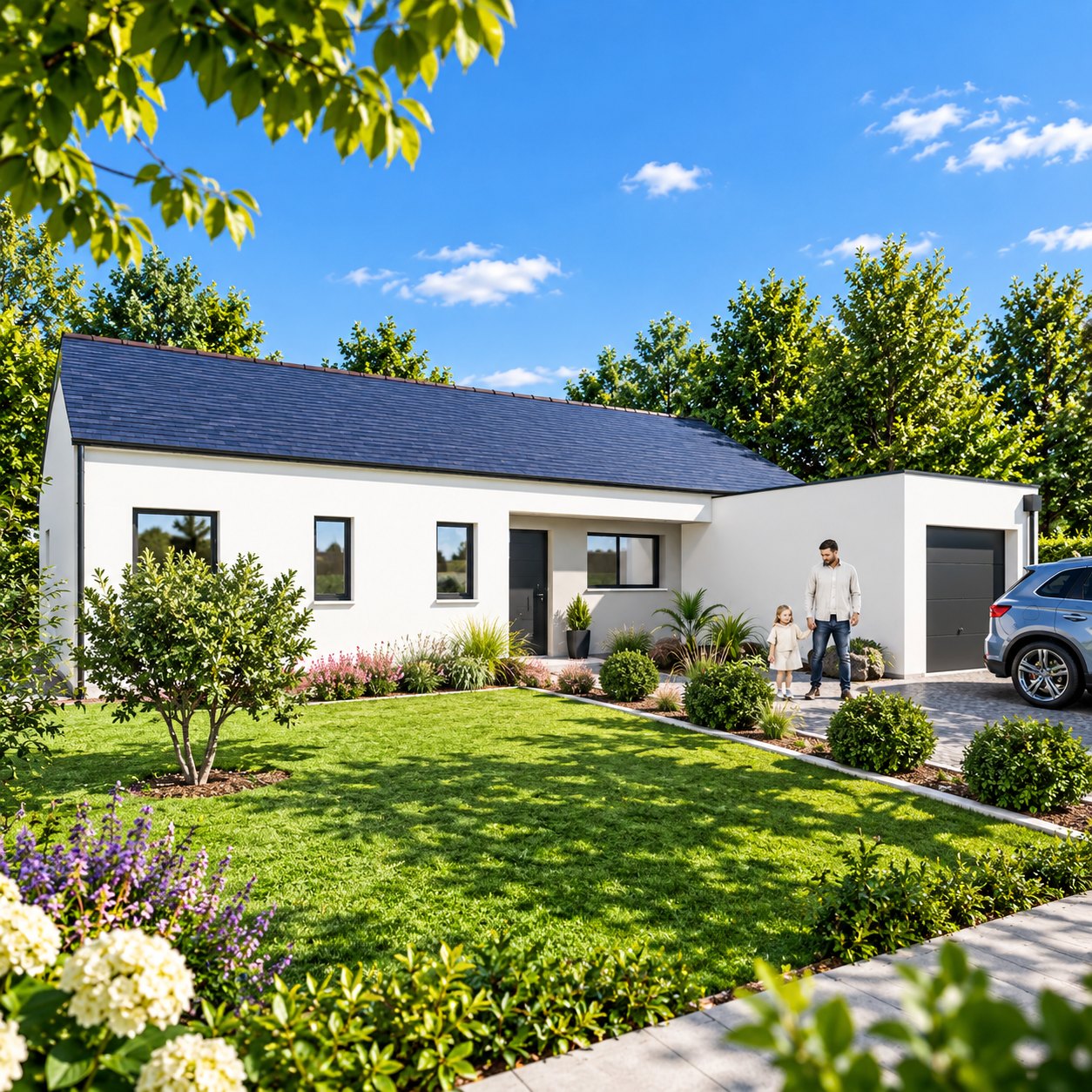
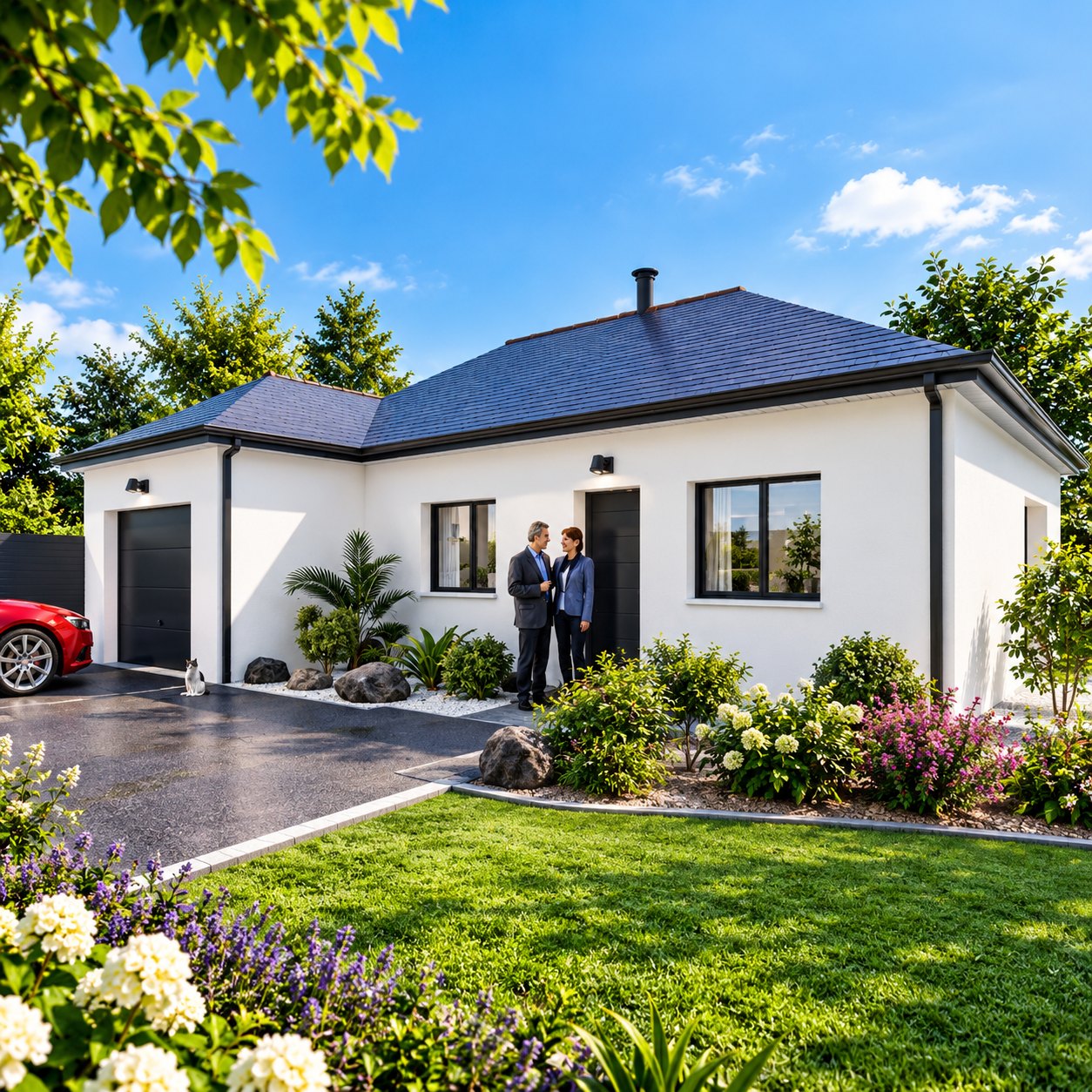
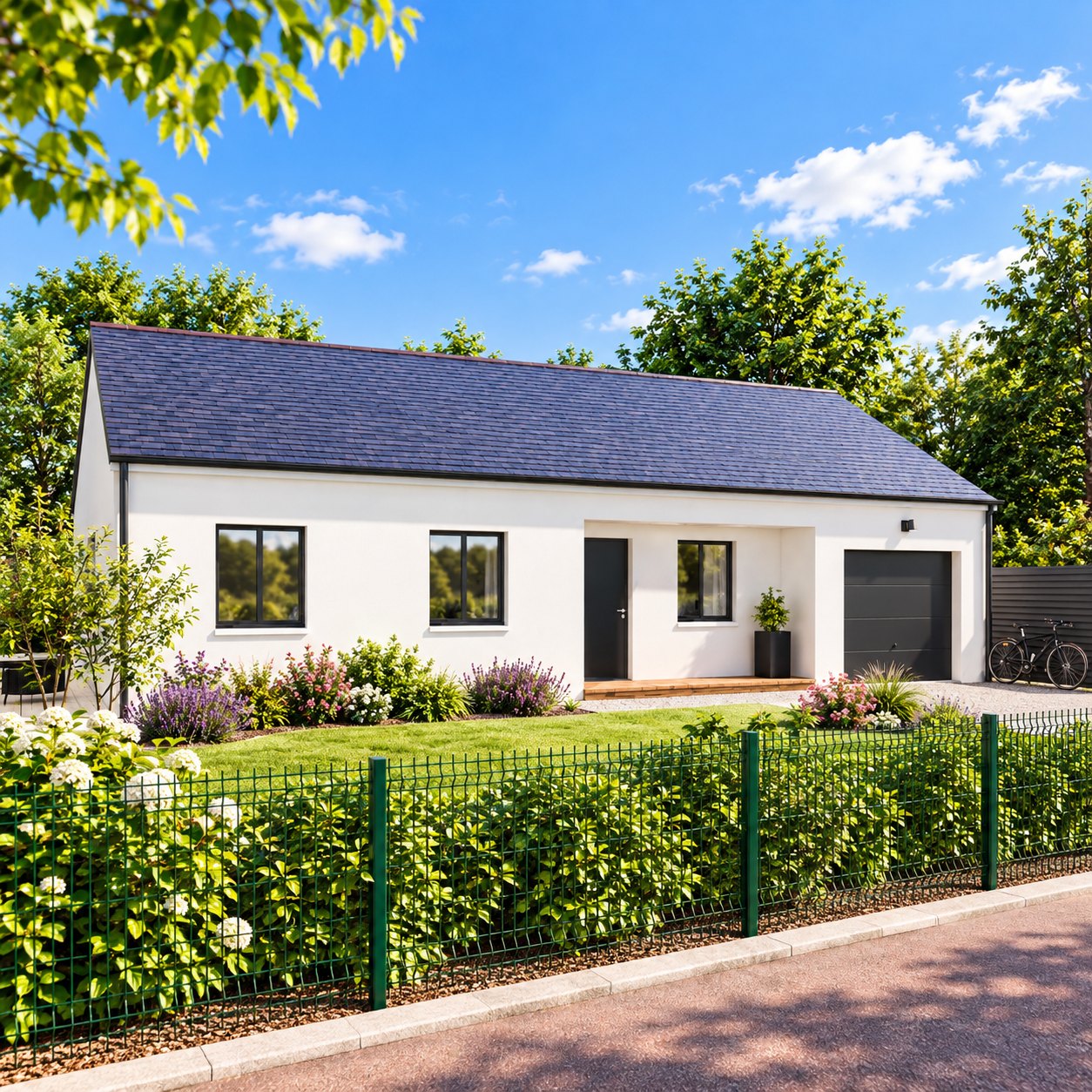
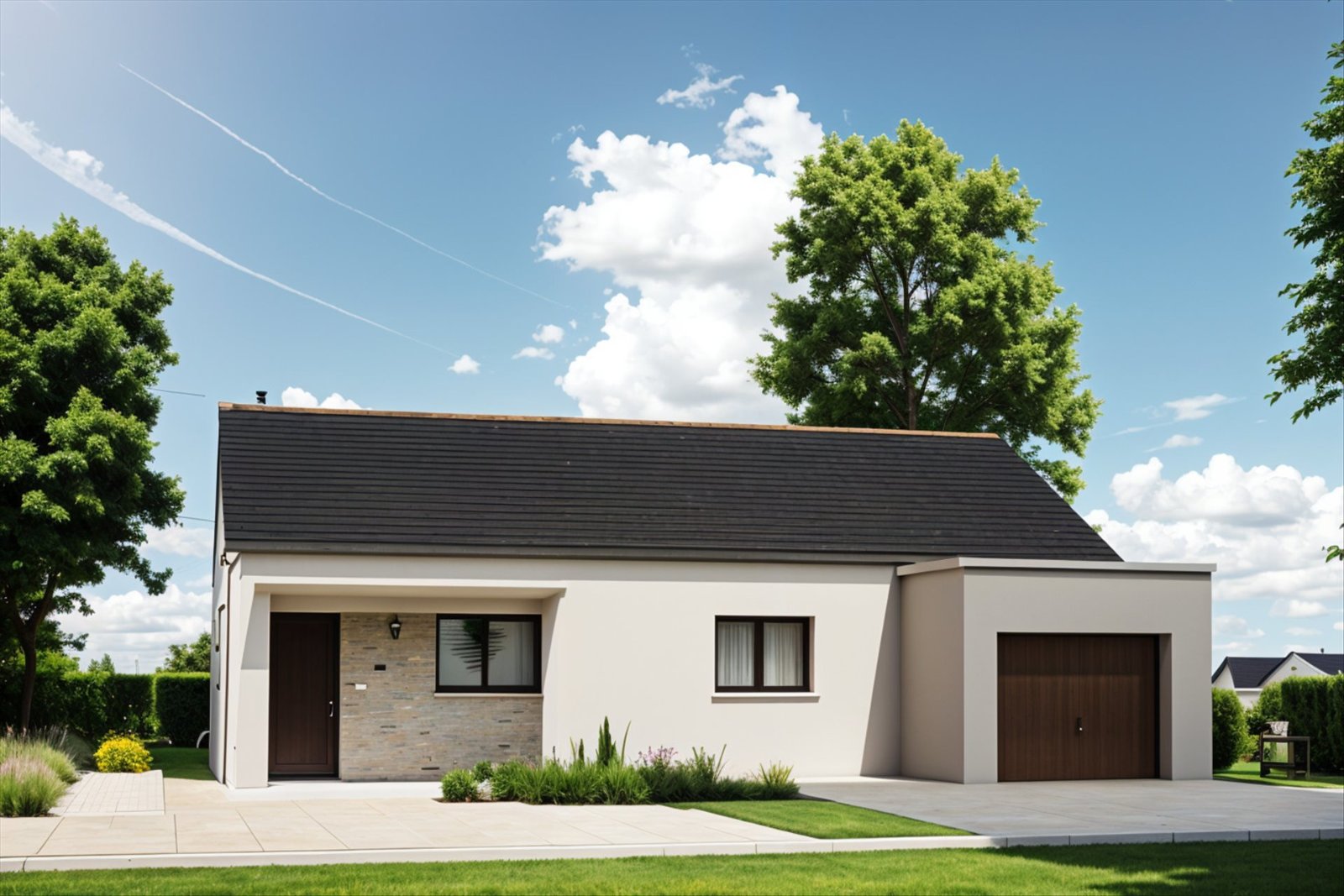
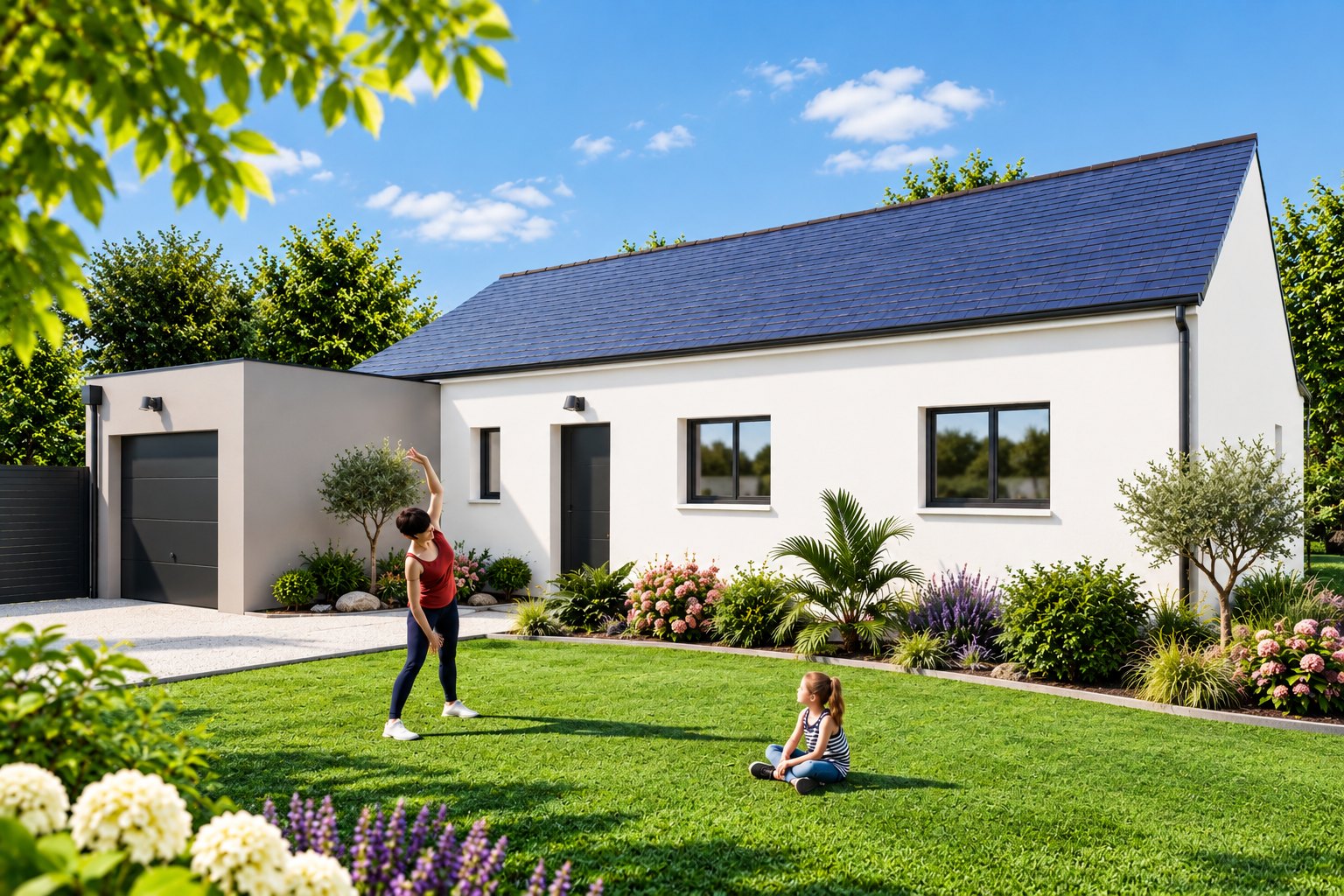
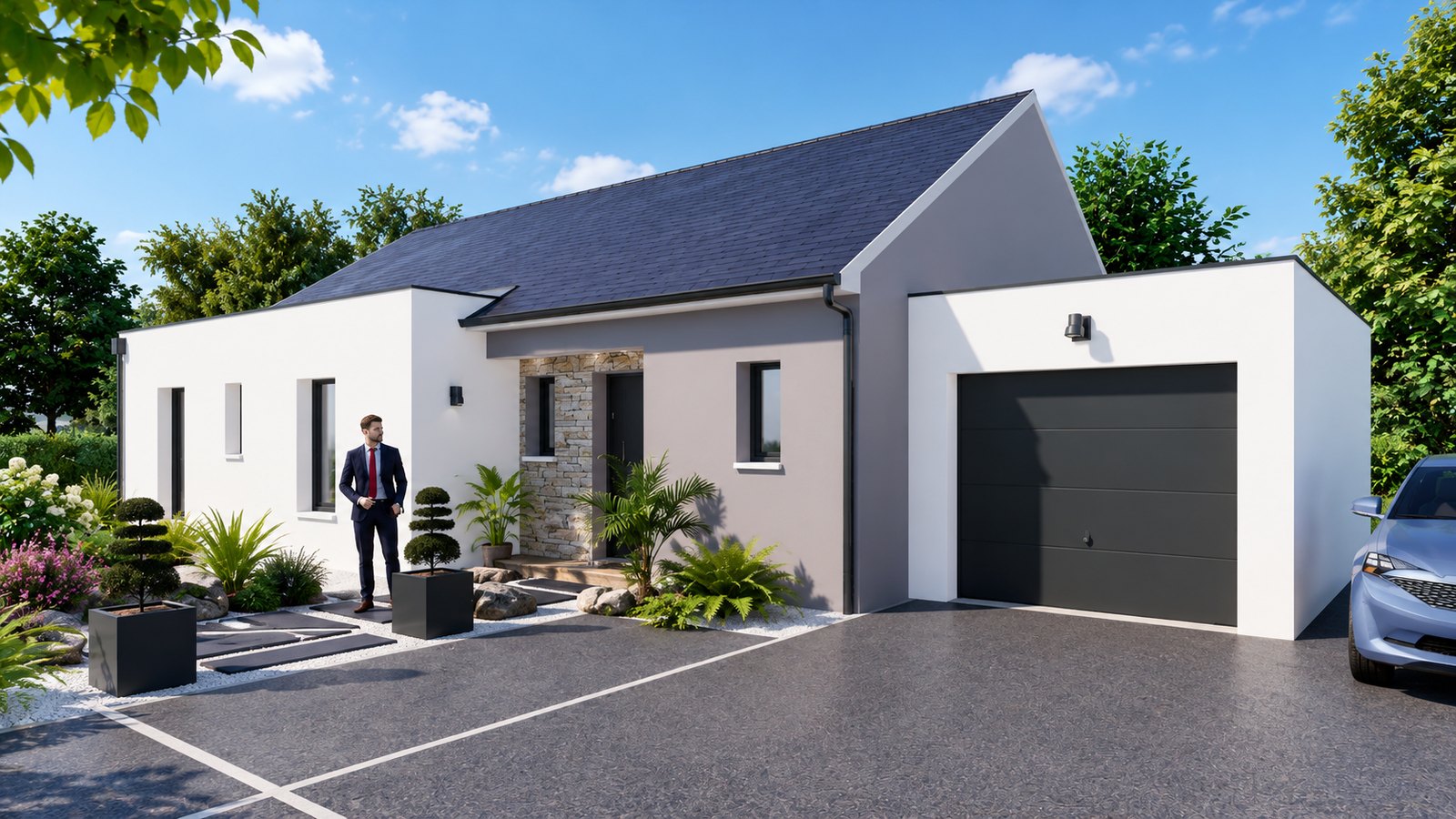
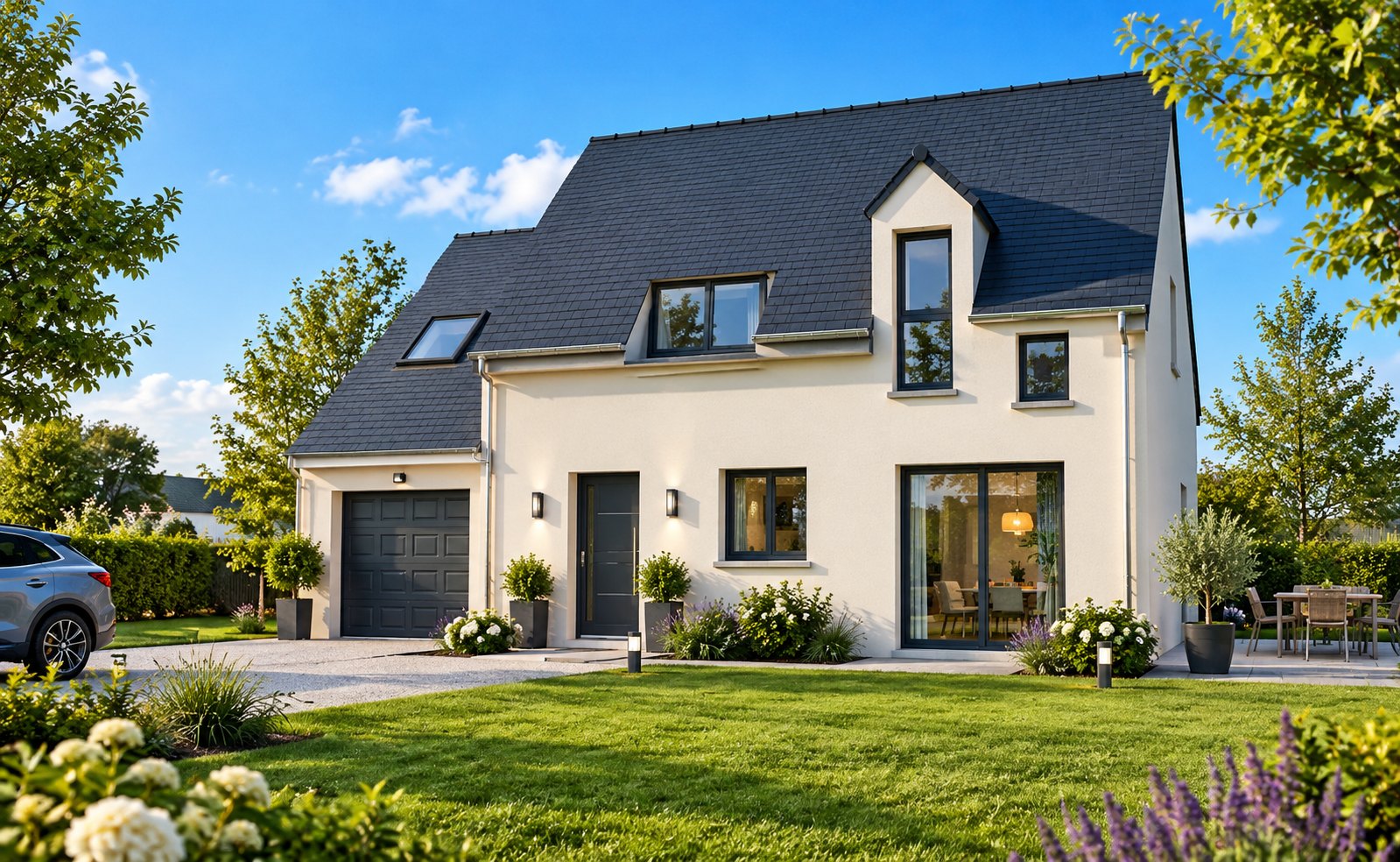
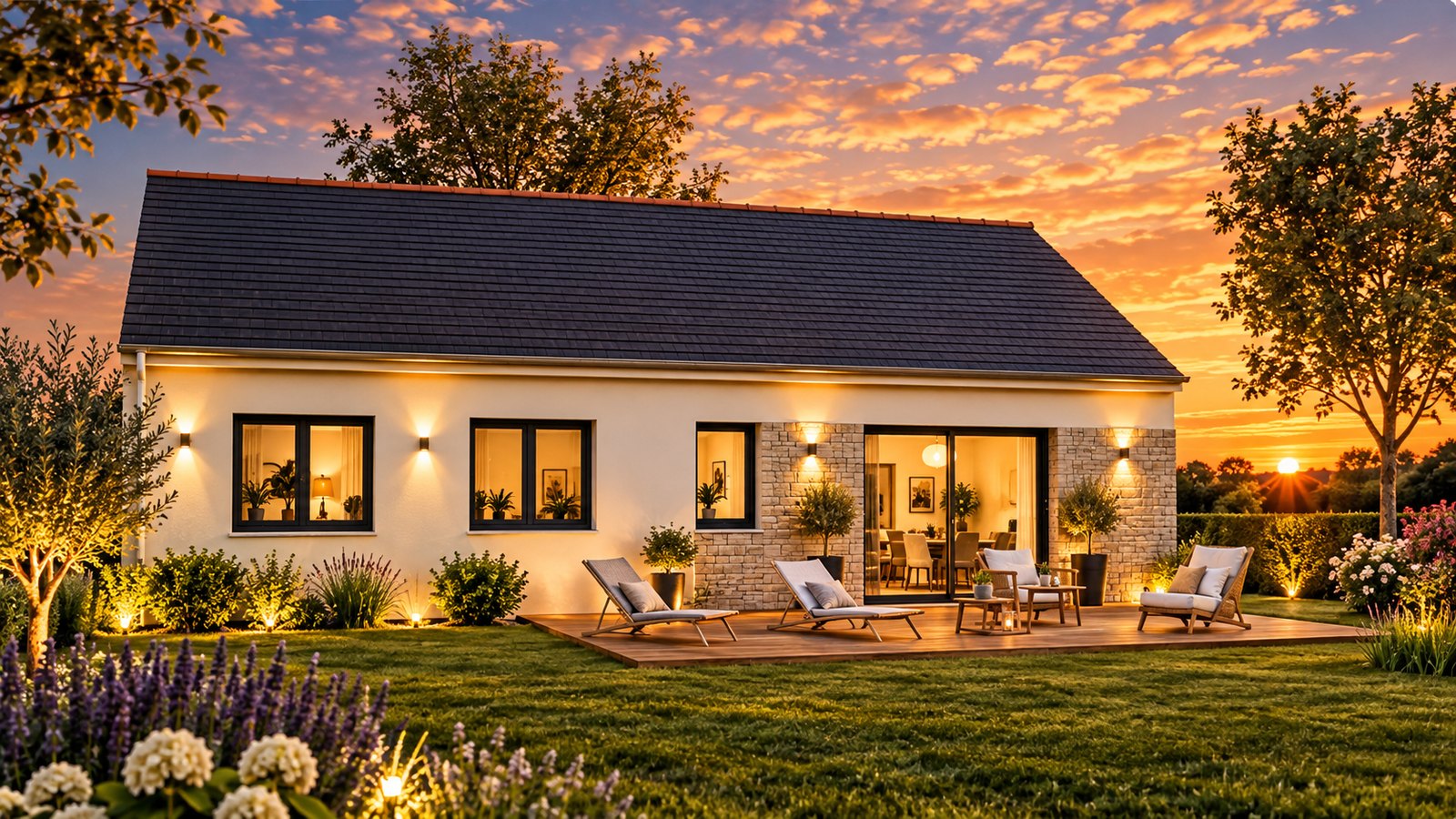
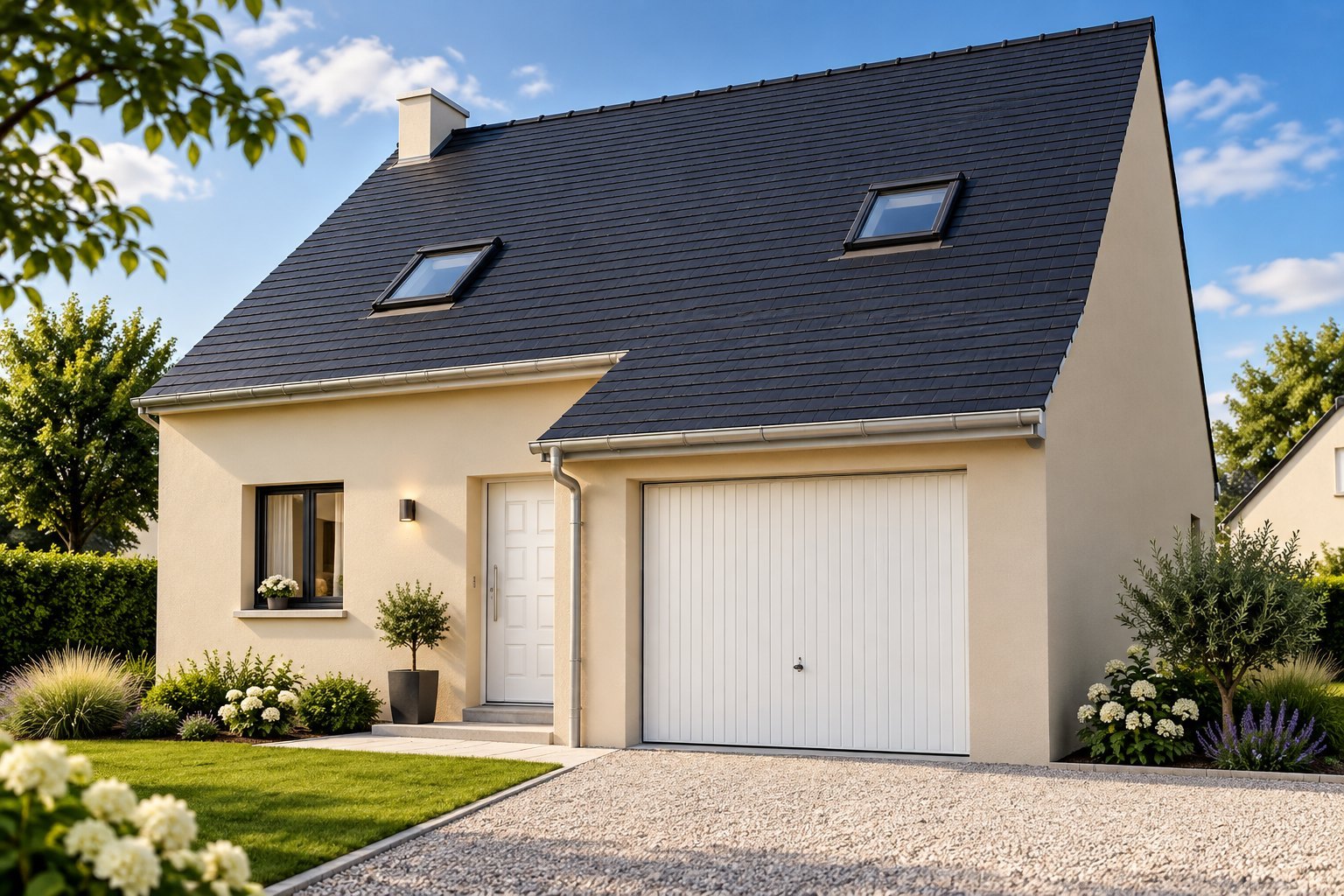
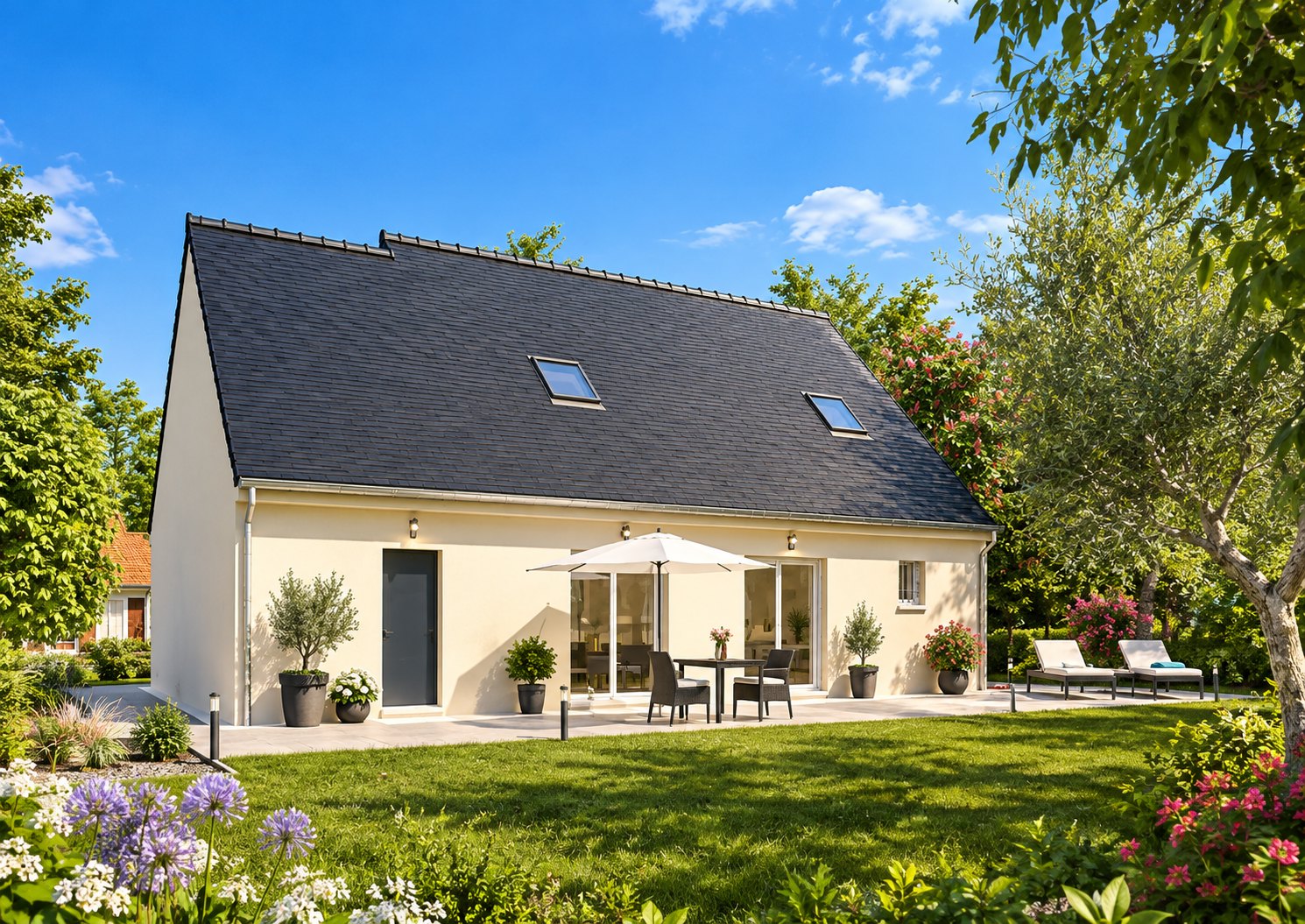
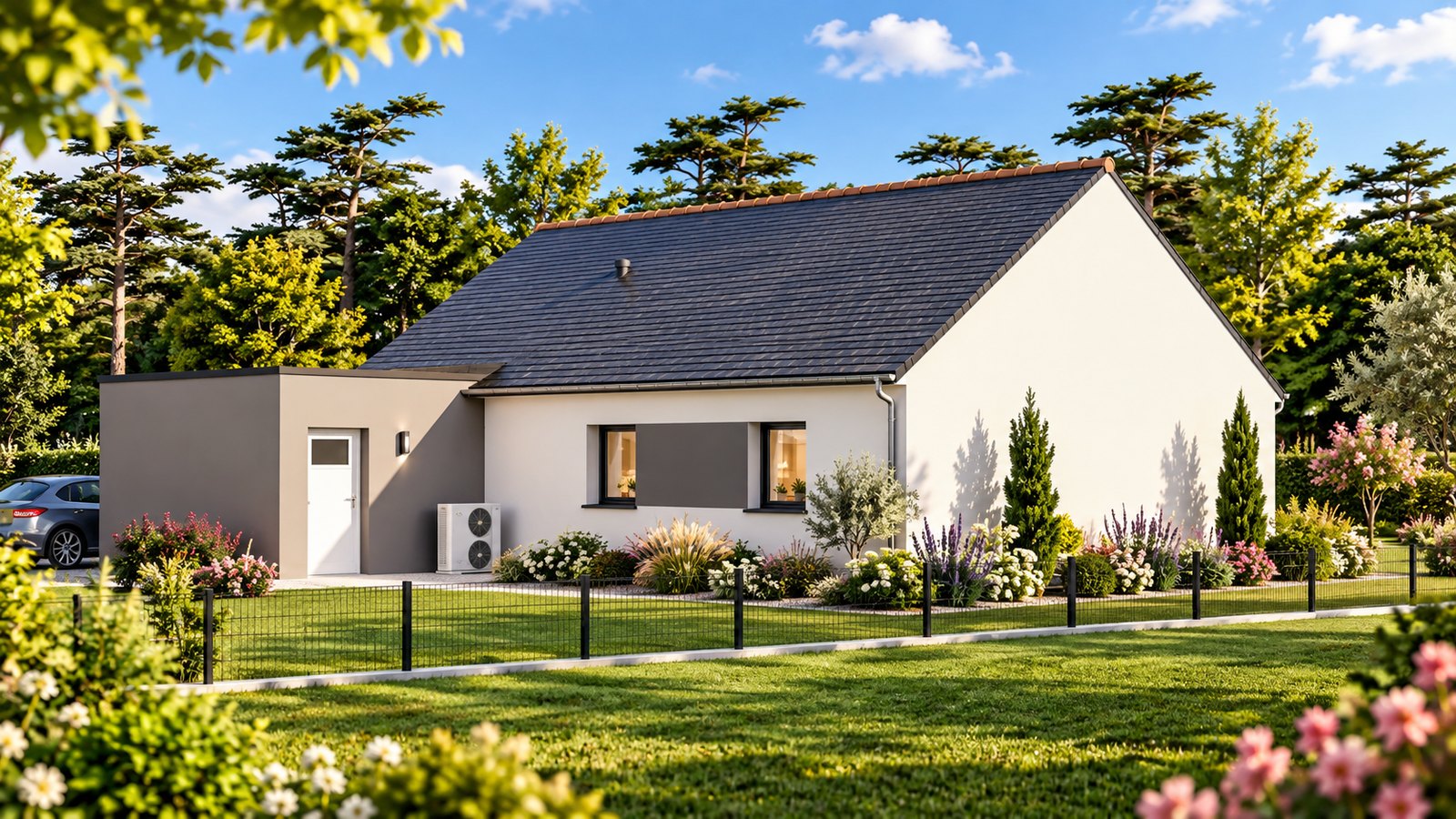
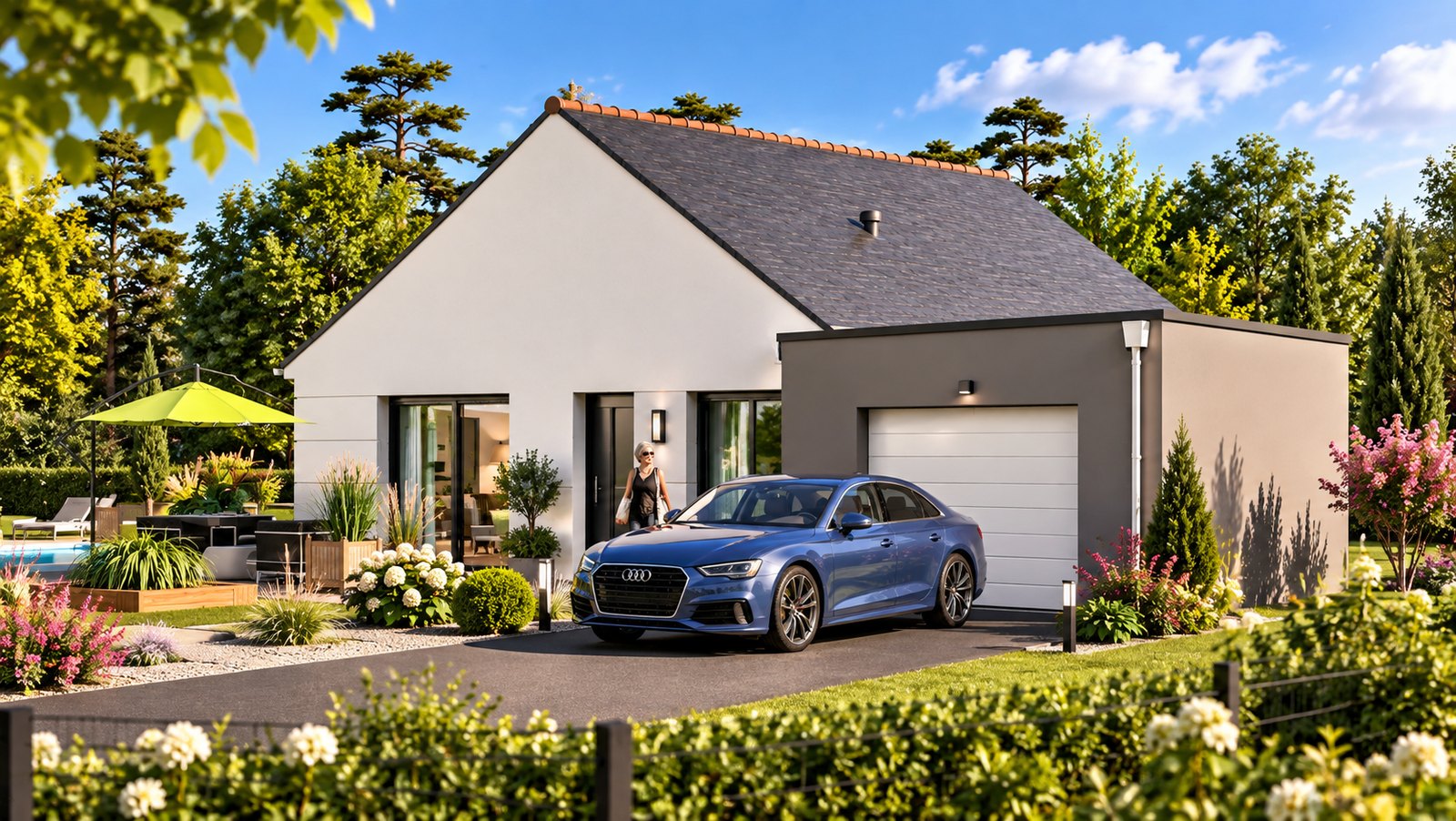
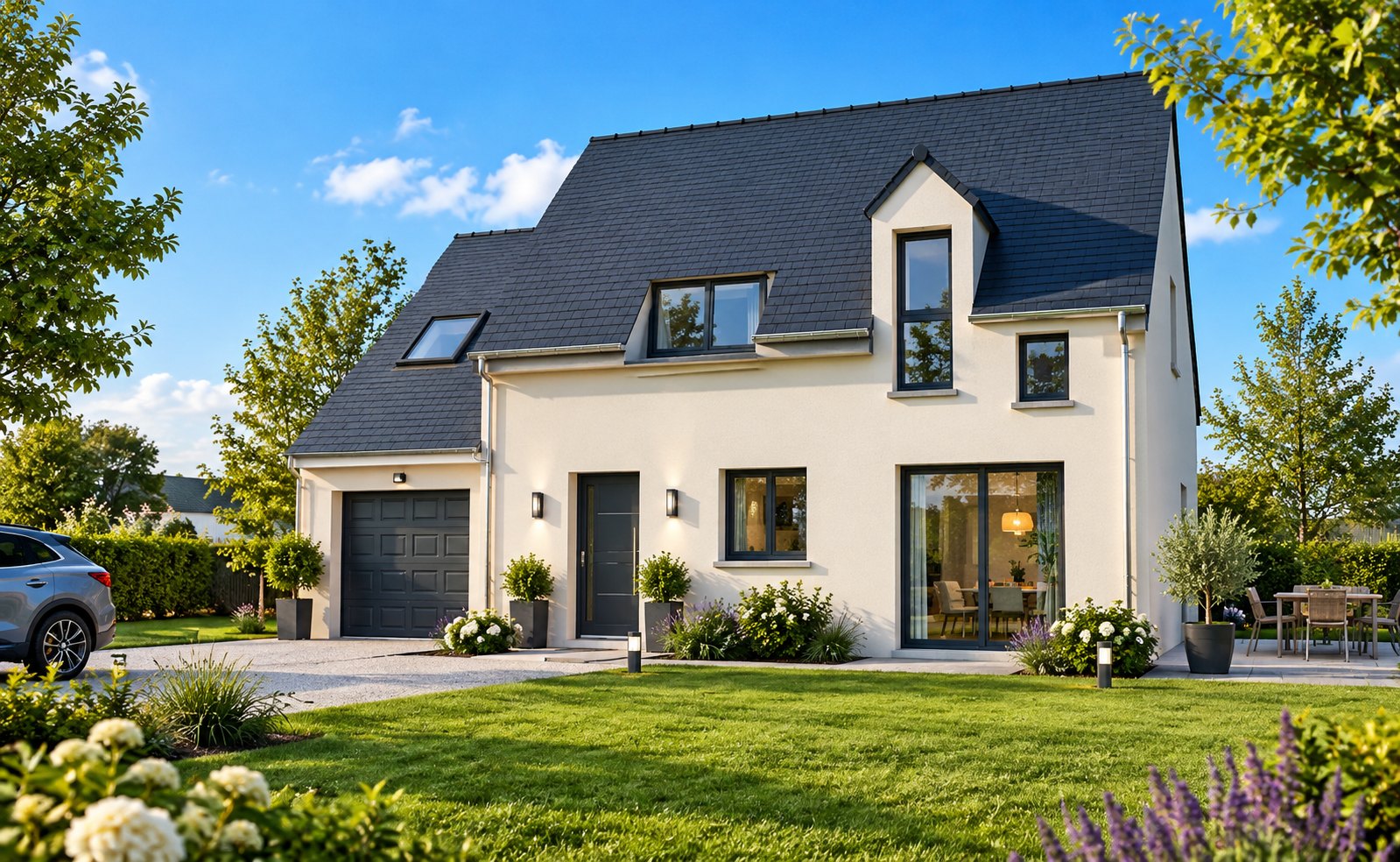
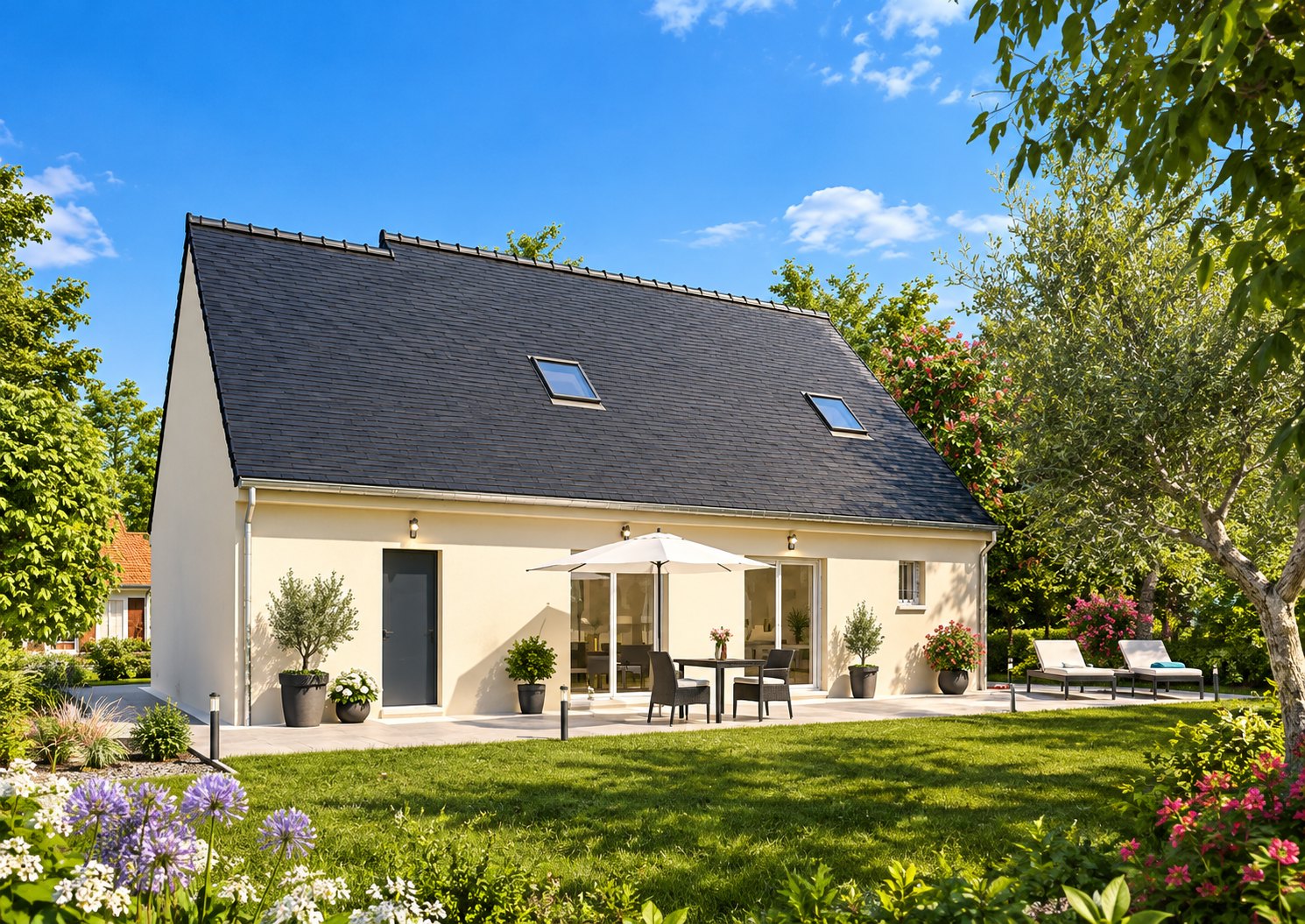
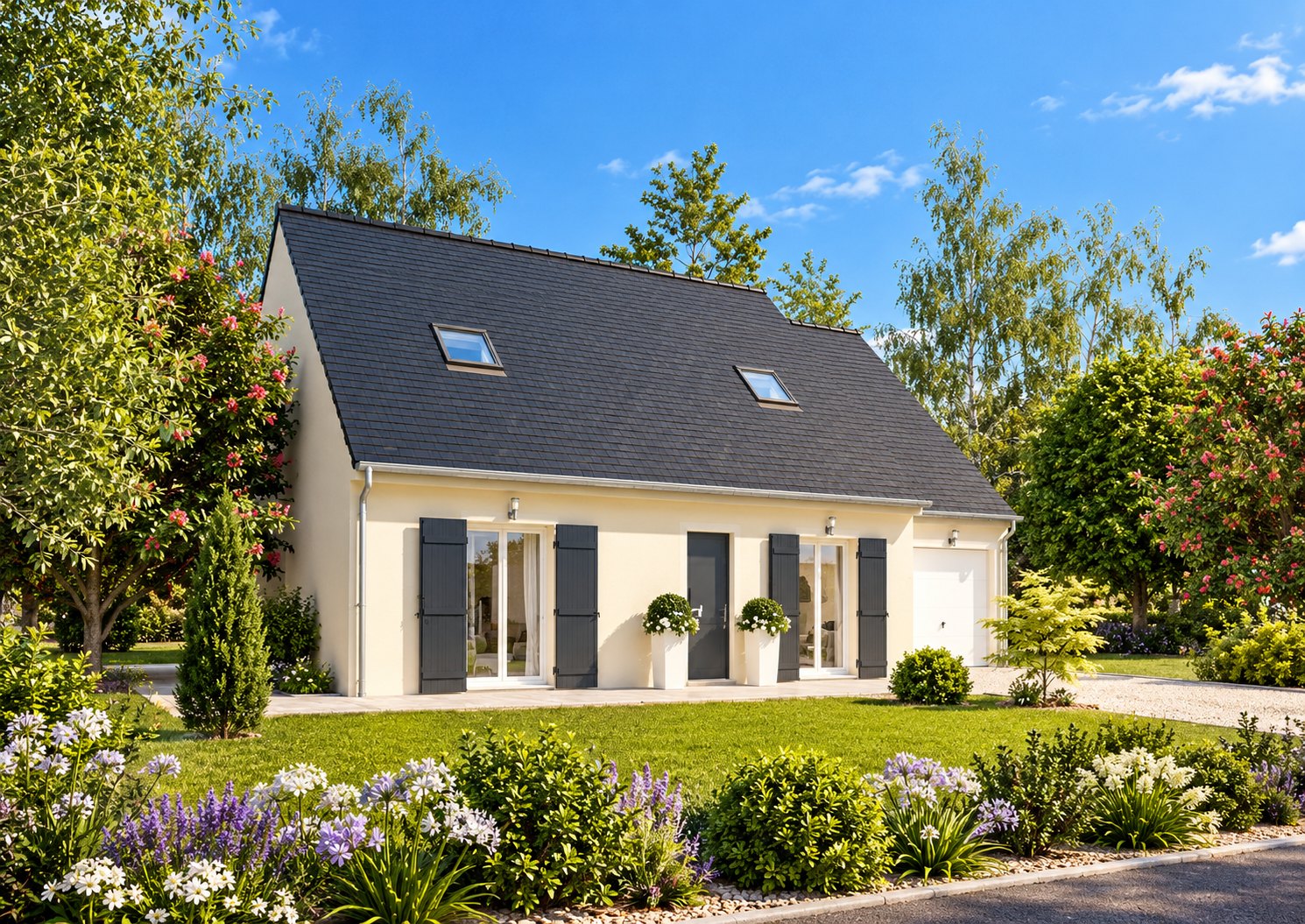
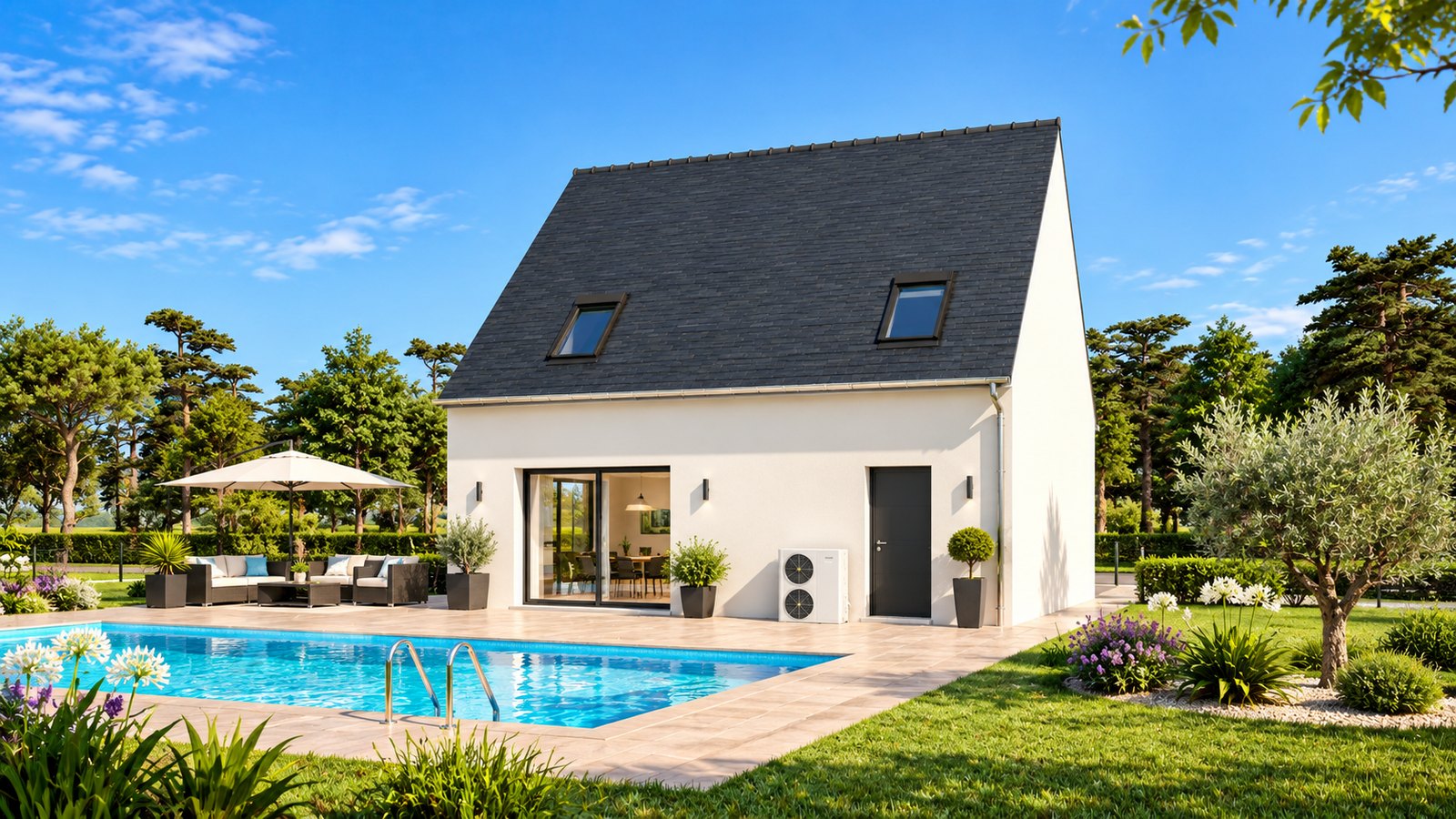
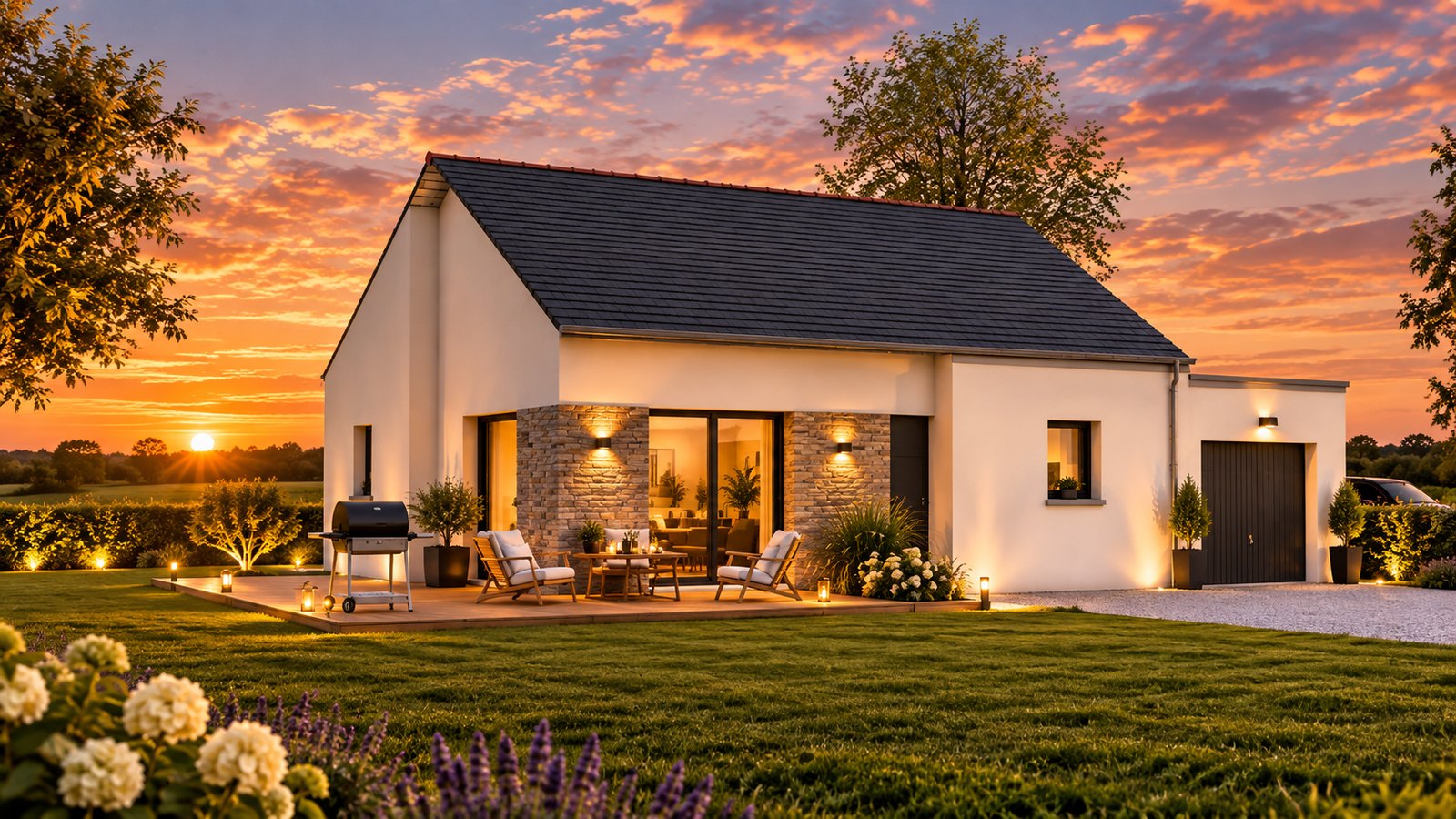
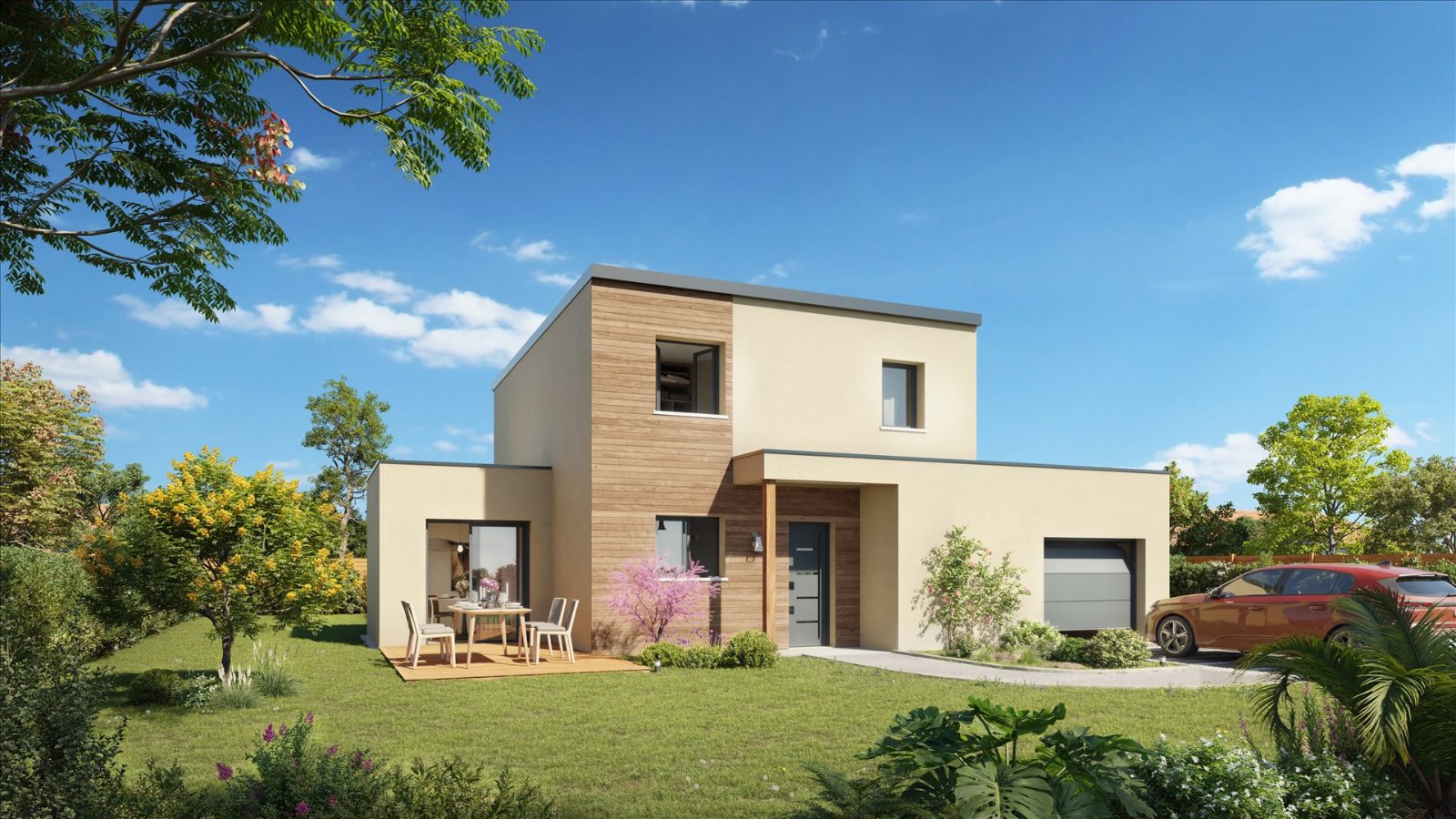
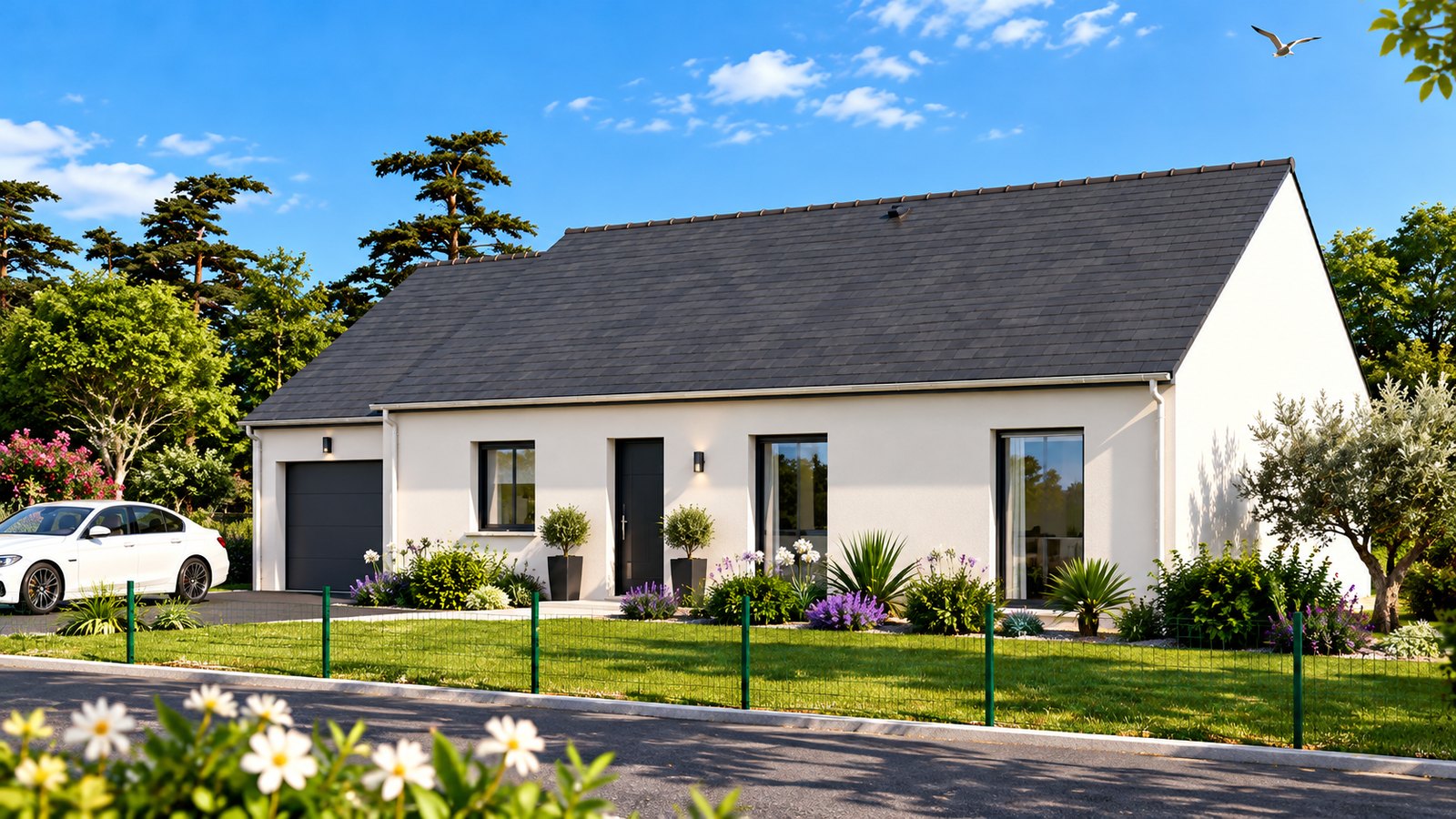
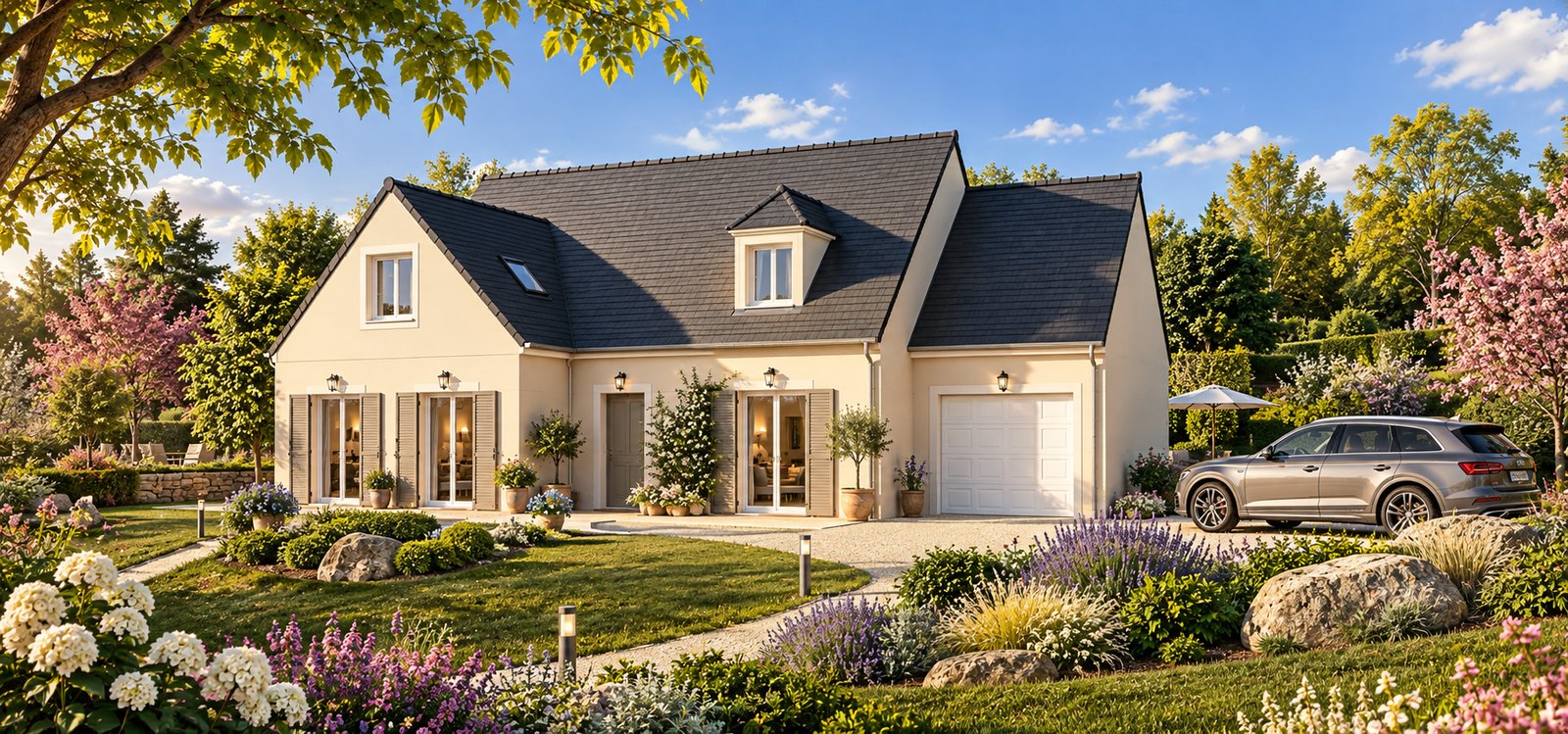
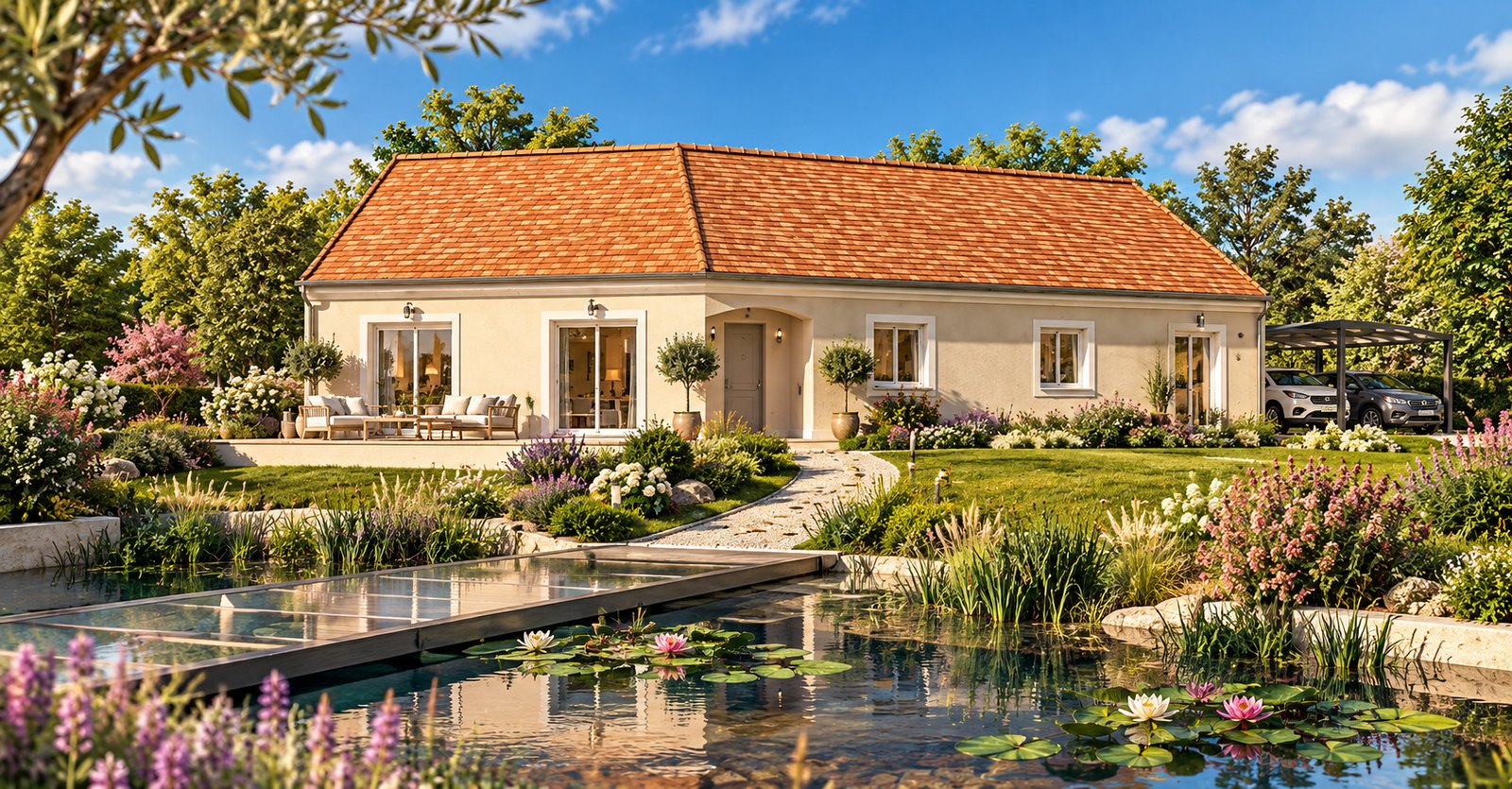
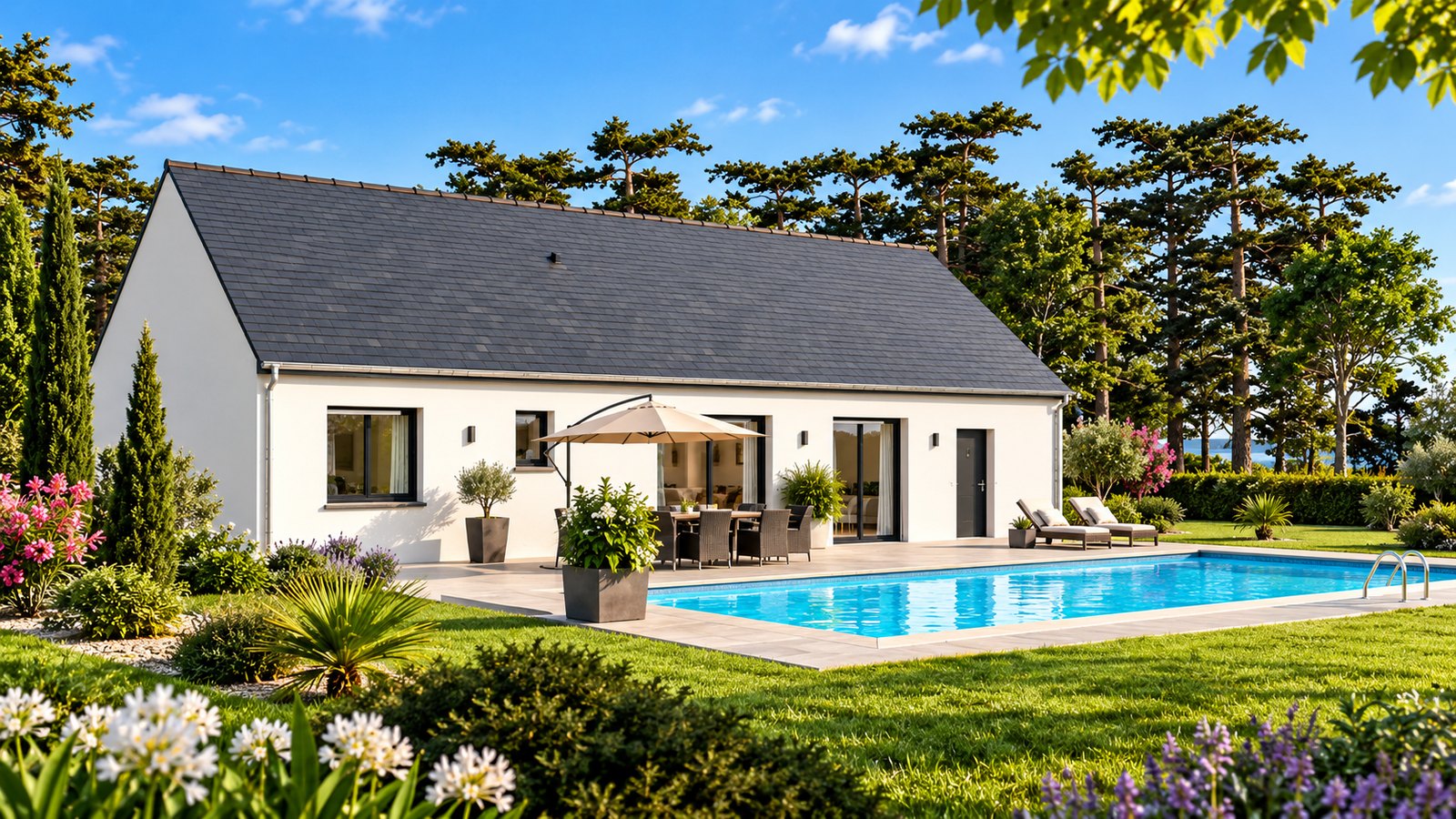
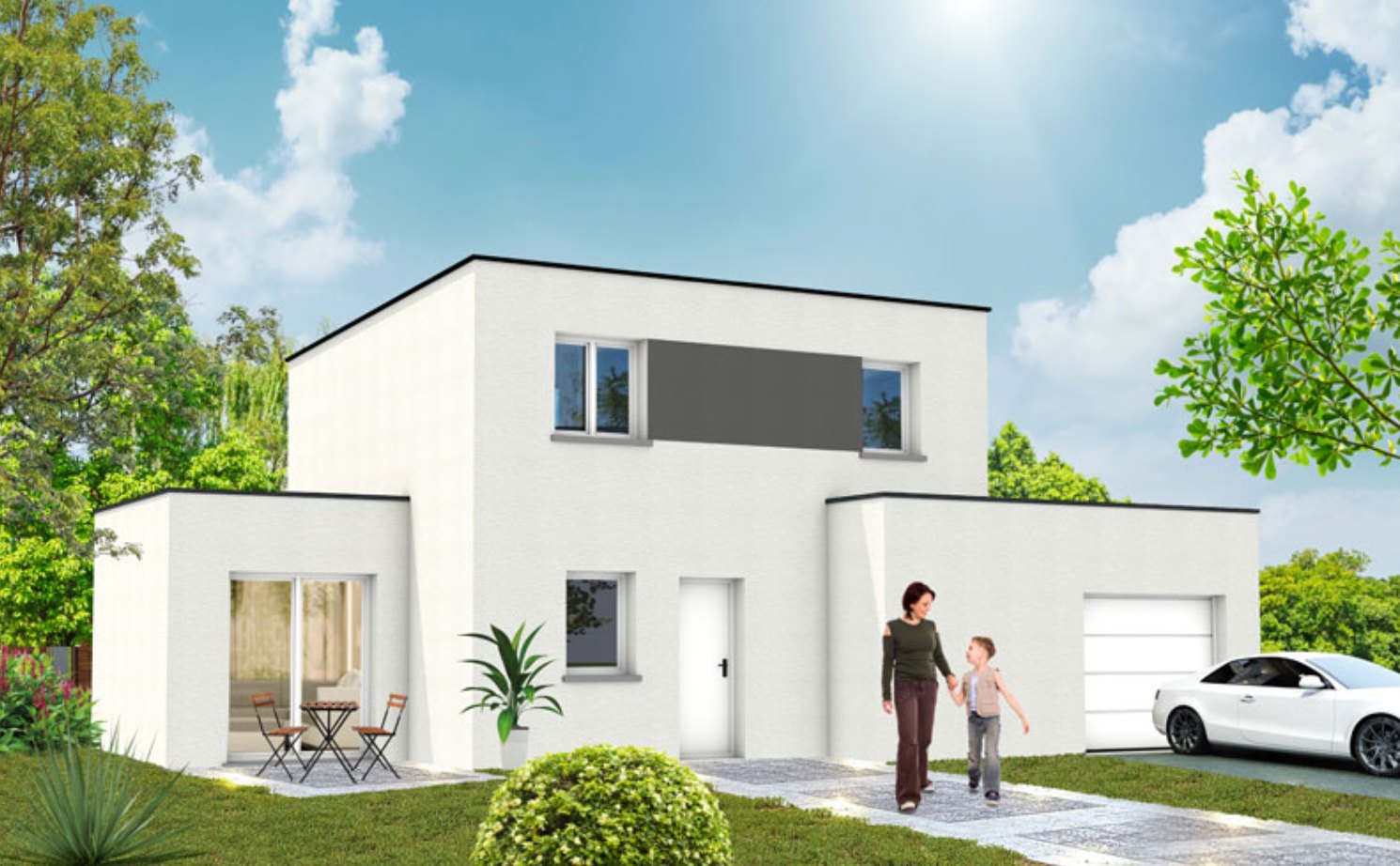
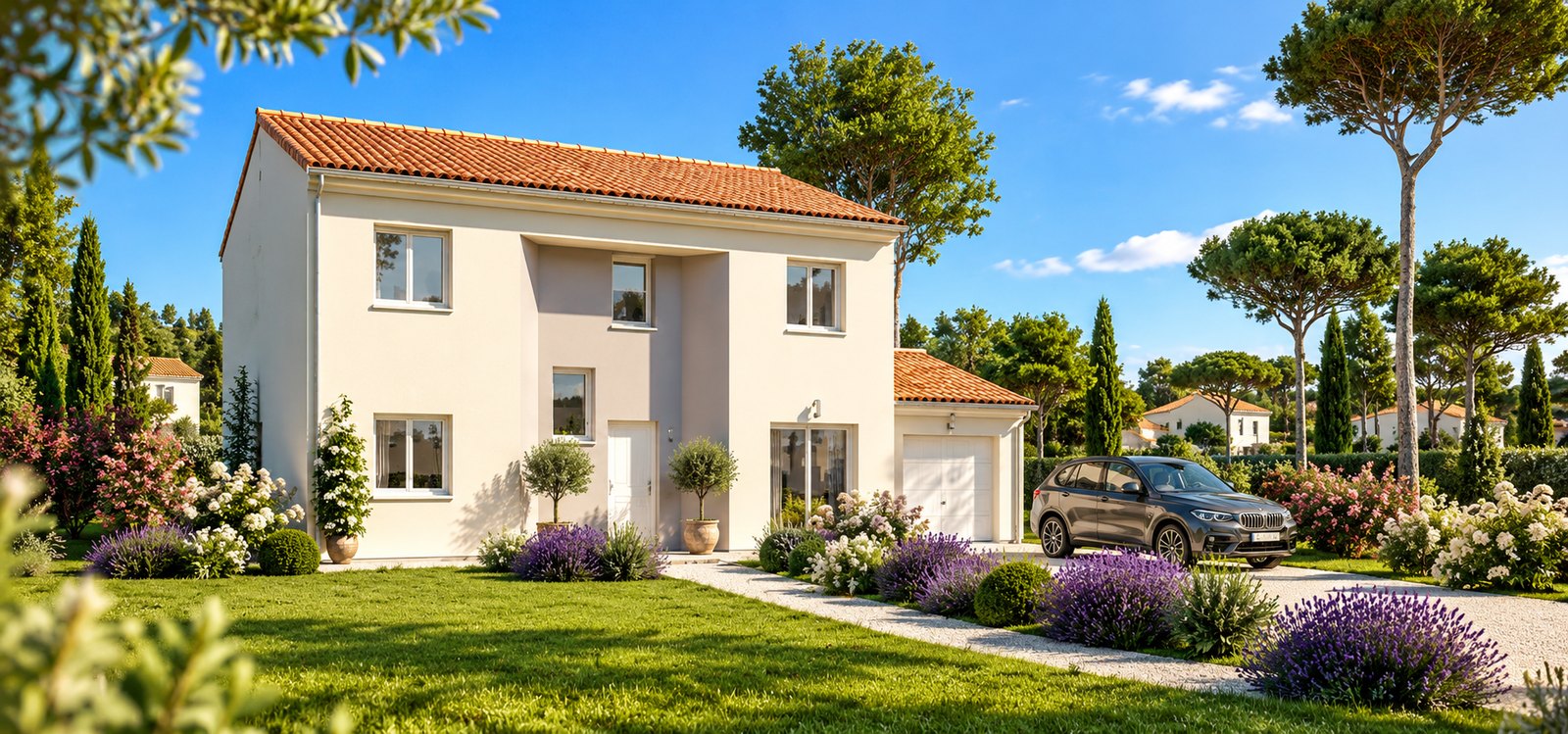
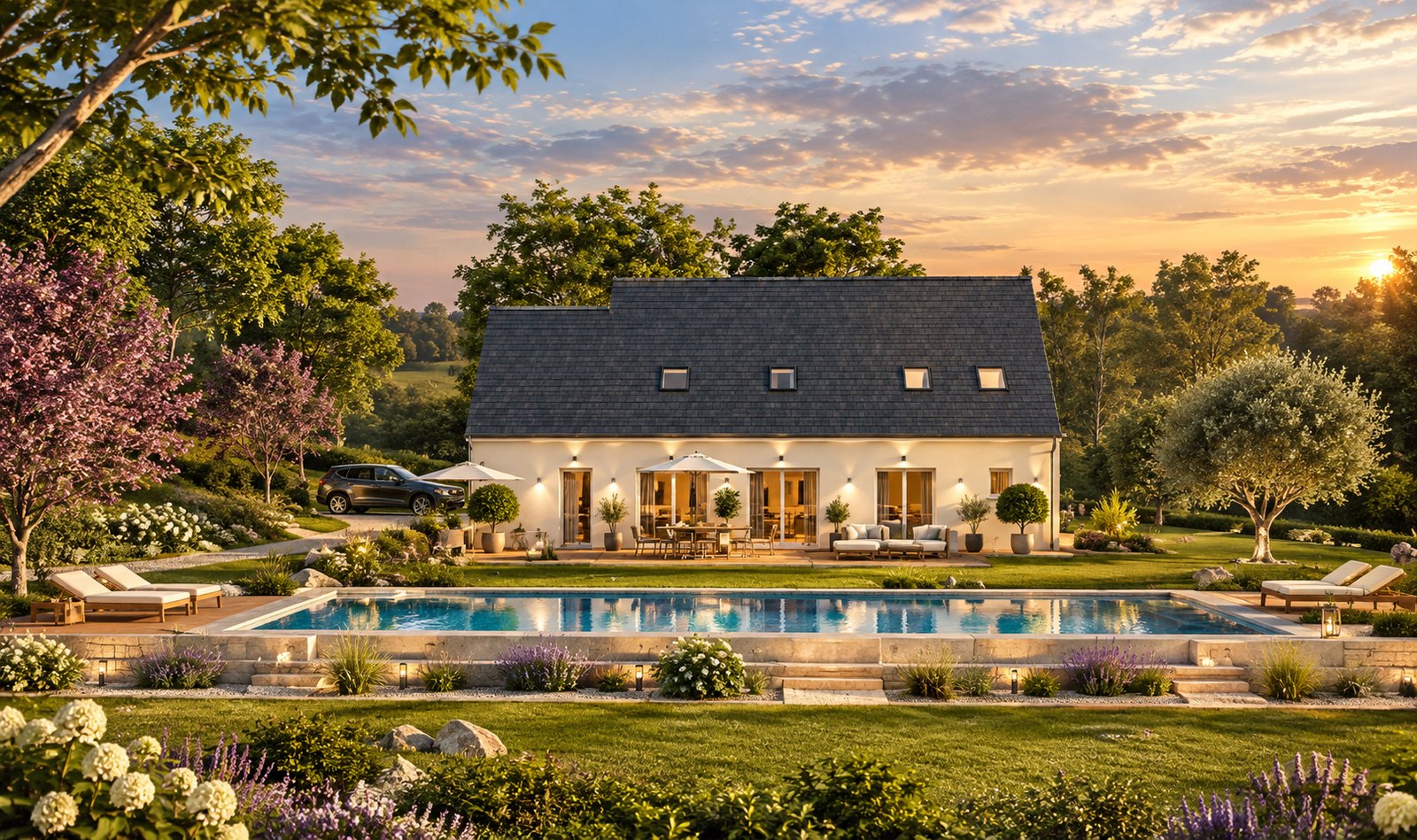
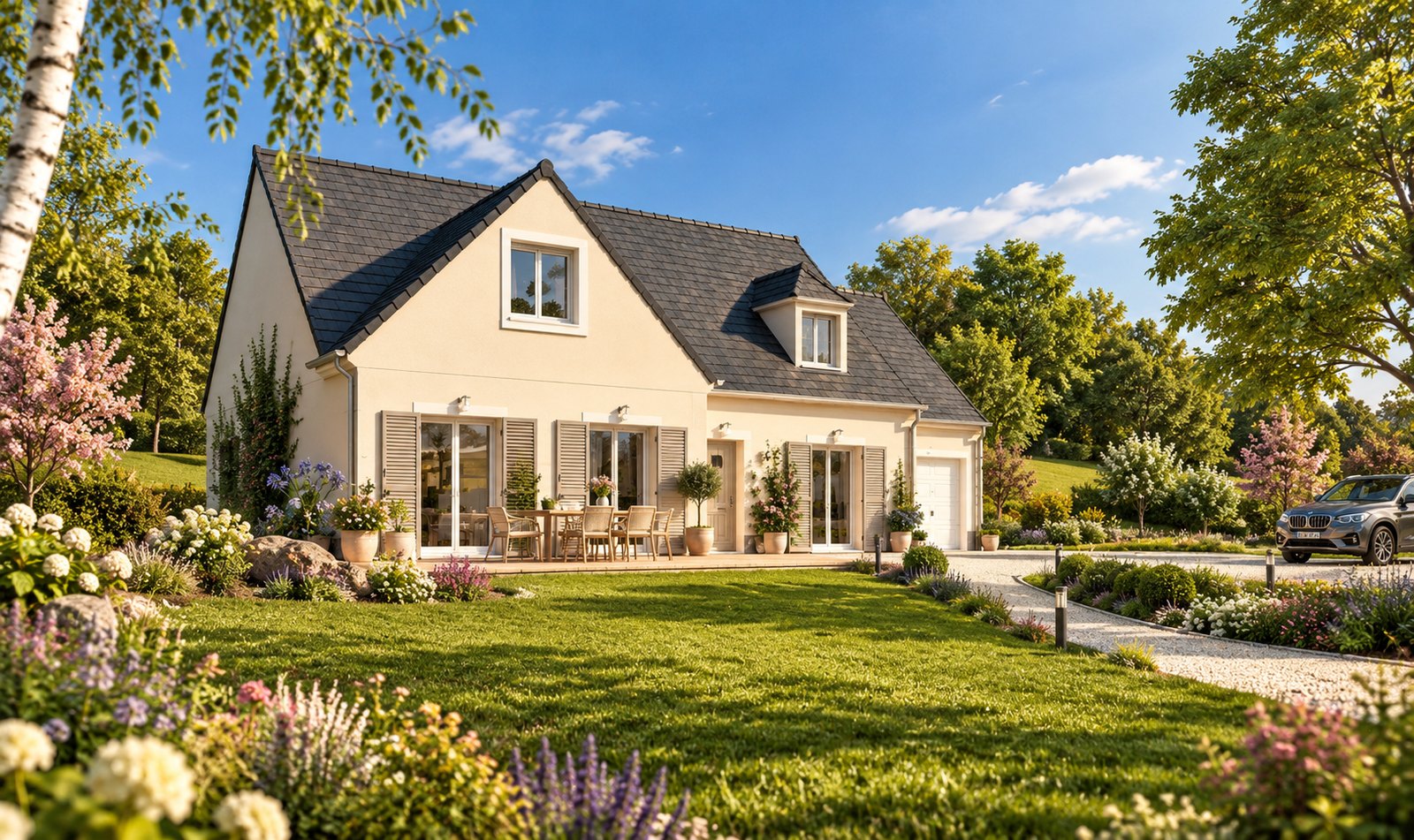
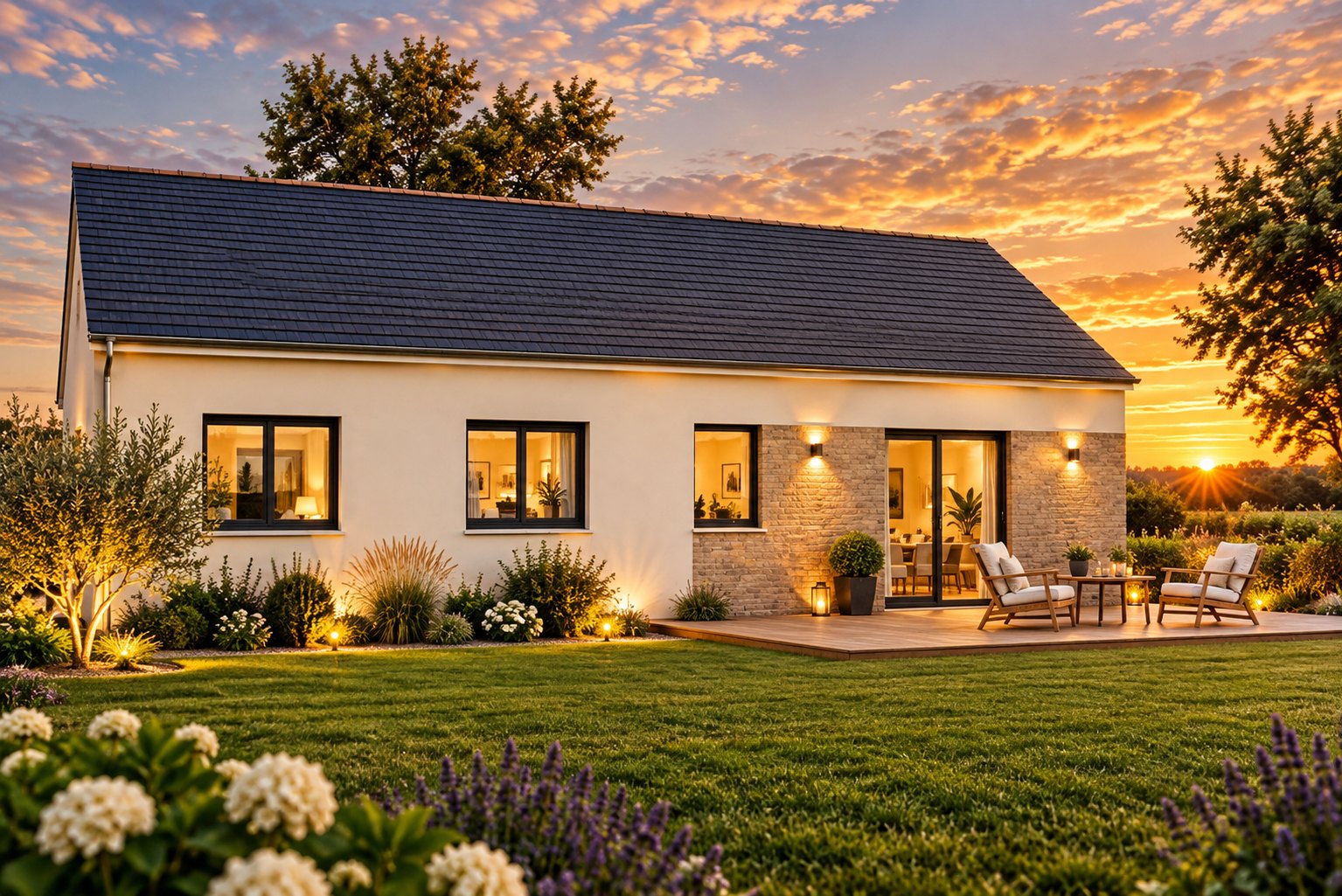
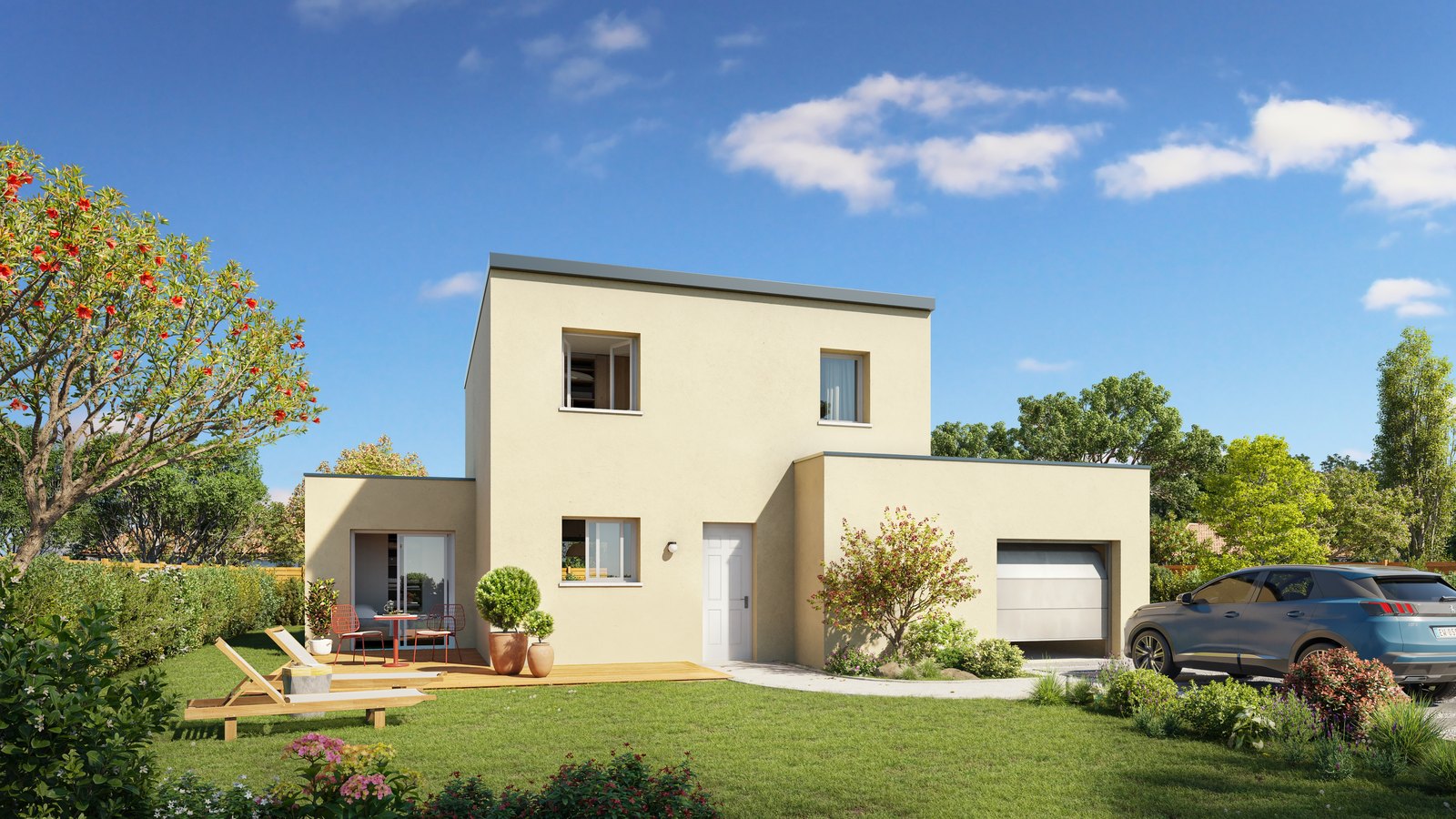
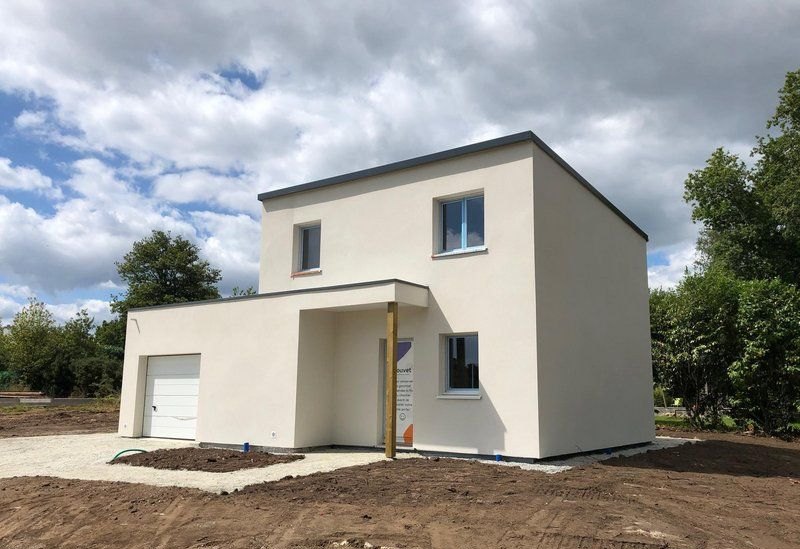
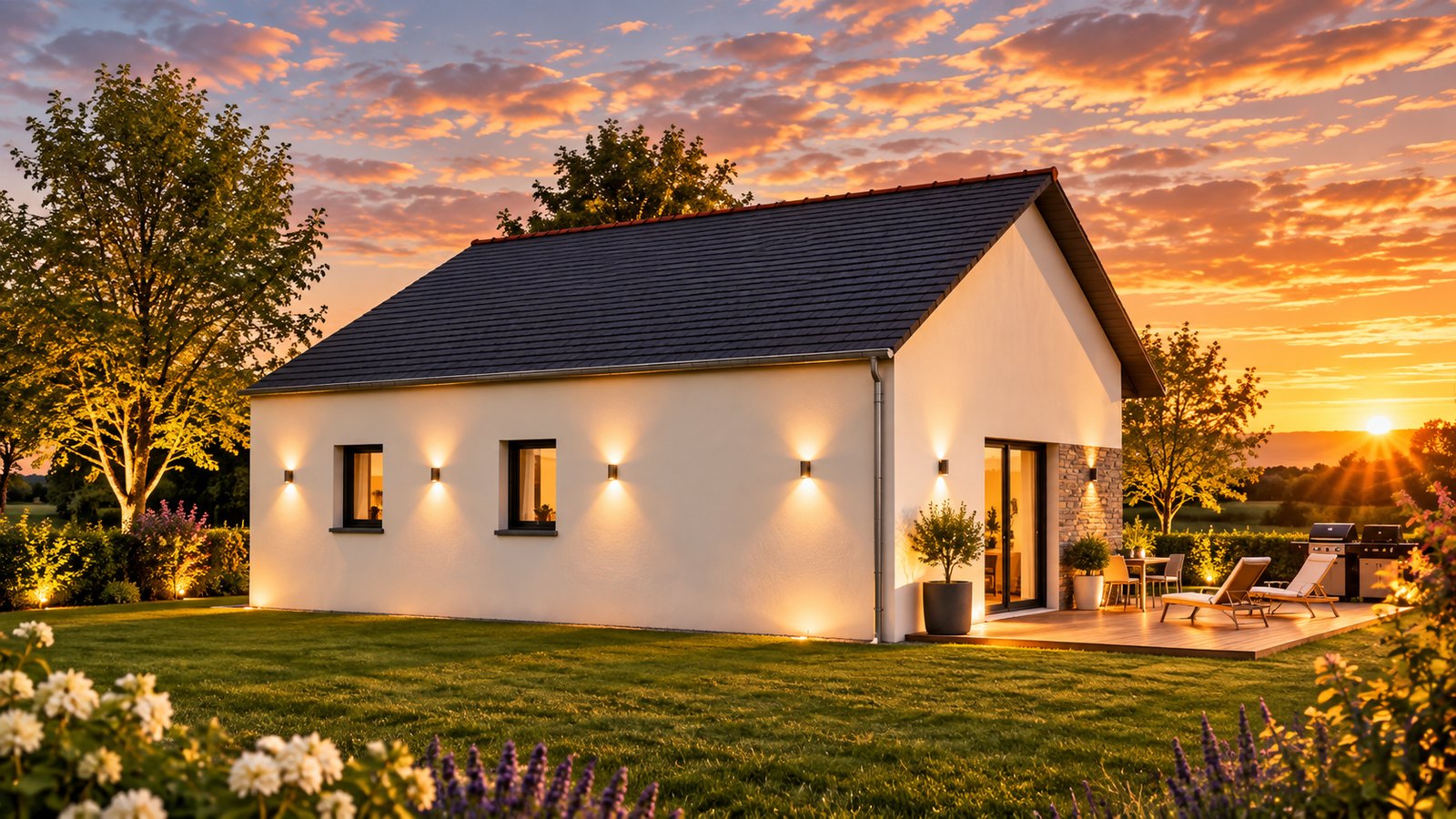
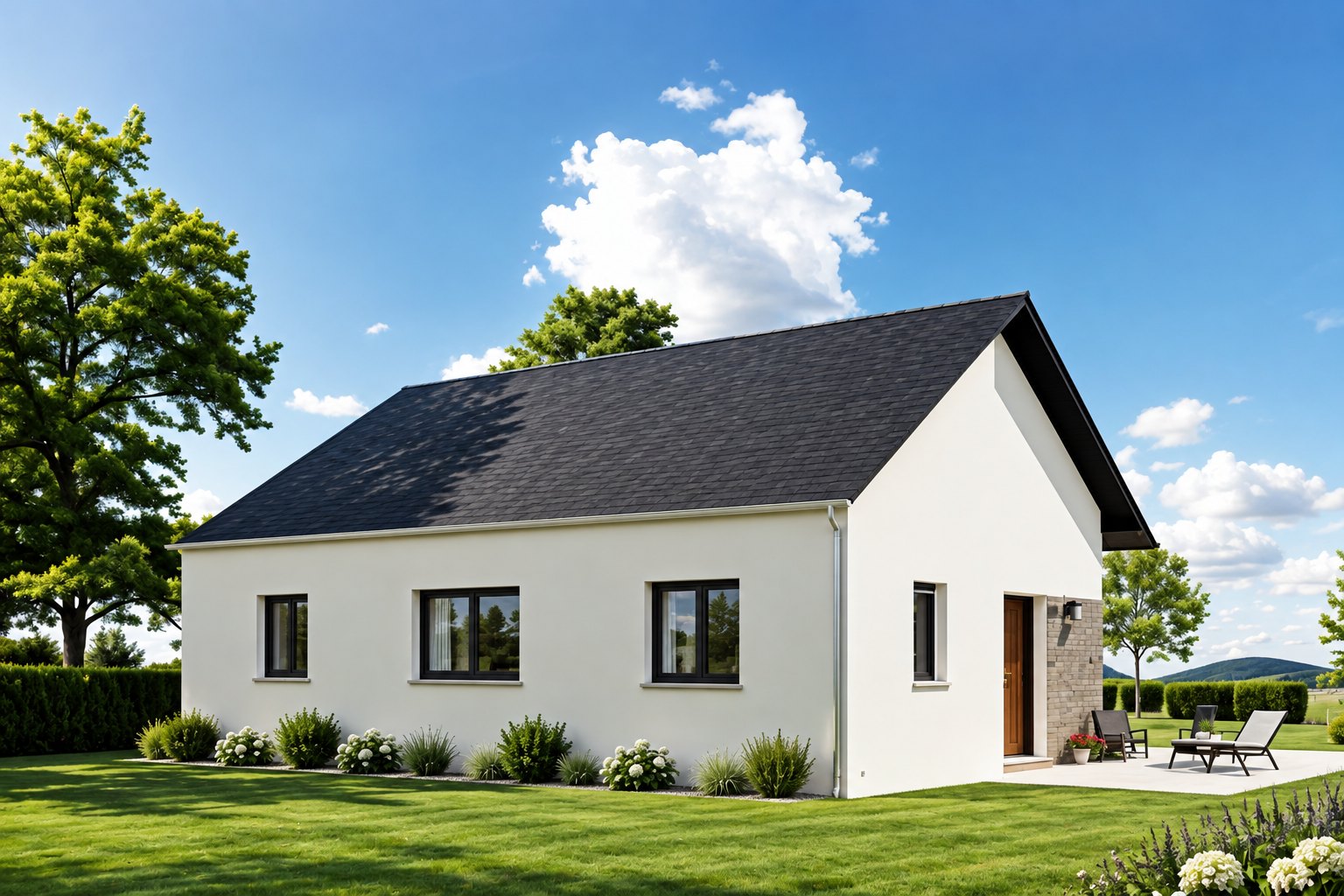
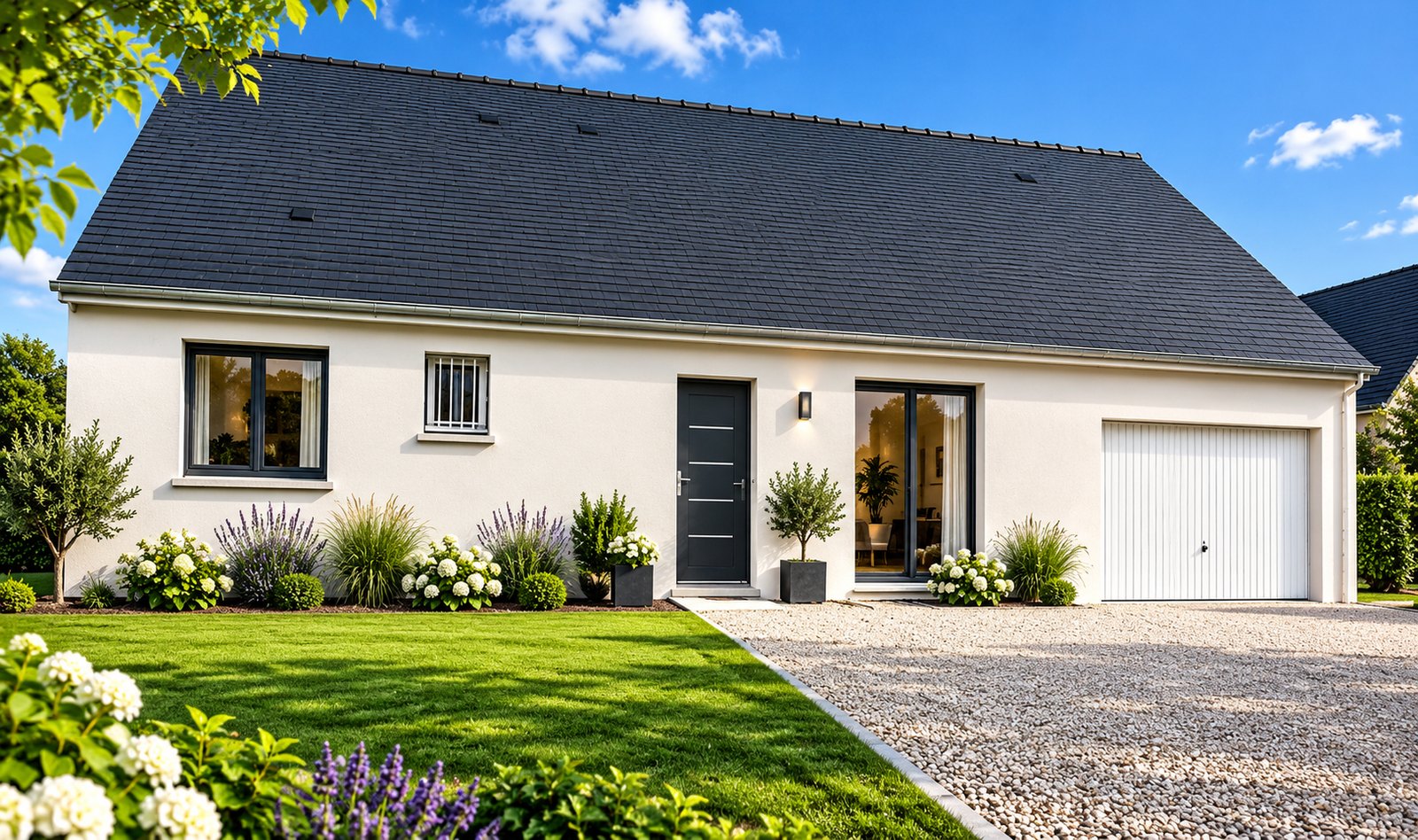
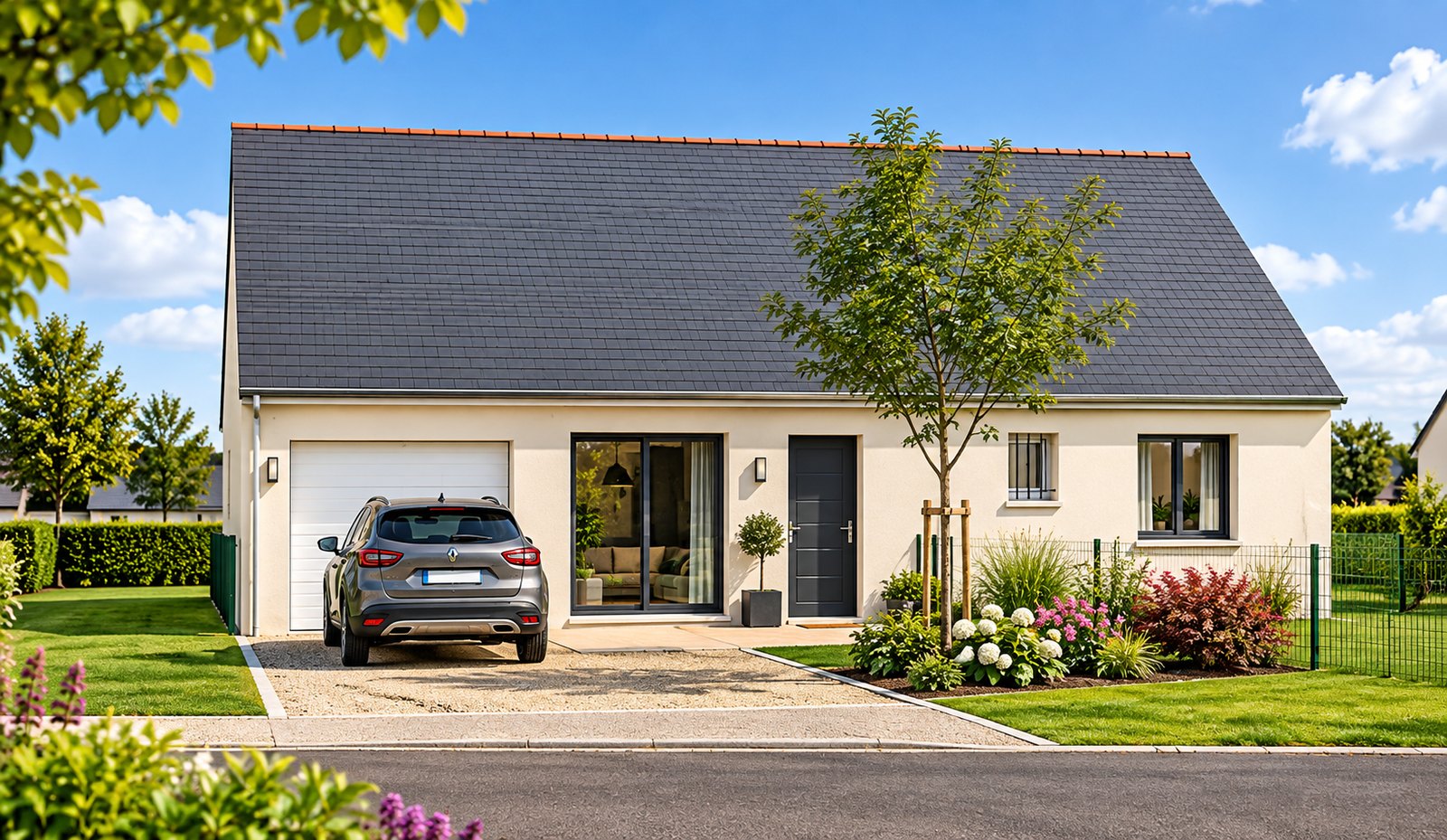
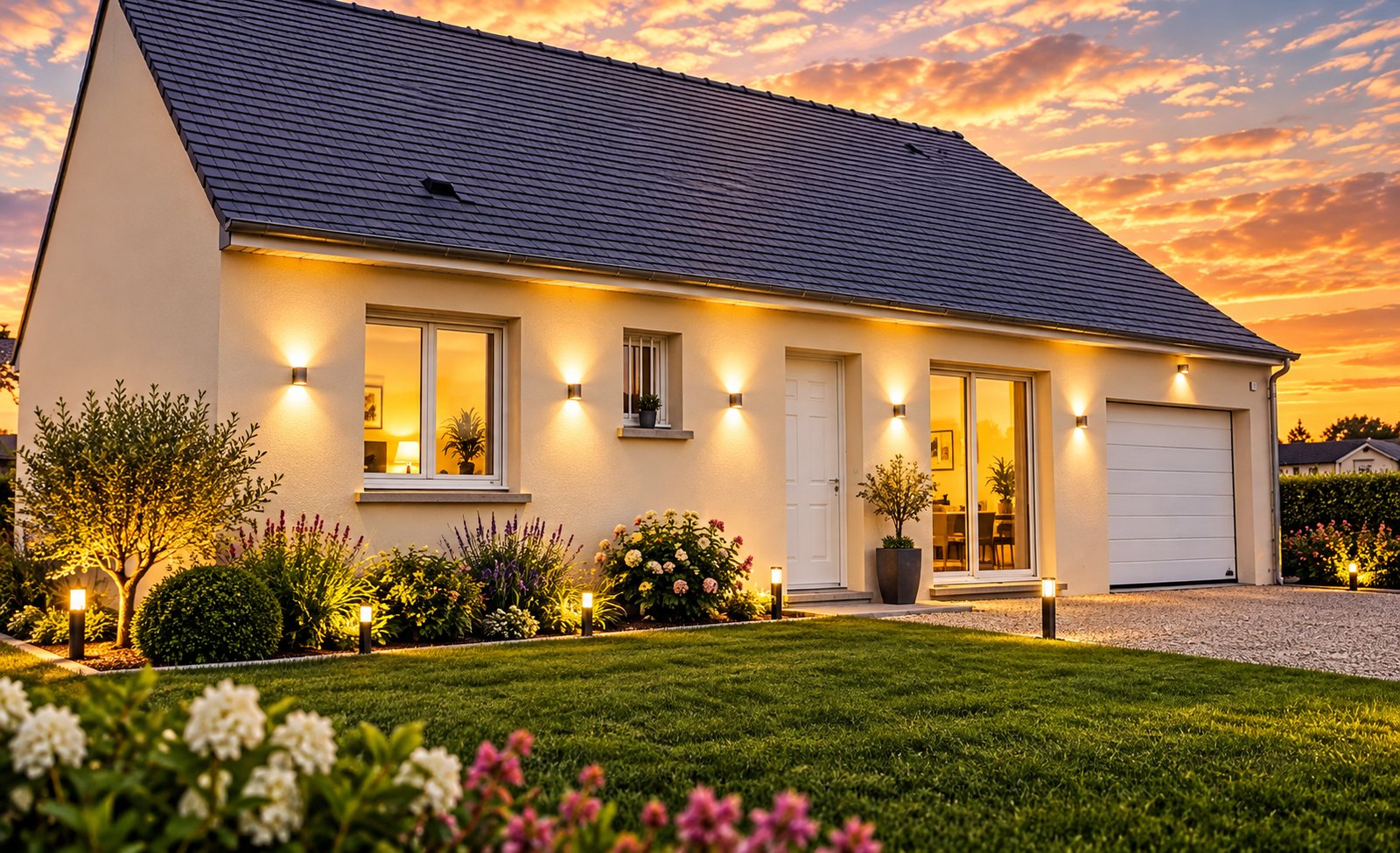
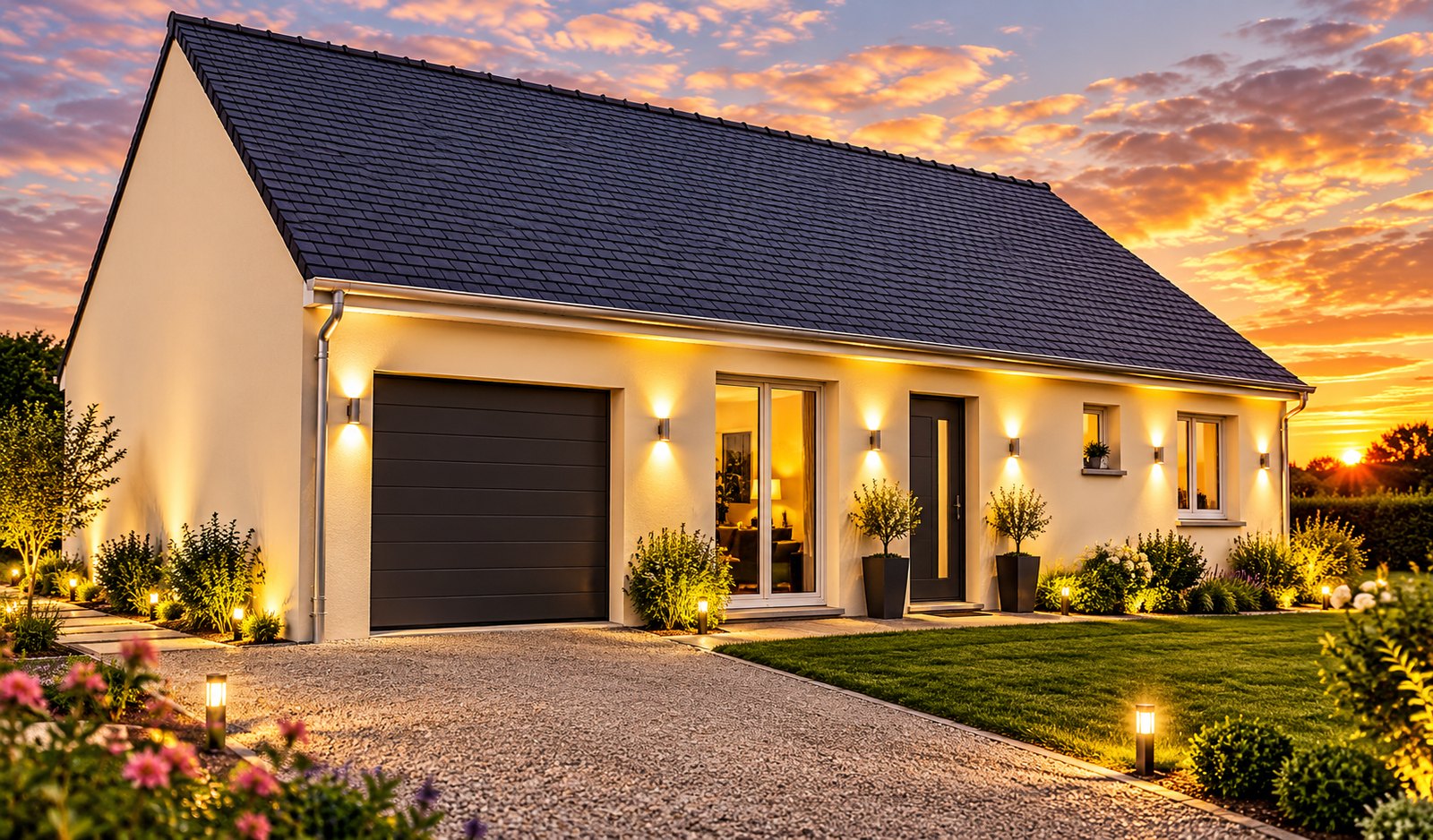
The price gap between the two is the single most useful thing to understand about buying here. Inland, a brand new three-bedroom bungalow on its own plot starts at around €182,000 all in. On the coast, the same house costs very considerably more, because the land does. Half an hour of driving is worth a great deal of money.
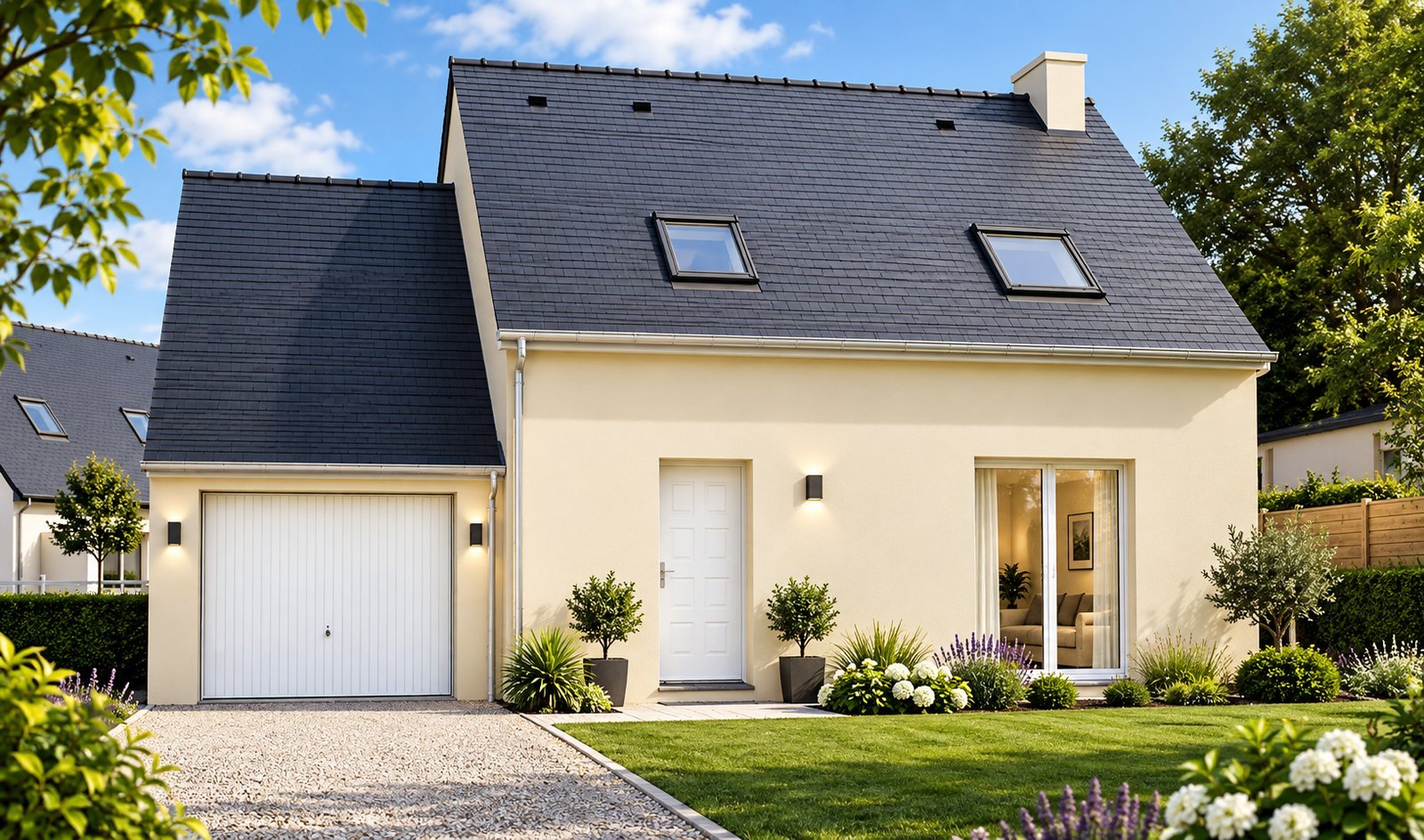
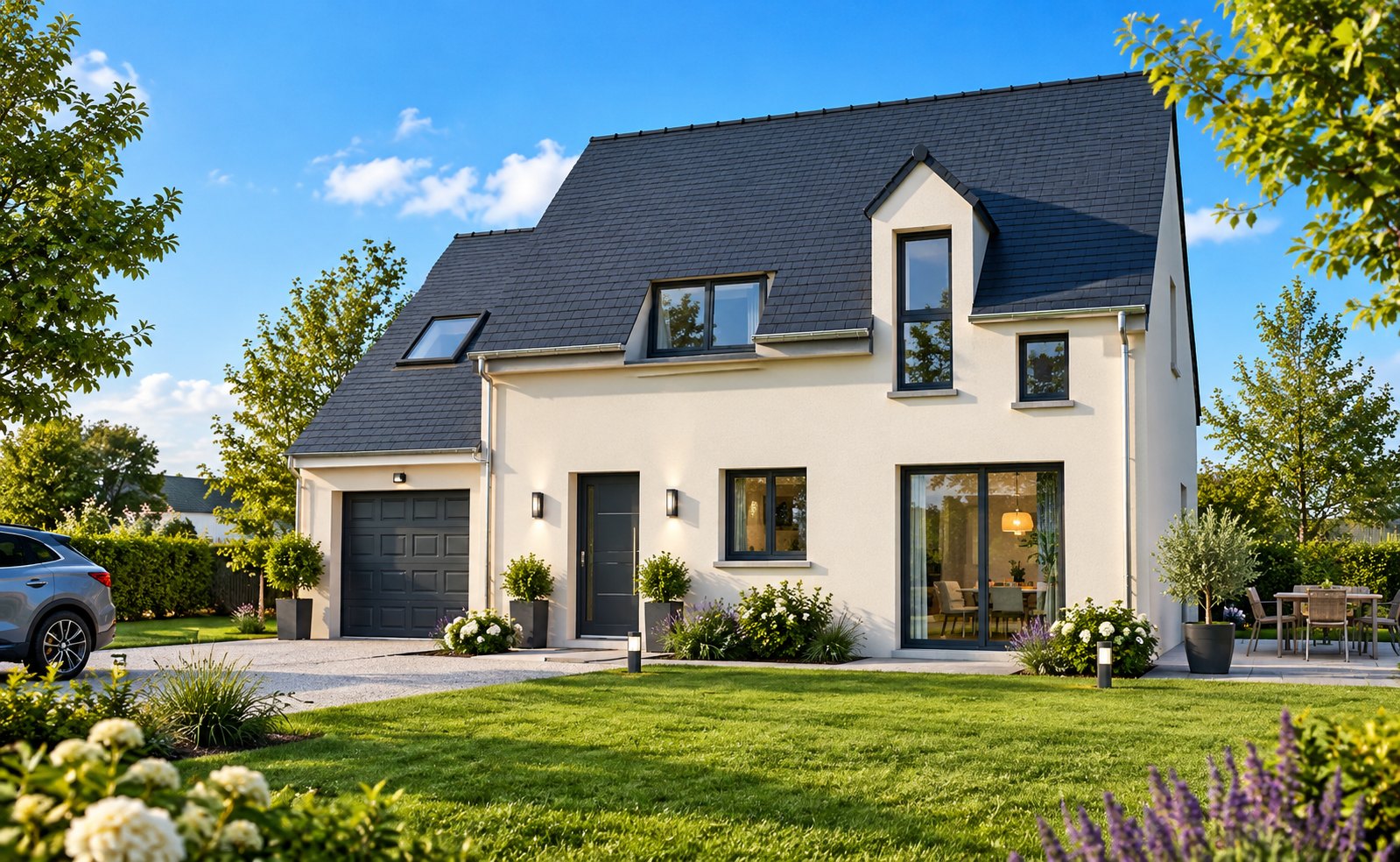
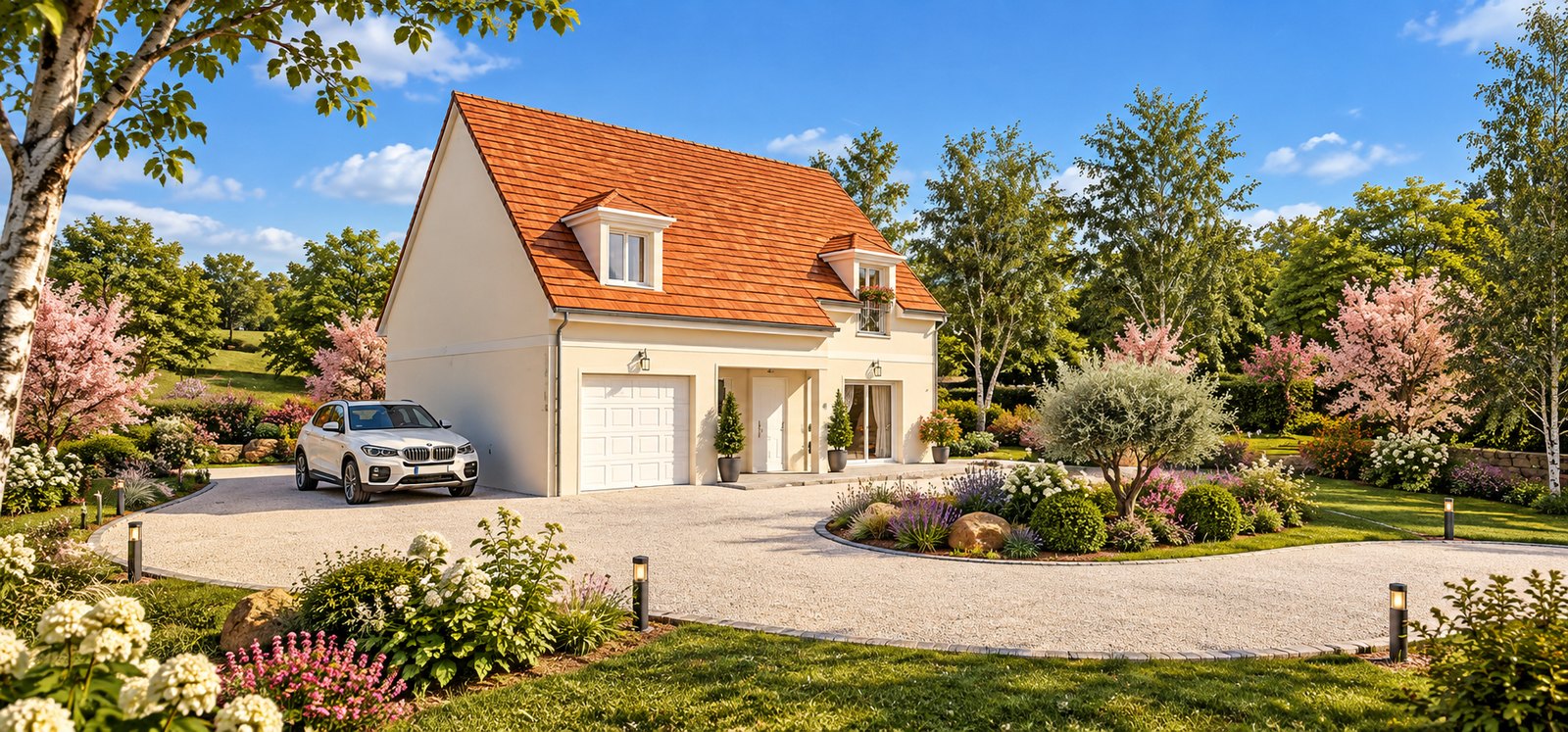
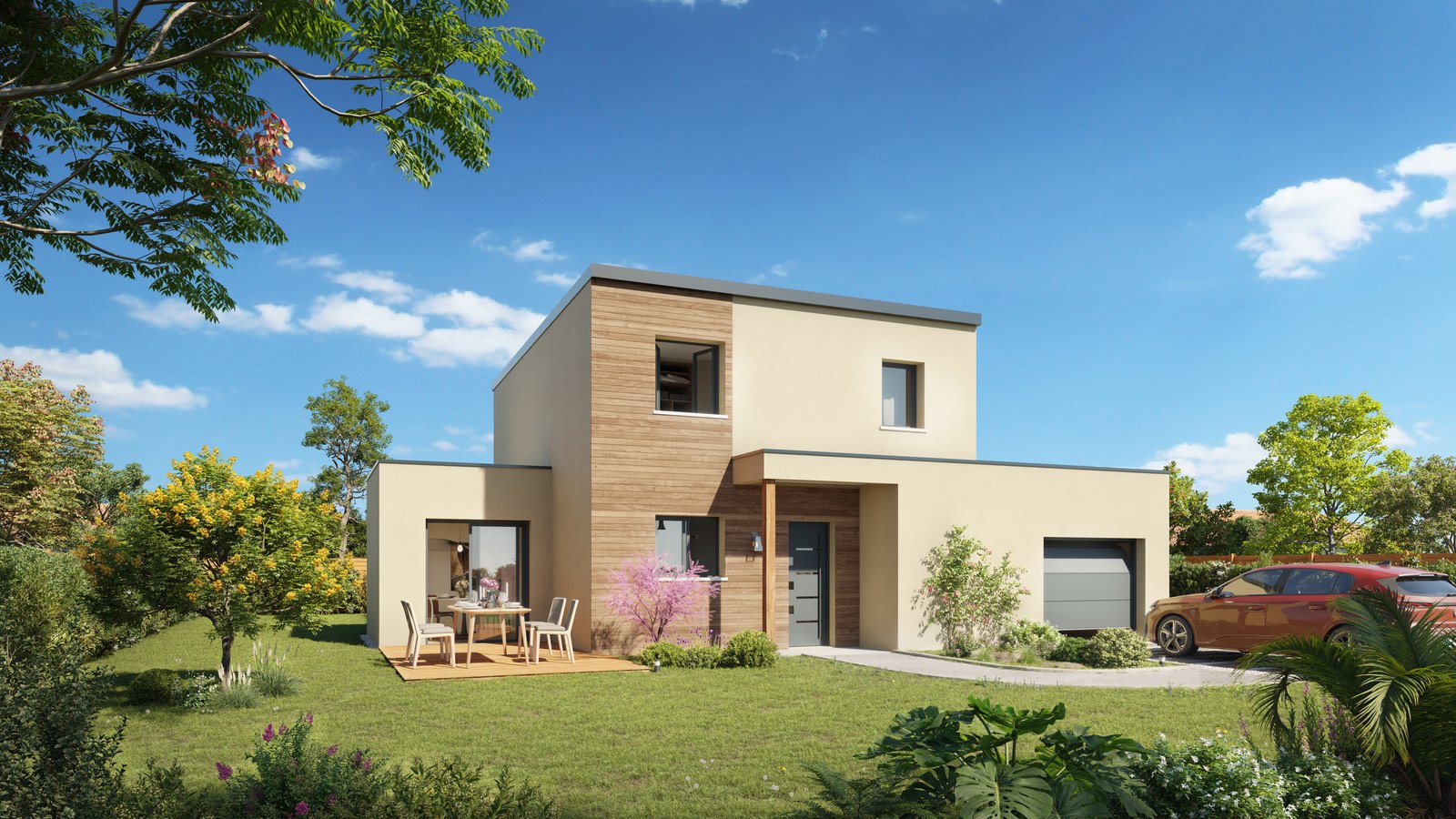
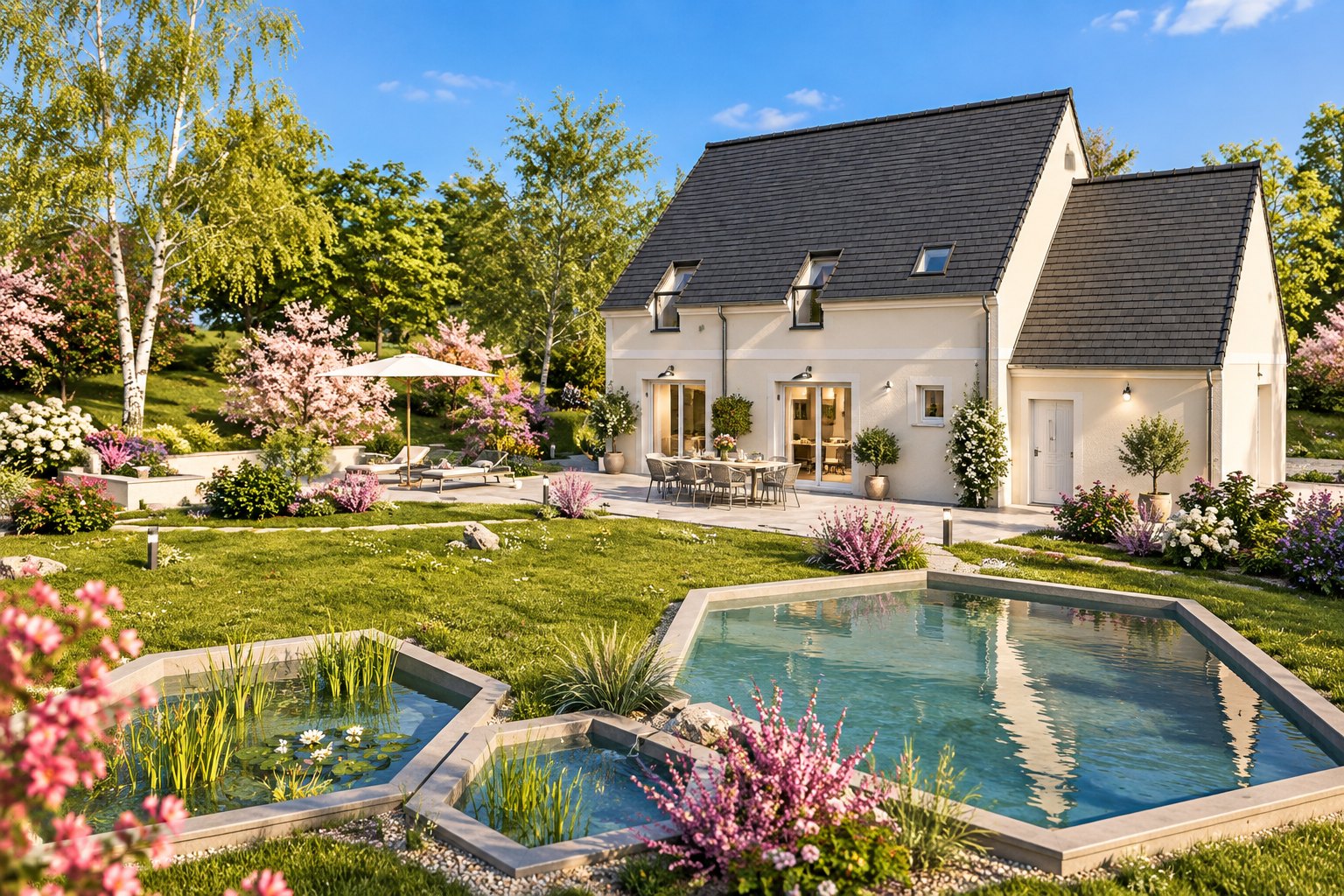
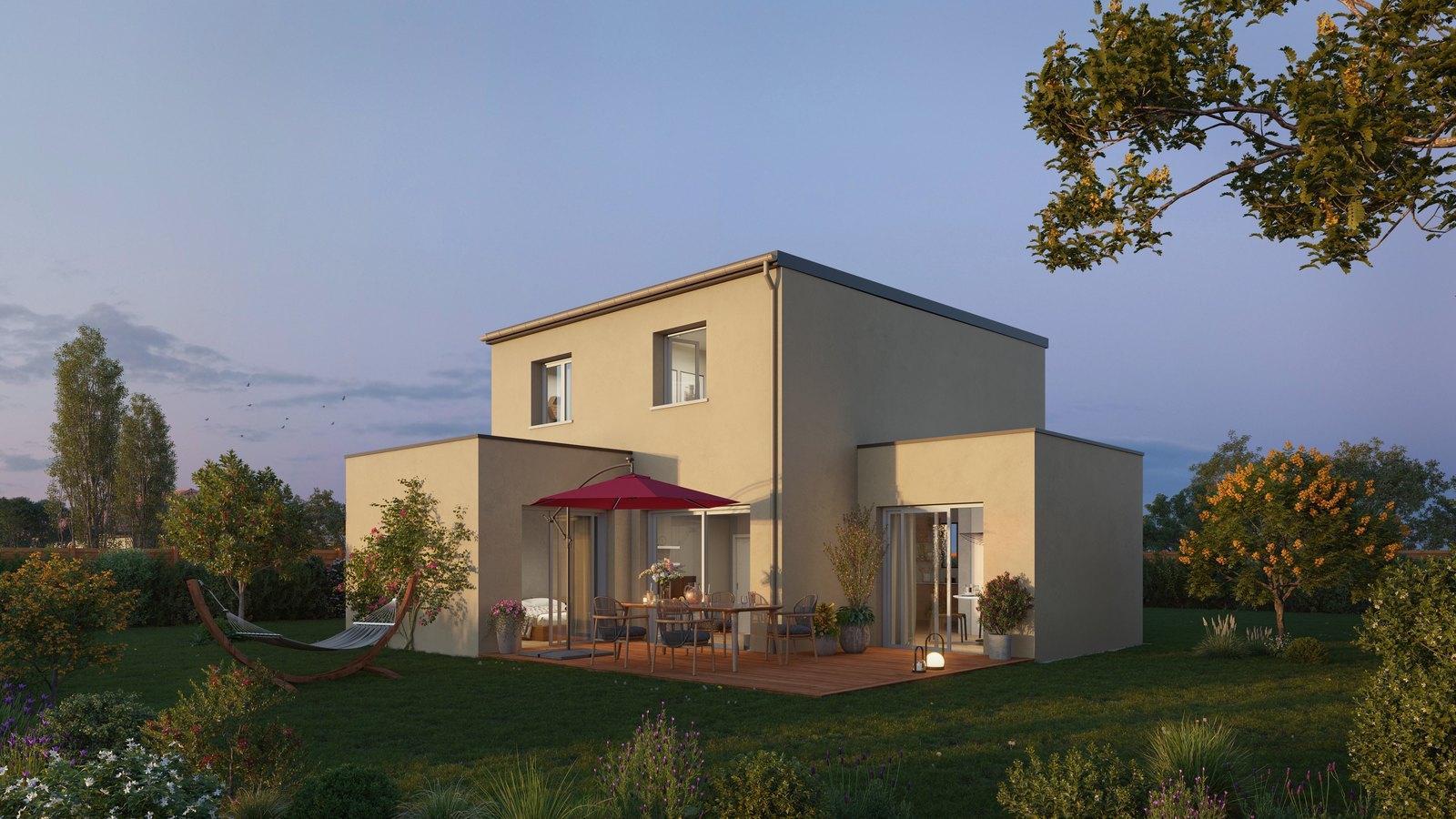
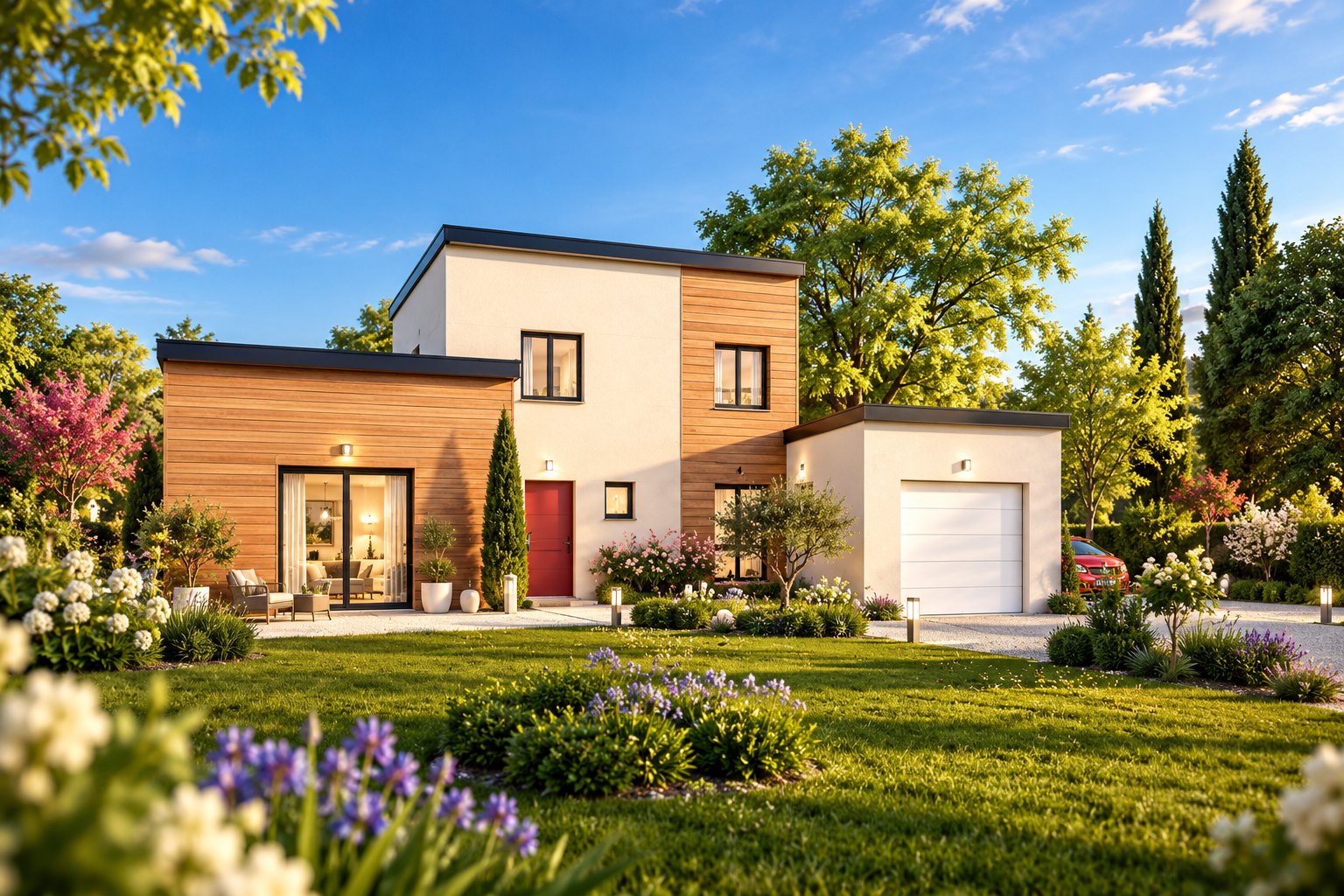
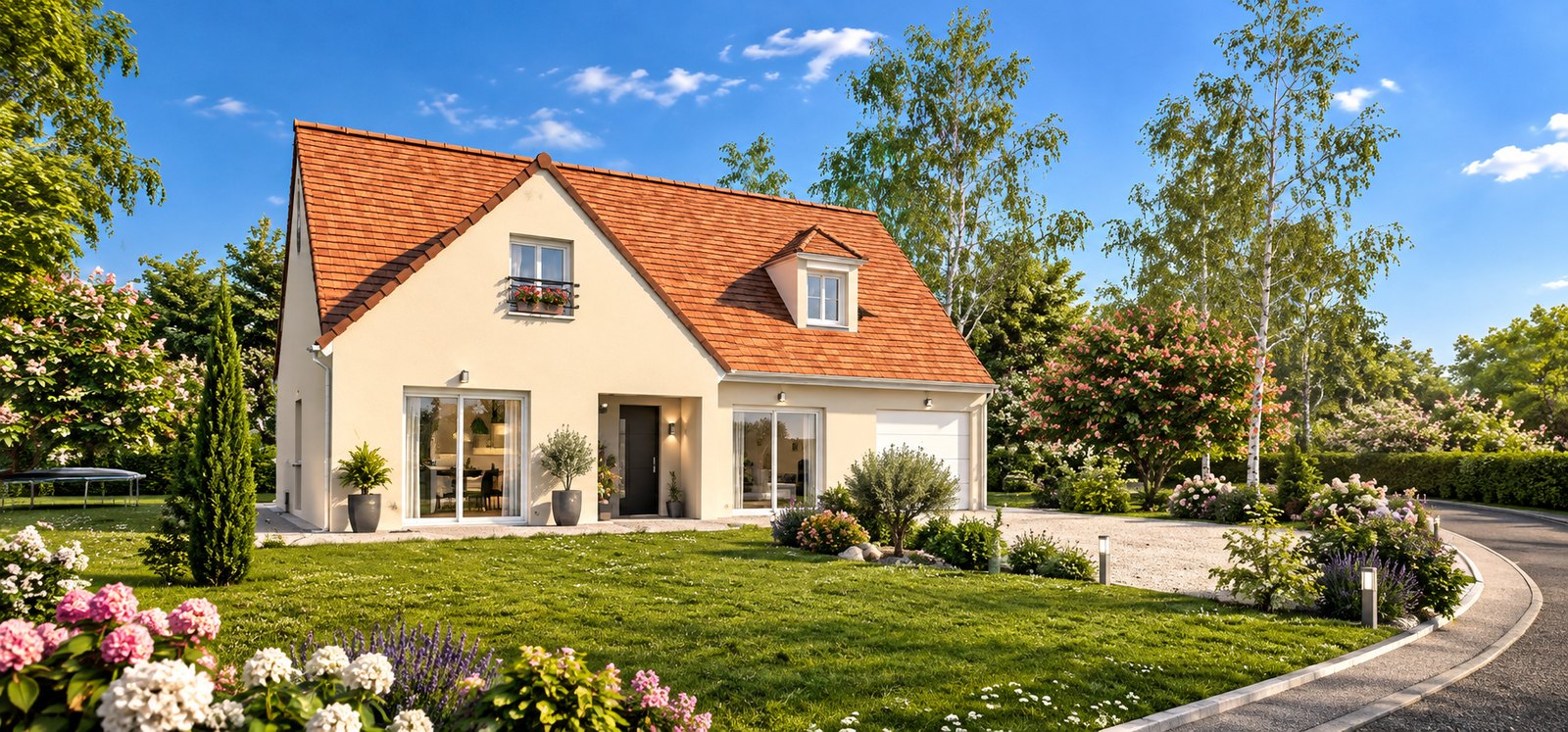
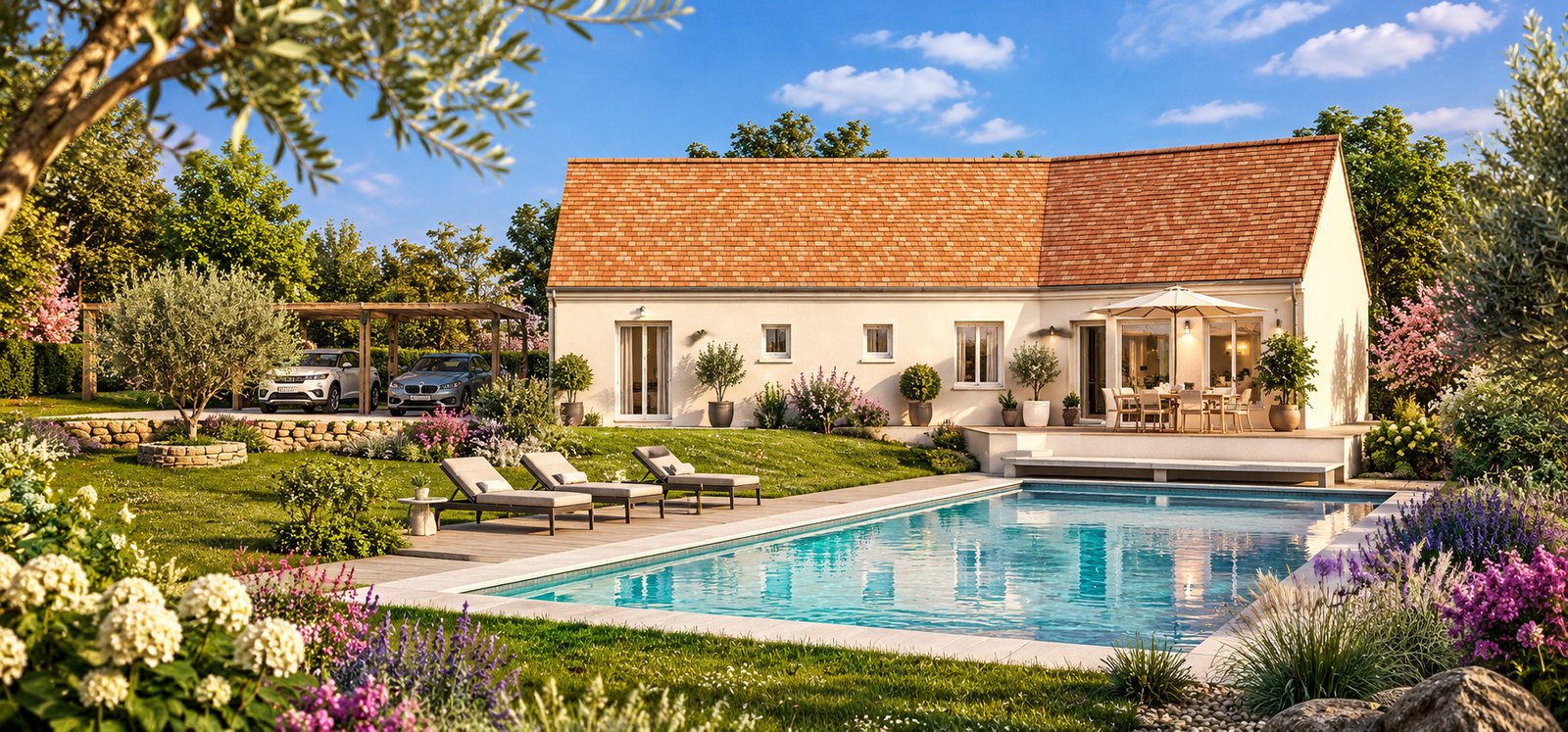
Every home below is built to the same standard, on a fixed-price CCMI contract with ten-year structural cover and a DPE A energy rating. See exactly what is included.