Living in Redon
The crossroads of southern Brittany · TGV to Paris in 2h15 · 45 minutes from the Atlantic
Most people discover Redon by accident. They are driving between Rennes and the coast, or following the canal, and they stop for lunch on the quay — and then they look at the map and realise where they are.
Redon sits at the meeting point of three departments and two regions. Ille-et-Vilaine, the Morbihan and the Loire-Atlantique all touch here; Brittany and the Pays de la Loire meet in the same place. Seven rivers converge on the town, and so does the Nantes–Brest canal. It is, quite literally, the crossroads of southern Brittany, and it has been since the ninth century.
That position is the single best argument for living here. Rennes is seventy kilometres one way, Nantes sixty-seven the other, and Vannes and the Gulf of Morbihan are under an hour. The Atlantic beaches at Pénestin and Damgan are around forty-five minutes; La Baule about an hour. Rochefort-en-Terre, one of the prettiest villages in France, is half an hour. The forest of Brocéliande, the megaliths at Saint-Just, the motor museum at Lohéac — all within a short drive. You are not choosing between the coast and the city, or between Brittany and the Loire. From Redon you simply have all of it.
A real town, not a pretty one
This matters more than buyers expect. Redon has around 9,500 residents, with some 66,000 across the wider agglomeration, and it works all year. There are supermarkets and a proper high street, a weekly market, a hospital, doctors and dentists, primary schools and several lycées, a cinema, a swimming pool, sports clubs, restaurants and bars that open in February as well as August.
There is also real employment. Cargill, Faurecia and Bic all have significant operations here, alongside a substantial base of smaller businesses. That is unusual in rural Brittany and it explains why the town does not empty out. If you are moving with children, or still working, or simply want neighbours who are there in the winter, Redon is a different proposition from a seasonal coastal village.
Nine hundred years of history you can walk through
The town began in 832, when a Breton monk named Conwoïon founded the abbey of Saint-Sauveur with the backing of the Emperor Louis the Pious. It became one of the great religious houses of Brittany, and the abbey church still stands at the centre of the town — with its extraordinary Romanesque bell tower, and the Tour Richelieu beside it.
Around it, the old town is genuinely handsome: the Grande Rue with its half-timbered houses, the stone mansions built by the shipowners who grew rich on the river trade, the narrow lanes running down to the water. Redon was a port long before it was anything else, and the quays still look like a port. Quai Jean-Bart and Quai Duguay-Trouin carry the warehouses and merchants' houses of a town that sent ships to the Atlantic and beyond.
Every October the town fills for the Bogue d'Or, the chestnut festival, which is also one of the great gatherings of Haute-Bretagne music — three days of singing, dancing and roasted chestnuts that is as far from a tourist event as you can get.
Life on the water
Redon is one of the finest inland boating towns in France, and this is the part people underestimate.
The Nantes–Brest canal meets the Vilaine here, and the Ille-et-Rance canal links north to Saint-Malo. From the port at Redon you can take a boat to the Channel in one direction and to the Atlantic in the other, without ever going to sea. You can hire a boat without a licence for a weekend. The port de plaisance sits in the middle of town.
For everyone else, the towpaths are the point. Miles of flat, traffic-free walking and cycling in both directions, along water, through woods, past locks and lock-keepers' cottages. The wooded valley of the Corbinières and the marshes of Gannedel are within a few minutes — the latter one of the best birdwatching sites in the region — and the Île aux Pies, upstream on the Oust, is a small gorge of rock faces and clear water where people climb, swim and paddle all summer.
Getting home, and getting away
This is where Redon quietly beats almost everywhere else in rural Brittany.
The station is in the town, and the TGV runs direct to Paris Montparnasse in about two and a quarter hours. Rennes is roughly forty minutes by train, Nantes about the same, Vannes half an hour. Rennes and Nantes both have international airports within an hour by road, with regular flights to the UK and Ireland, and Saint-Malo's ferries are around ninety minutes away.
For a family in England, that means Redon is genuinely reachable. Fly to Rennes or Nantes, or drive off the ferry, and you are home inside an hour or two. For the same reason, a house here lets well — and a property within walking distance of a TGV station has a durable kind of value that a remote cottage does not.
Why it works for a new build
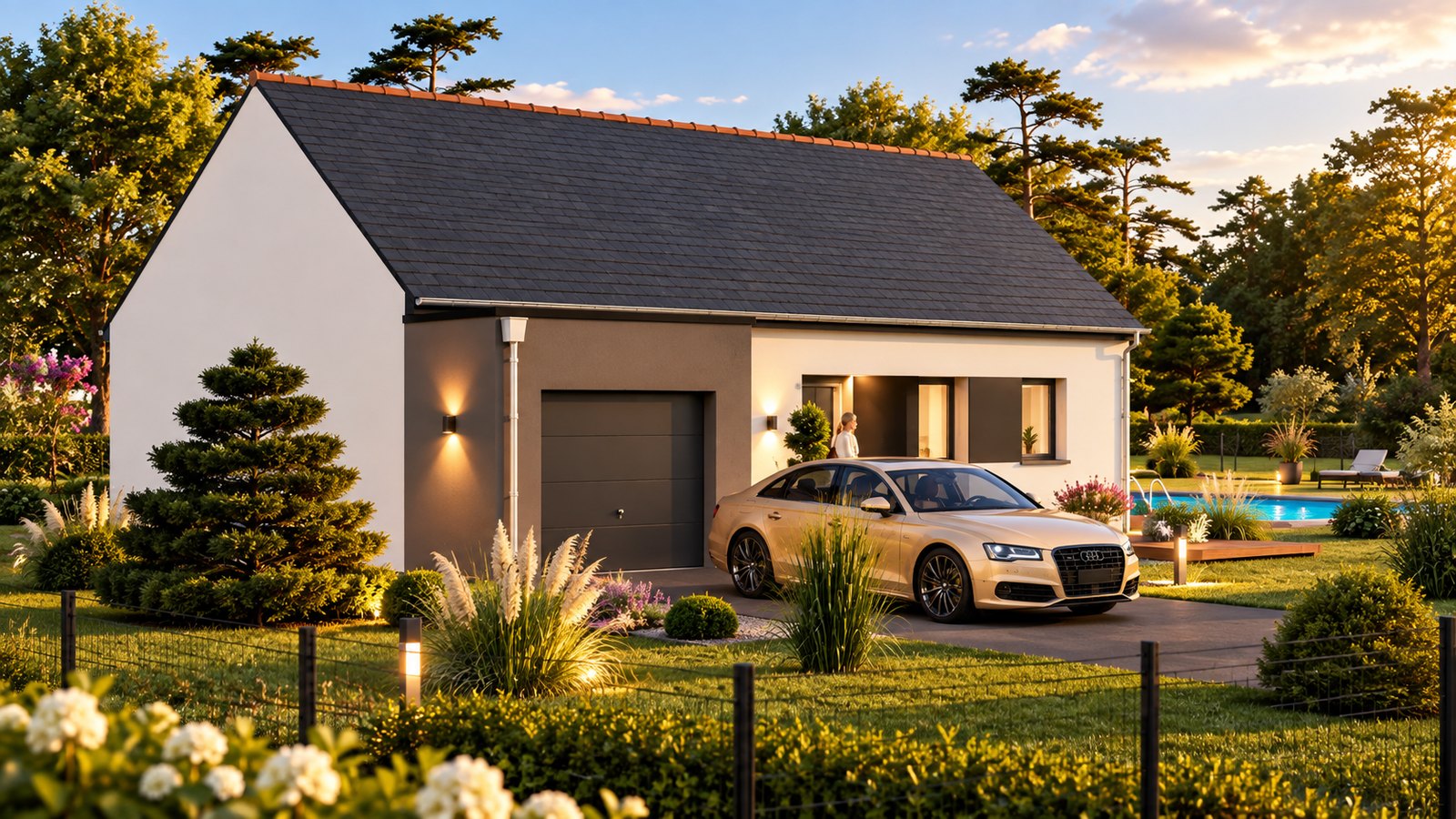
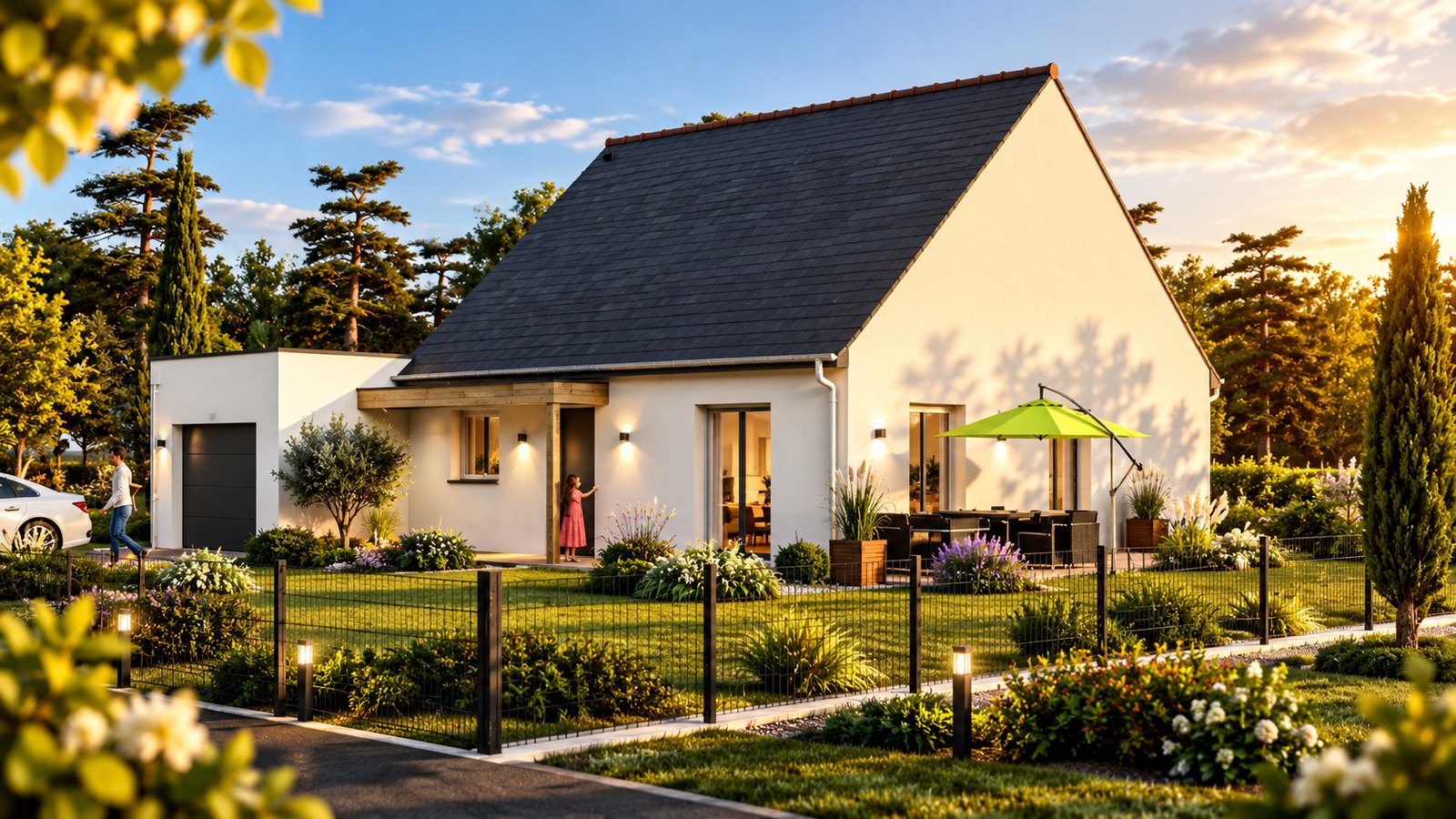
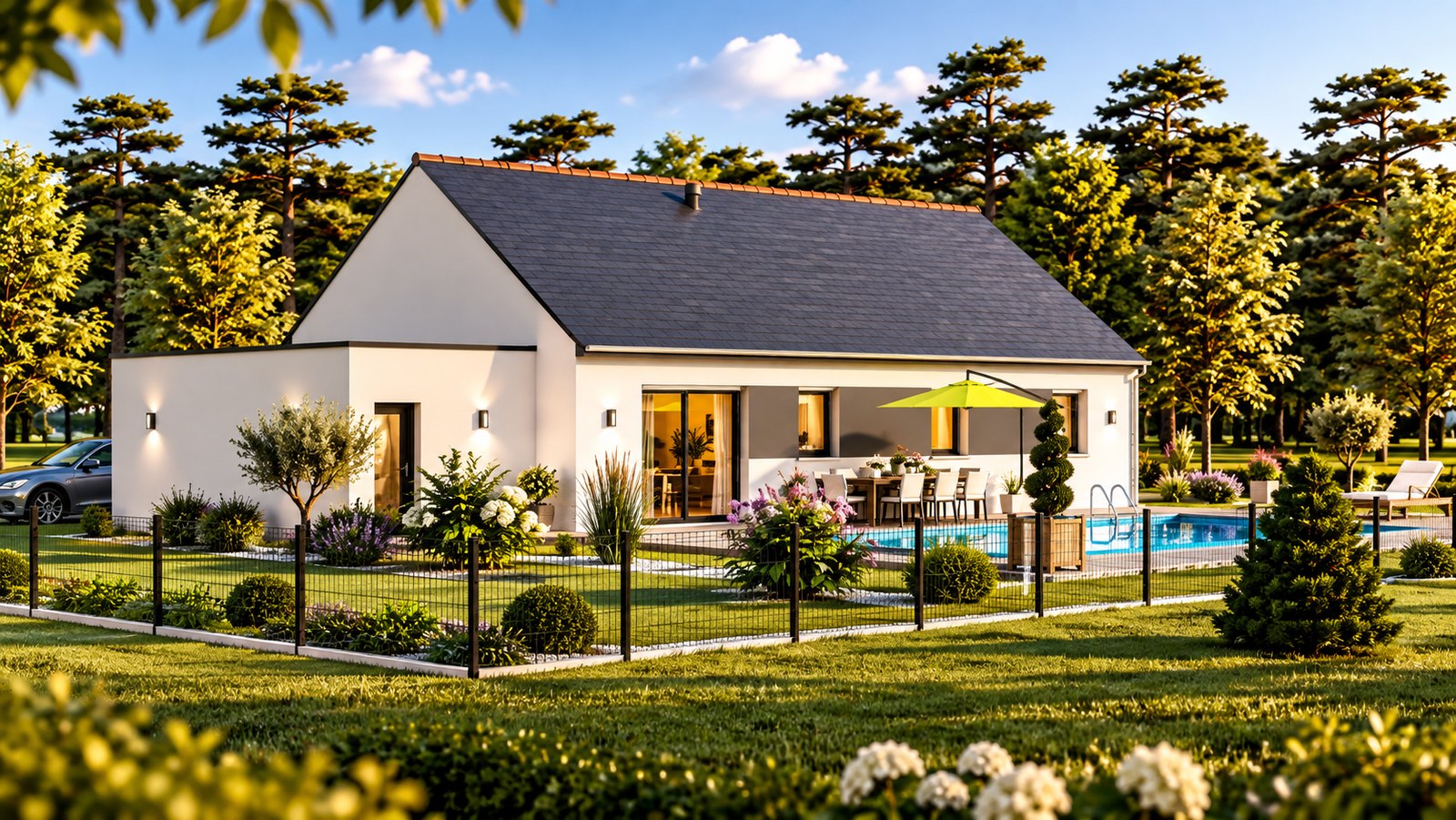
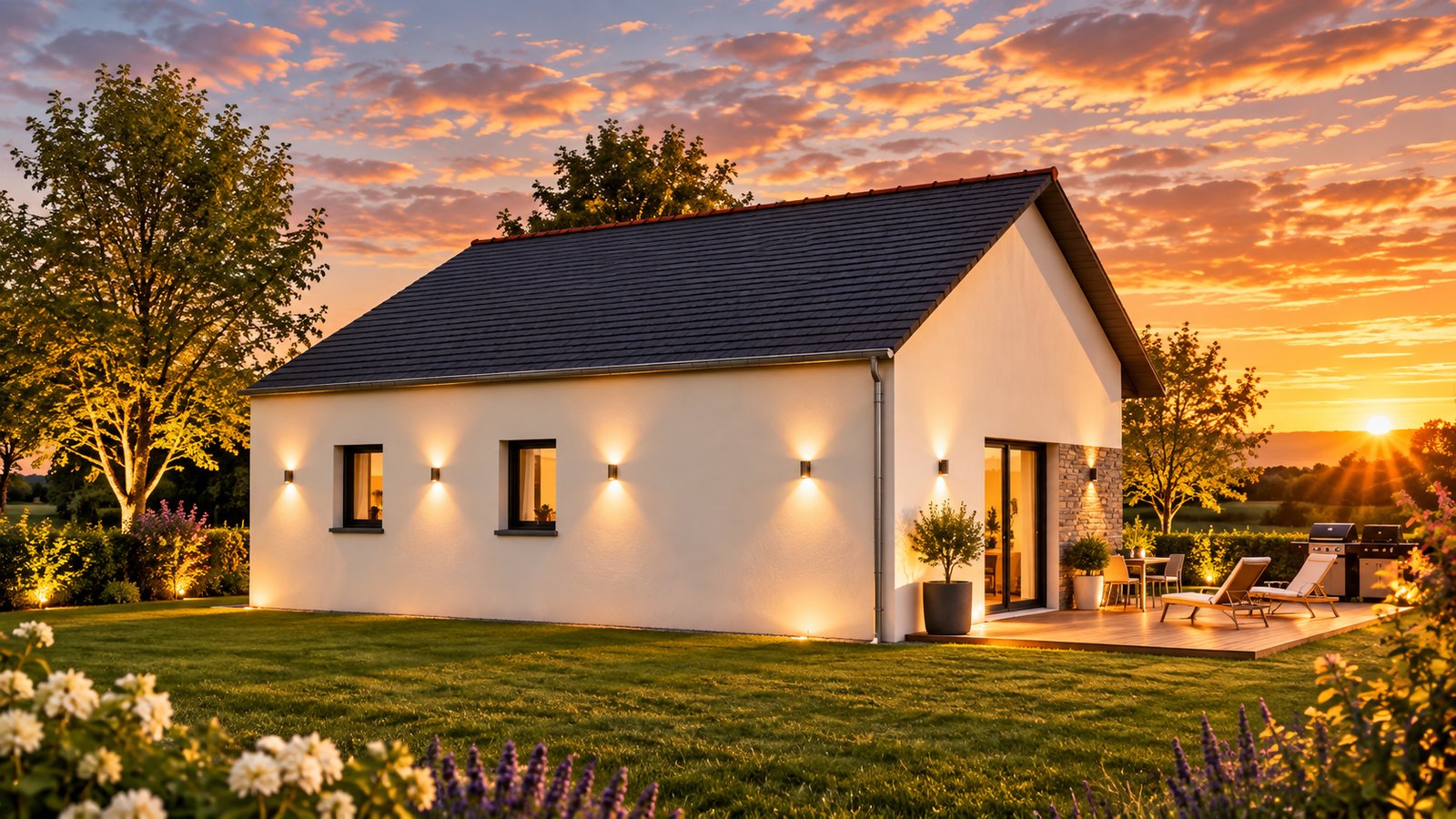
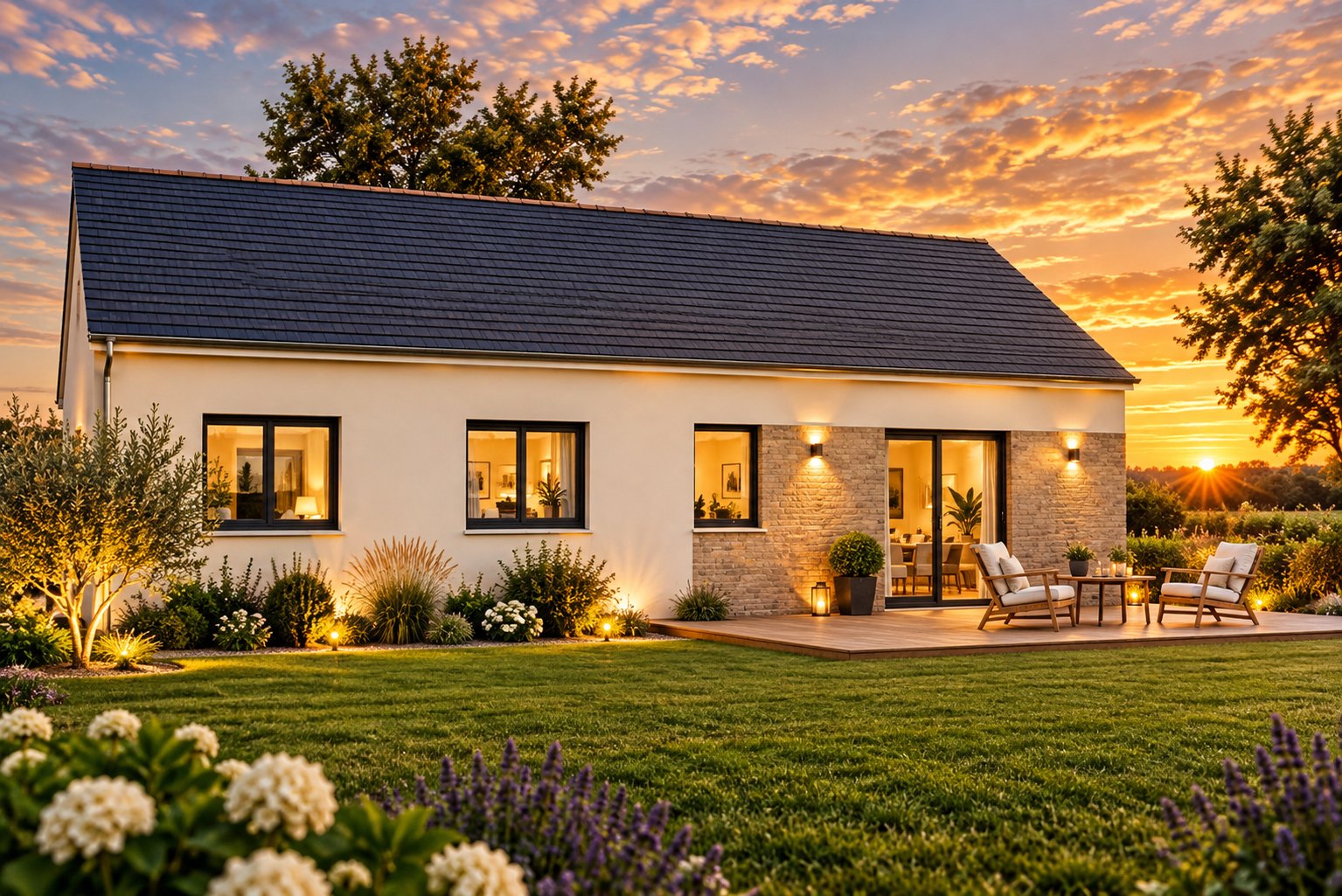
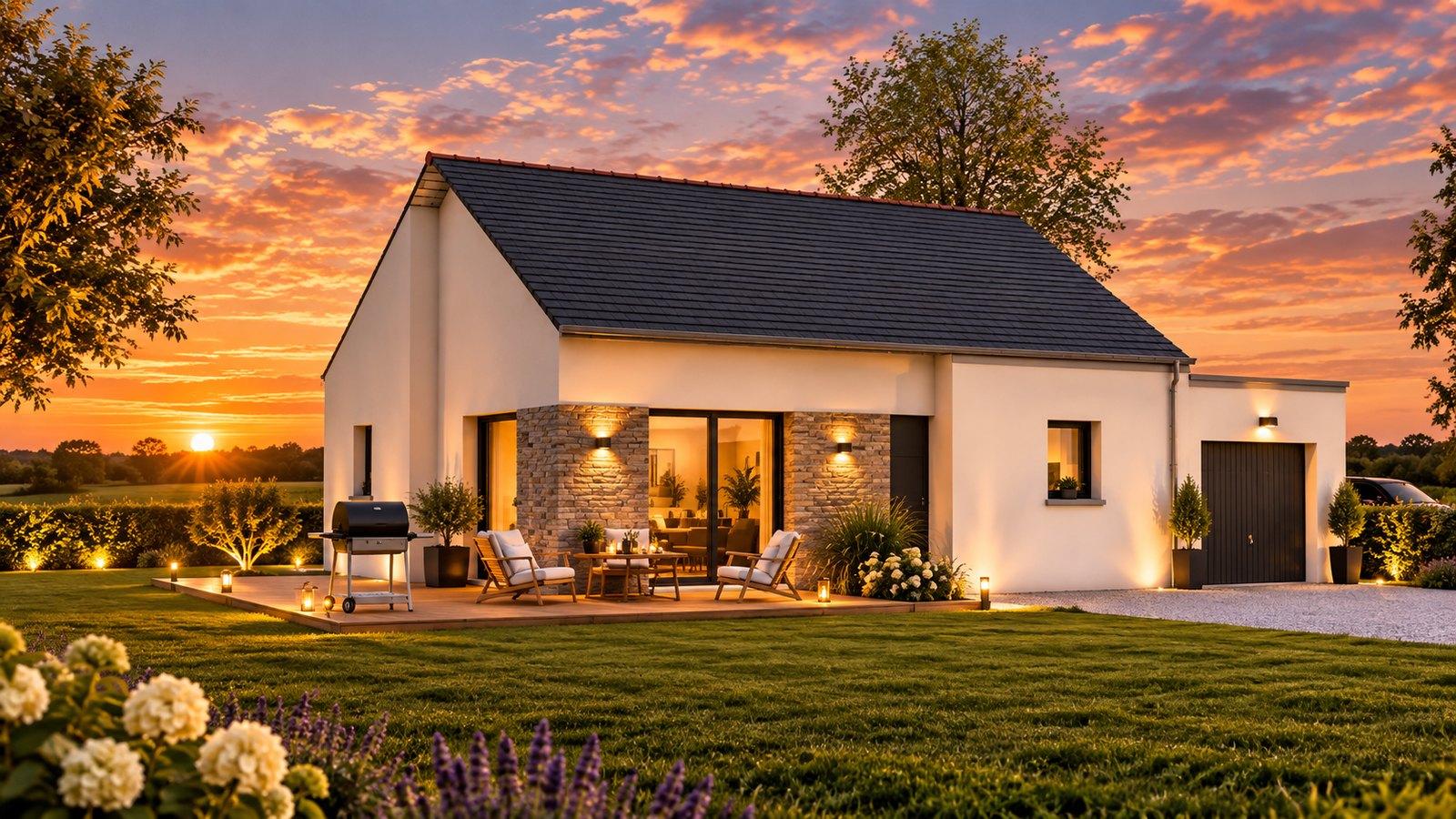
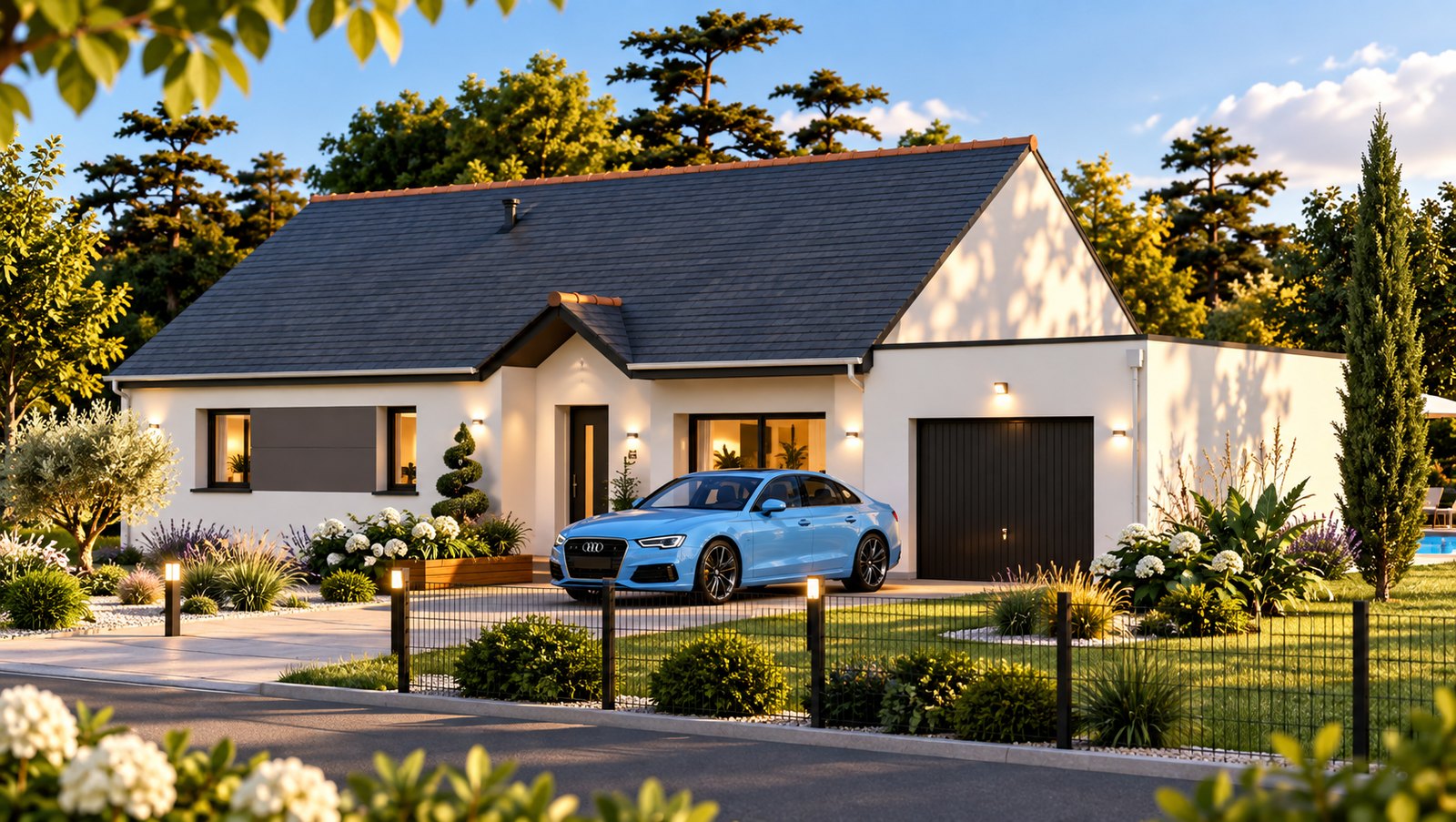
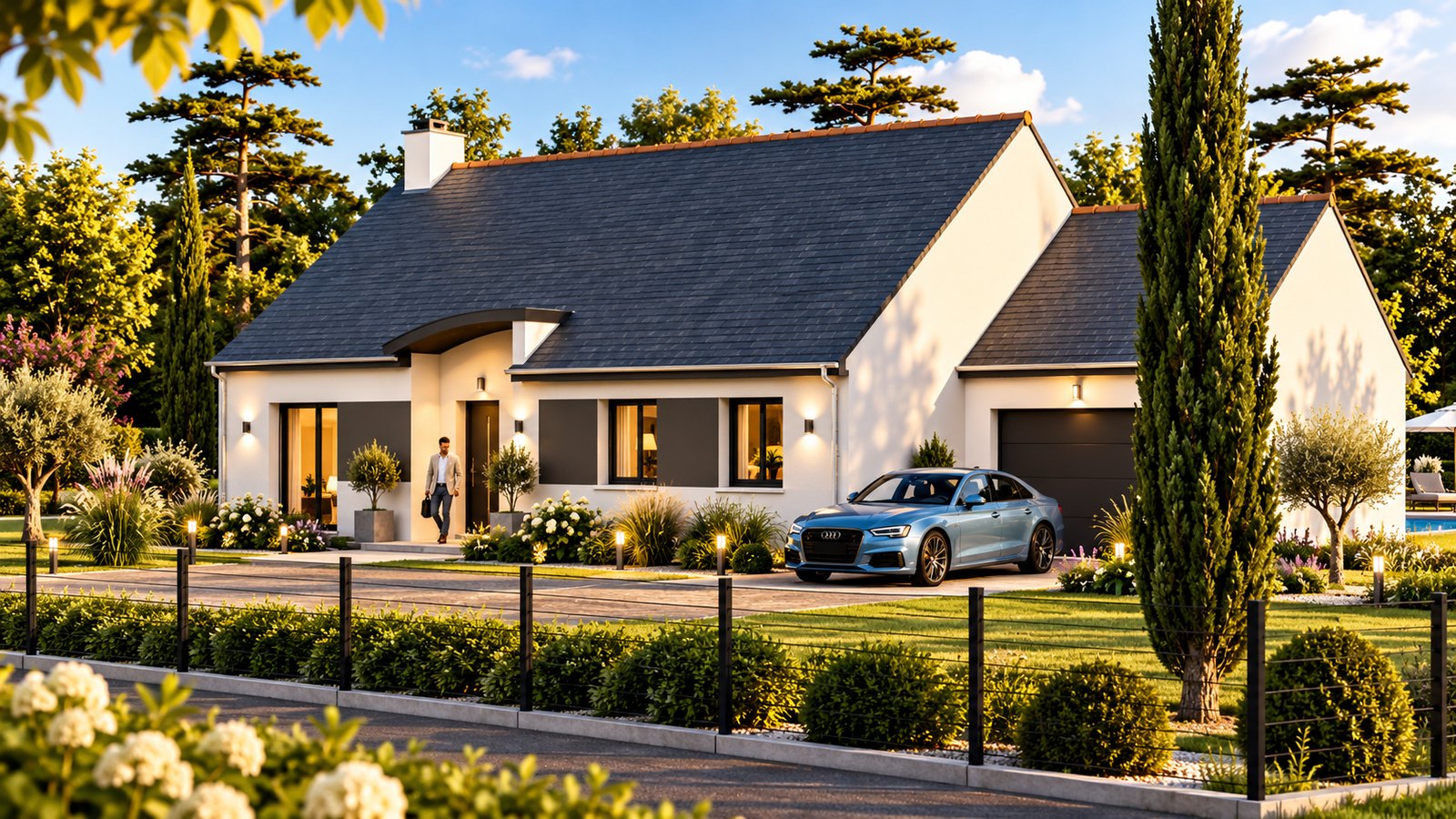
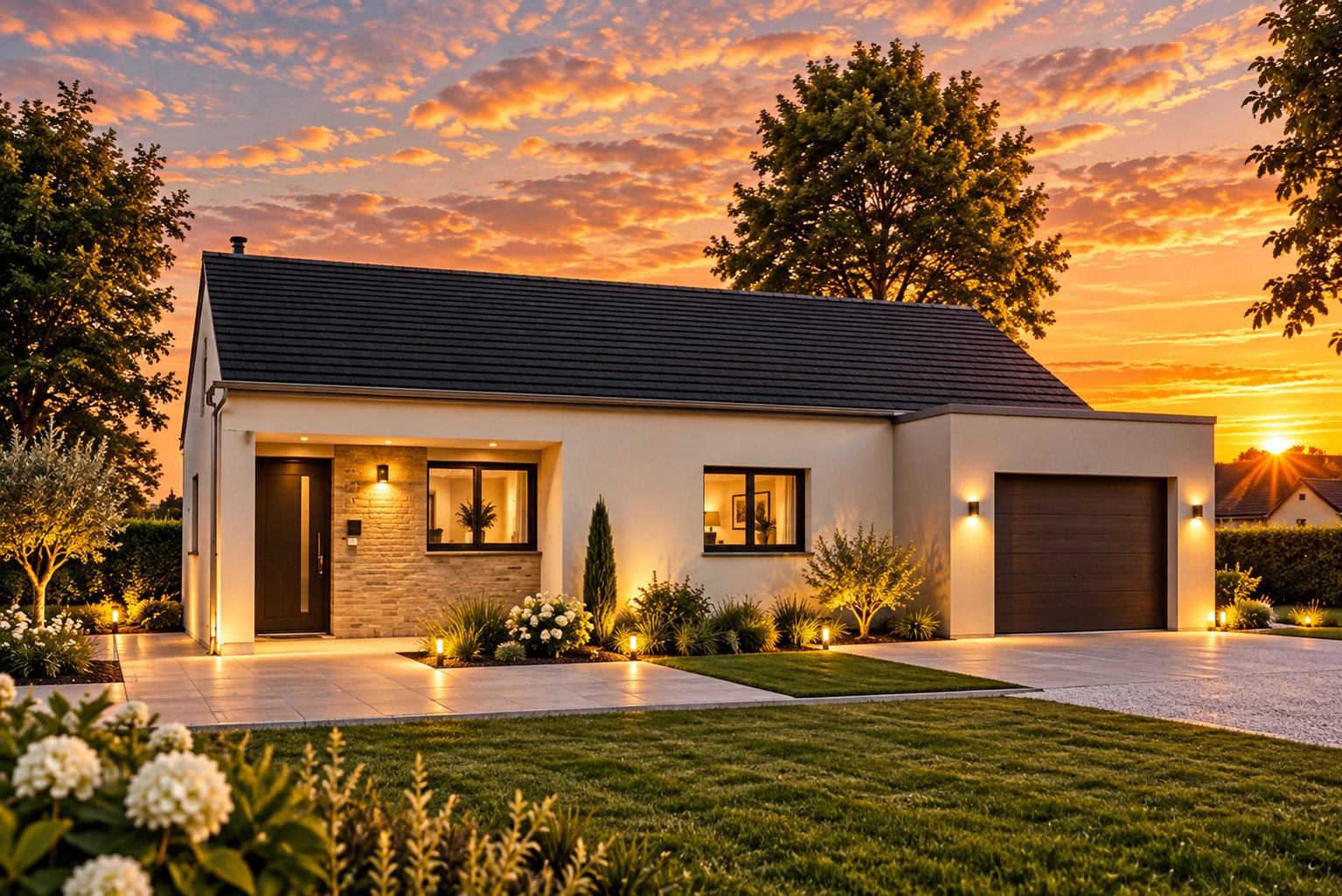
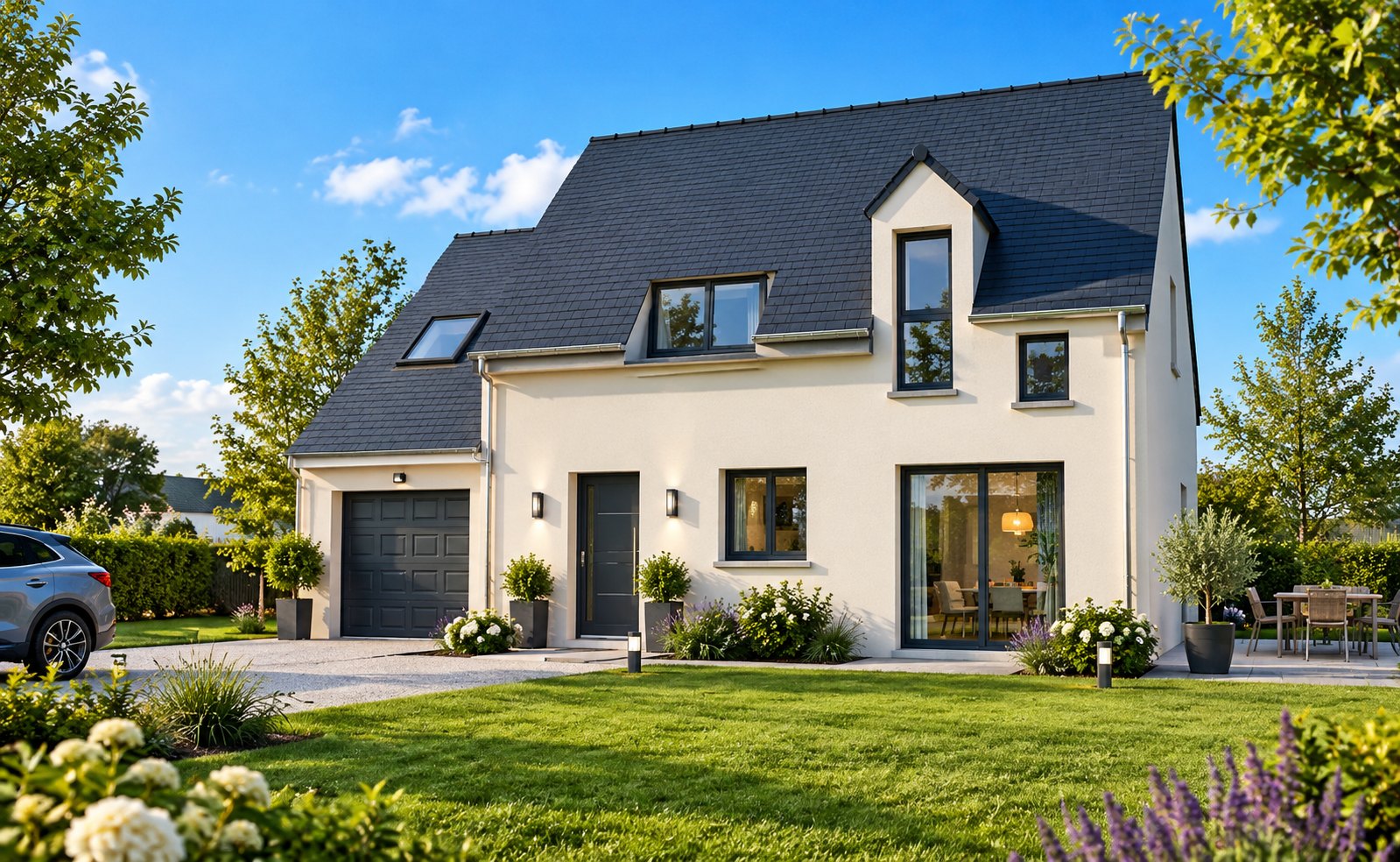
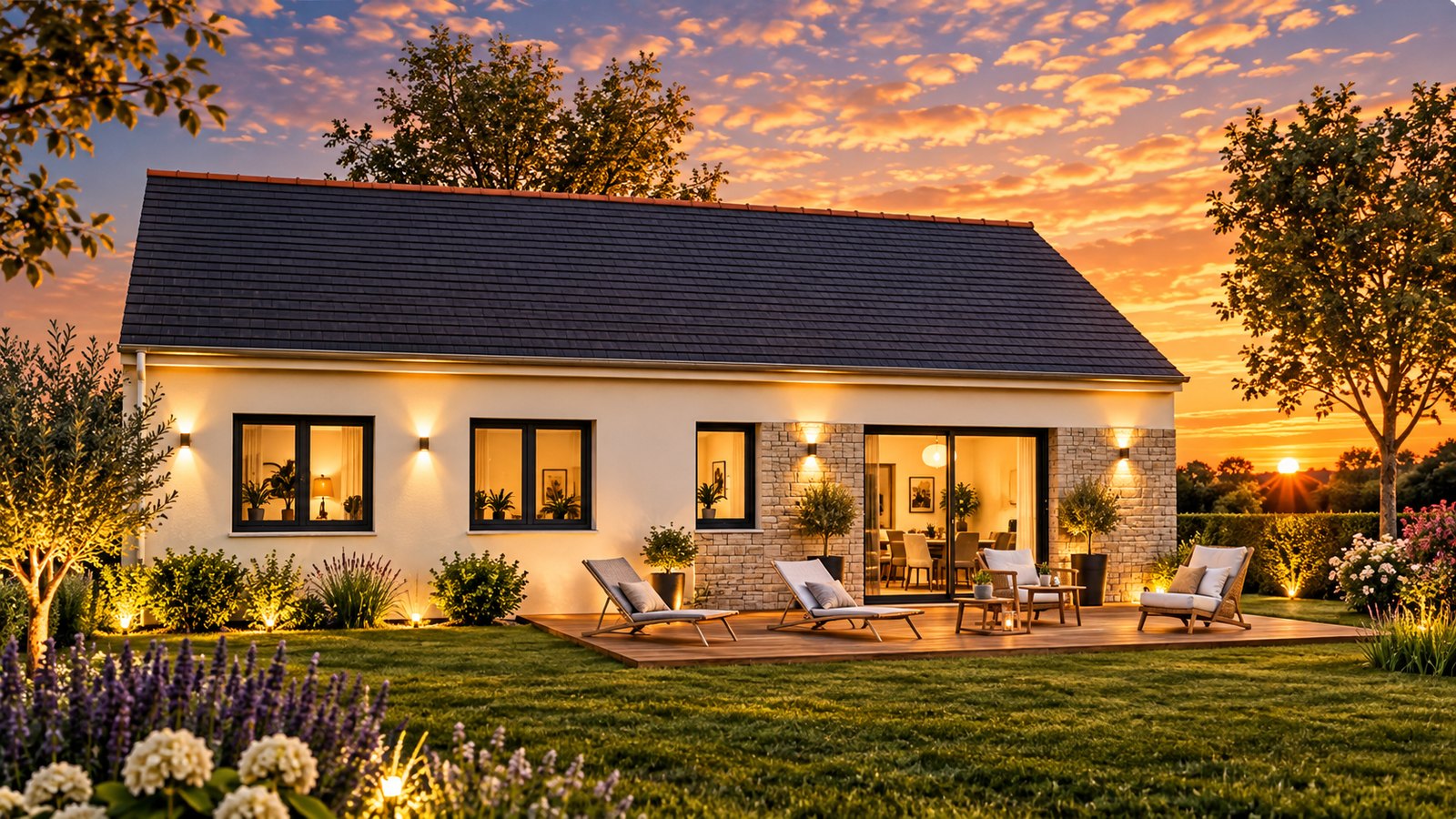
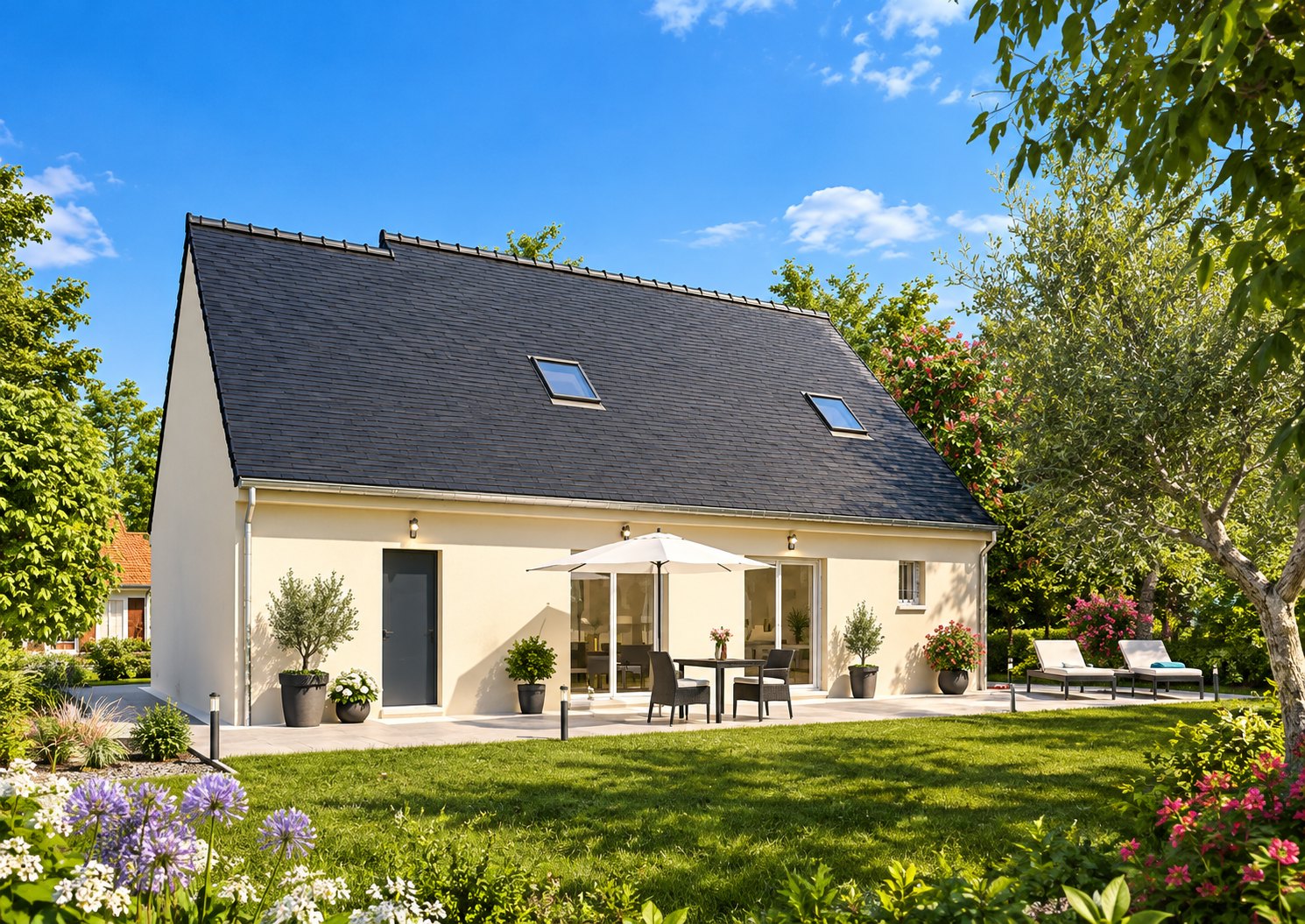
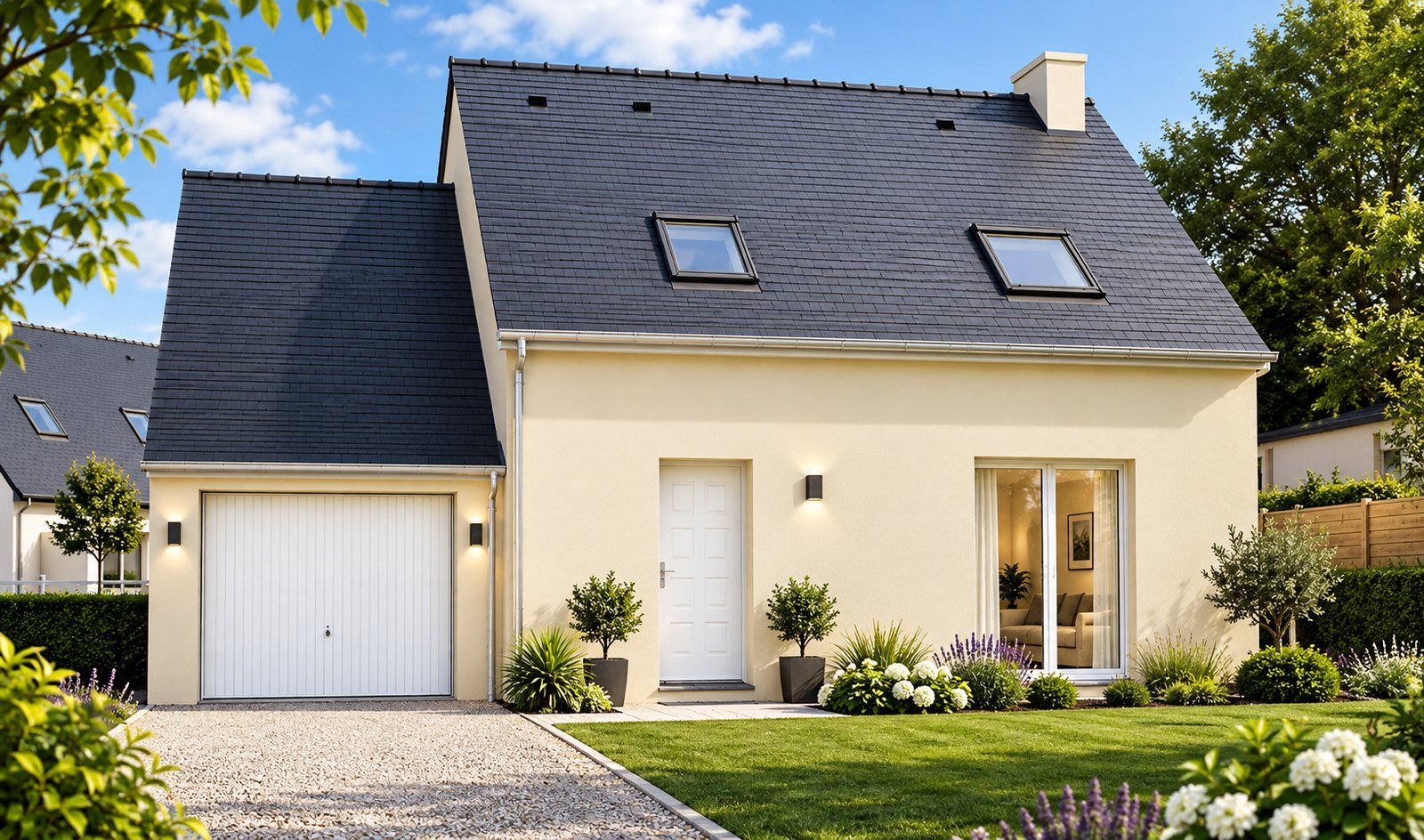
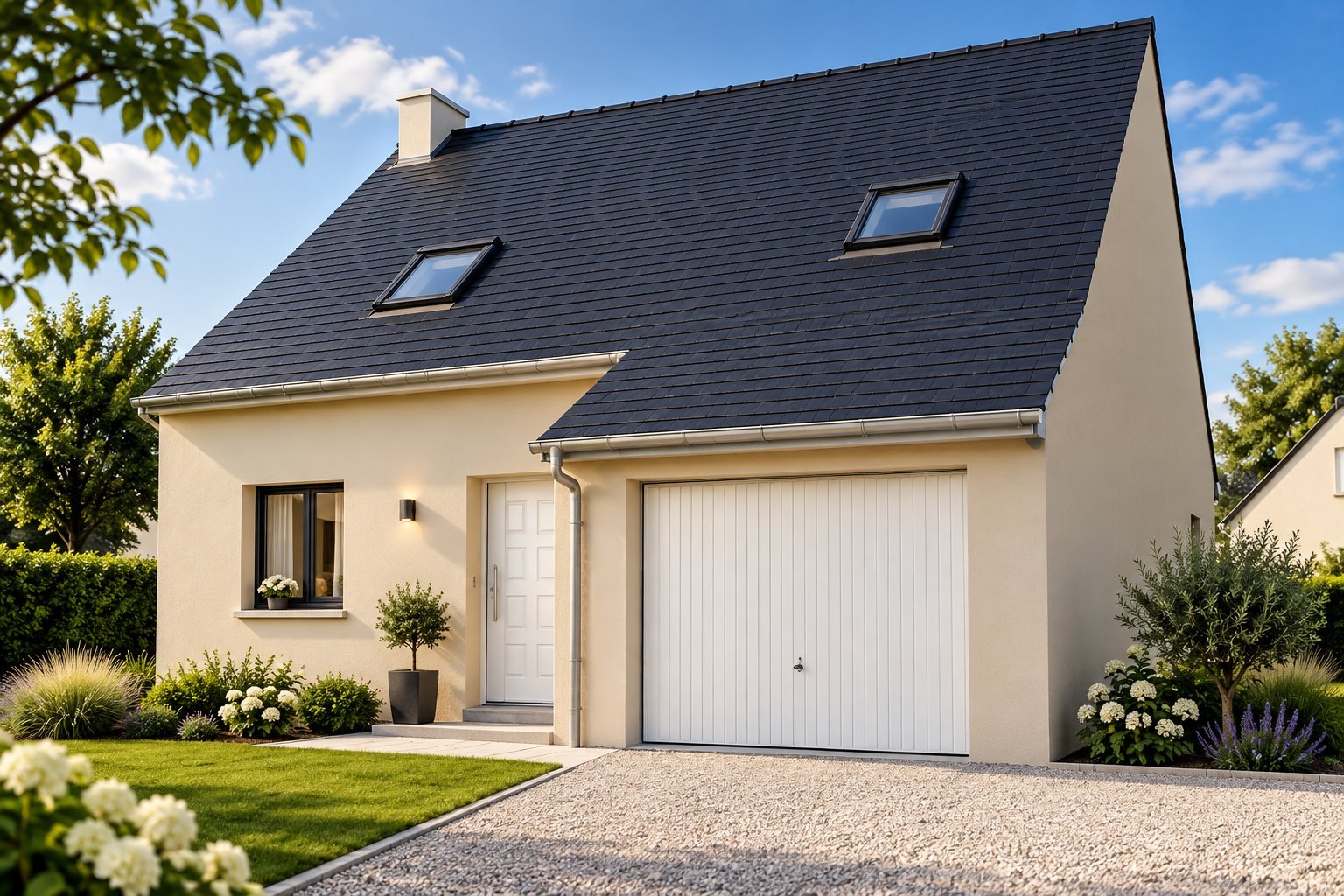
Land in Redon and the surrounding communes is a fraction of what the same plot costs on the Morbihan coast forty-five minutes south, and that gap is the opportunity. You can build a brand new, fully insulated, DPE A home — with everything fitted, a guaranteed fixed price and ten-year cover — for what a tired old stone house would cost you nearer the sea, and then drive to that sea whenever you feel like it.
You also get something the coast cannot offer: a town that functions in January. Schools, doctors, work, trains, neighbours. For anyone moving to France permanently rather than for the summer, that is usually what turns out to matter.
The honest bit
Redon is not a picture-postcard seaside village and it does not pretend to be. It is a working Breton town with an industrial edge, a magnificent old centre and water running through the middle of it. Some of the outskirts are unremarkable, as they are in any town this size.
But if what you want is a life in France rather than a holiday in France — somewhere with a hospital and a station and a market and a proper community, half an hour from the vines and the châteaux, forty-five minutes from the Atlantic, and two hours from Paris — there are very few places in Brittany that make as much sense.
Every home below is built to the same standard, on a fixed-price CCMI contract with ten-year structural cover and a DPE A energy rating. See exactly what is included.