Living in Saint-Malo and the Emerald Coast
Ferry port and TGV station in the town · Paris in under three hours · The greatest tides in Europe
There is a moment, walking the ramparts at Saint-Malo on a rising tide, when you understand why people give up perfectly sensible lives in England for this coast. The granite is grey-gold in the evening light. The sea is coming in fast across the sand — faster than you would believe if you had not seen it — and the forts out in the bay are turning back into islands one by one. Behind you the tall slate roofs of the old town close ranks against the weather. Ahead there is nothing but water until Jersey.
Saint-Malo is the most visited place in Brittany, and unlike most places that carry that title, it deserves it.
A city, not a resort
This is the first thing to understand, and it changes everything about living here. Saint-Malo has around 47,000 residents and some 138,000 across the wider area. It has a hospital, a full range of secondary schools and colleges, a working commercial port, a university campus, supermarkets, a cinema, theatres, a covered market and a year-round economy that has nothing to do with tourism.
In August the population swells towards 300,000 and the walled city becomes hard work. In February it is a Breton port with the wind coming off the Channel and the bars full of people who live here. Both are true, and if you are considering a permanent move rather than a holiday home, the February version is the one that matters — and the one that makes Saint-Malo a genuinely practical place to live in a way that prettier, smaller coastal towns are not.
The old town that was rebuilt stone by stone
Intra-muros — inside the walls — is one of the great set pieces of French architecture, and almost none of it is original.
In August 1944 the walled city was shelled and bombed almost to nothing; some eighty per cent of it was destroyed. What happened next is the remarkable part. Rather than clear the site and build something modern, France spent twelve years, from 1948 to 1960, rebuilding it as it had been — the same granite, the same proportions, the same street lines, the tall narrow houses with their dormers and their chimneys. Stand on the rue Saint-Vincent today and you would never guess. It is one of the most convincing acts of reconstruction anywhere in Europe, and there is something moving about a town that decided to be itself again.
The ramparts run the whole way round, free to walk, and the circuit is the best hour you can spend in Brittany.
Corsairs, explorers and one very famous grave
Saint-Malo got rich on privateering. The corsairs sailed from here under royal licence to take English and Dutch shipping in the Channel — Duguay-Trouin, who captured Rio de Janeiro; Surcouf, who took an East Indiaman with a fraction of her crew. The shipowners' houses, the malouinières, still stand in the country behind the town.
It was also from Saint-Malo that Jacques Cartier sailed in 1534 and came back having found the St Lawrence and, in effect, Canada. And it was here that Chateaubriand was born, the writer who more or less invented French Romanticism. He is buried exactly where he asked to be: on the Île du Grand Bé, out in the bay, under a plain stone cross facing the open sea, reachable on foot at low tide and cut off by the water twice a day.
The tides
Nowhere in Europe does the sea move like it does here. The tidal range at Saint-Malo reaches around thirteen metres on the big spring tides — among the greatest on the continent — and it rearranges the world twice a day.
At low water the bay empties for what looks like miles, and you can walk out to the Grand Bé, the Petit Bé and the Fort National across wet sand. Six hours later the same ground is deep water and the waves are breaking over the sea wall on the Sillon hard enough to draw a crowd. Locals plan their week around the coefficient des marées the way other people check the weather.
That power is also harnessed: the Rance tidal barrage between Saint-Malo and Dinard, opened in 1966, was the first tidal power station of its scale in the world and still generates today.
Beaches, forts and the Emerald Coast
There are beaches all along the commune and they are properly good. The Plage du Sillon runs for nearly three kilometres with the promenade behind it and the wooden breakwaters marching out into the sand. Bon-Secours, tucked under the walls, has a seawater tidal pool and a diving board that has been terrifying children since the 1930s. Beyond Paramé and Rothéneuf, with its strange carved rocks, the coast path continues towards Cancale.
Cancale — fifteen minutes east — is where France buys its oysters, eaten sitting on the sea wall with the shells thrown onto the beach. Dinard is across the estuary, all belle-époque villas and striped bathing tents. Dinan, one of the finest medieval towns in Brittany, is half an hour up the Rance. Mont-Saint-Michel is fifty minutes.
Getting there, and getting home
This is Saint-Malo's quiet advantage over almost every other town on this coast.
The ferry port is in the city. Brittany Ferries sails to Portsmouth, and to Poole via Guernsey; there are services to Jersey most days. You can drive off the boat and be at your front door in ten minutes — no long haul down through France with a car full of luggage.
The station is in the city too, with a direct TGV to Paris in under three hours and Rennes in about an hour. Dinard's airport is twenty minutes away across the barrage with seasonal flights to the UK, and Rennes airport is an hour.
For anyone keeping family ties in Britain, that combination — a ferry terminal and a TGV station in the same town — is close to unbeatable.
What it costs, and where the value is
Now the honest part, because it is the part that decides things.
Saint-Malo is one of the most expensive property markets in Brittany. Demand from Paris and from Britain has been strong for decades, the coast is protected by the Loi Littoral, and the walled city and the seafront are effectively closed markets — what comes up is old, expensive, and gone quickly. Building land within the commune itself is scarce and priced accordingly.
The opportunity is in the ring of communes around it. Ten to twenty-five minutes inland and along the coast — Saint-Père-Marc-en-Poulet, La Gouesnière, Châteauneuf, Miniac-Morvan, Pleurtuit, and the villages of the Rance at Pleudihen, La Vicomté and Le Minihic — land still comes up at a fraction of the price, in real villages with schools and shops, and you are still on the ferry in twenty minutes.
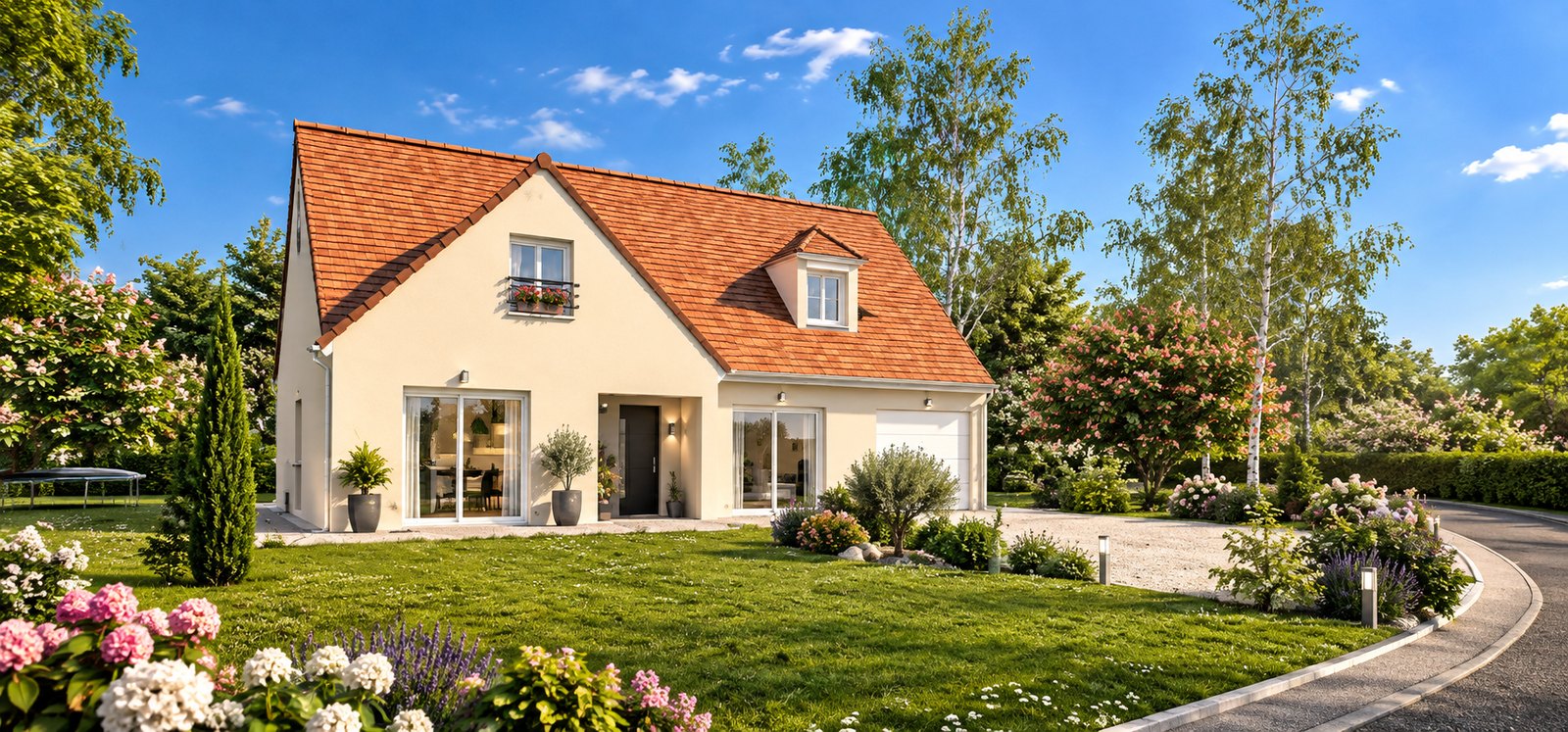
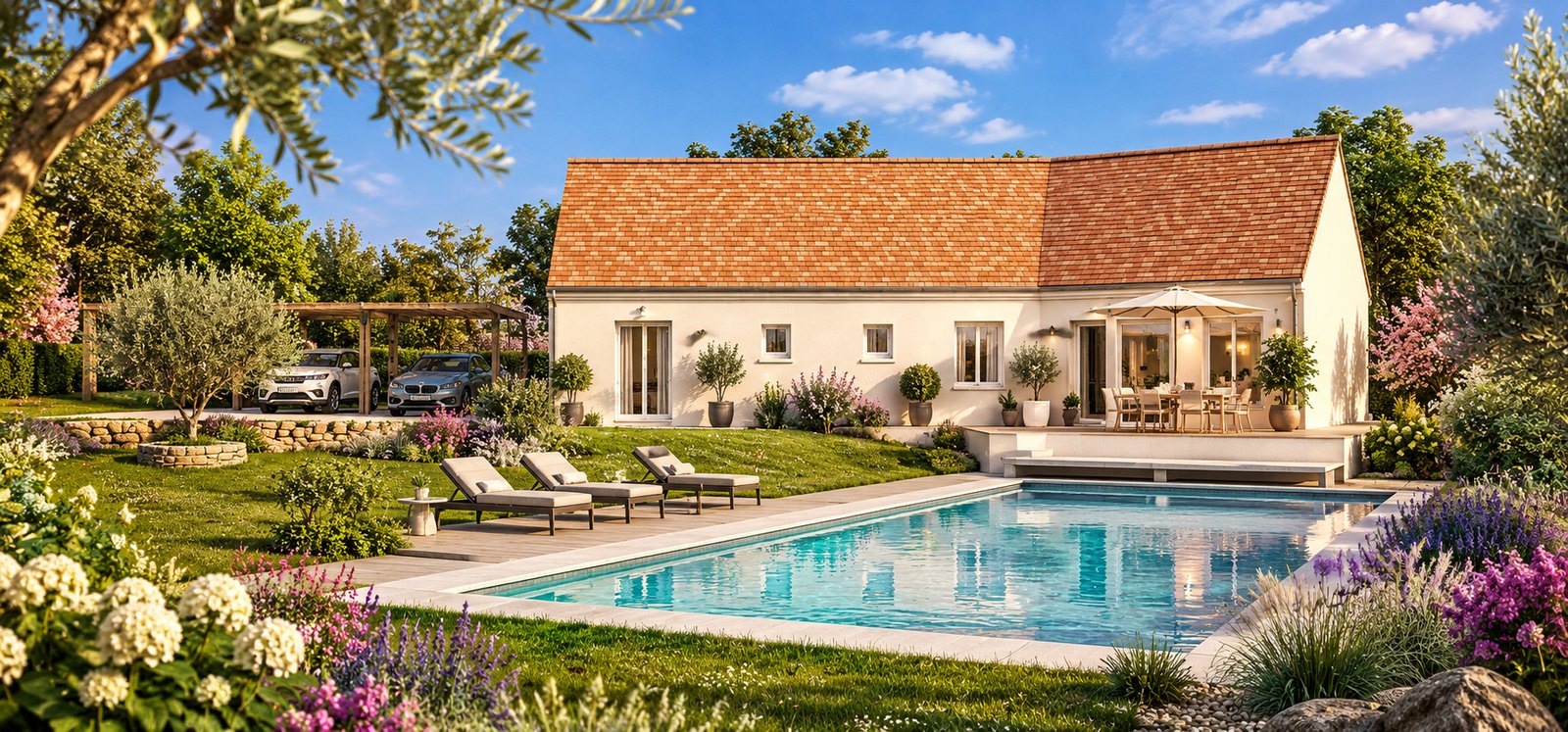
You can see that gap in the packages below. The same house costs from €302,500 at Miniac-Morvan and from €985,000 at Rothéneuf. The house is identical. The difference is entirely the ground it stands on.
Build out there and the arithmetic changes completely. A brand new, fully insulated home to the RE2020 standard, with a fixed-price CCMI contract, ten-year structural cover and a DPE A rating, costs less than a tired granite house near the walls that will need rewiring, replumbing and a roof. It costs a fraction to run. And you are a quarter of an hour from one of the most beautiful cities in France.
The bottom line
Saint-Malo is not a bargain and never will be. What it is, is a real city on a spectacular coast, with a ferry to England and a train to Paris, an old town rebuilt with extraordinary care, some of the biggest tides in Europe and oysters fifteen minutes up the road.
Buy a plot in the countryside behind it, build something new and warm and yours, and you get all of that for the price of a flat in a market town at home.
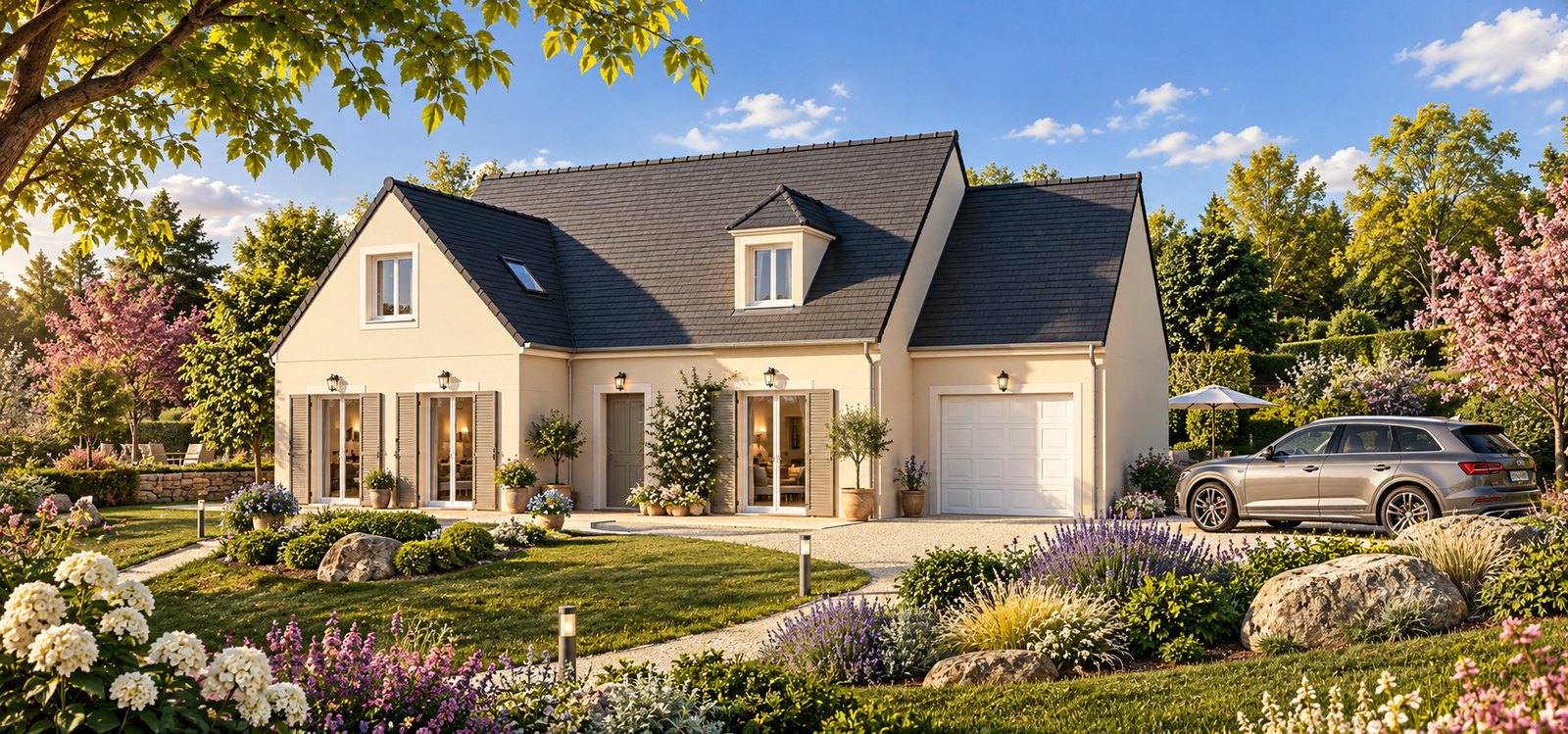
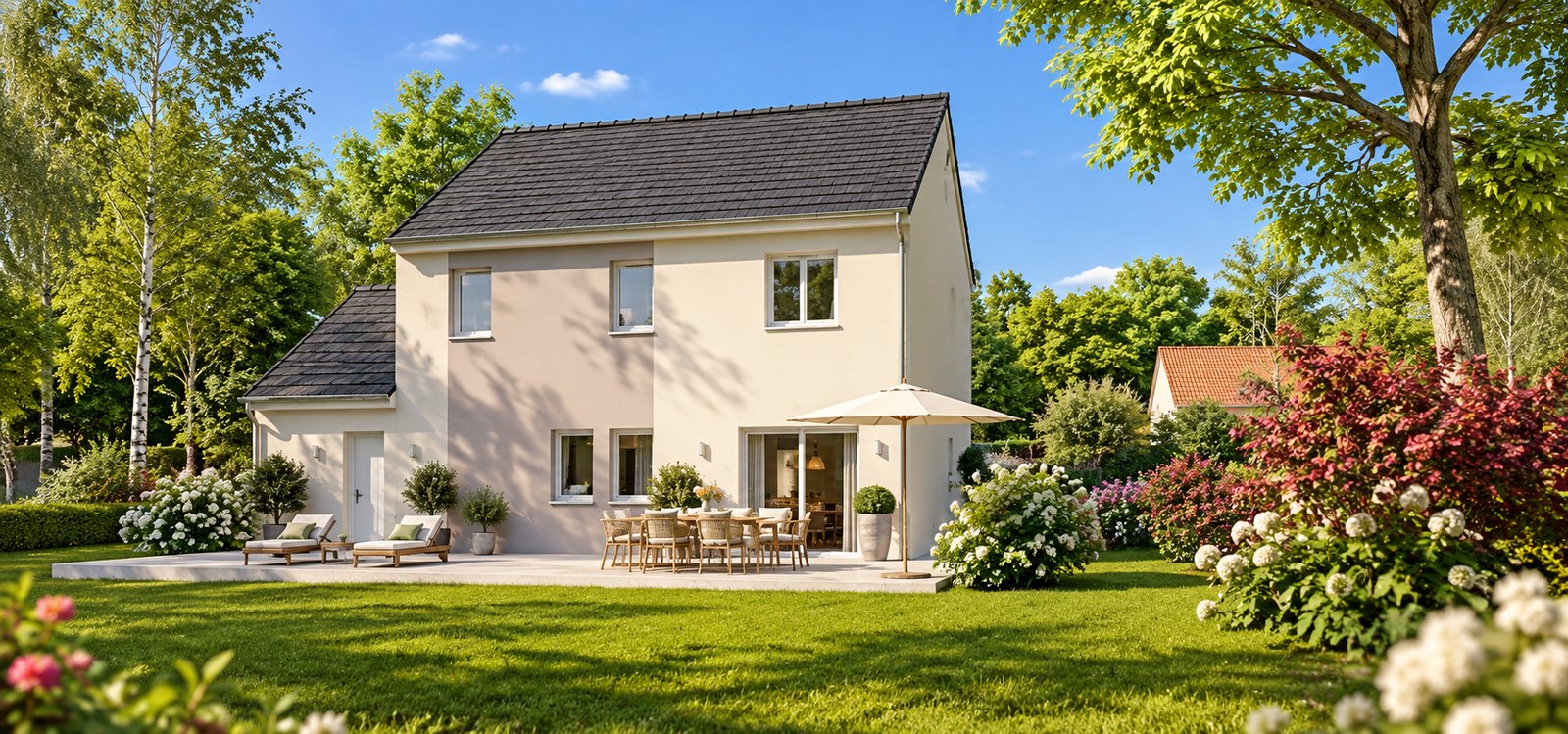
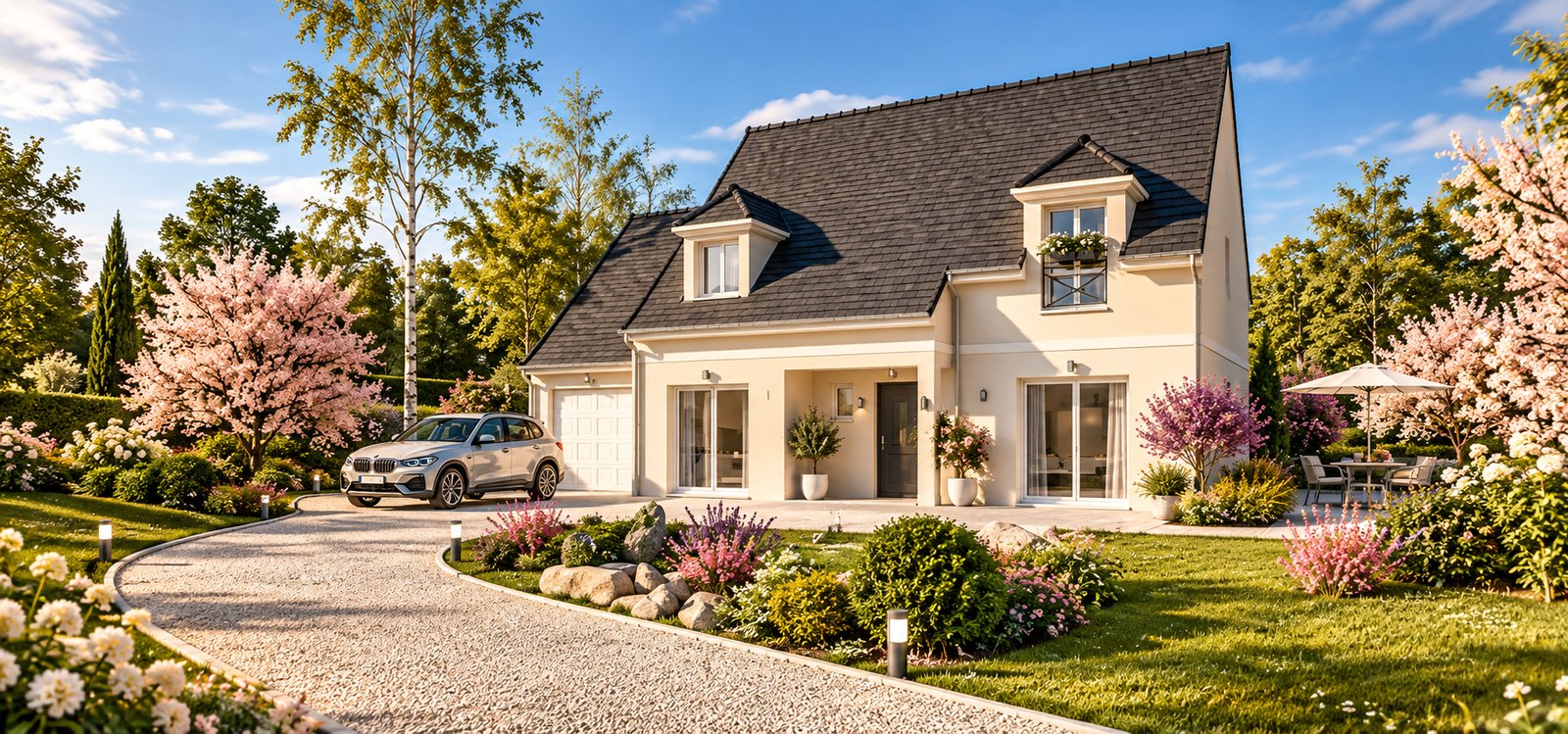
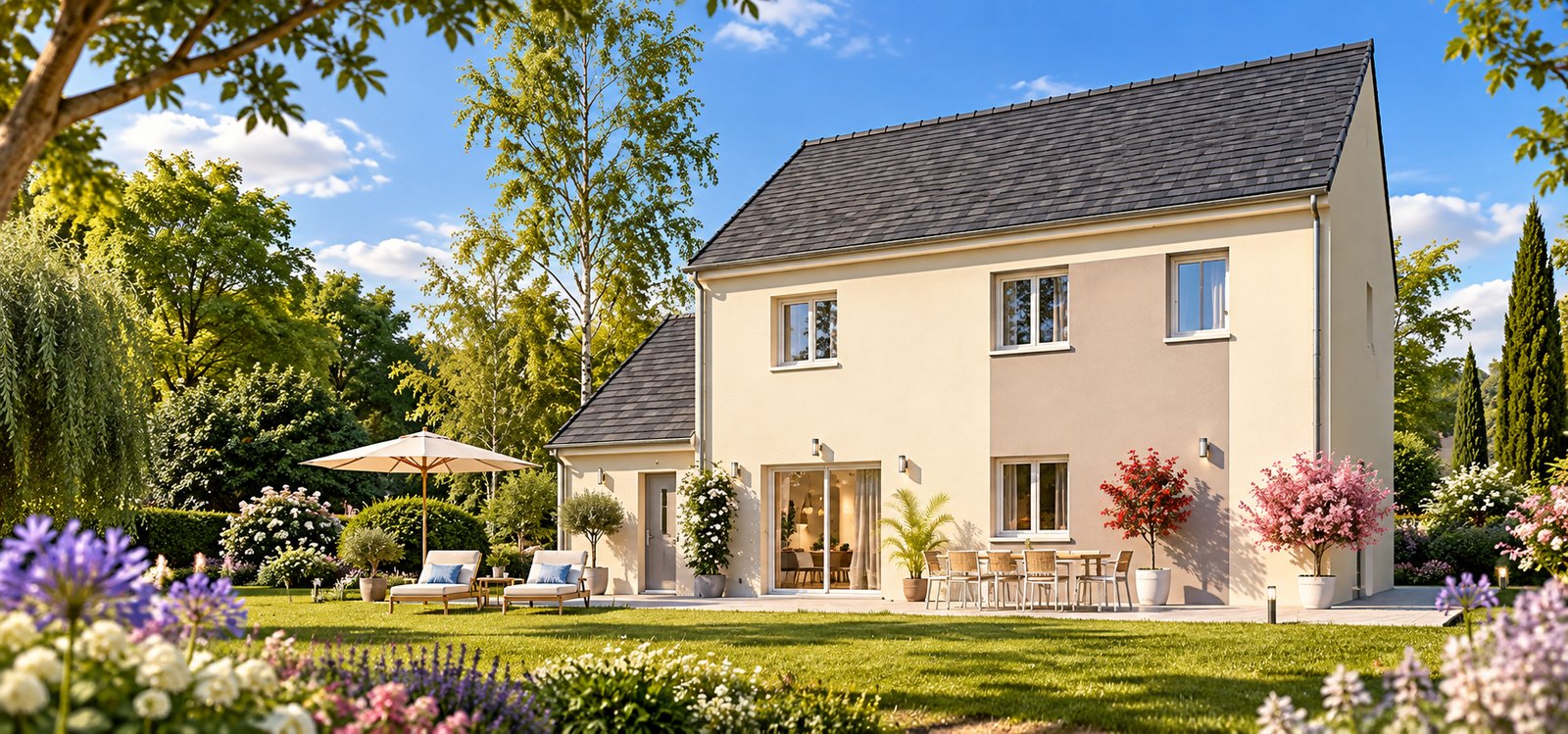
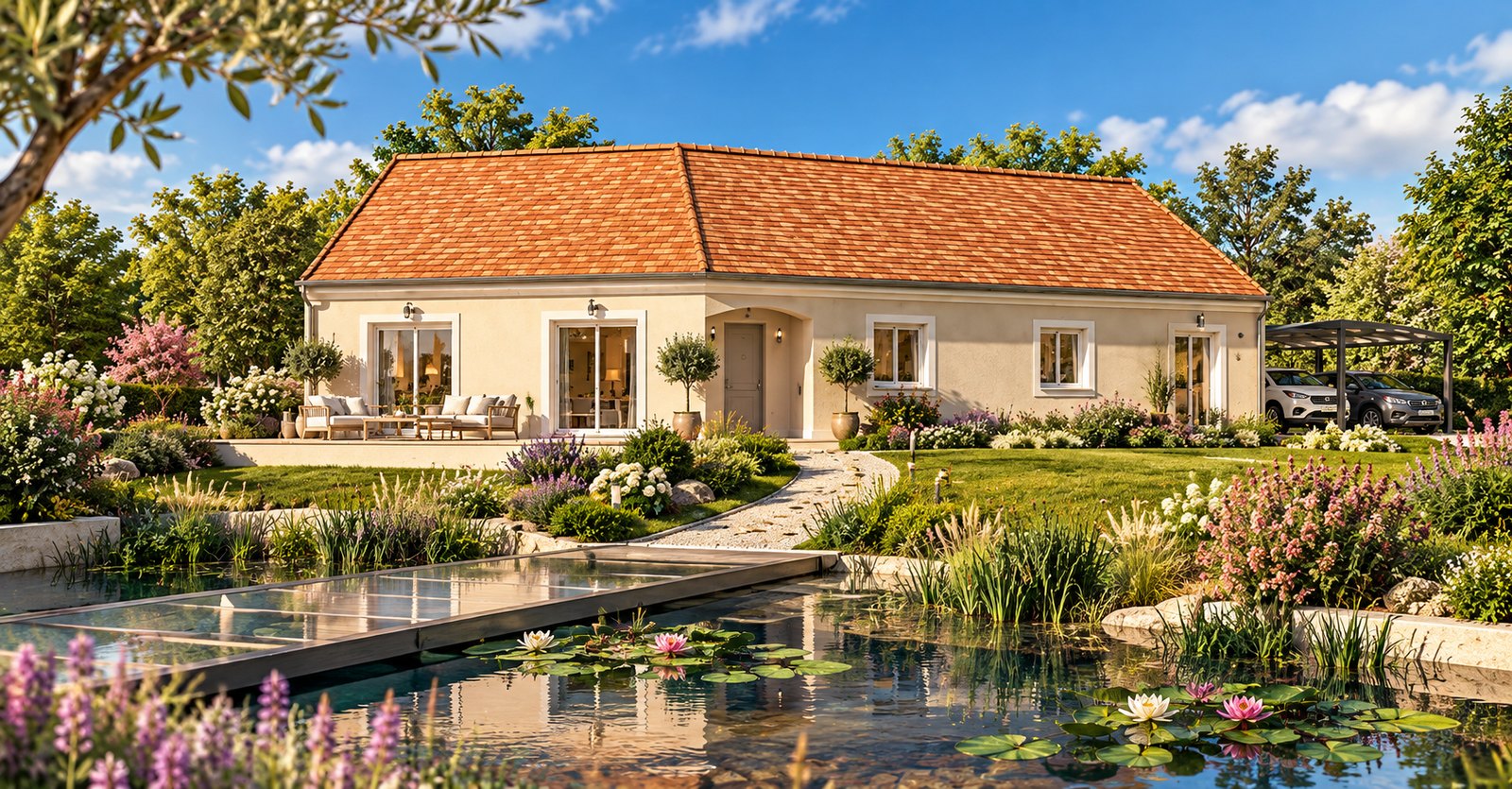
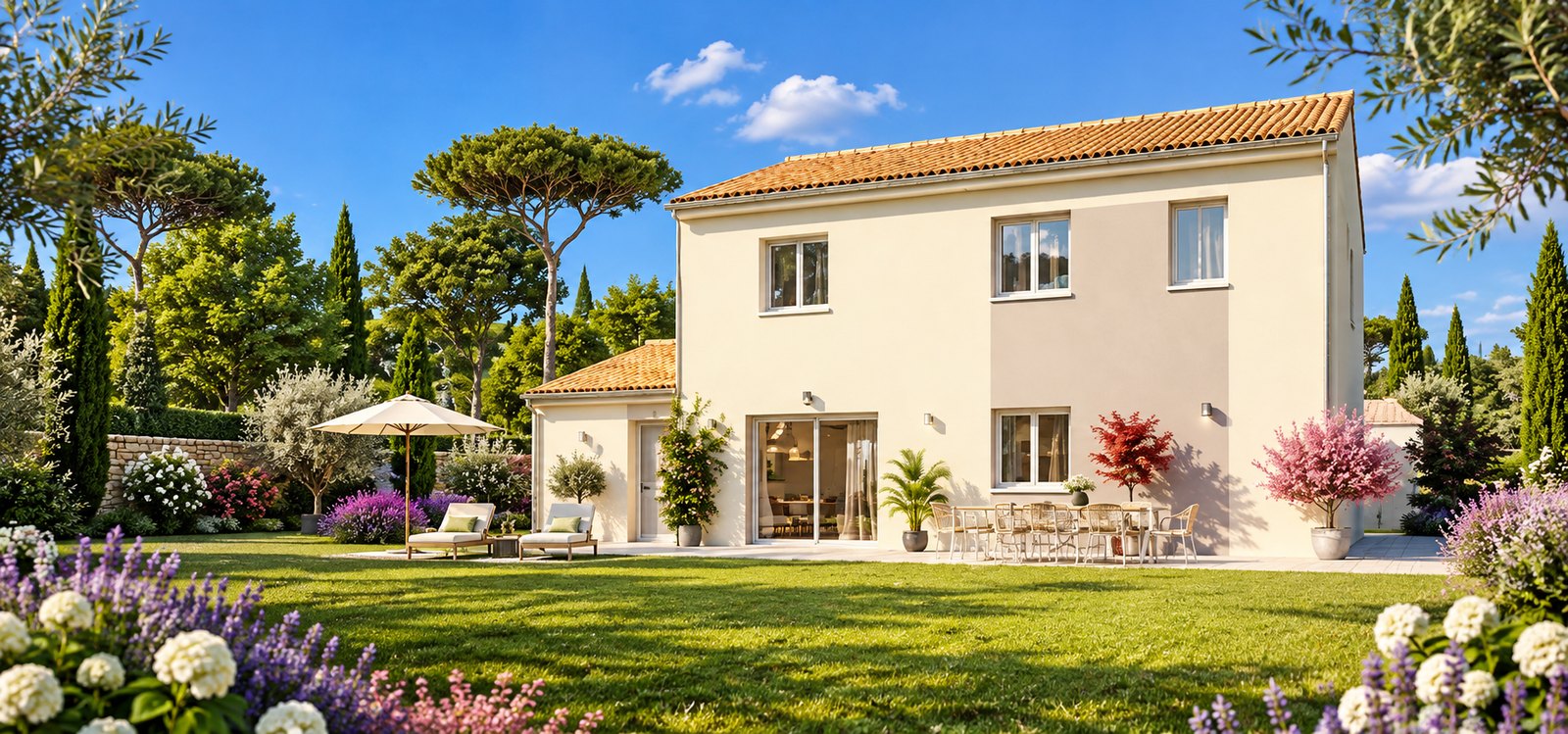
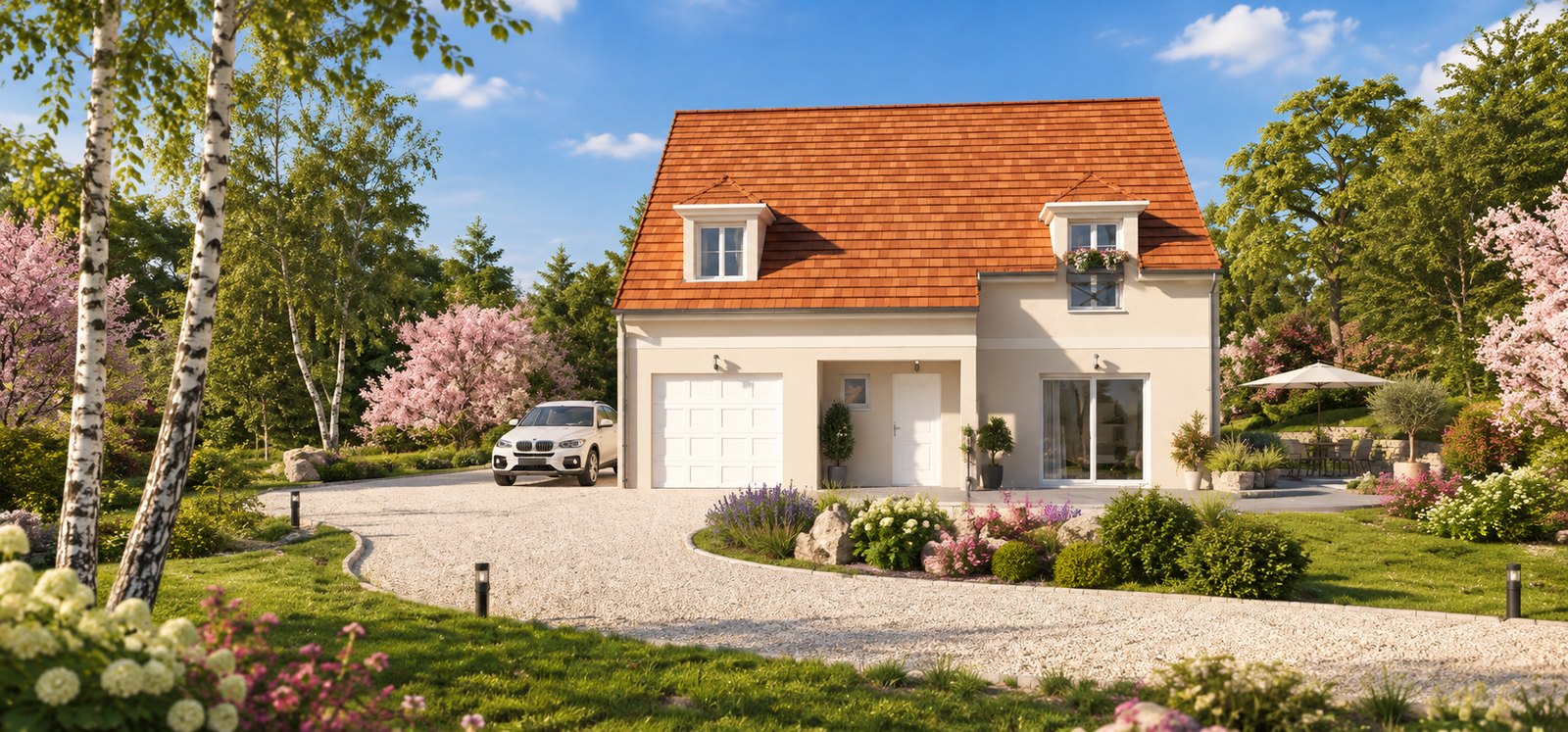
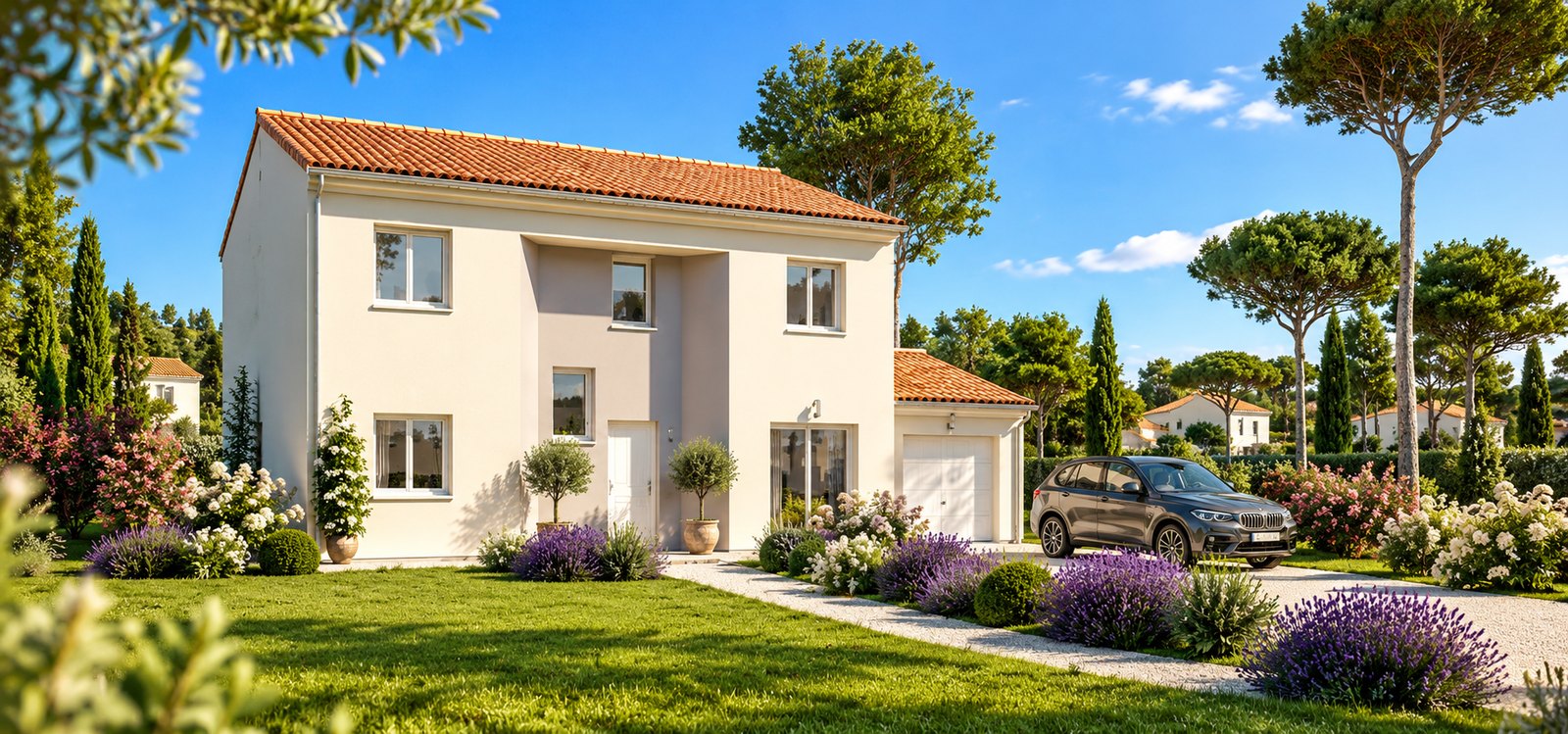
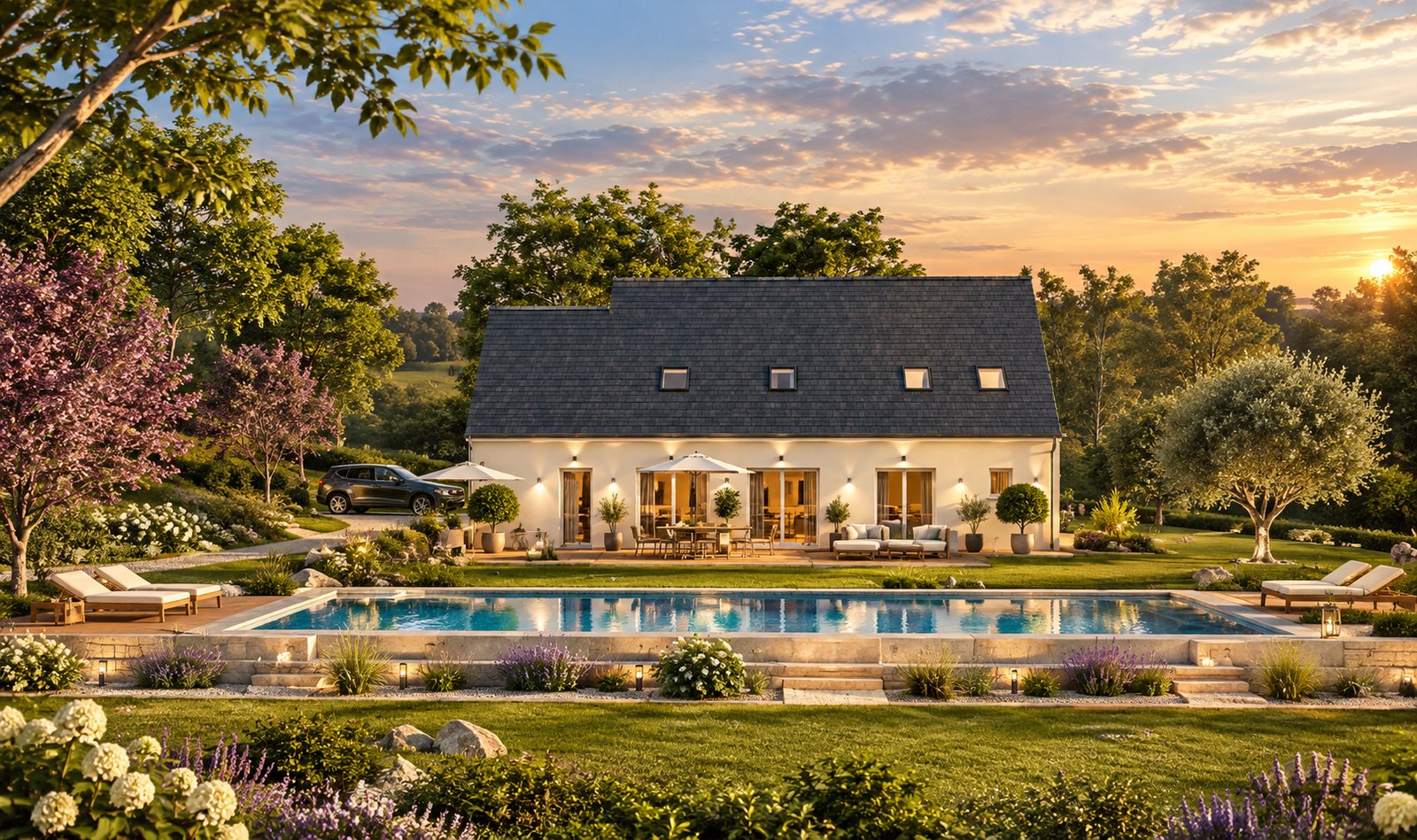
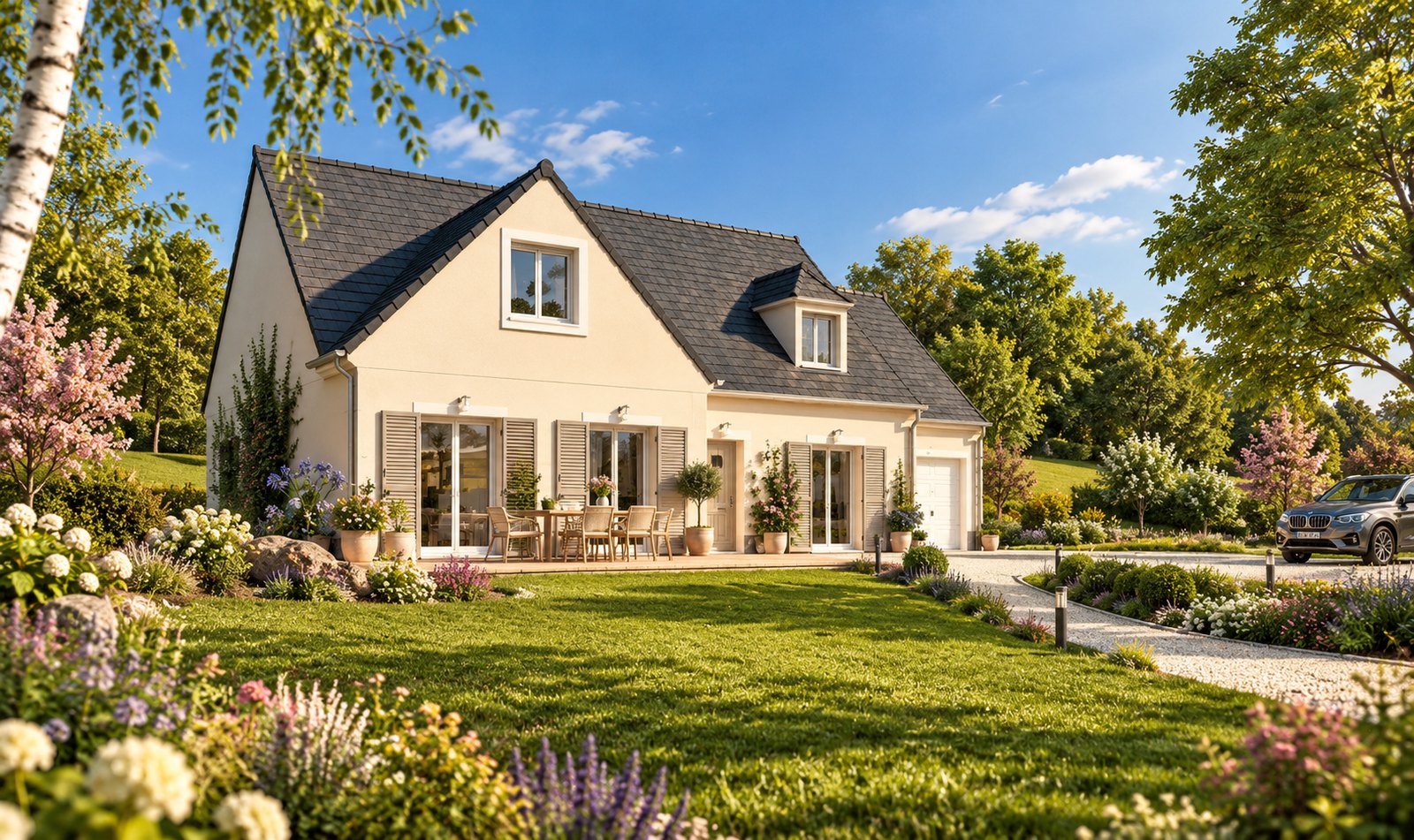
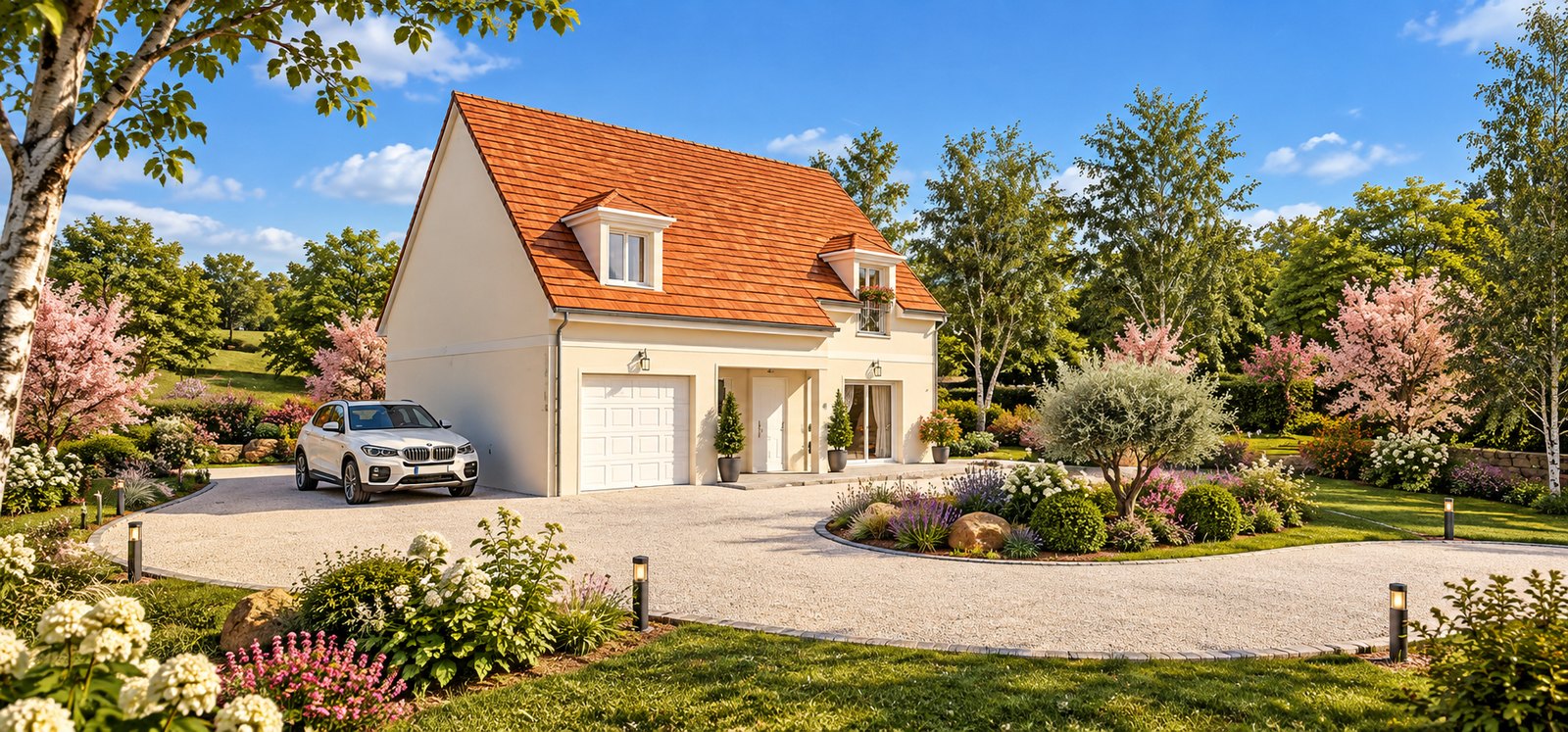
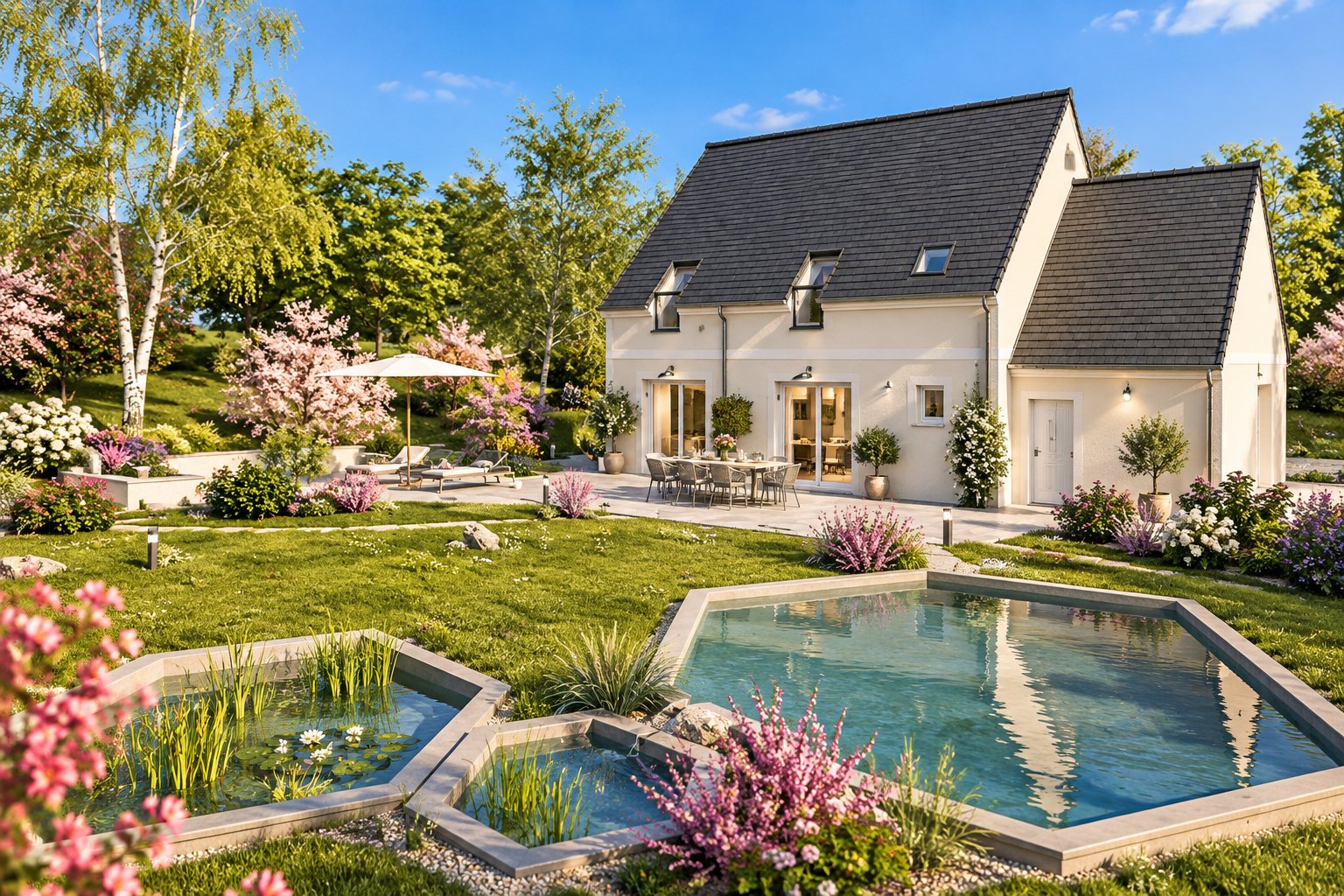
Every home below is a 150 m² house of four to five bedrooms with two bathrooms, built on a fixed-price CCMI contract with ten-year structural cover and a DPE A energy rating. See exactly what is included.