Living in Normandy
Closest corner of France · Mont-Saint-Michel half an hour away · where our land goes furthest
Normandy is the part of France that people think they know and almost always underestimate. They have heard of the landing beaches, the tapestry, the cheese and Mont-Saint-Michel, and they assume they have the measure of it.
What they have not usually seen is the south of the Manche: a deep green bocage of hedged fields and sunken lanes, granite villages, river gorges, waterfalls, and some of the cheapest building land in northern France. That is where most of our Normandy plots are, and it is half an hour from Mont-Saint-Michel and forty minutes from the sea in two directions.
The shape of the place
Normandy is five departments. Manche, the long peninsula pointing at the Channel Islands, with coast on three sides. Calvados, with Caen, Bayeux, the landing beaches and the smart resorts of the Côte Fleurie. Orne, entirely inland, horse country, and the cheapest department in the region by a distance. Eure and Seine-Maritime to the east, towards Rouen and the Alabaster Coast.
We build almost entirely in the south of the Manche, with plots also in the Orne and Calvados. It is the quietest, greenest and most affordable corner of the region.
The coast
The Manche alone has around three hundred and fifty kilometres of coastline, and it faces three different ways.
The west coast, looking at Jersey and Guernsey, is the one to know. Long sand beaches at Carteret, Barneville, Hauteville and Agon-Coutainville, backed by dunes, with a line of low cliffs at the Nez de Jobourg and some of the best sunsets in France — you are looking due west over open water. Granville, the main town, is a walled upper town on a headland with a working fishing port below, a casino, a thalassotherapy spa and a carnival in February that shuts the place down for five days. Christian Dior was born there and his childhood house is now a museum with the cliff garden his mother planted.
The north coast, around Cherbourg, is rockier and more dramatic, running out to the Cap de la Hague, which feels like Cornwall and is almost empty.
The east coast is the bay of Mont-Saint-Michel and then the landing beaches. The bay has the highest tides in Europe — the sea goes out several kilometres and comes back fast — and guided walks across the sands to the Mount are a genuine local institution. Mont-Saint-Michel itself needs no introduction, and if you build around Mortain or Saint-Hilaire-du-Harcouët it is roughly half an hour away.
The landing beaches run west to east from Utah through Omaha, Gold, Juno and Sword, with the cemeteries, the museums and the Mulberry harbour remains at Arromanches. They are busy in June and quiet the rest of the year, and they are a serious and moving thing to have on your doorstep.
Inland
The Mortainais, around Mortain-Bocage, is where the Normandy bocage turns dramatic. The Cance river cuts a gorge through the granite with two waterfalls in it — the Grande Cascade drops around twenty-five metres and is a ten-minute walk from the town centre. There is a twelfth-century abbey, the Abbaye Blanche, and a long-distance path network through the woods. The town has shops, a market, a school and a medical centre. This is our biggest single cluster of plots in Normandy.
Saint-Hilaire-du-Harcouët, fifteen minutes south, has one of the great markets of the region on a Wednesday — it draws people from three departments.
Villedieu-les-Poêles, half an hour north, is the copper town. It has been beating copper pans since the Middle Ages and still does, in workshops open to visitors, and it has the last working bell foundry in France — the Cornille-Havard foundry has cast bells for cathedrals across the world and you can watch them do it. The town itself is handsome grey granite and the Saturday market is excellent.
Sourdeval, Le Fresne-Poret, Gathemo and Saint-Martin-de-Landelles sit in the high bocage, rolling and hedged, with long views and almost no traffic.
The Suisse Normande, east of Vire, is the walking and climbing country — the Orne river has cut cliffs and loops through the hills, and there is kayaking, via ferrata and paragliding around Clécy.
Domfront, in the Orne, is a medieval hill town with a ruined keep, half-timbered streets and the perry orchards all round it. Hambye has a ruined abbey in a wooded valley that is one of the most atmospheric places in the Manche. Cerisy-la-Salle has a Renaissance château that runs an international conference programme.
What makes it Norman
Normandy was a duchy before it was French, settled by Norsemen in the tenth century, and it ran England for three hundred years. The architecture tells the story: Romanesque abbeys, keeps, and the great churches at Caen built by William and Matilda.
The Bayeux Tapestry is seventy metres of eleventh-century embroidery telling the story of 1066, and it is displayed in Bayeux, which also has one of the few Norman towns to come through 1944 undamaged.
The Impressionists came for the light. Monet's garden at Giverny, the cliffs at Étretat, the harbour at Honfleur — Normandy is where a great deal of nineteenth-century French painting was actually made, and the Normandie Impressionniste festival returns every few years.
The half-timbering. The Pays d'Auge in Calvados is the postcard Normandy of black-and-white framed houses, manor farms and cider orchards. In the Manche the building material is granite instead, which is sterner and, to some eyes, handsomer.
Eating in Normandy
Normandy is dairy country, and it is unapologetic about it.
The cheeses. Four with protected status: Camembert, from the village of that name in the Orne; Livarot, banded with reed and known as the colonel; Pont-l'Évêque, square and washed-rind; and Neufchâtel, which comes heart-shaped. A Norman cheeseboard is a serious proposition.
Cream and butter. Isigny-sur-Mer has protected status for both, and Norman butter and crème fraîche are genuinely different from the supermarket default. Everything is cooked in them: chicken vallée d'Auge, sole normande, mussels in cream.
The sea. Scallops — coquilles Saint-Jacques — from Port-en-Bessin and Granville, dredged in a season that runs through the winter and celebrated with festivals. Oysters from Saint-Vaast and the bay. Granville is one of the biggest shellfish ports in France.
Agneau de pré-salé, the salt-marsh lamb from the bay of Mont-Saint-Michel, which grazes on grass covered by the tide and tastes of it. It has its own appellation and it is one of the great French meats.
Teurgoule, the Norman rice pudding, baked for hours with cinnamon until it has a dark skin. Tripes à la mode de Caen for the brave. Andouille de Vire, a smoked chitterling sausage from our own corner, eaten in thin slices. Tarte normande, apples and custard.
Drinking in Normandy
No wine at all, and nobody minds.
Cider. The Pays d'Auge cider has protected status and is the one to seek out — dry, complex and more like a farmhouse wine than anything you will find in a supermarket.
Poiré du Domfrontais. Perry — pear cider — from the orchards around Domfront, with its own appellation and made from pears grown on enormous old trees. It is delicate, slightly sparkling and quite unlike anything else. It is also made within a few minutes of our Orne plots.
Calvados, apple brandy, aged in oak. The trou normand — a glass of it in the middle of a long meal — is a real custom and not a joke.
Pommeau, apple juice fortified with calvados and aged, drunk as an aperitif. Start here if the calvados seems daunting.
Markets
Saint-Hilaire-du-Harcouët has the big one for our area and it is a major event, drawing people from three departments. Villedieu-les-Poêles, Mortain, Sourdeval, Avranches, Domfront and Granville — where the fish comes straight off the boats — all hold their own. Days do shift, so check with the mairie or the tourist office before setting out.
The weather, honestly
Normandy is green because it rains, and it is worth being straightforward about that. It is not heavy rain and it is not constant, but there is more of it than in the Vendée. In exchange you get a mild climate with very few extremes, grass that stays green through August, and summers that are warm rather than punishing. The west coast of the Manche gets more sun than the interior.
Getting there and back
Normandy is the closest part of France to Britain and Ireland, and that is its single biggest practical advantage.
Ferries. Cherbourg to Poole and Portsmouth, and to Rosslare and Dublin. Caen-Ouistreham to Portsmouth. Le Havre to Portsmouth. From our Manche plots, Cherbourg is around ninety minutes and Caen about the same.
The Channel Islands. Fast ferries from Granville and Carteret to Jersey and Guernsey, in about an hour.
Trains. The Granville line runs to Paris Montparnasse in around three hours, with stations at Villedieu-les-Poêles and Vire. Caen to Paris Saint-Lazare is about two hours.
Airports. Caen, Deauville, Rennes and Nantes are all within reach, and Paris is a train away.
Schools, doctors and the practical side
Avranches, Saint-Lô, Granville, Vire and Flers all have hospitals, and Caen has the regional teaching hospital. Our plots are generally within twenty to thirty minutes of a hospital and within a few minutes of a doctor and a pharmacy — but as everywhere in rural France, ask about the specific commune rather than assume.
Villages have primary schools, the towns have collèges and lycées, and the system is free and well regarded.
Where we build in Normandy
Overwhelmingly in the southern Manche: Mortain-Bocage, Saint-Brice-de-Landelles, Saint-Martin-de-Landelles, Les Loges-Marchis, Romagny-Fontenay, Grandparigny, Moulines, Saint-Hilaire-du-Harcouët, Sourdeval, Le Fresne-Poret, Gathemo, Villedieu-les-Poêles, Hambye, Cerisy-la-Salle, Le Mesnil-Eury, Le Mesnil-Ozenne, Le Mesnil-Raoult, Feugères and Neufmesnil. Also Domfront and Passais in the Orne, and Vire Normandie in Calvados.
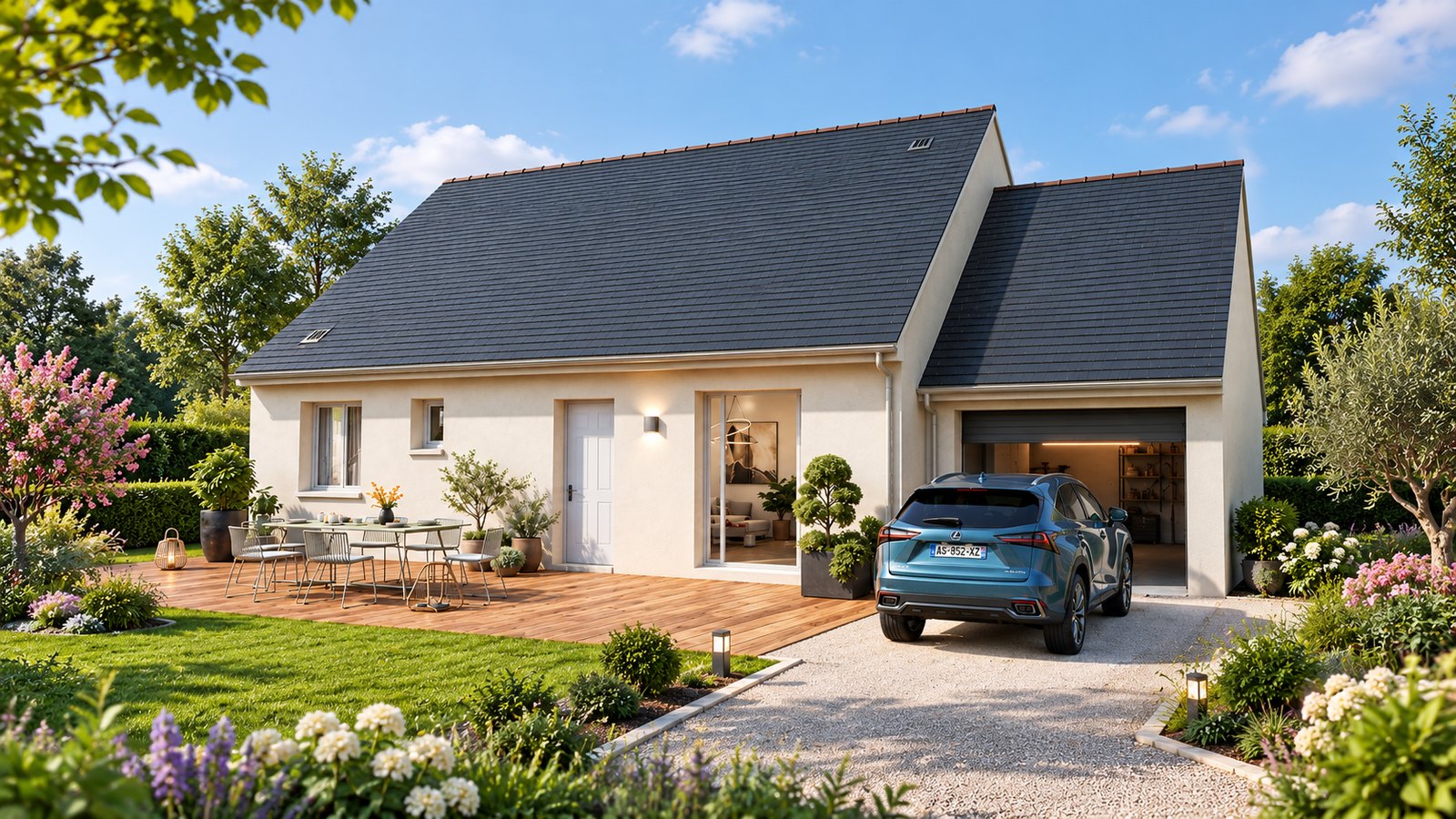
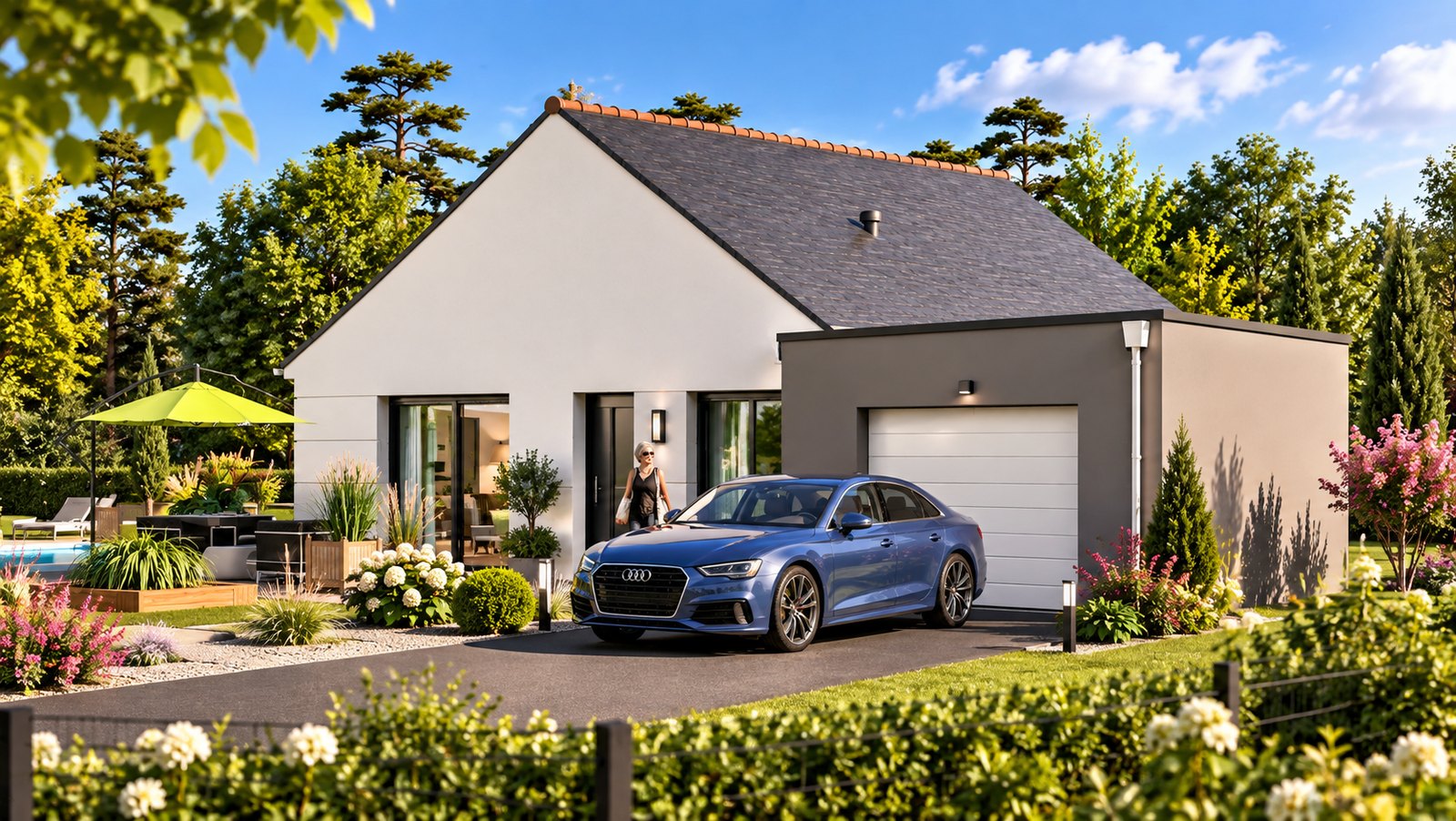
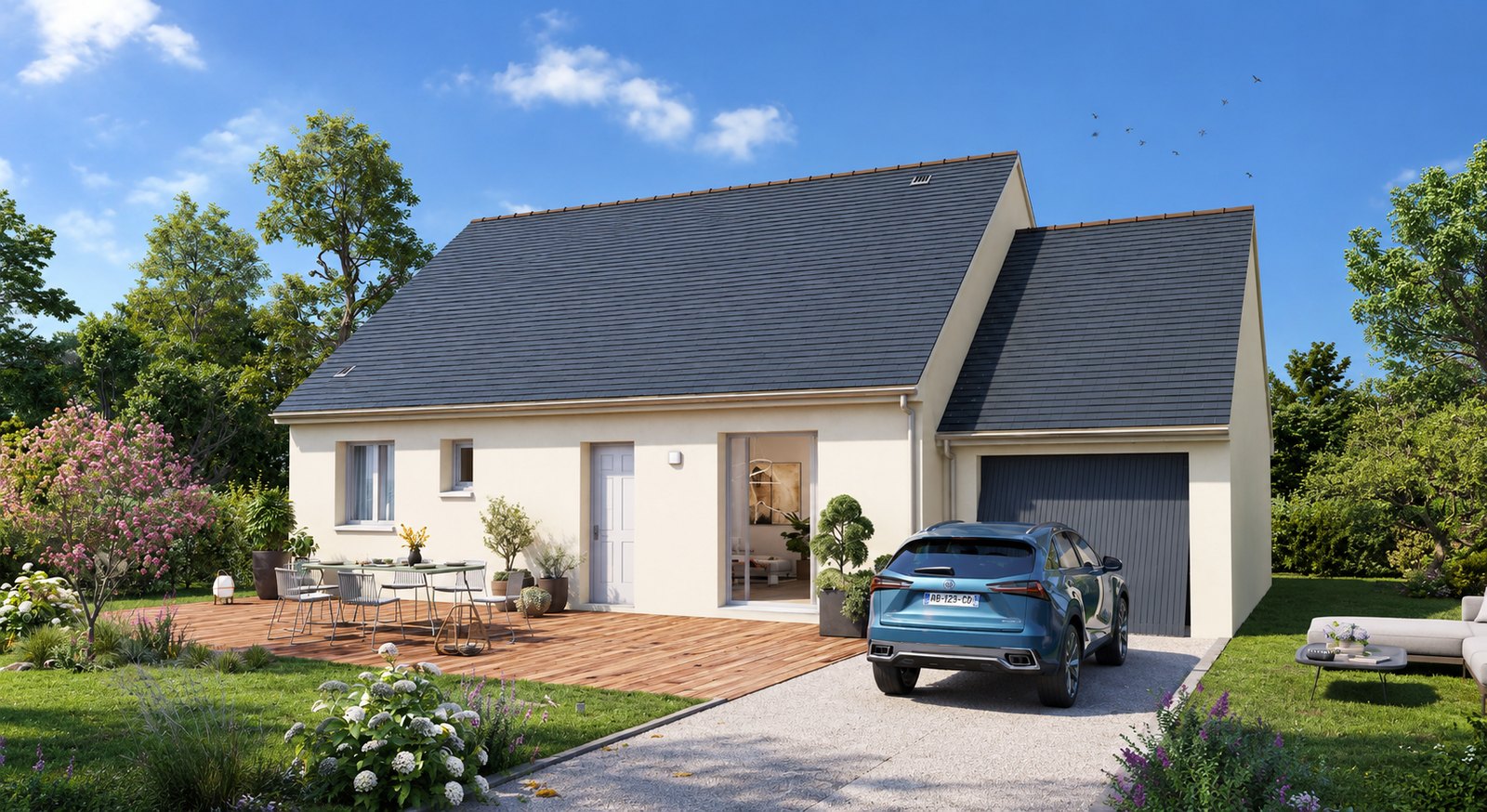
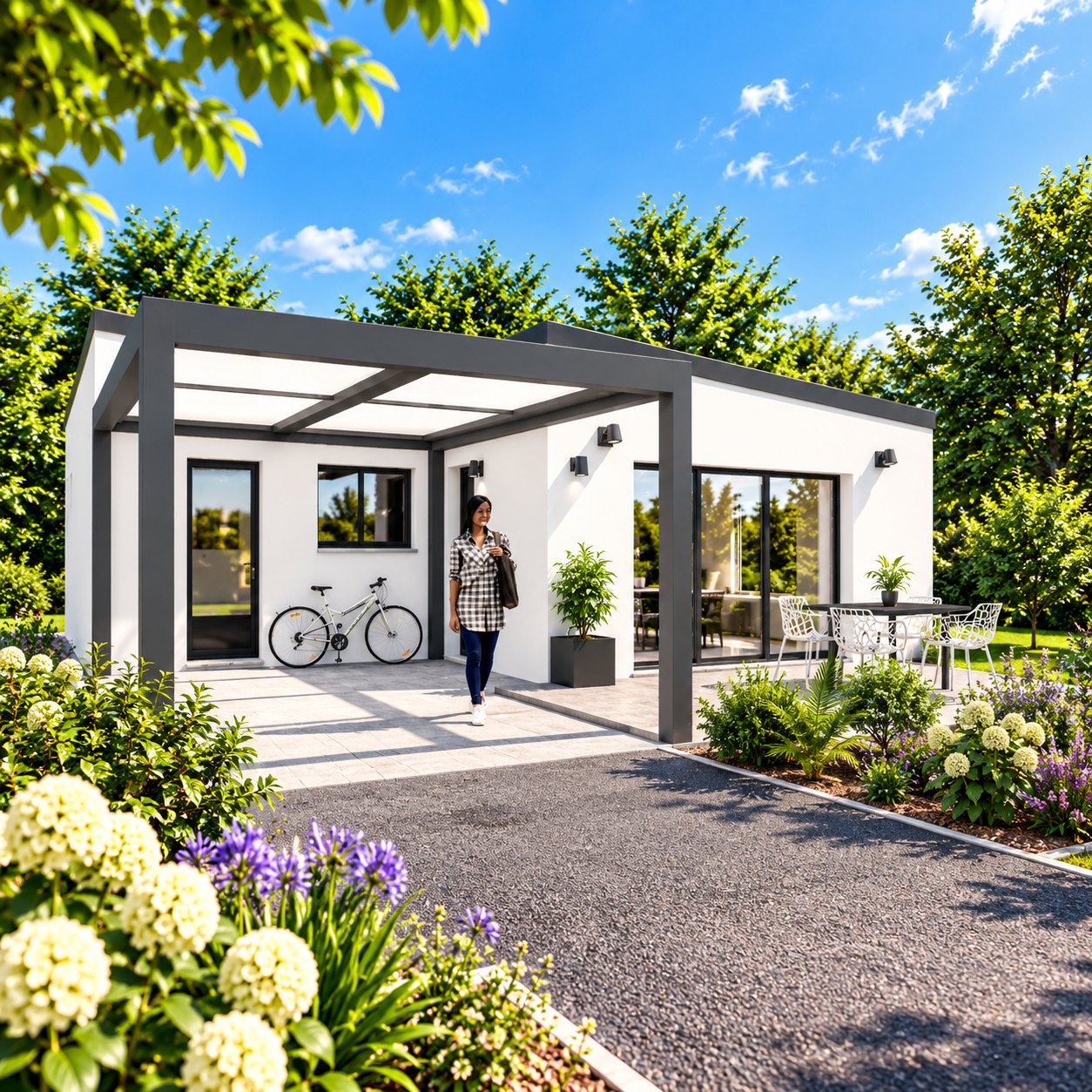
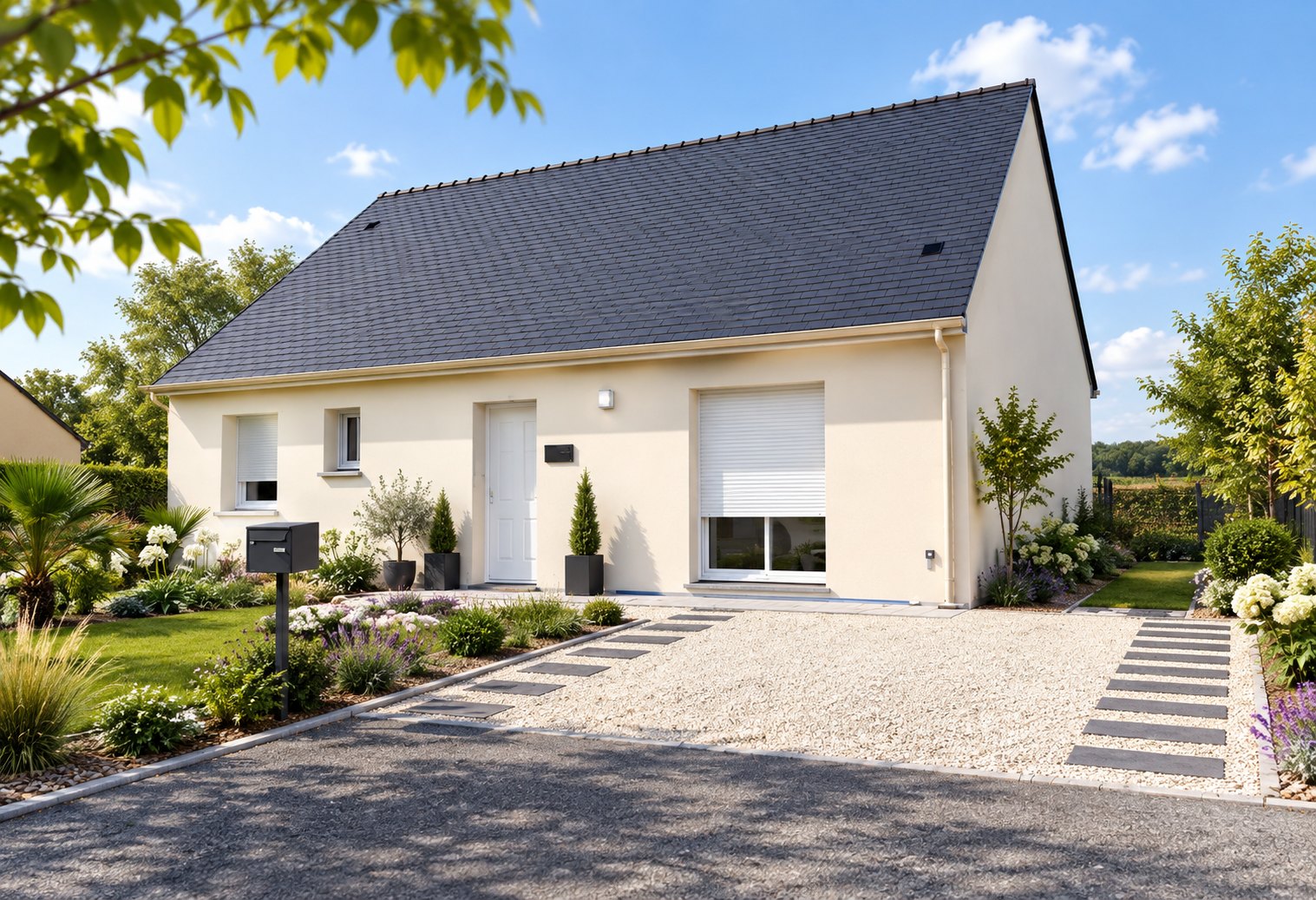
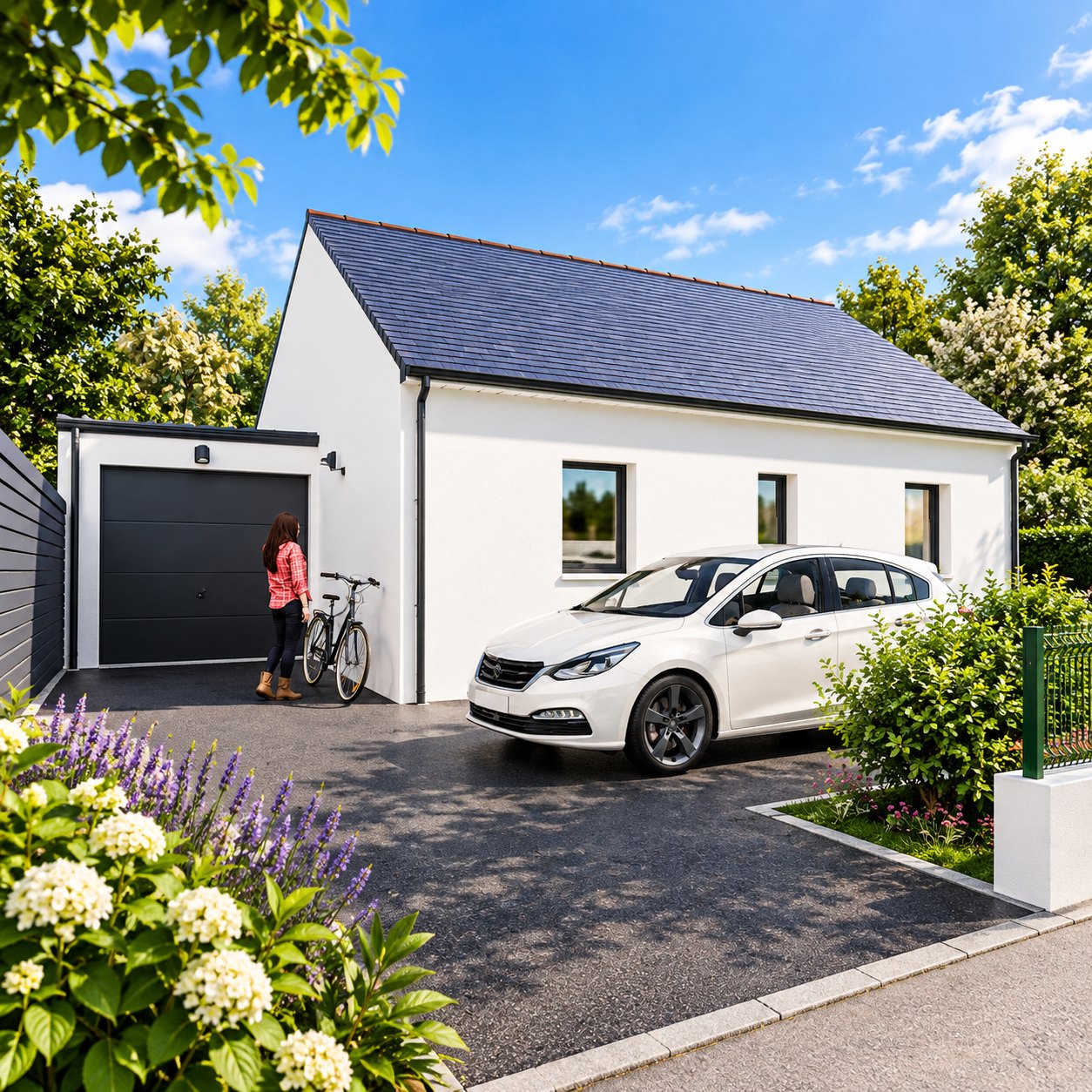
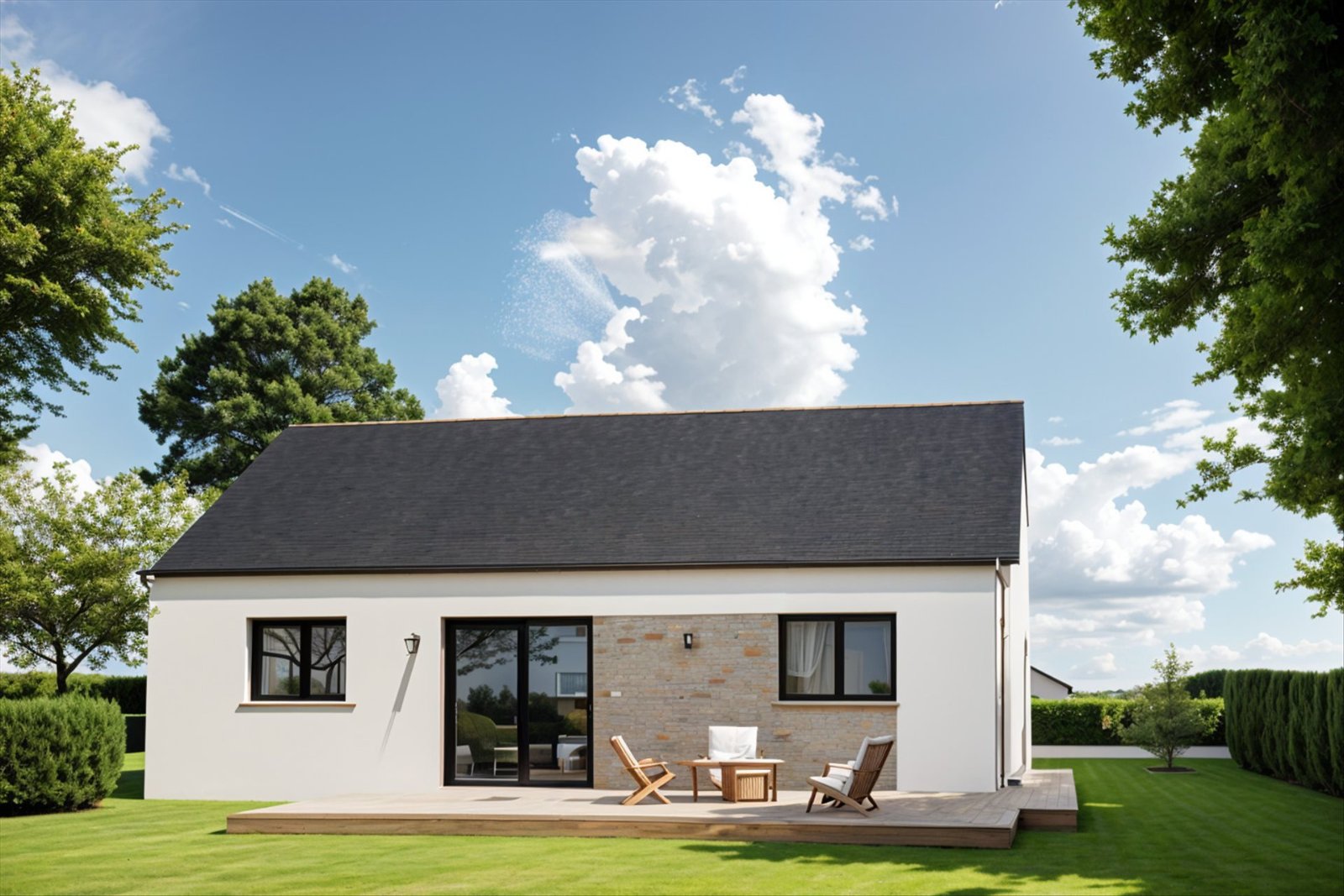
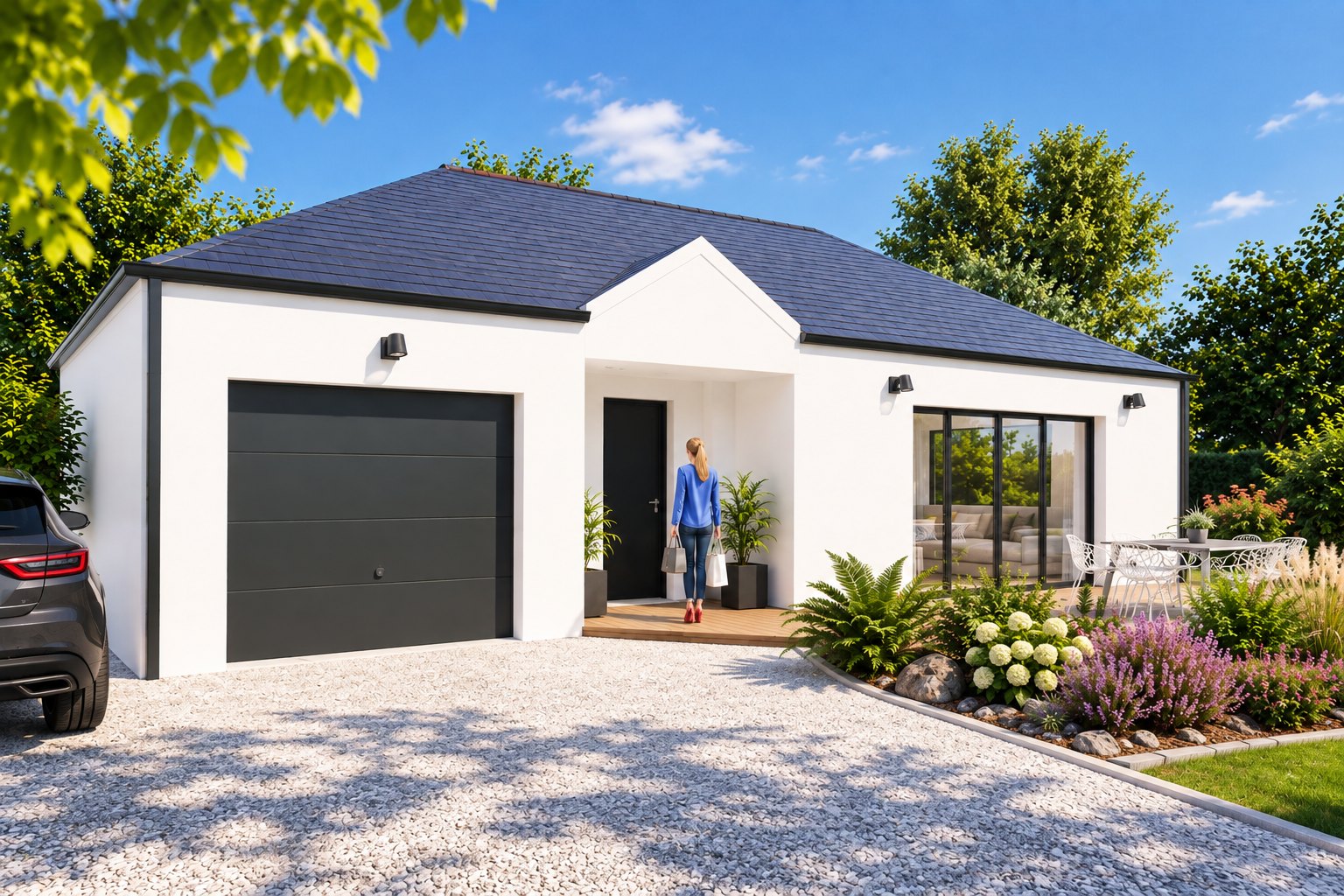
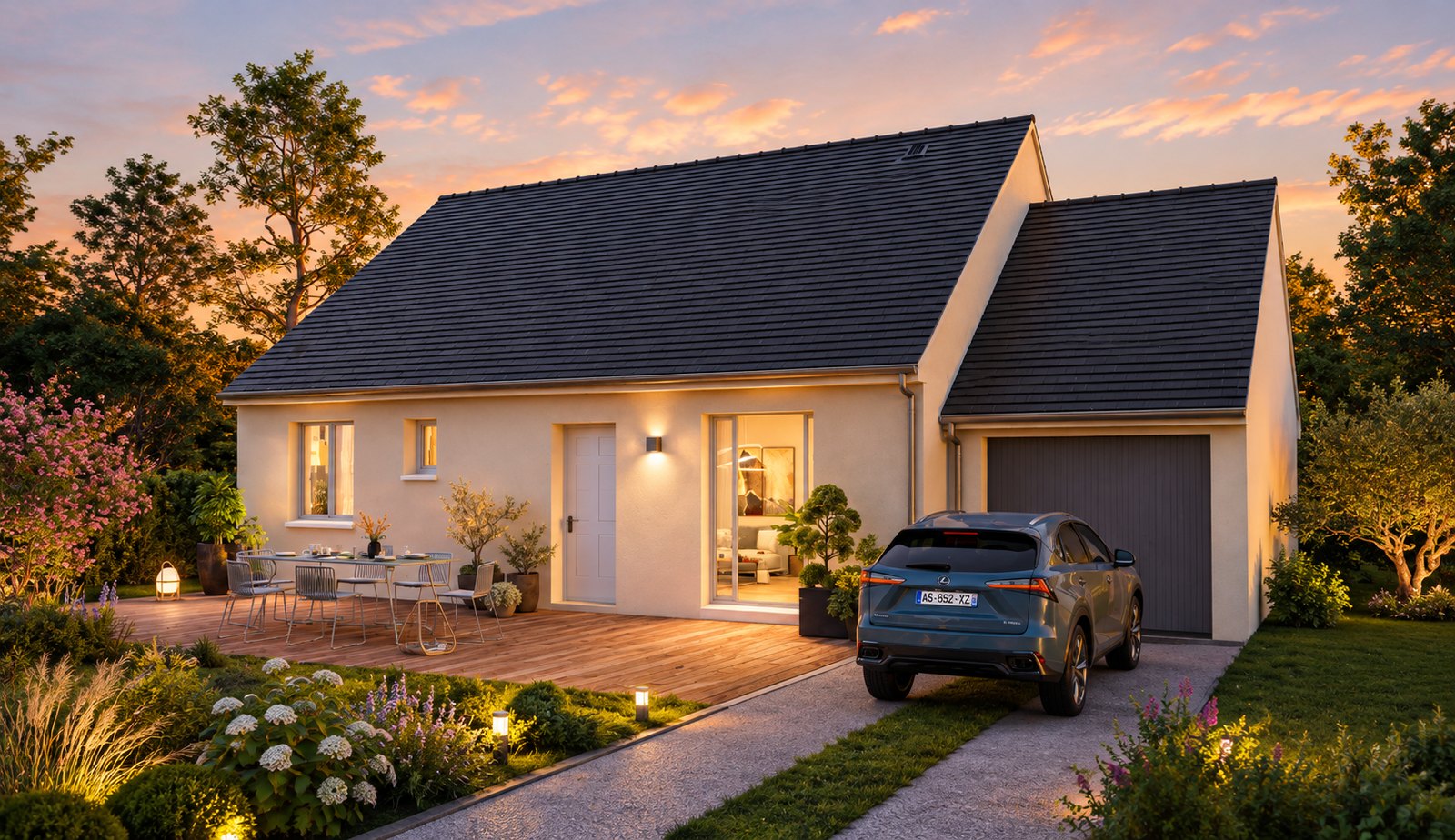
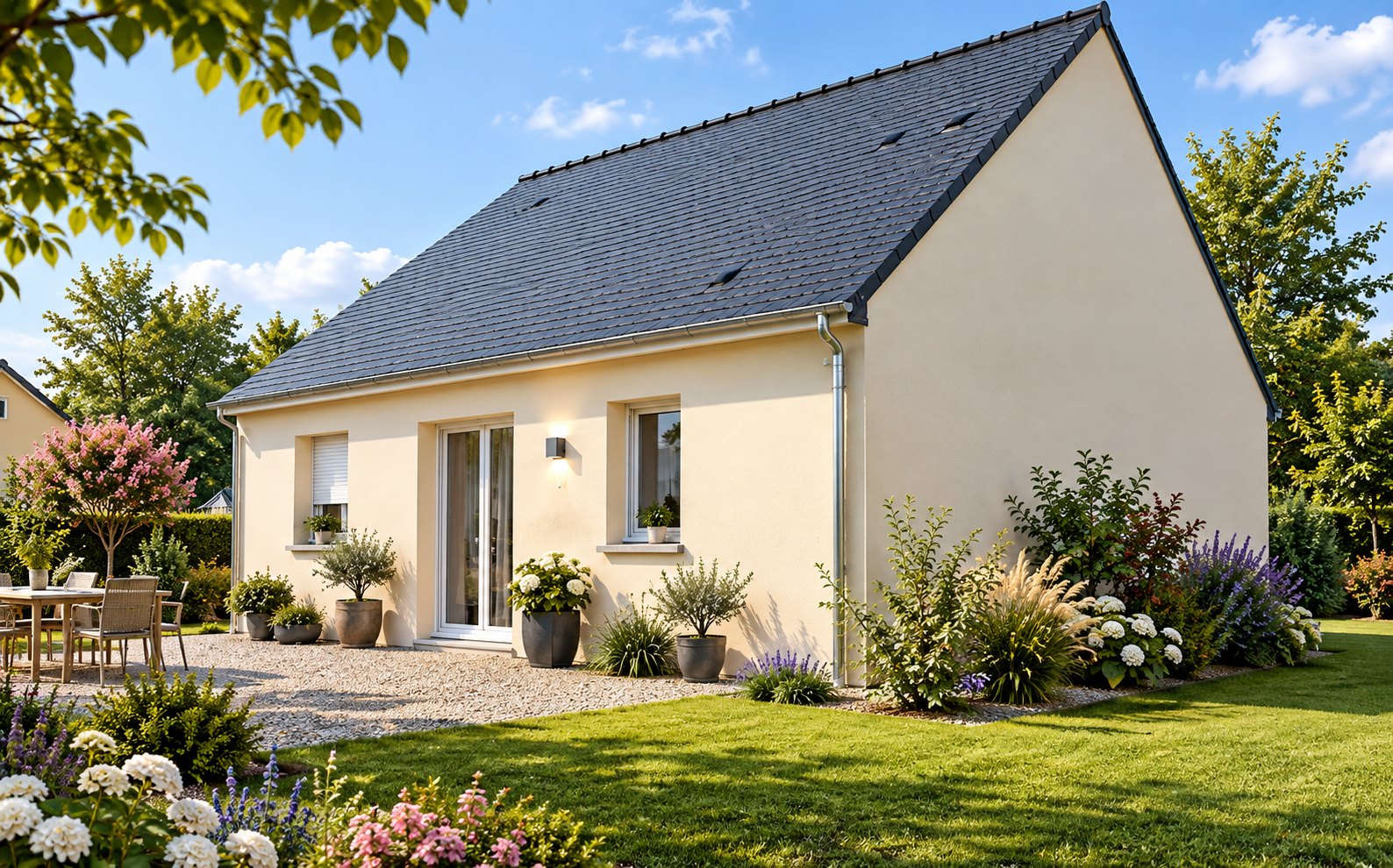
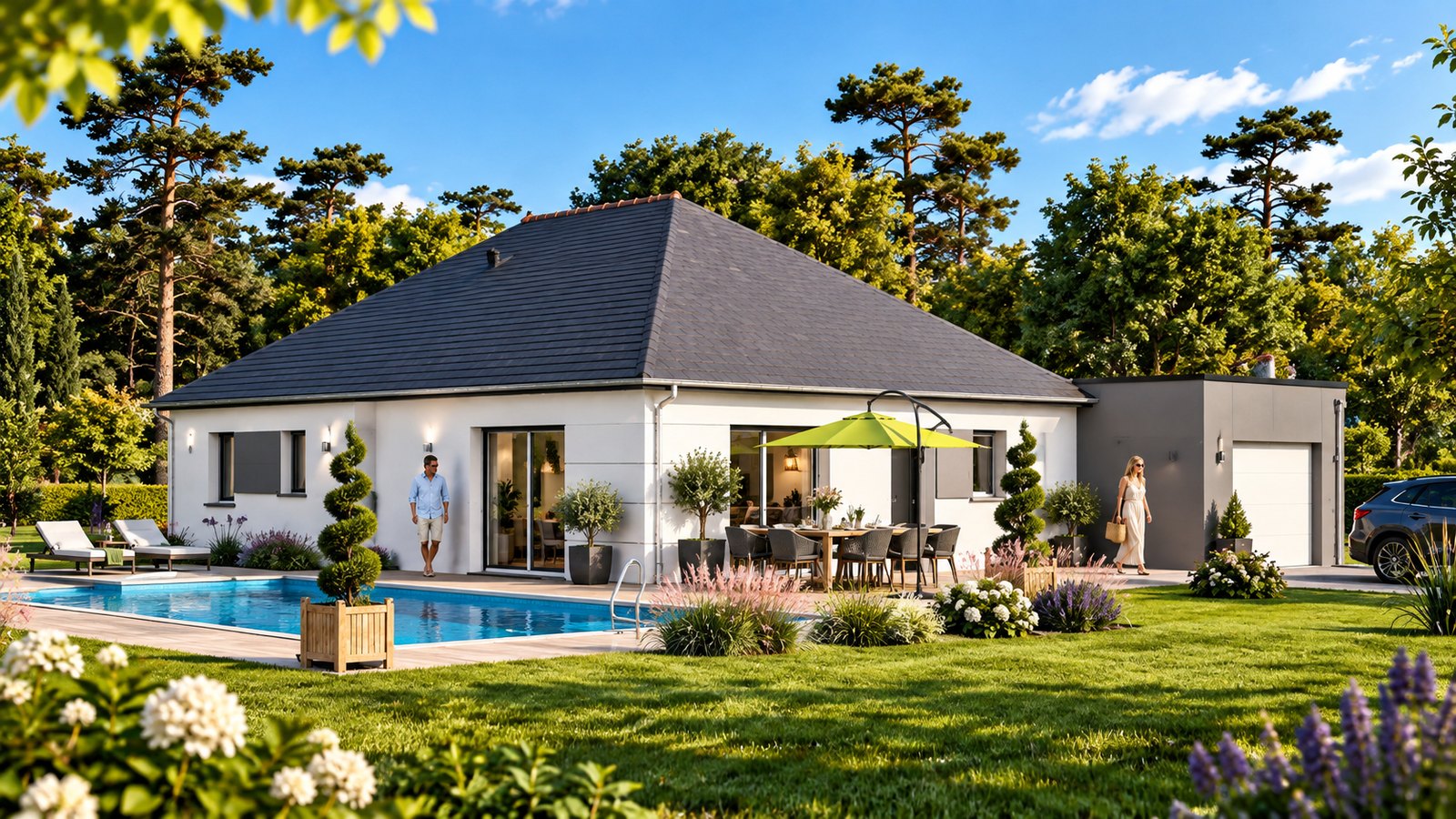
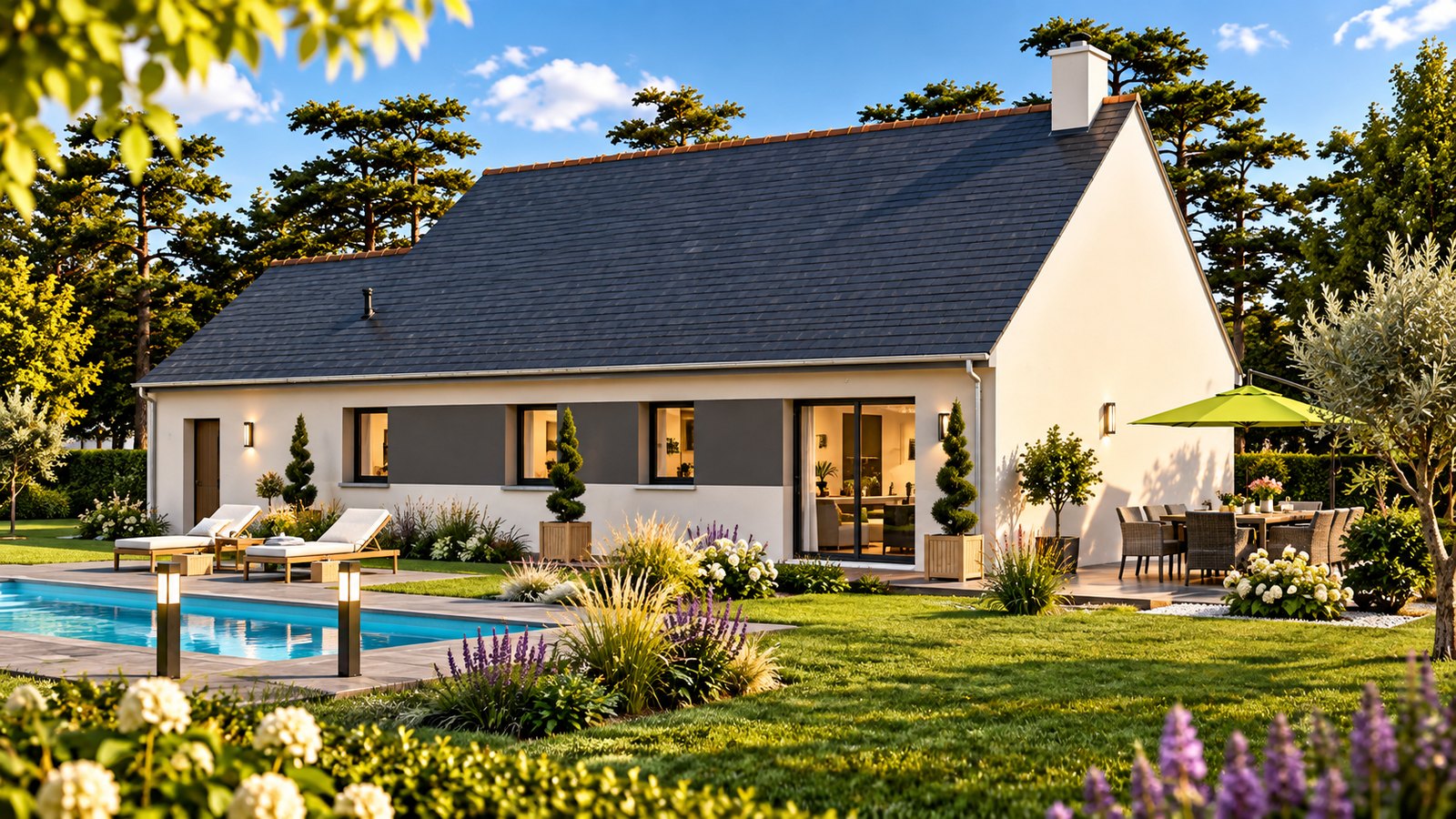
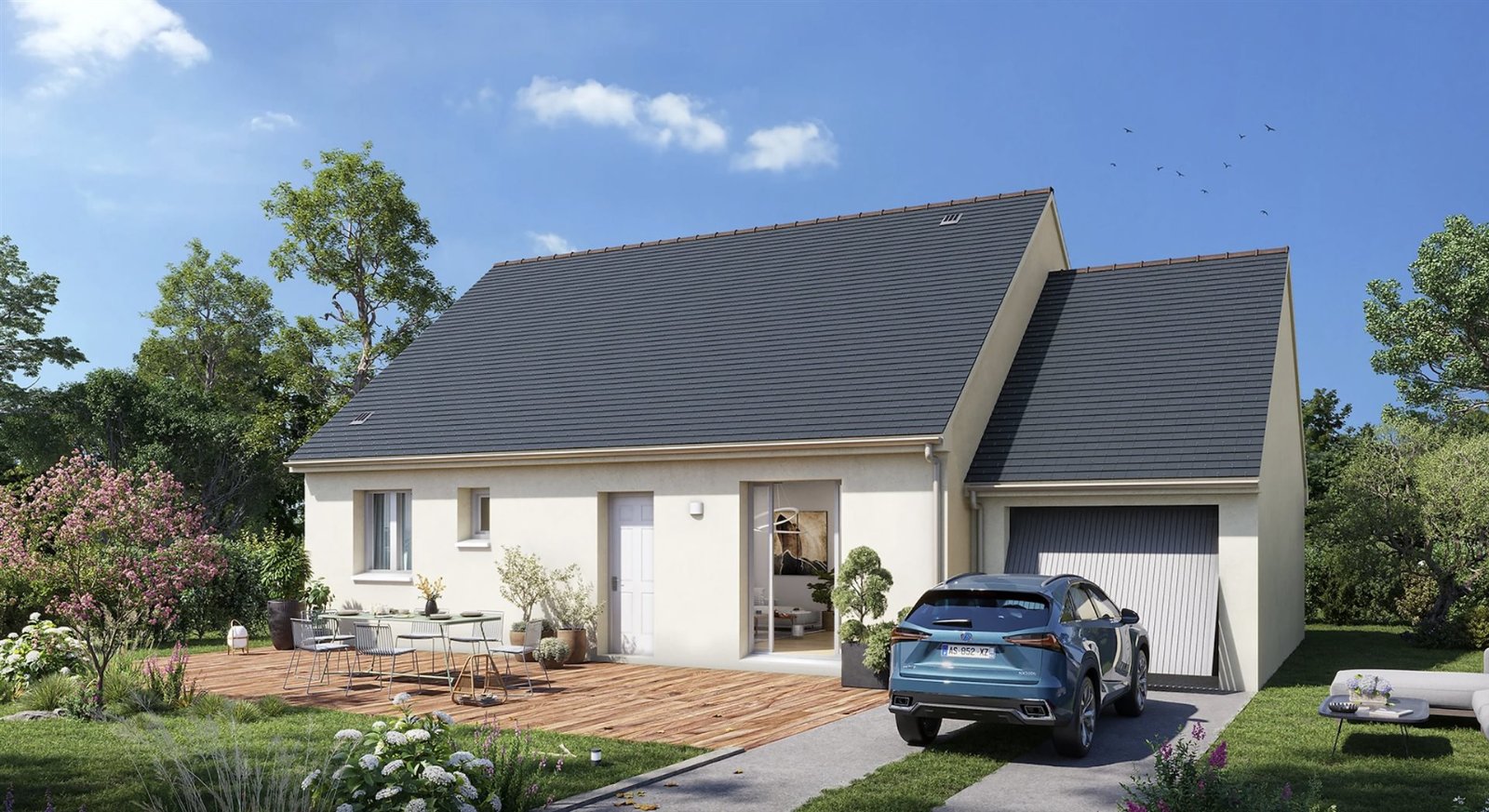
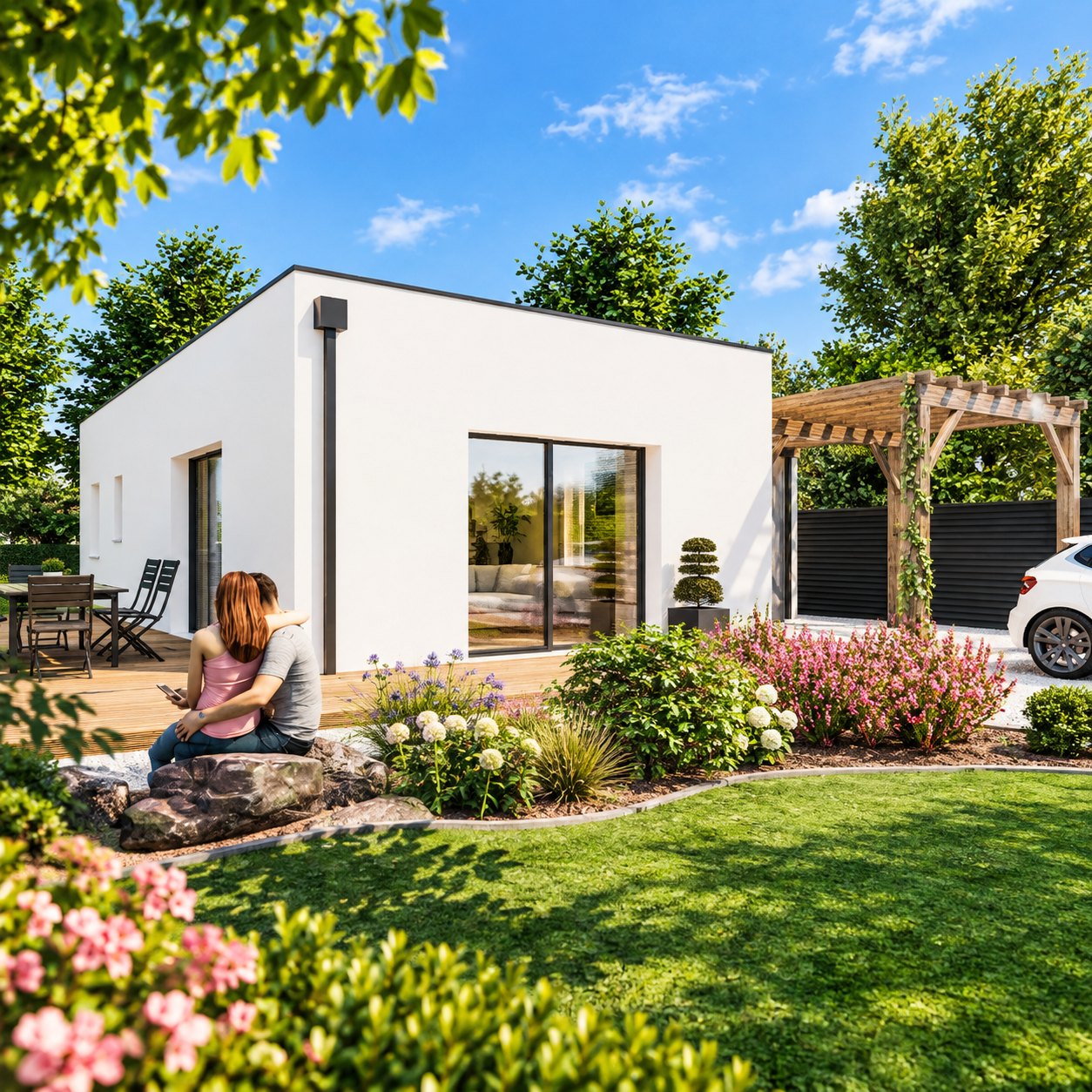
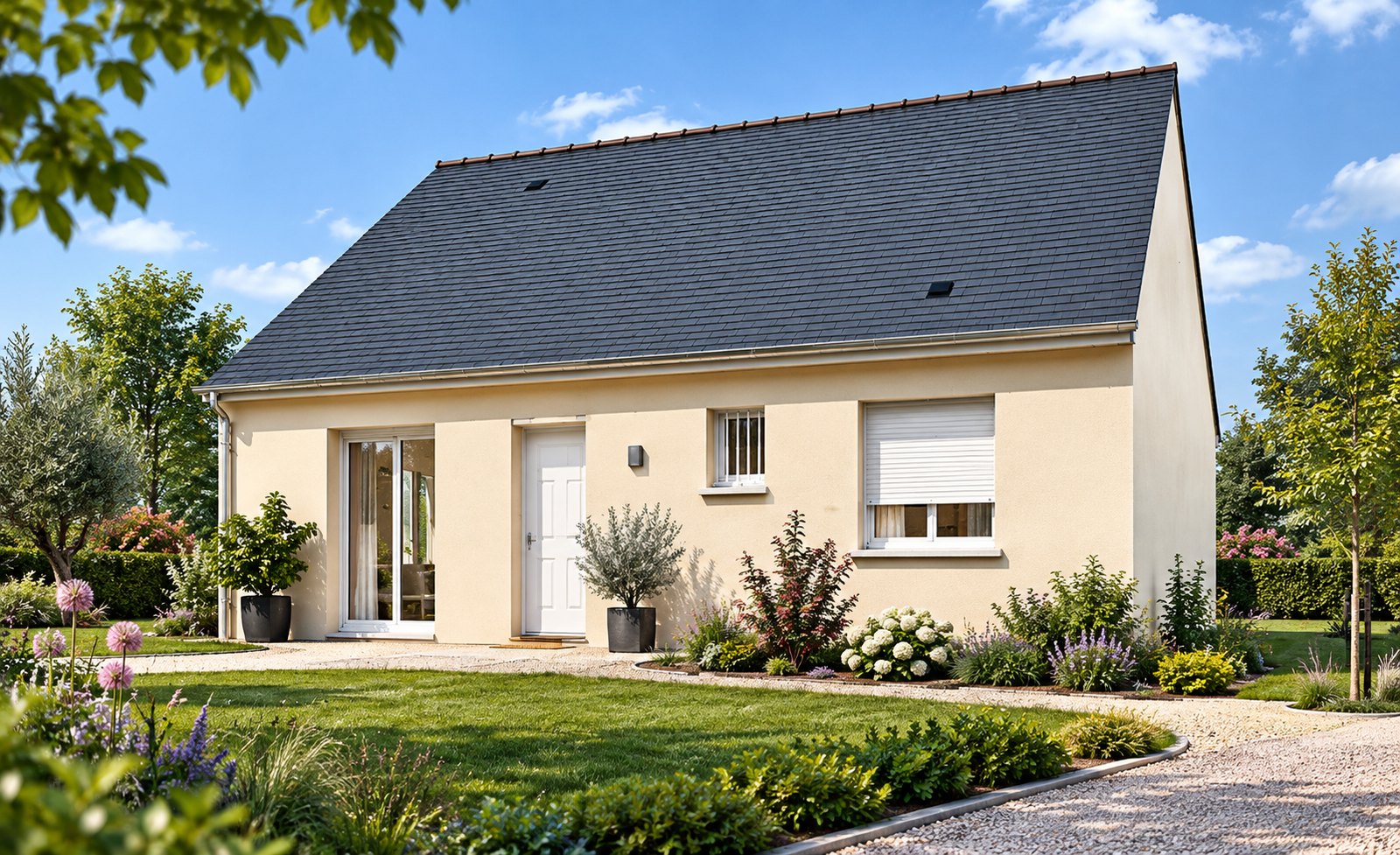
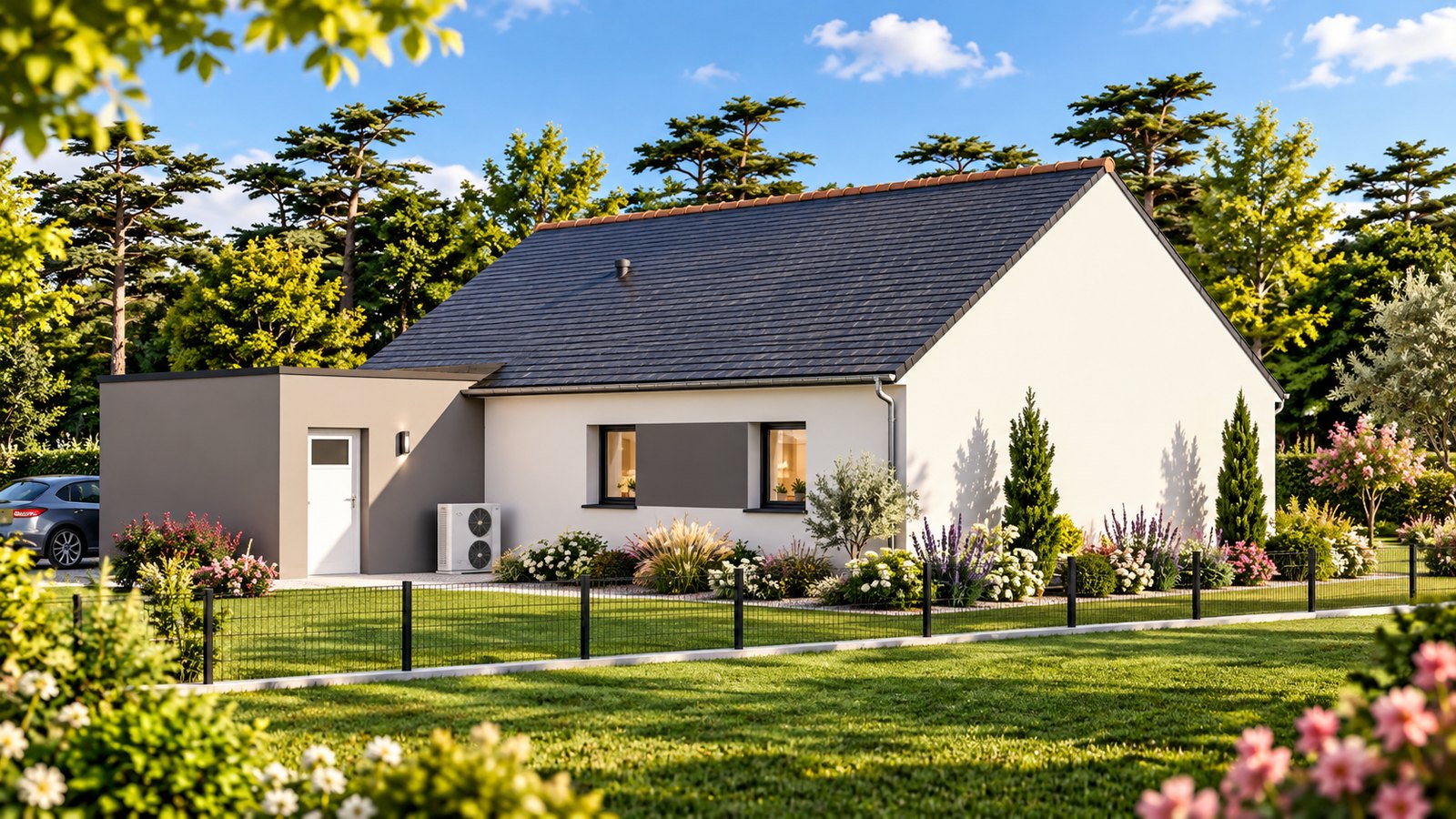
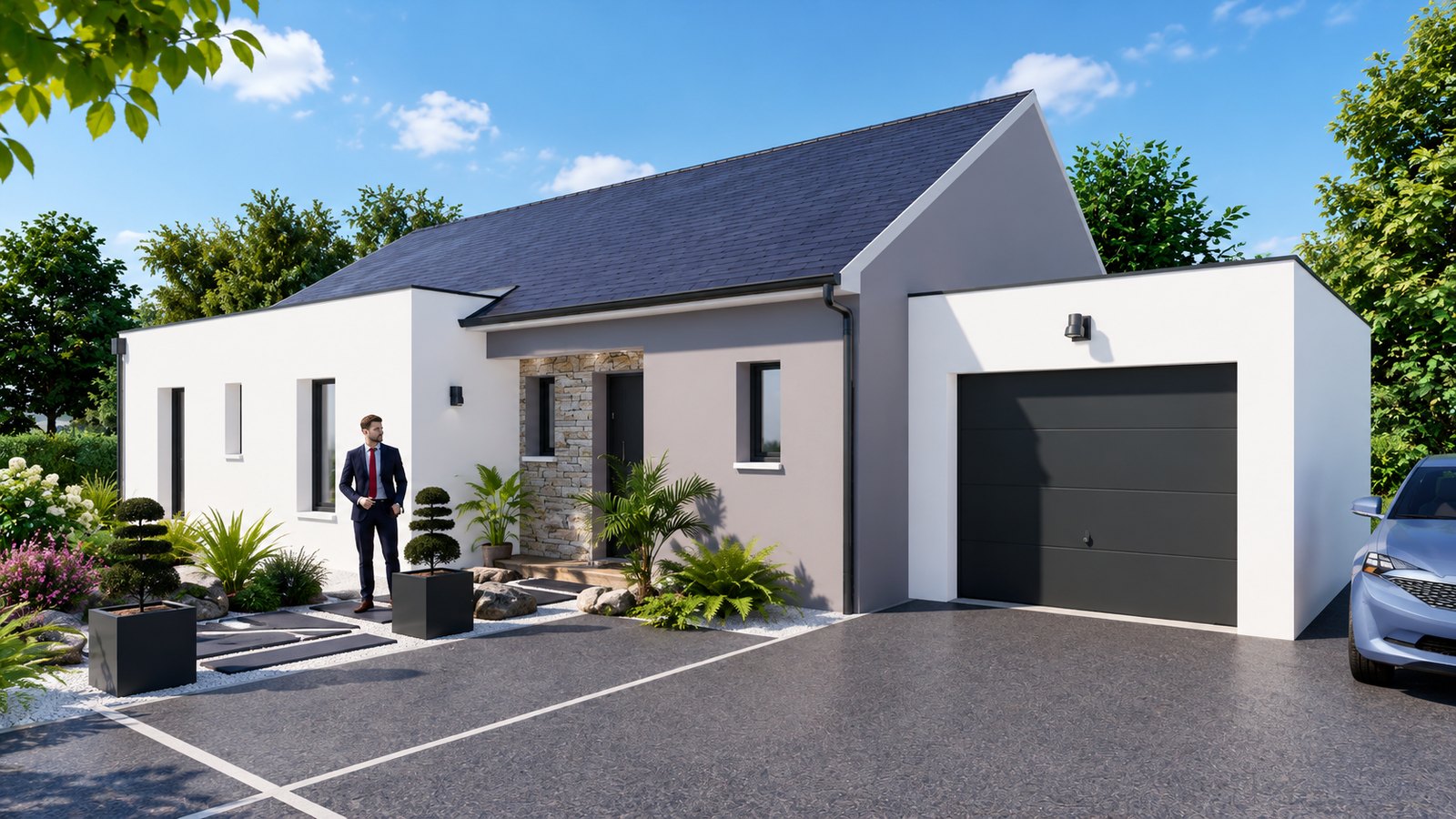
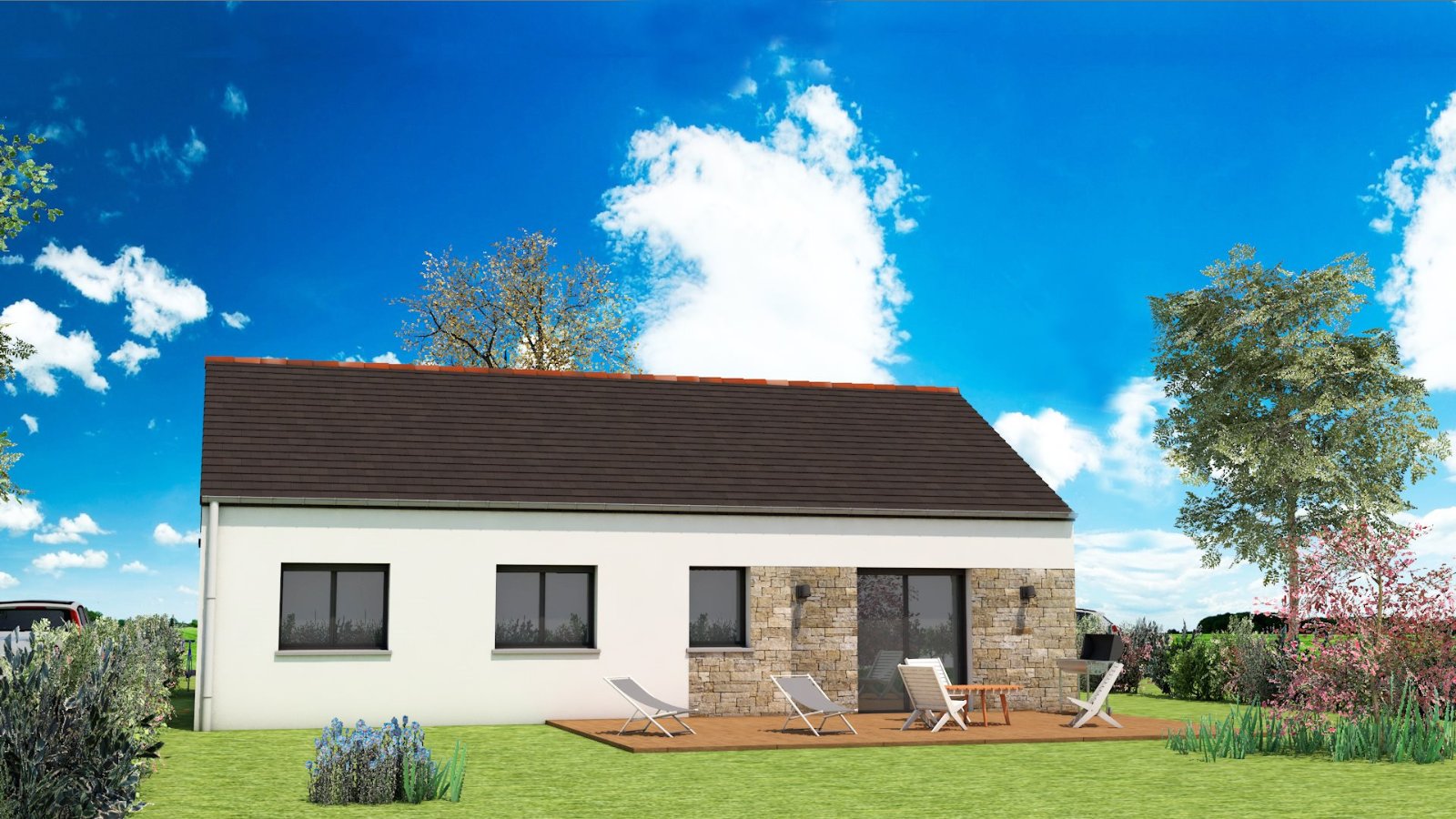
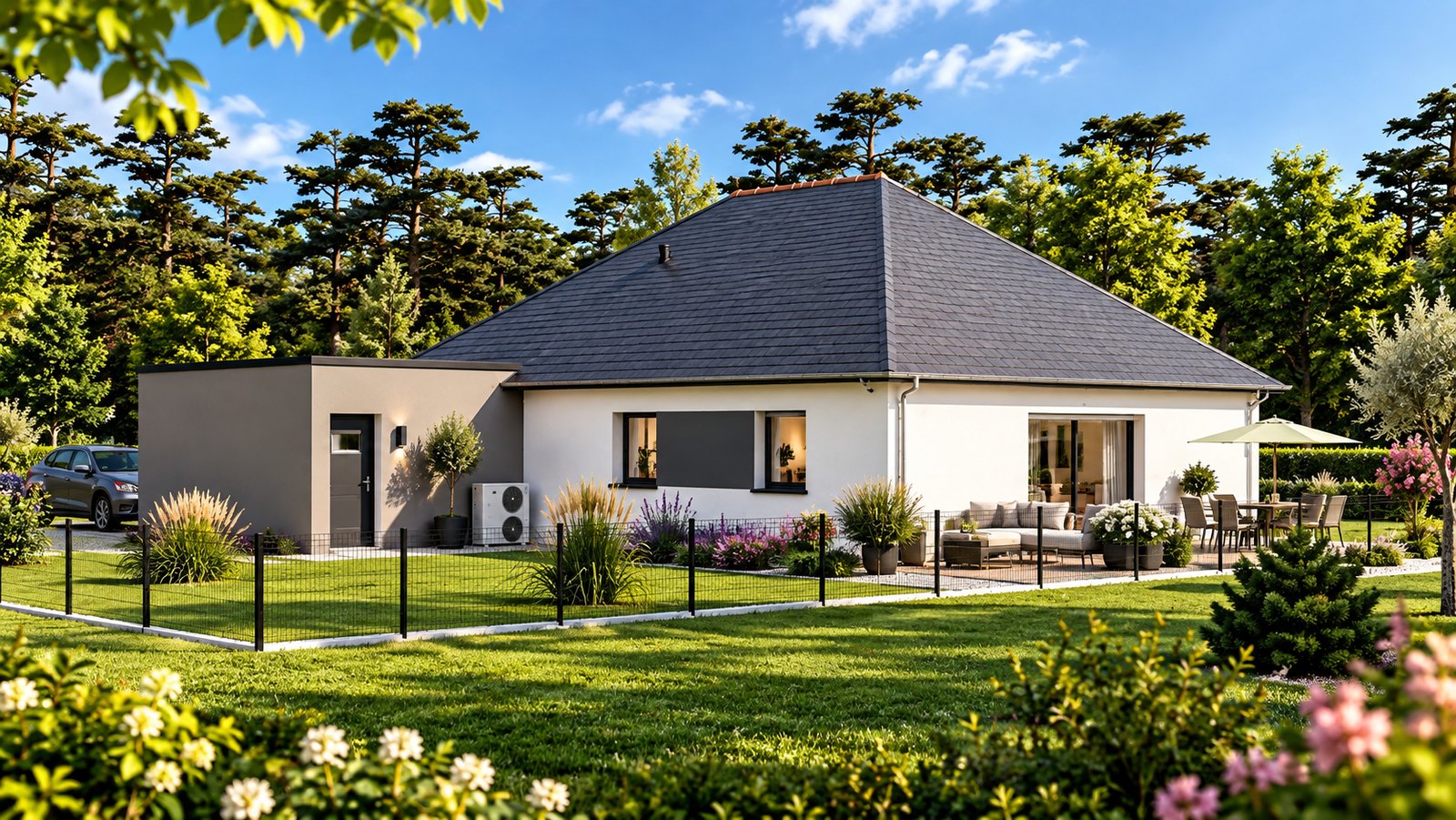
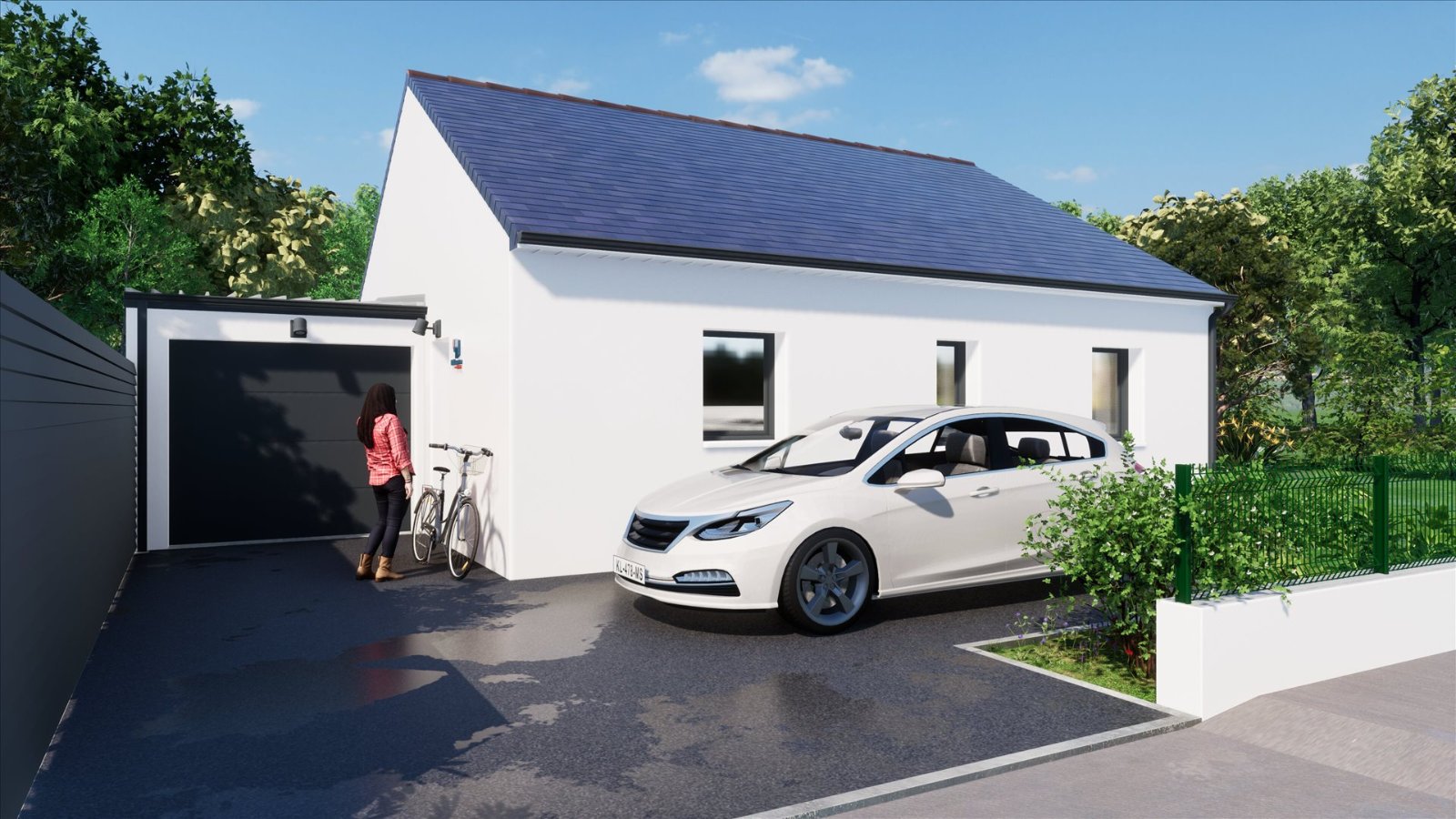
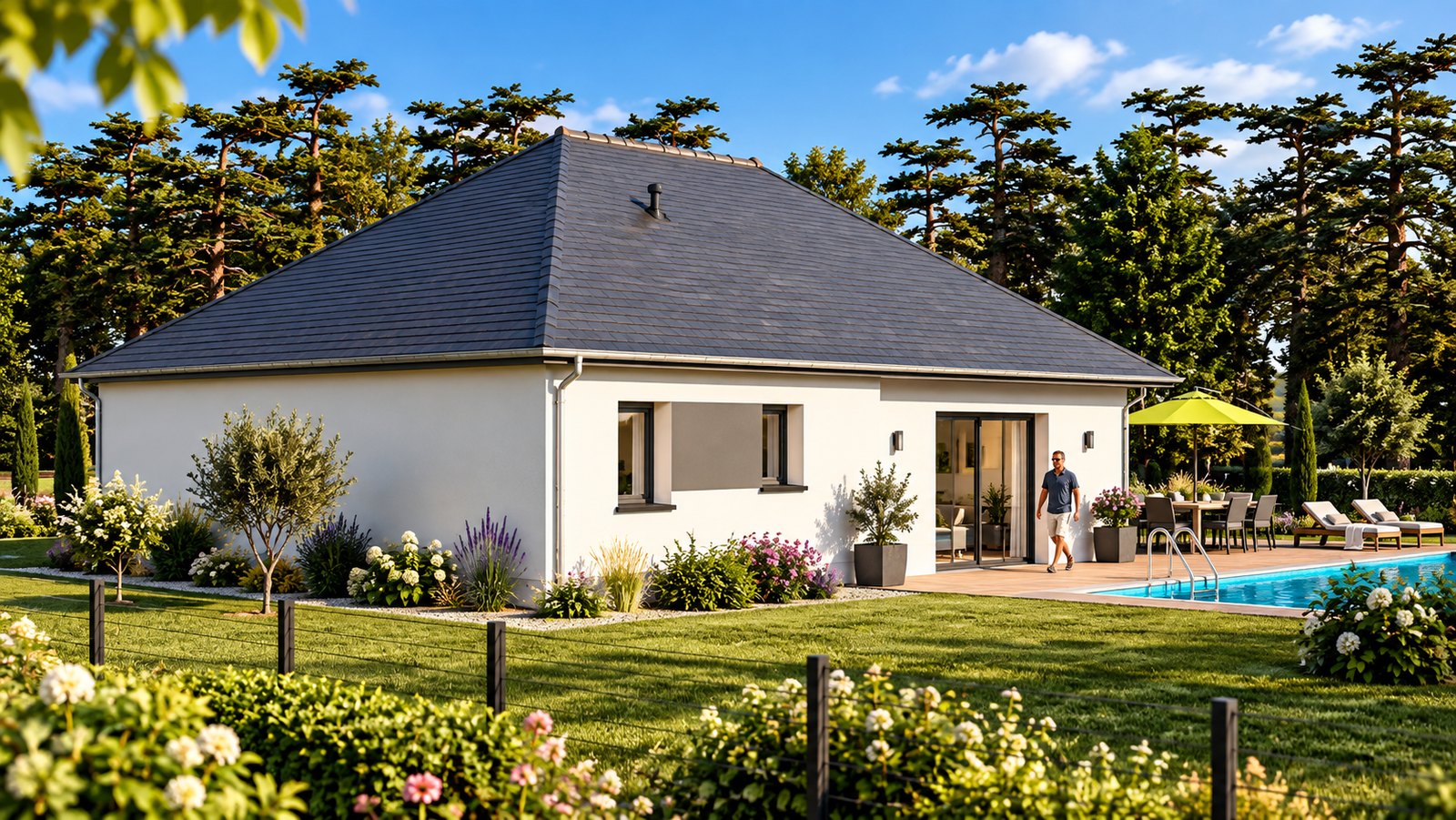
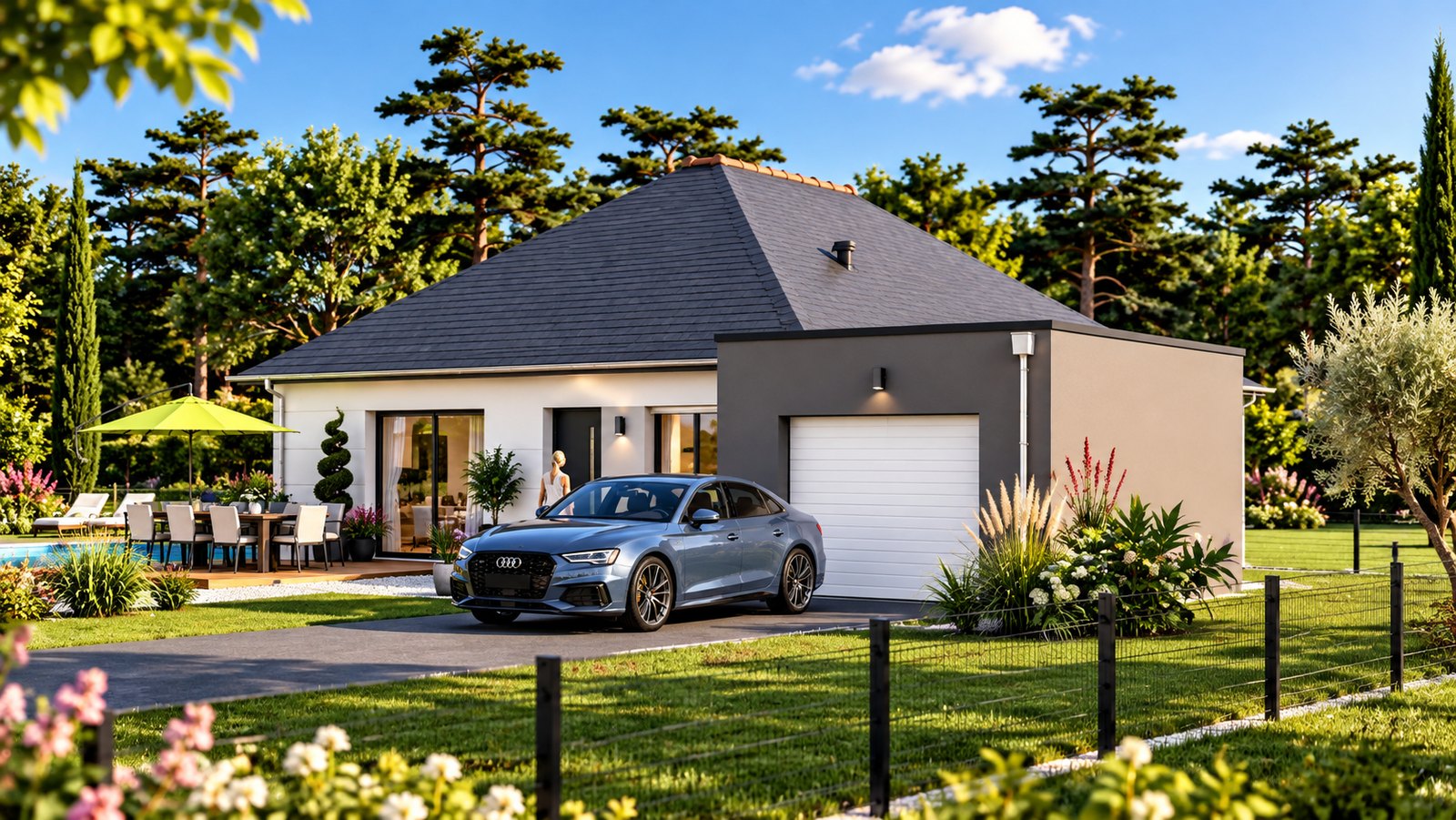
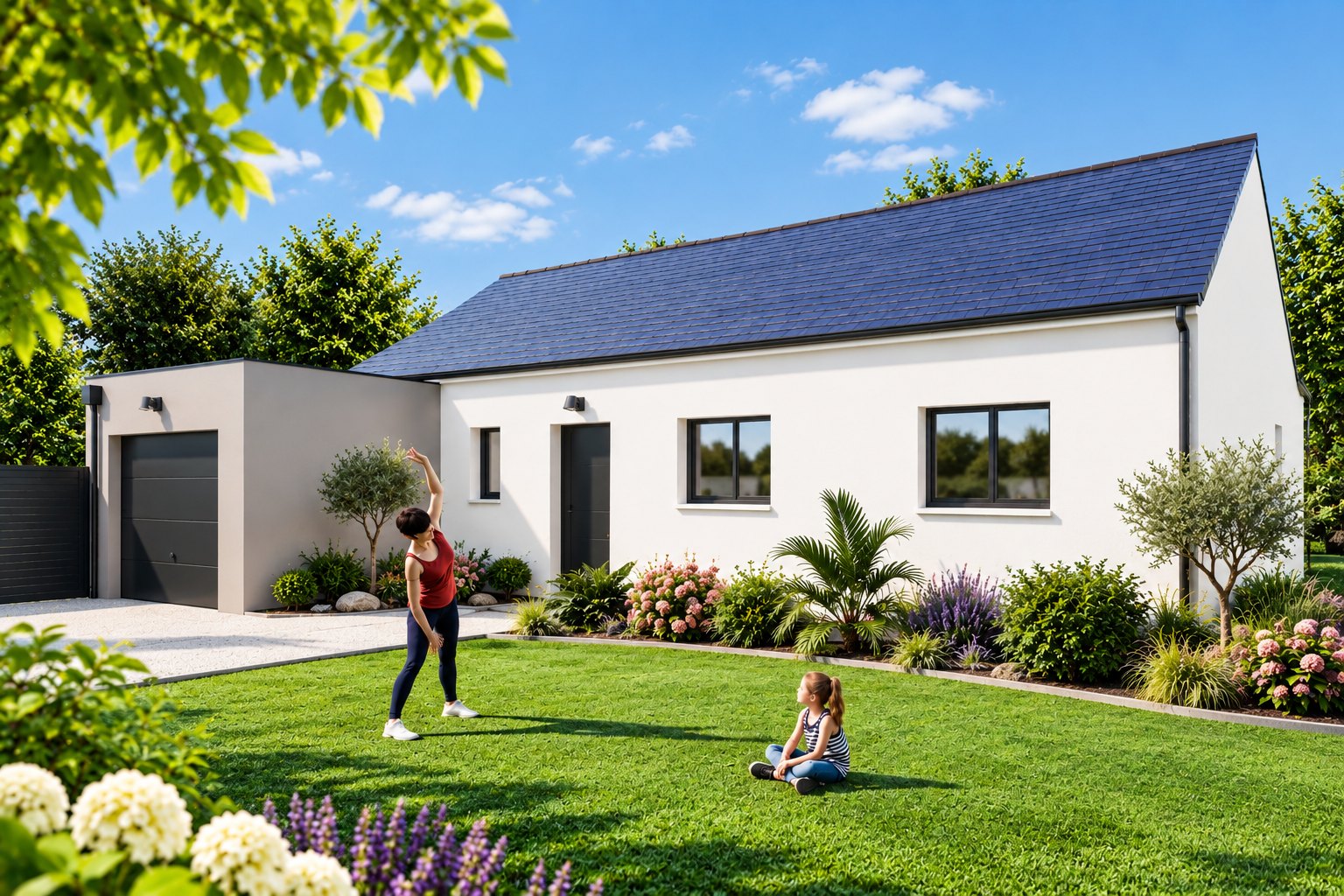
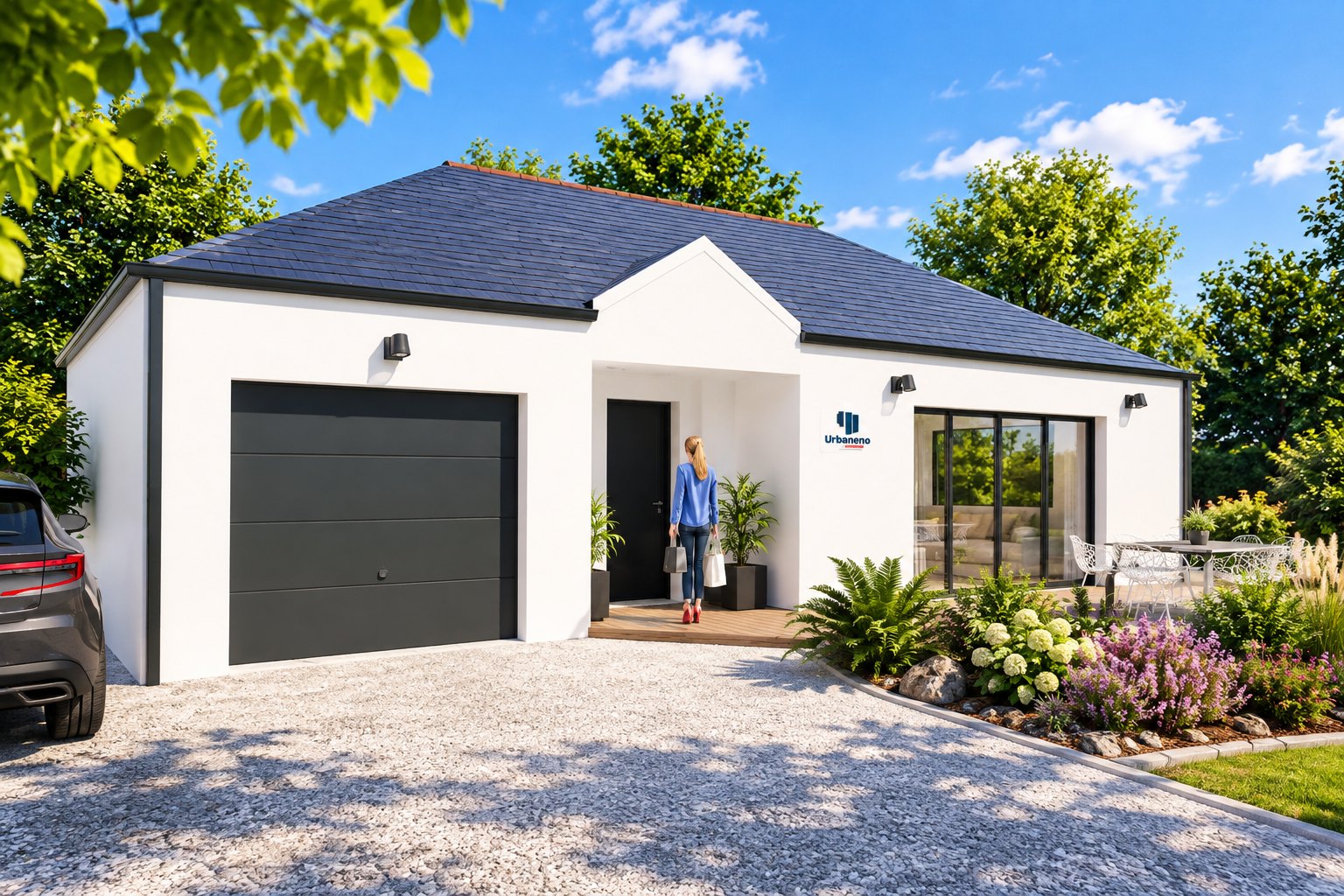
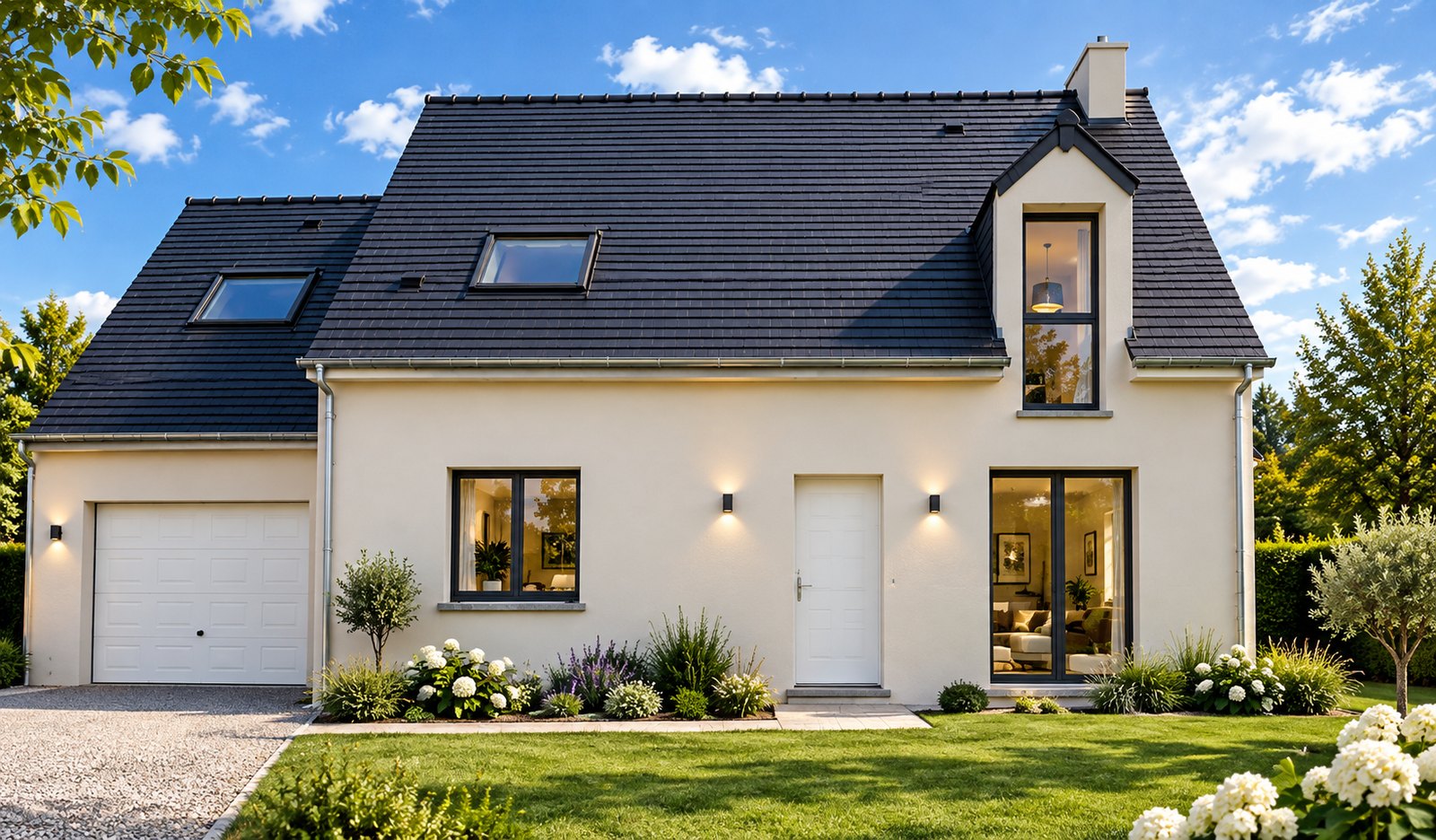
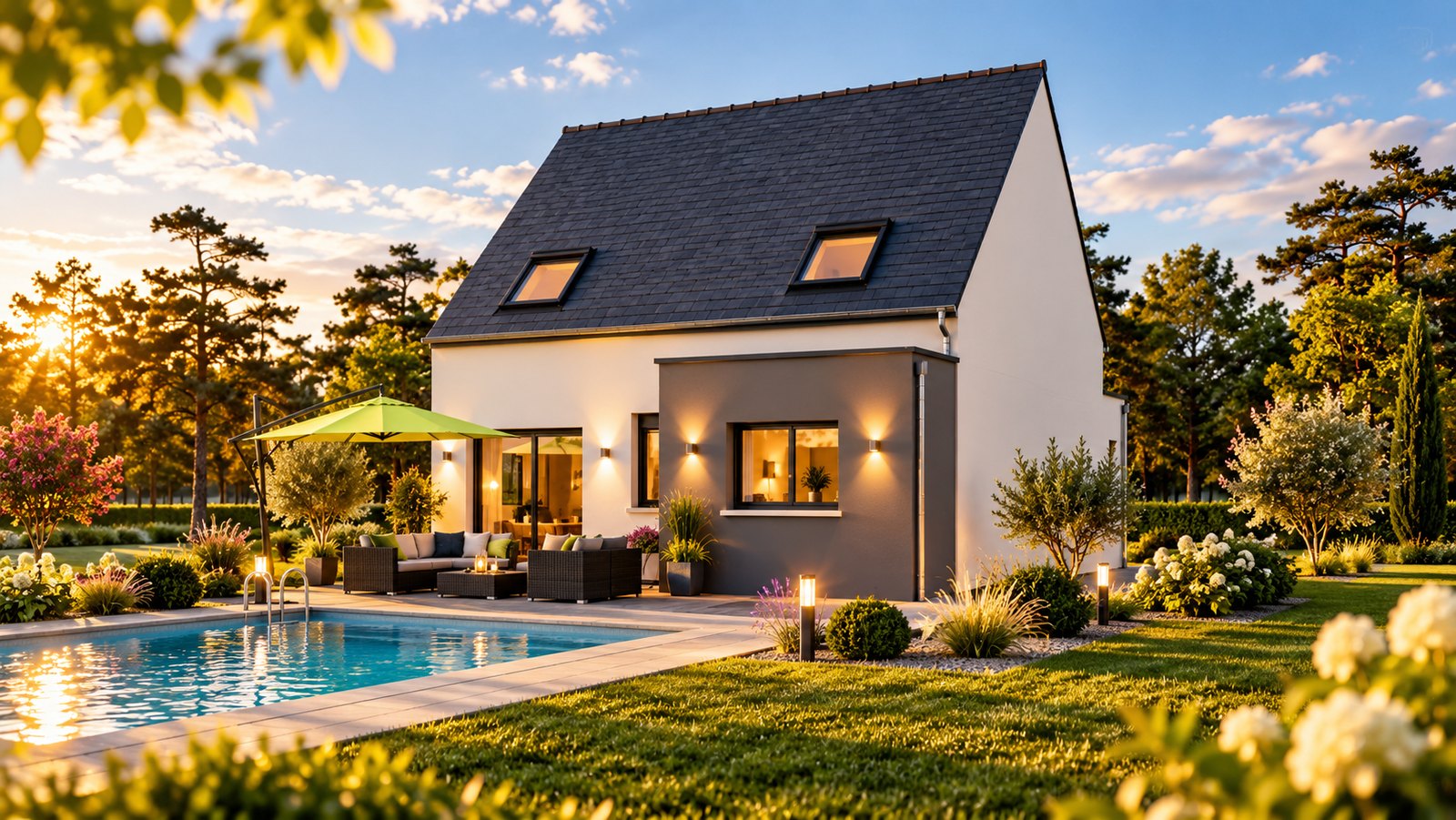
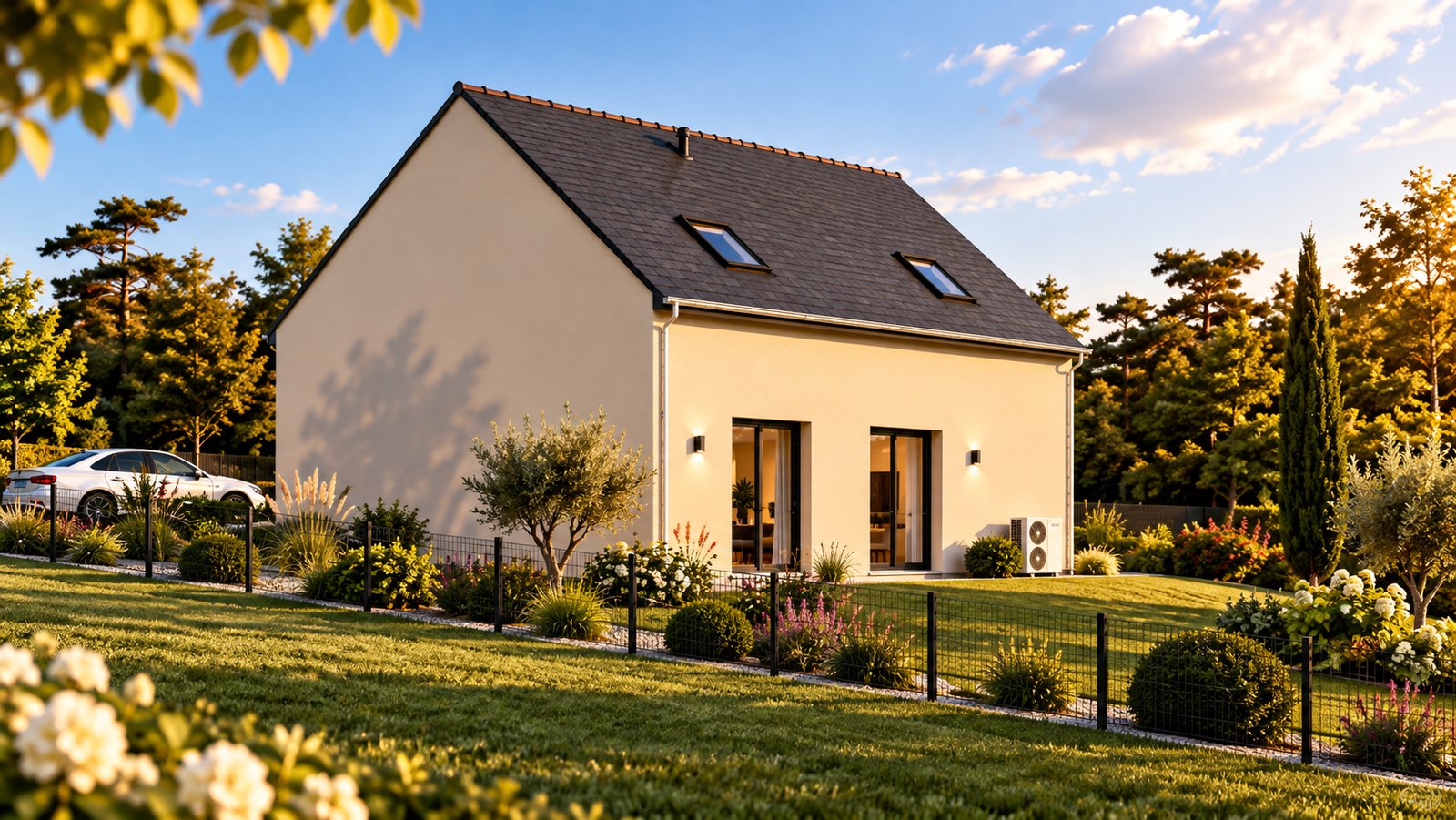
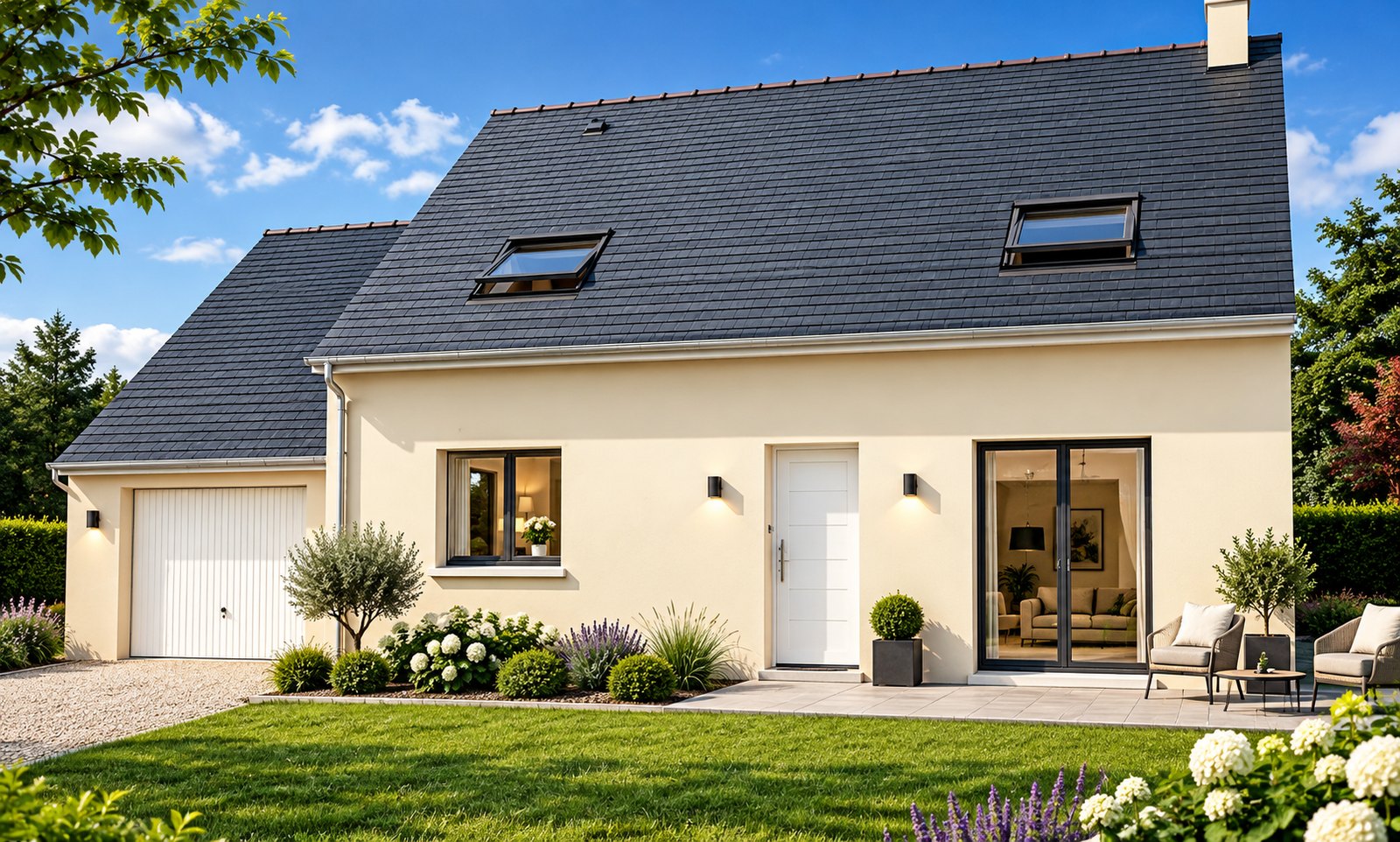
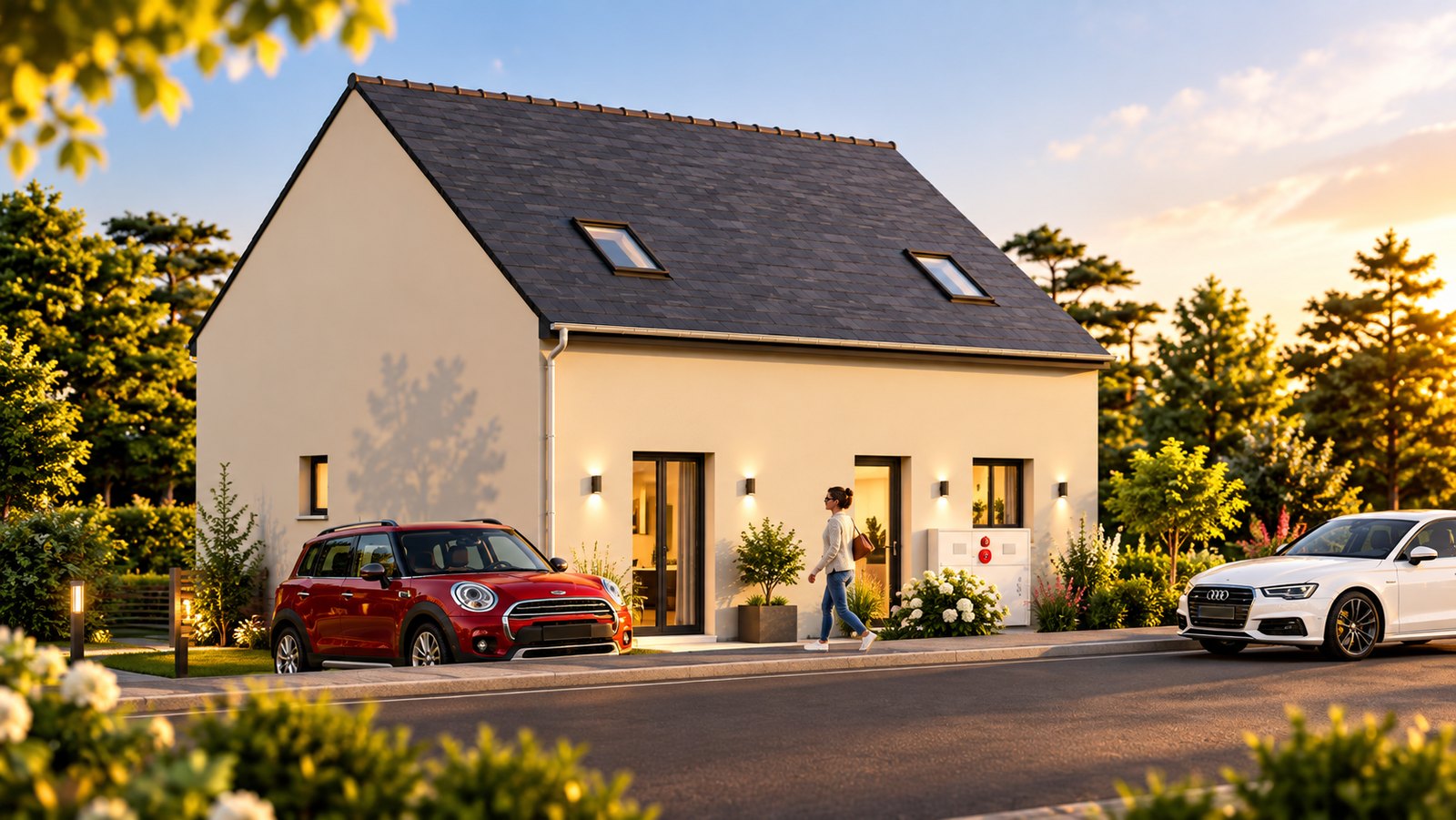
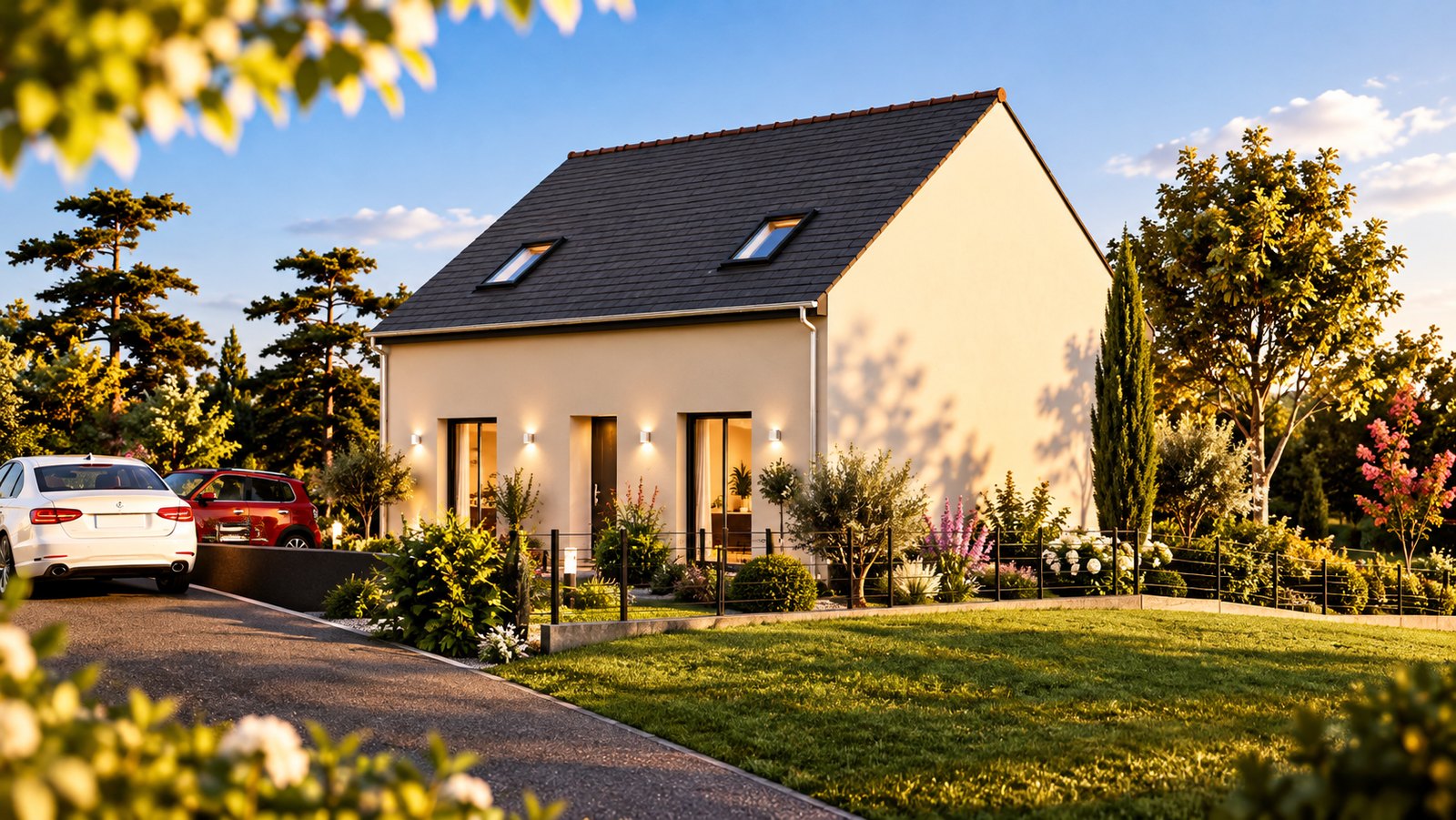
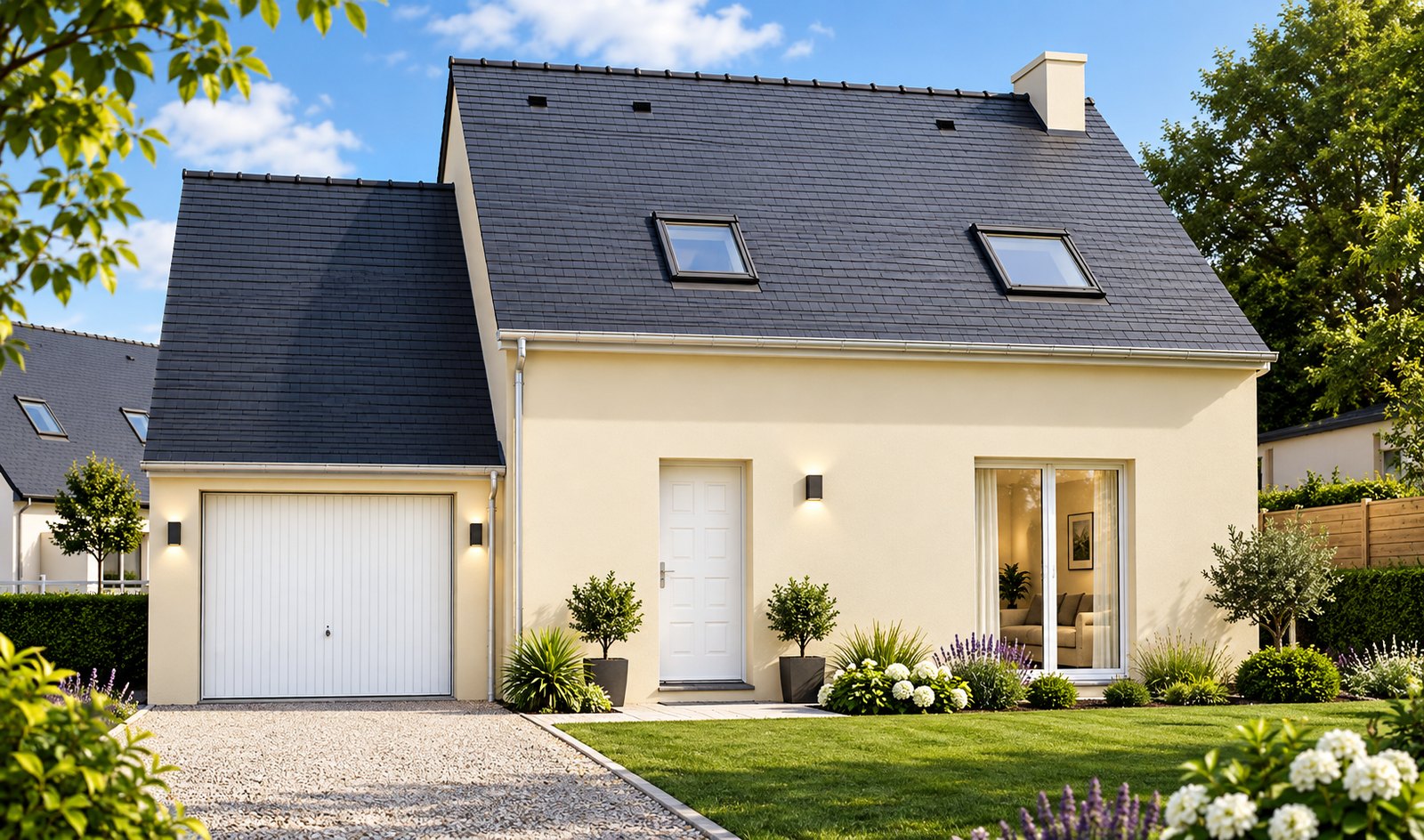
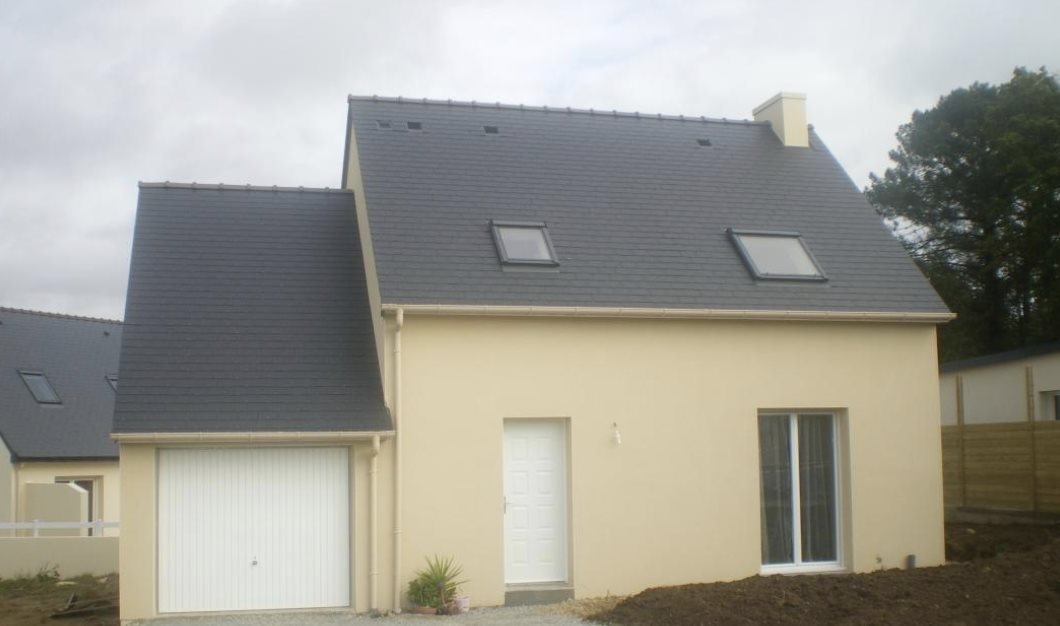
This is where our land goes furthest of anywhere we build. Plots are larger, prices are lower, and a brand new three-bedroom bungalow on its own plot starts at around €173,000 all in — the cheapest three-bedroom anywhere in our range. You are half an hour from Mont-Saint-Michel, forty minutes from the west coast beaches, and ninety minutes from a ferry.
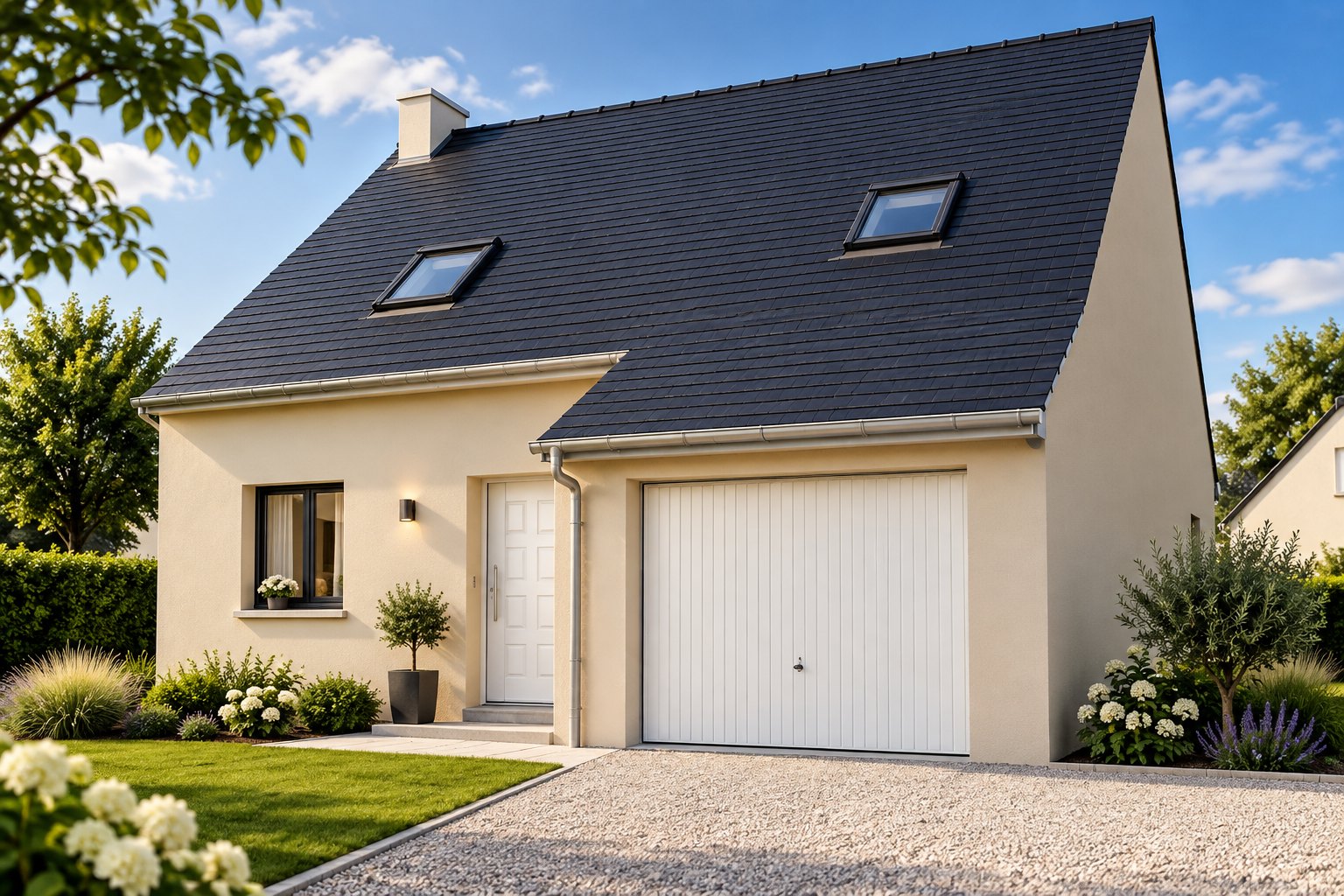
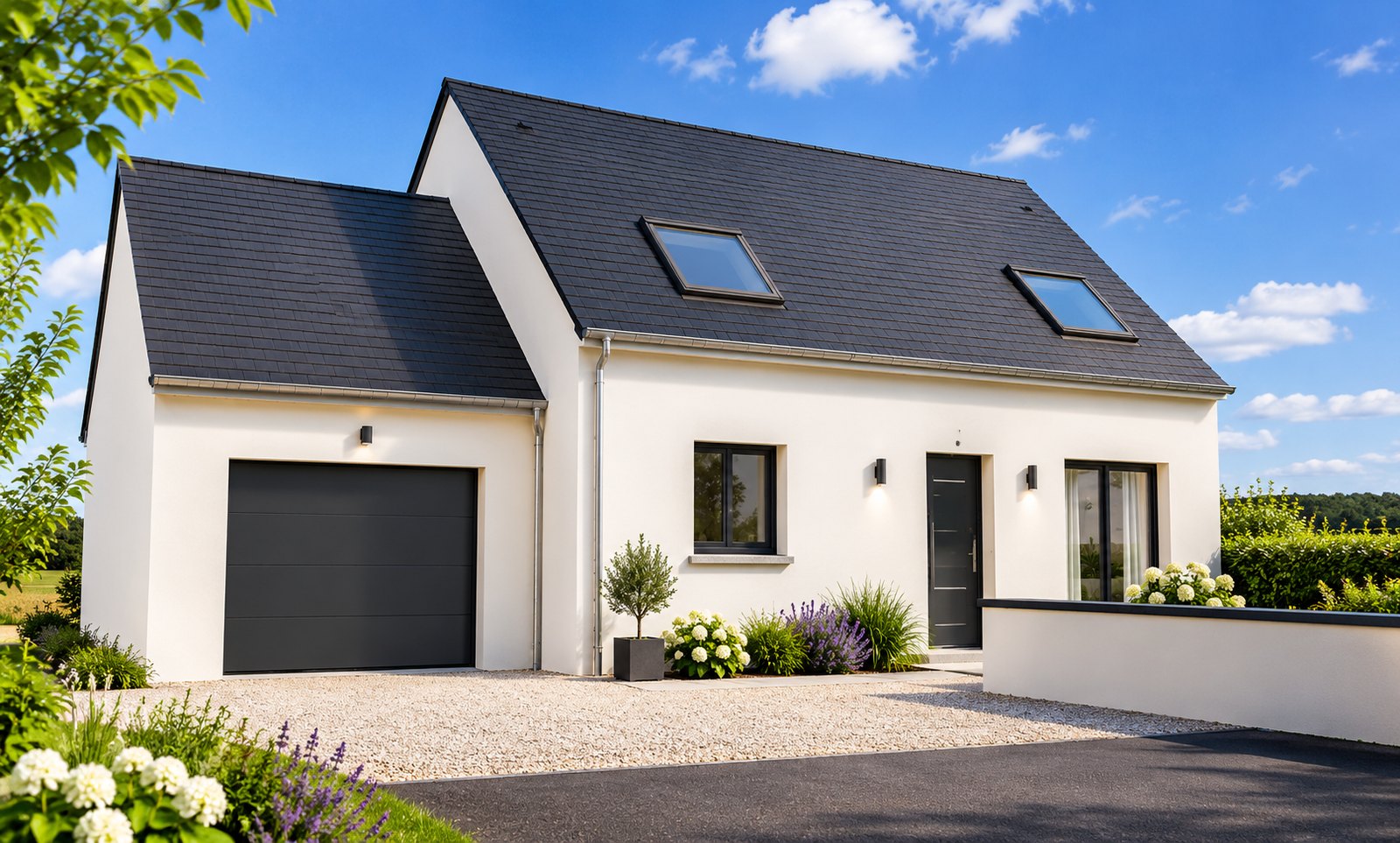
Every home below is built to the same standard, on a fixed-price CCMI contract with ten-year structural cover and a DPE A energy rating. See exactly what is included.