Living in the Vendée
The sunniest coast we build on · 140 km of beaches · a department that is growing
The Vendée is the sunniest place we build, and for a lot of our buyers that settles the argument before anything else is discussed.
It sits on the Atlantic south of the Loire, with a hundred and forty kilometres of coast, a bocage interior of hedged fields and small hills, and a marshland in the south that is crossed by boat. It is one of the few departments in France where the population has grown steadily for decades, and it has the lowest unemployment in the country. People move here on purpose.
The shape of the place
The Vendée is a single department, and it divides into four quite different countries.
The coast, a long run of sand from Bouin in the north down past Saint-Jean-de-Monts, Saint-Hilaire-de-Riez, Brétignolles, Les Sables-d'Olonne and Jard-sur-Mer to the Pointe d'Arçay.
The plaine, the flat and fertile open country inland of the coast around Luçon and Fontenay-le-Comte.
The bocage, the hedged and hilly north-east around Pouzauges and Les Herbiers, which is the green heart of the department.
The Marais Poitevin, the marsh in the far south-east, known as the Green Venice.
The coast
The Vendée coast is one long beach with towns set into it, and it is genuinely good: fine sand, dunes, pine forest behind, and water you can swim in from June to September.
Les Sables-d'Olonne is the capital of it — a real town of forty thousand with a magnificent crescent beach, a working fishing port, a Sunday market in the covered halls, and a sailing culture that is taken very seriously. Every four years the Vendée Globe starts and finishes here: the solo non-stop round-the-world race, and the departure draws well over a million people to the channel. It is the single biggest thing that happens in the department.
Saint-Jean-de-Monts and Saint-Hilaire-de-Riez are the long family beaches of the north coast, backed by the forest of the Pays de Monts, with cycle paths running for tens of kilometres through the pines. Brétignolles-sur-Mer and Brem-sur-Mer are smaller and have the better surfing. Jard-sur-Mer in the south is quieter again, with a harbour and a long sweep of sand.
Noirmoutier is joined to the mainland by a bridge and, more famously, by the Passage du Gois — a four-kilometre causeway that is under the sea twice a day and drivable in between, with rescue towers along it for people who misjudge the tide. The island has salt pans, whitewashed houses, mimosa in February and the most expensive new potatoes in France. La Barre-de-Monts at the northern end of the coast is the crossing point for it.
The Île d'Yeu, an hour out by ferry from Fromentine, is the Vendée's island proper: granite on one side, sand on the other, bicycles rather than cars, and a different pace altogether.
Inland
The bocage, around Pouzauges, Montournais, Réaumur, Saint-Pierre-du-Chemin and Mouilleron-Saint-Germain, is the high ground. Pouzauges sits under two hills — the Puy Crapaud is the highest point in the department — with a ruined keep, windmills on the ridge and views across to the Atlantic on a clear day. It is a handsome, working market town, and it is twenty minutes from the Puy du Fou.
The Puy du Fou at Les Epesses is, by visitor numbers, one of the biggest attractions in France and has repeatedly been voted the best theme park in the world — although it is not a theme park in any ordinary sense. There are no rides. It is historical spectacle on an enormous scale: Roman arena, Viking raid, musketeers, falconry with hundreds of birds, and the Cinéscénie, a night show with a cast of more than a thousand that has been running since 1978.
Vouvant, in the west of the bocage, is one of the official Plus Beaux Villages de France — a walled village on a loop of the river Mère, with a Romanesque church doorway that is one of the finest in the country, and Melusine's tower standing over it. We have a plot there.
Fontenay-le-Comte, nearby, is a Renaissance town of real quality, the old capital of the Bas-Poitou, with a street of sixteenth-century houses and a château at Terre-Neuve.
The Marais Poitevin, around Le Gué-de-Velluire, La Taillée, Auchay-sur-Vendée and Petosse, is the second largest wetland in France and completely unlike anywhere else. In the wet marsh — the Venise Verte — a grid of tree-lined canals runs under a closed canopy of ash and poplar, and you move through it in a flat-bottomed boat punted from the stern. Cattle used to be ferried to their pastures the same way. It is a UNESCO-recognised regional park, extraordinarily quiet, and full of birds.
What makes it the Vendée
The Vendée has a history that the rest of France still finds difficult, and it shapes the character of the place.
In 1793 the region rose against the Revolution, and the war that followed, and the reprisals that came after it, destroyed much of the department and a large part of its population. You will see memorials in small villages everywhere. The Puy du Fou grew directly out of that memory. It is worth knowing about, because the Vendée's strong sense of itself — the regional flag, the religious observance, the local pride — comes from there.
The modern face of it is different: a department that builds things, employs people, and grows. Furniture, boats, food processing, textiles. It has one of the strongest small-business cultures in France.
Eating in the Vendée
The food is country food and shellfish, and there is a lot of it.
Jambon de Vendée, cured with eau-de-vie and spices and eaten raw in thin slices, usually with mogettes — the white haricot beans that are the regional staple, slow-cooked and served with butter, or on toast rubbed with ham fat.
Préfou, a split loaf stuffed with garlic butter and put back in the oven, served hot at the start of a meal. It is the single most addictive thing in the department.
Brioche vendéenne and gâche, both protected, both enriched with butter and cream — the brioche plaited, the gâche in a loaf. A wedding here still involves an enormous brioche.
Shellfish and fish. Oysters from the bay of Bourgneuf and Noirmoutier, mussels grown on posts — bouchots — along the coast, sardines from Saint-Gilles-Croix-de-Vie which are a protected speciality and genuinely worth the detour, and the daily catch at Les Sables.
Noirmoutier potatoes, the Bonnotte in particular, lifted by hand in May and sold at prices that make people laugh. The island's fleur de sel is harvested by hand from the pans.
Drinking in the Vendée
Fiefs Vendéens is the local appellation, in five separate zones — Mareuil, Brem, Vix, Pissotte and Chantonnay. The whites and rosés are made for drinking young with shellfish on a hot day, which is exactly what happens to them. Brem-sur-Mer, where we build, is one of the five.
Trousse-pinette, a home-made aperitif of blackthorn shoots steeped in wine and brandy, which every family makes slightly differently and offers to visitors with some ceremony.
Kamok, a coffee liqueur distilled at Luçon since the 1850s, poured over ice or into a glass of white wine.
And Muscadet immediately to the north, and the Loire proper not far beyond it.
Markets
Les Sables-d'Olonne has a covered market that runs most mornings and a famous weekend one. Pouzauges, Fontenay-le-Comte, Luçon, Saint-Jean-de-Monts and Noirmoutier all have good ones, and the coastal markets open far more often in season. Days vary, so check locally before setting out. The coastal markets in August are an experience in themselves.
The weather, honestly
This is the Vendée's trump card. The coast is among the sunniest on the whole Atlantic seaboard of France, with hours of sunshine comparable to parts of the Mediterranean, and noticeably more than Brittany or Normandy. Winters are mild, the summers are long and reliably warm, and the sea is swimmable for a good four months.
The trade-off is that August on the coast is genuinely busy. The Vendée is one of the most popular holiday destinations in France for the French themselves, and the coastal towns multiply in size. Twenty minutes inland, it is quiet.
Getting there and back
Airports. Nantes is the main one, around an hour to ninety minutes from most of our plots, with flights across Europe and to Britain and Ireland. La Rochelle is a similar distance to the south.
Trains. La Roche-sur-Yon and Les Sables-d'Olonne are on the TGV line, with direct trains to Paris Montparnasse in around three and a half hours. Nantes to Paris is two hours.
Ferries. Saint-Malo and Roscoff are a long drive north, so most people arriving from Britain or Ireland fly to Nantes or come down from Normandy. For anyone driving from elsewhere in France or from Spain, the A83 and A87 put the department within easy reach of Bordeaux and Paris alike.
Schools, doctors and the practical side
La Roche-sur-Yon has the departmental hospital, with others at Les Sables-d'Olonne, Fontenay-le-Comte, Luçon, Challans and Montaigu. The Vendée is better served than most rural departments because its population is growing rather than shrinking — the same reason the schools, shops and services in small towns are still open.
Where we build in the Vendée
Both inland and on the coast, and the two are very different propositions.
Inland, in the bocage and the plaine: Pouzauges, Montournais, Réaumur, Saint-Pierre-du-Chemin, Mouilleron-Saint-Germain, Menomblet, Cheffois, Bourneau, Vouvant, La Caillère-Saint-Hilaire, La Jaudonnière, Saint-Laurent-de-la-Salle, Saint-Cyr-des-Gâts, Saint-Maurice-des-Noues, Loge-Fougereuse, Xanton-Chassenon, Saint-Hilaire-le-Vouhis, Saint-Martin-Lars-en-Sainte-Hermine, Marsais-Sainte-Radégonde, Saint-Aubin-la-Plaine, Saint-Valérien and Petosse. In the marsh: Le Gué-de-Velluire, La Taillée and Auchay-sur-Vendée.
On the coast: Les Sables-d'Olonne, Brétignolles-sur-Mer, Brem-sur-Mer, Jard-sur-Mer, Saint-Hilaire-de-Riez, Saint-Jean-de-Monts, Notre-Dame-de-Monts and La Barre-de-Monts.
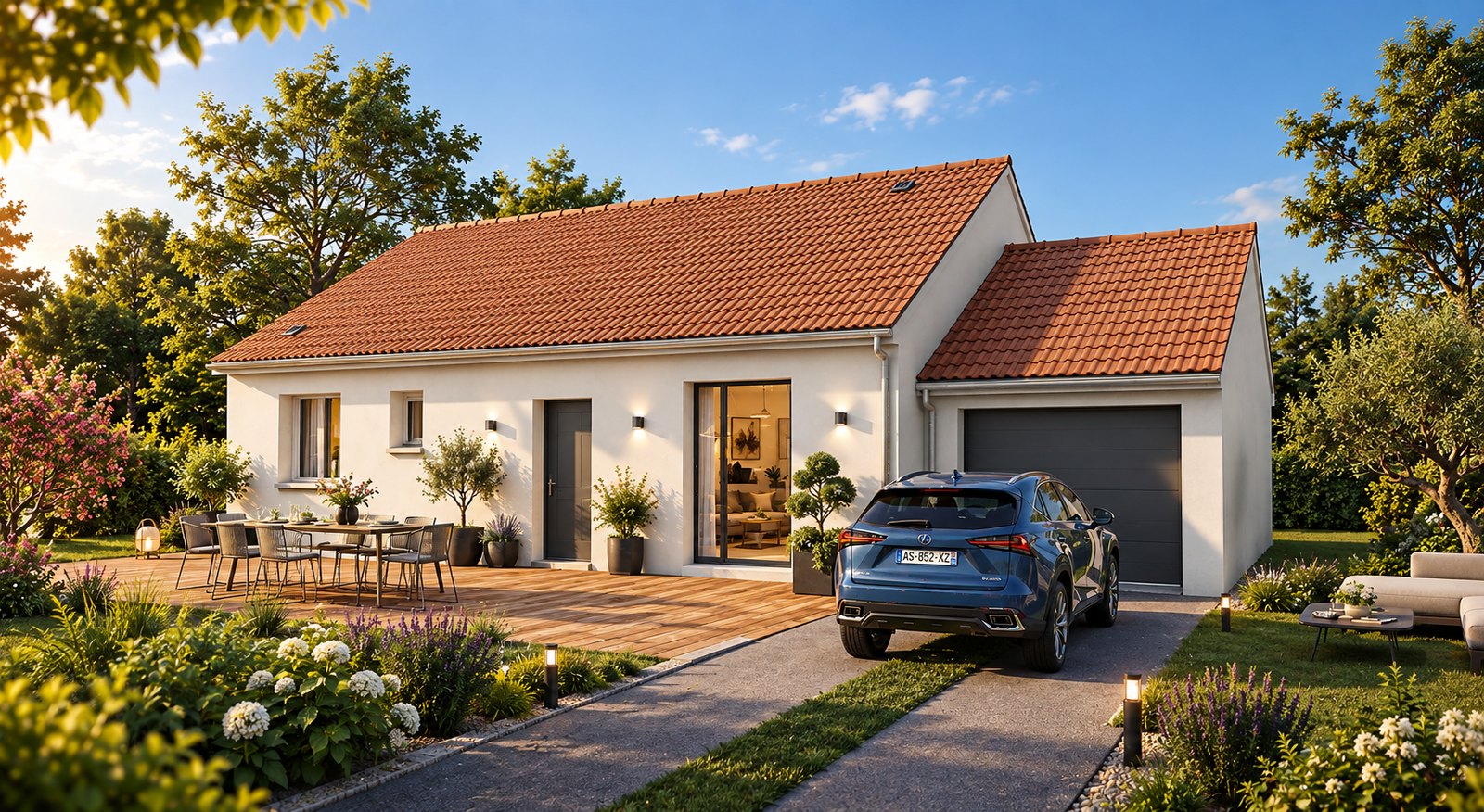
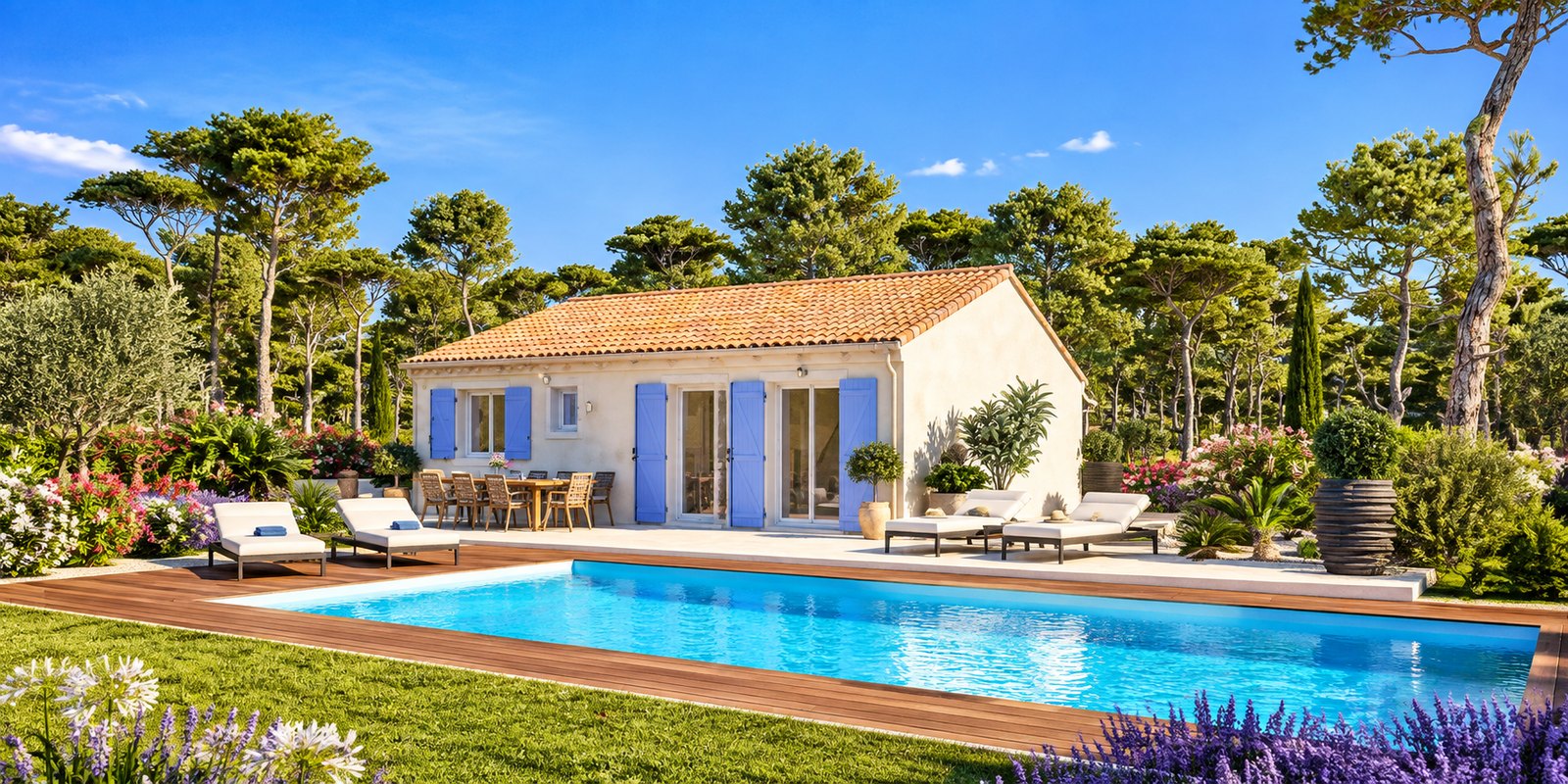
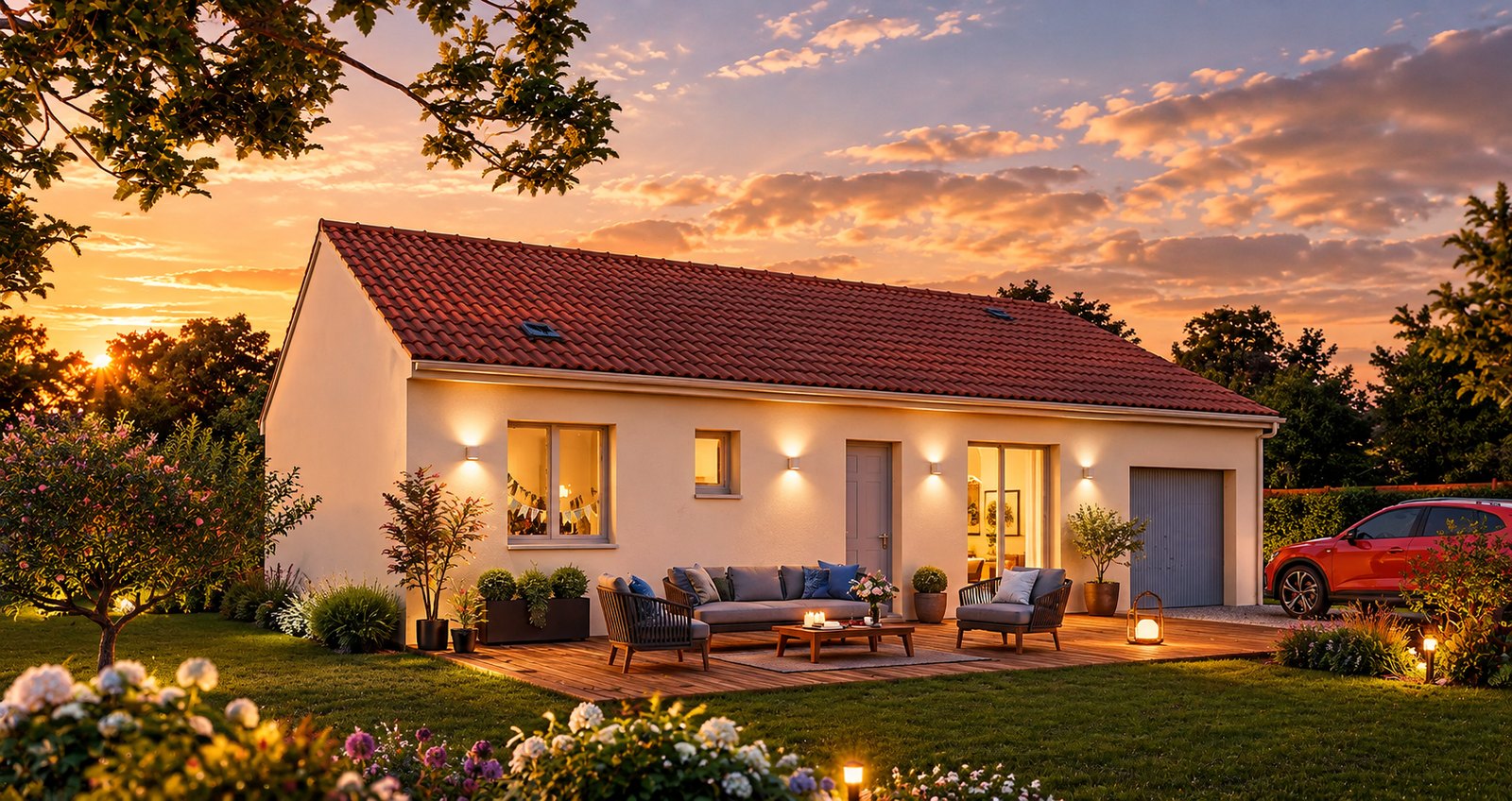
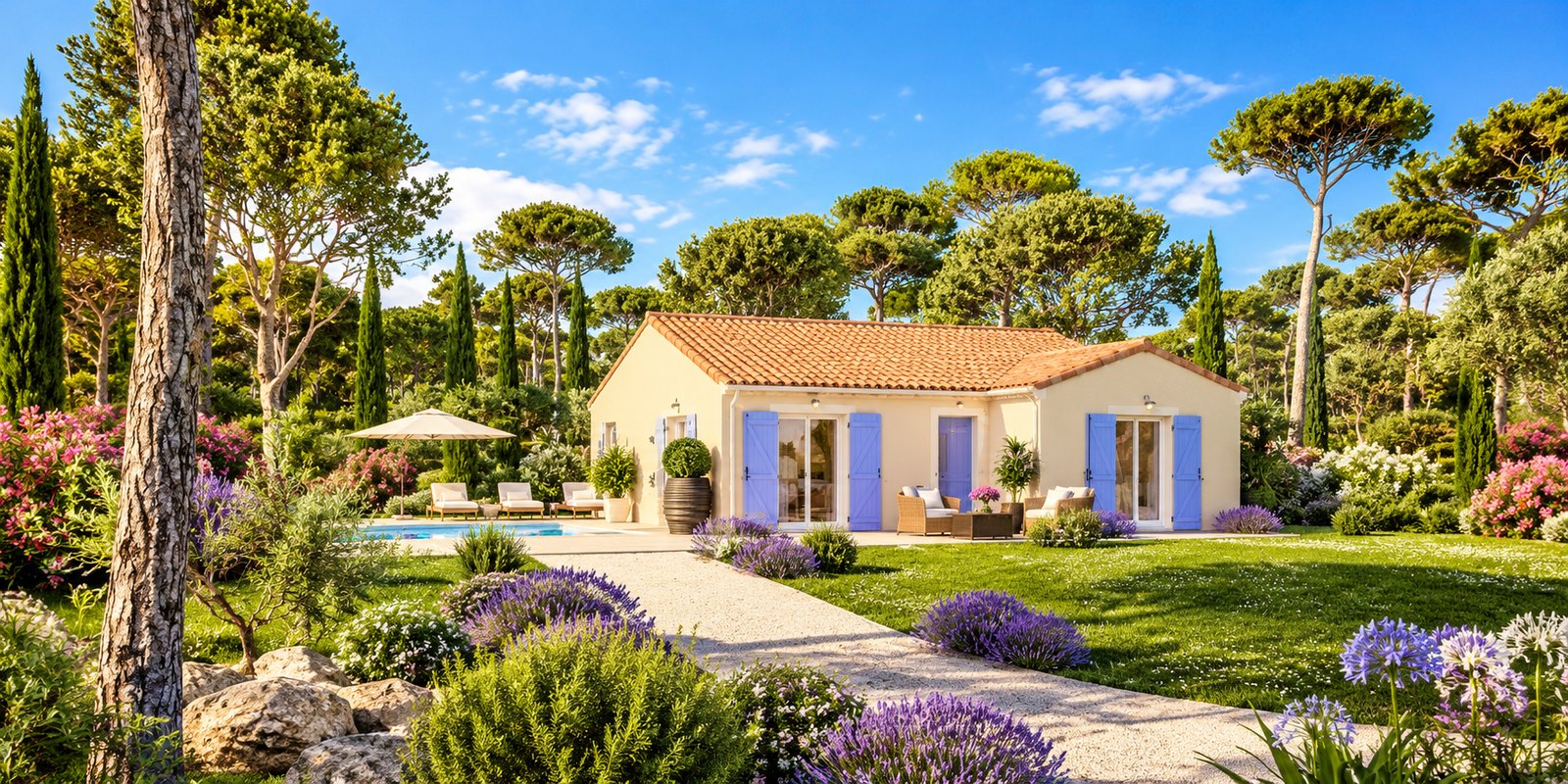
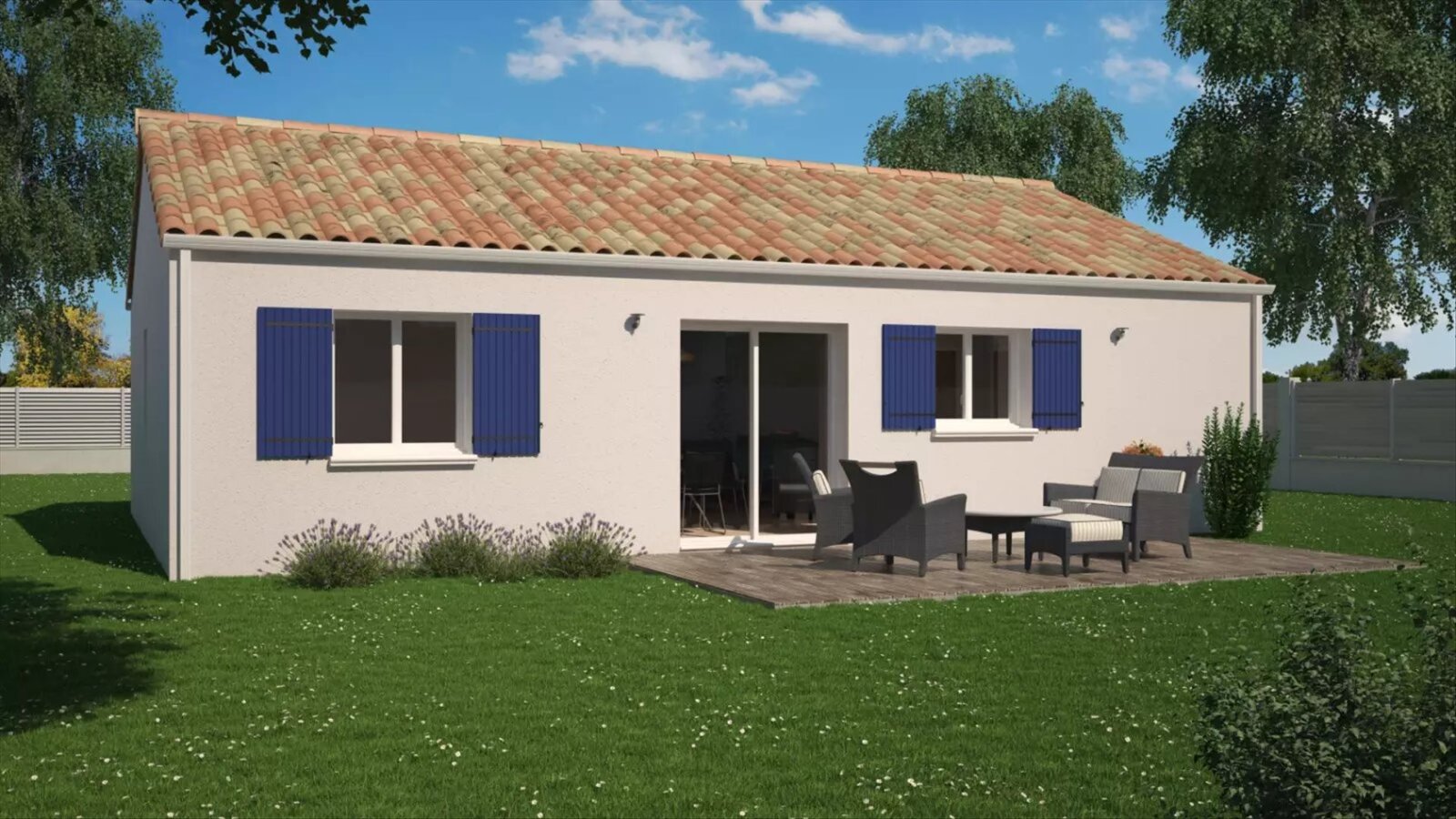
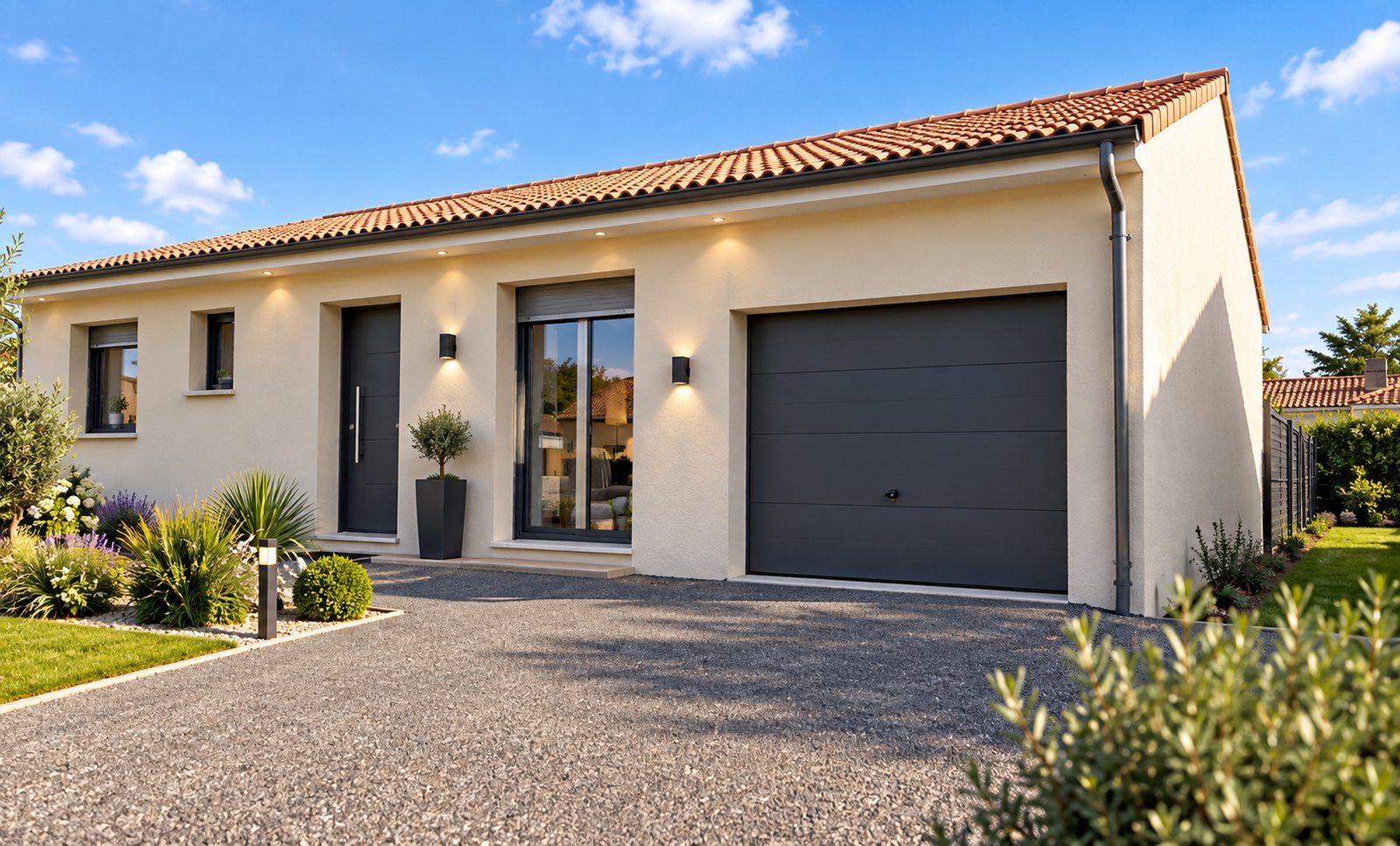
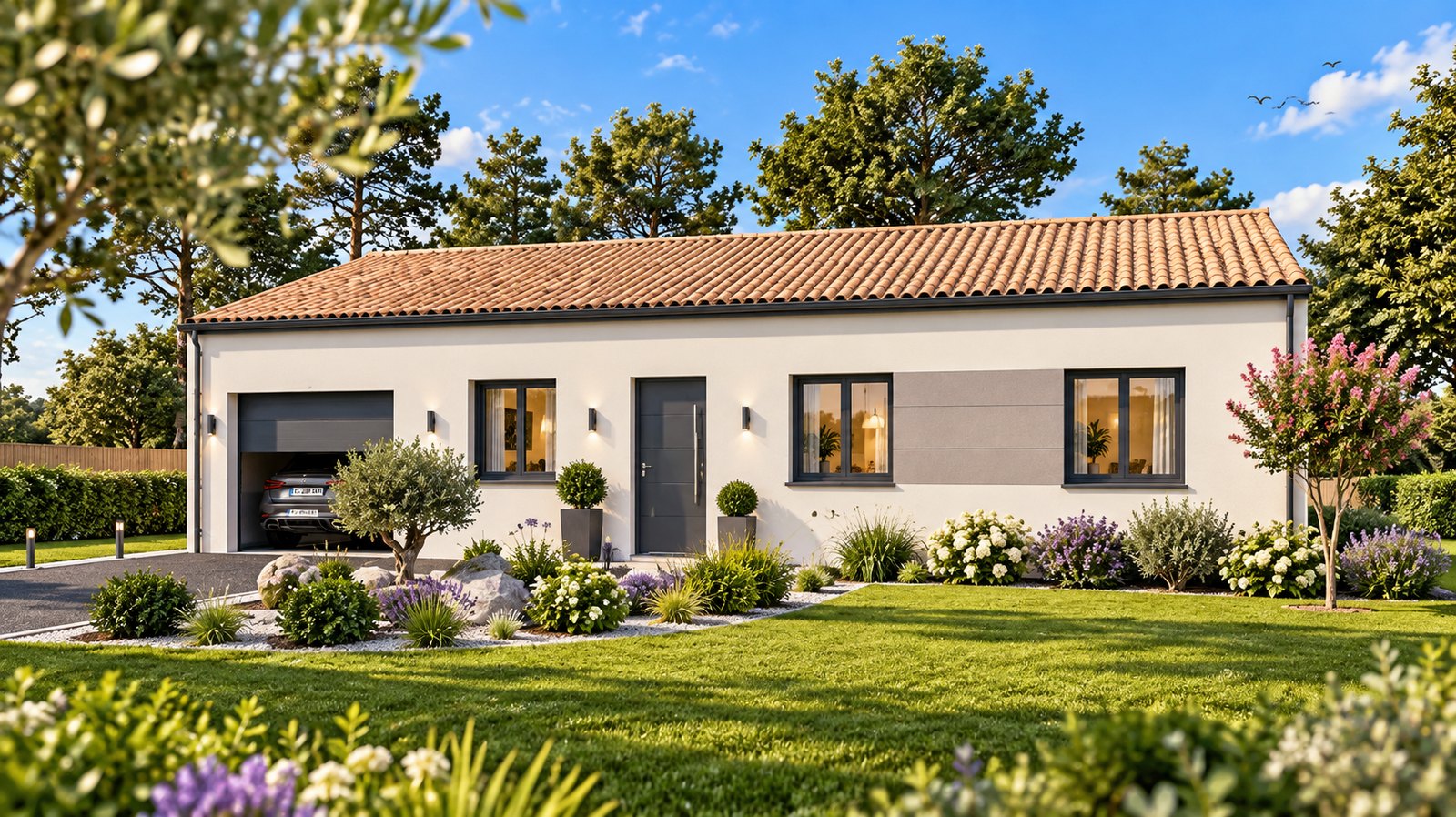
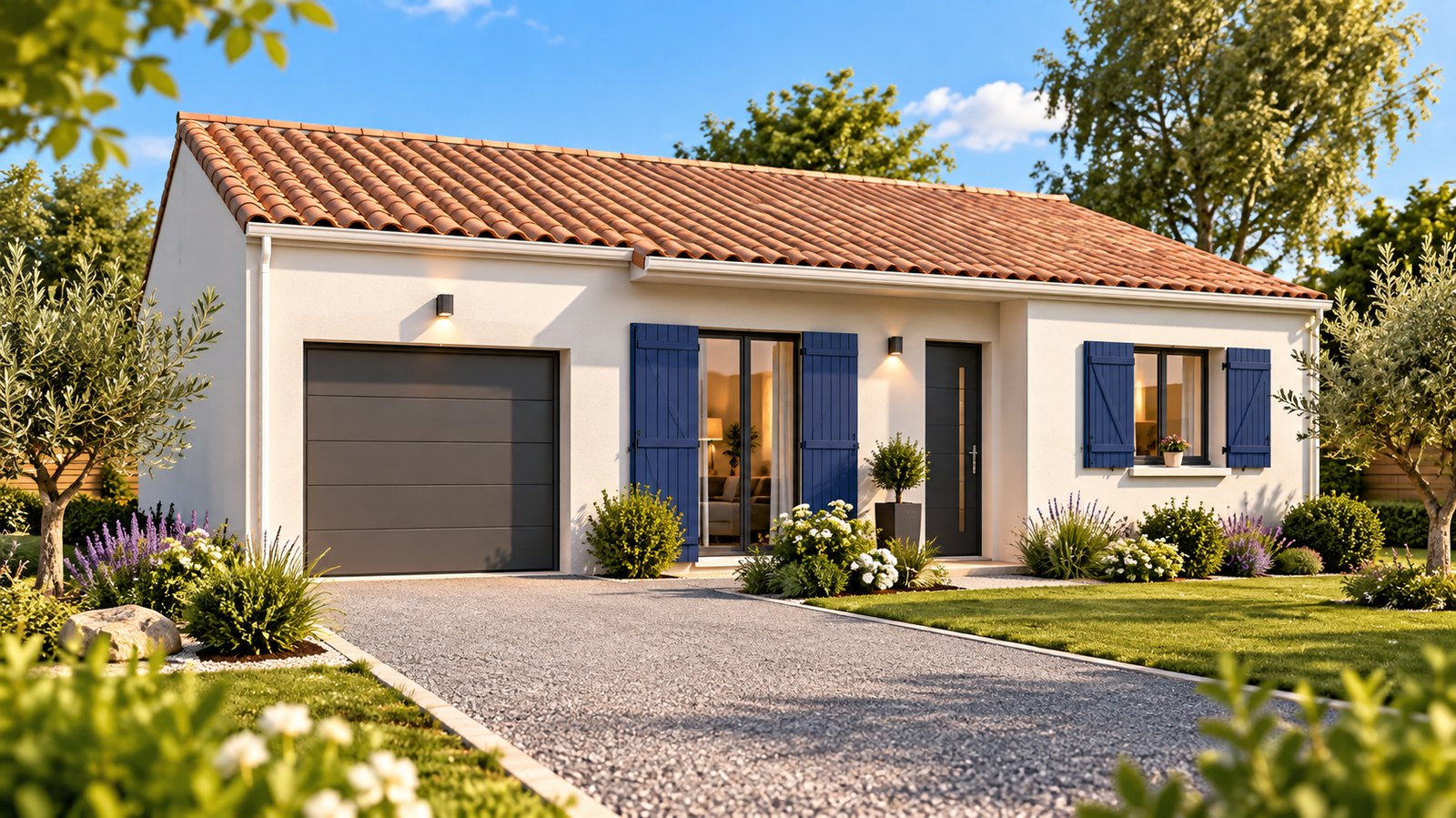
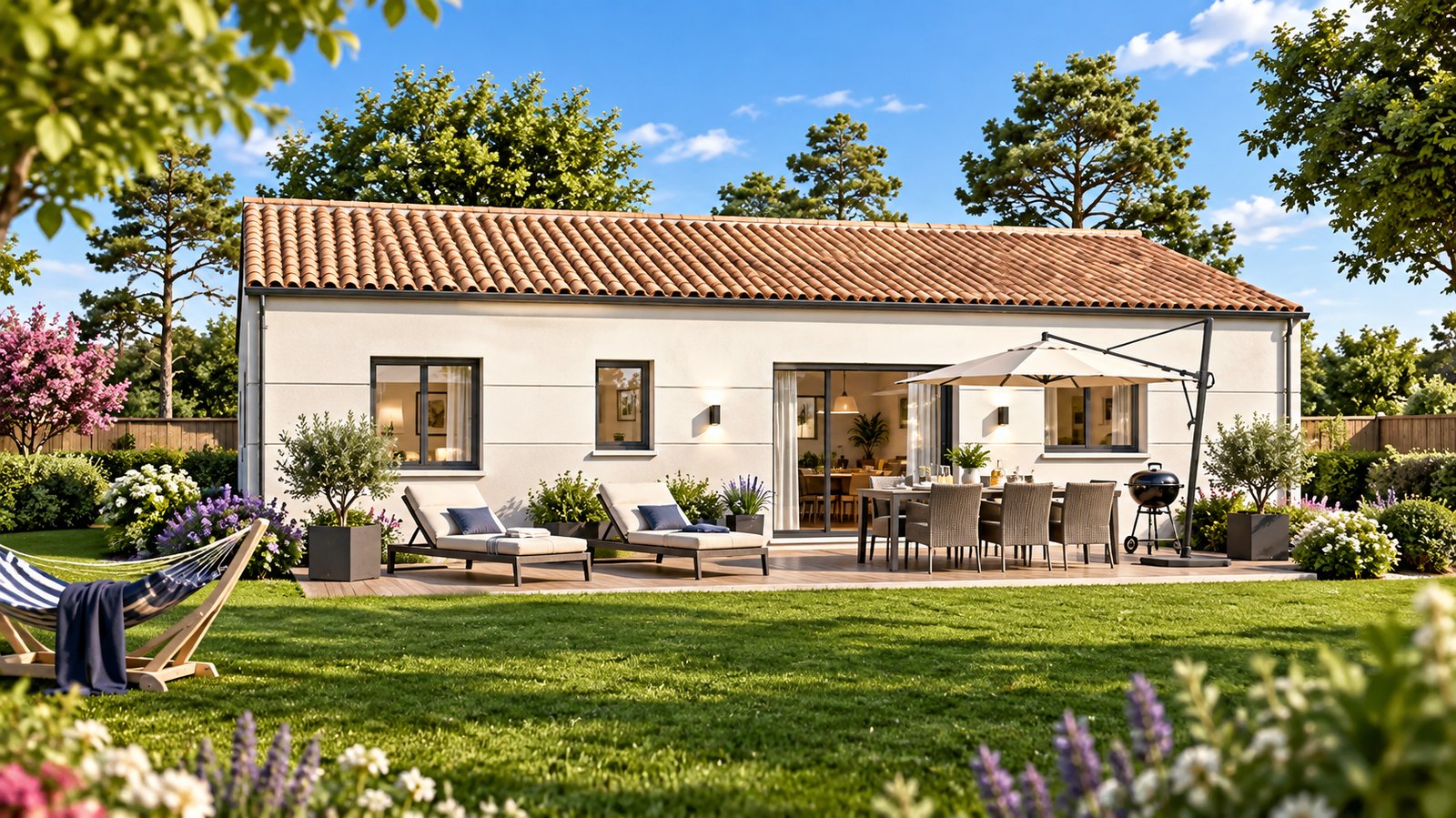
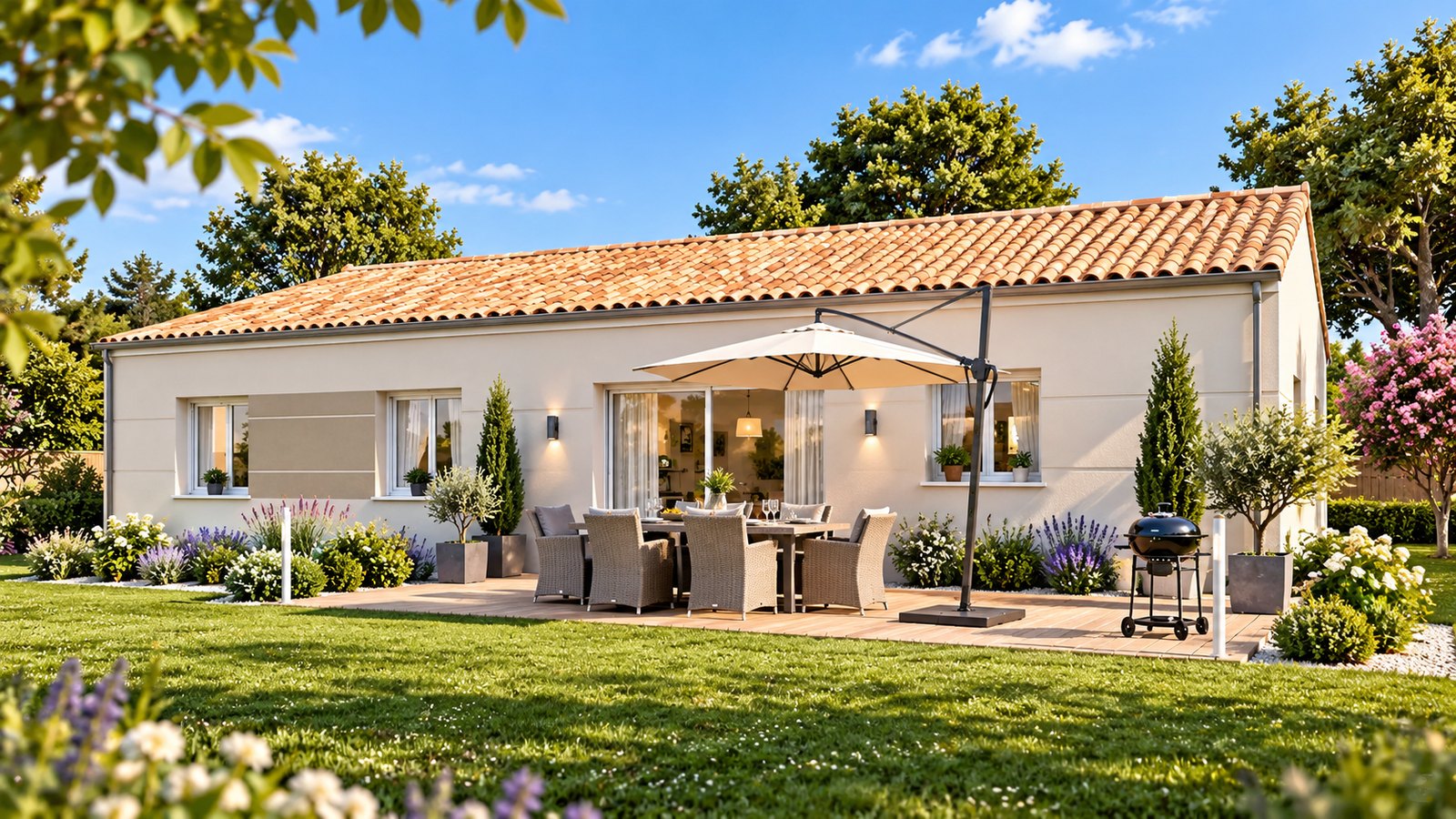
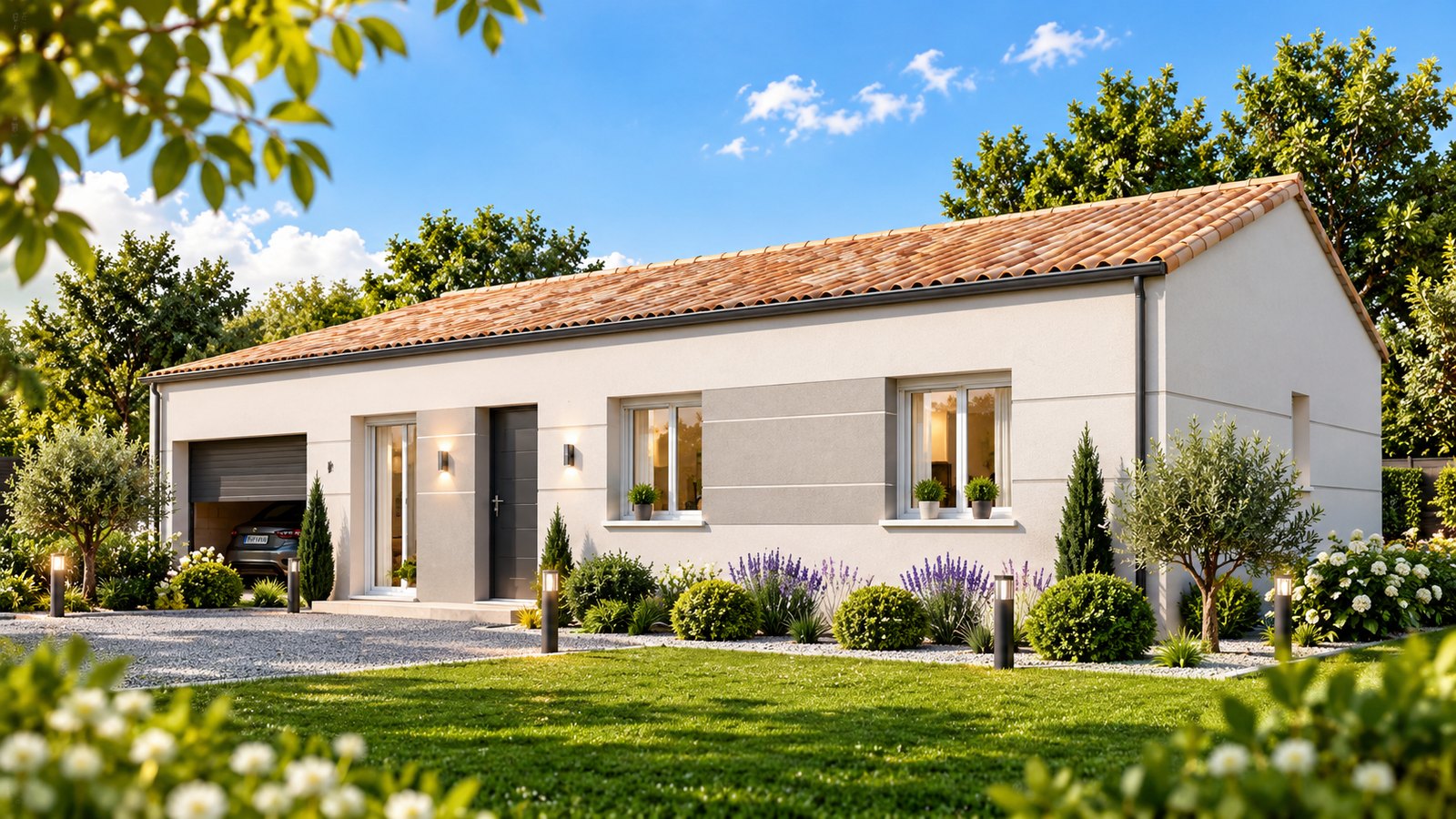
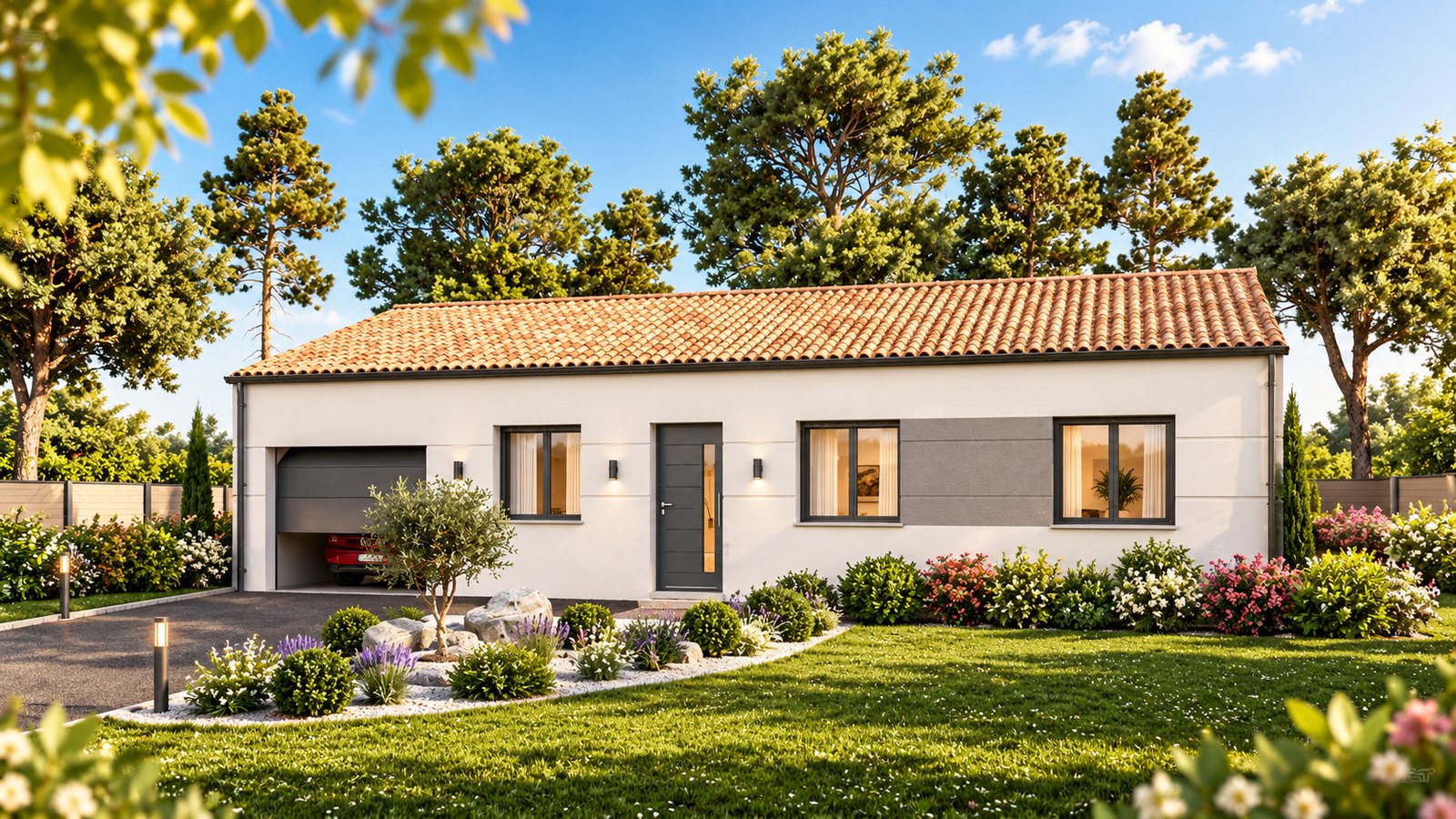
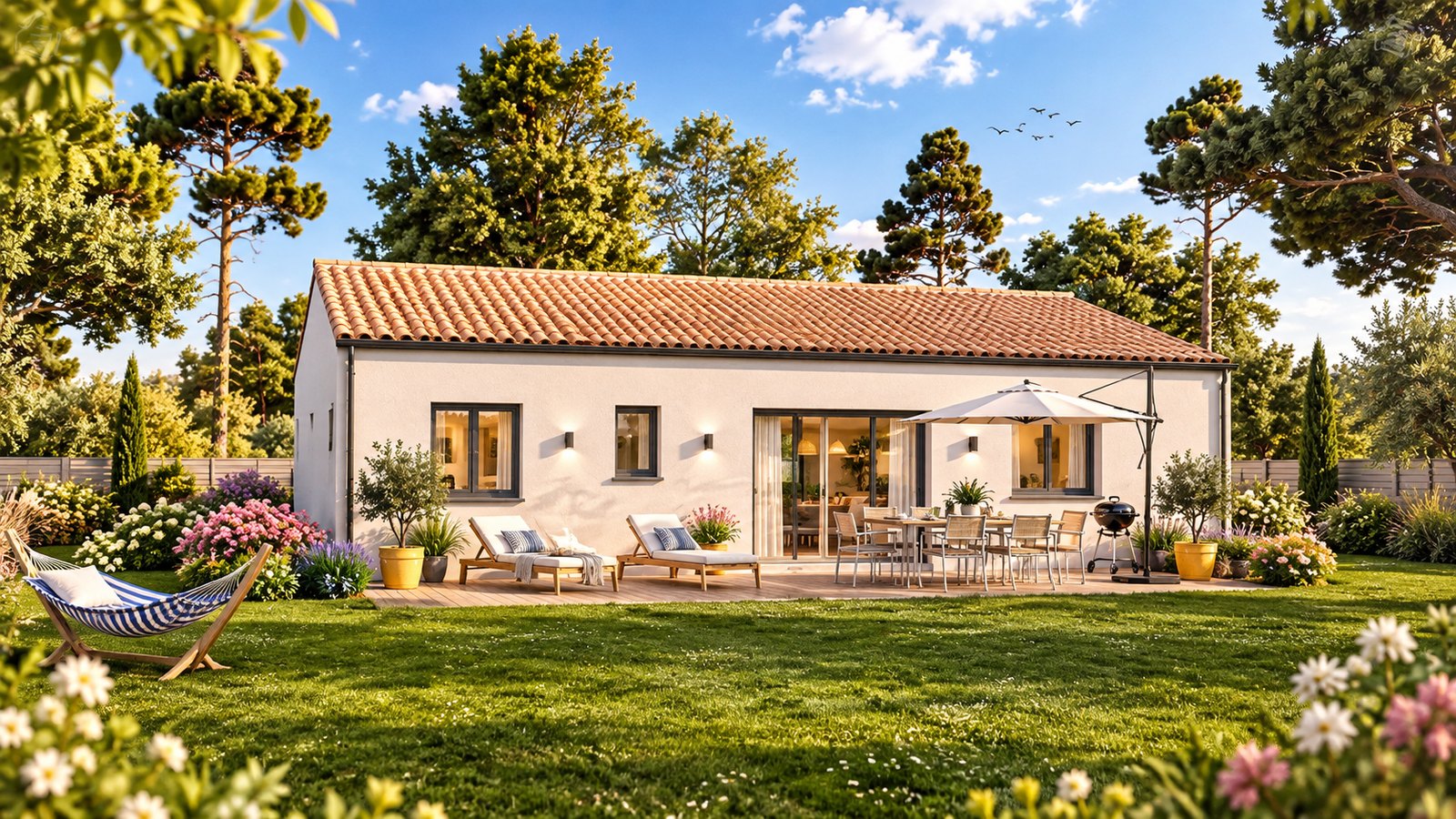
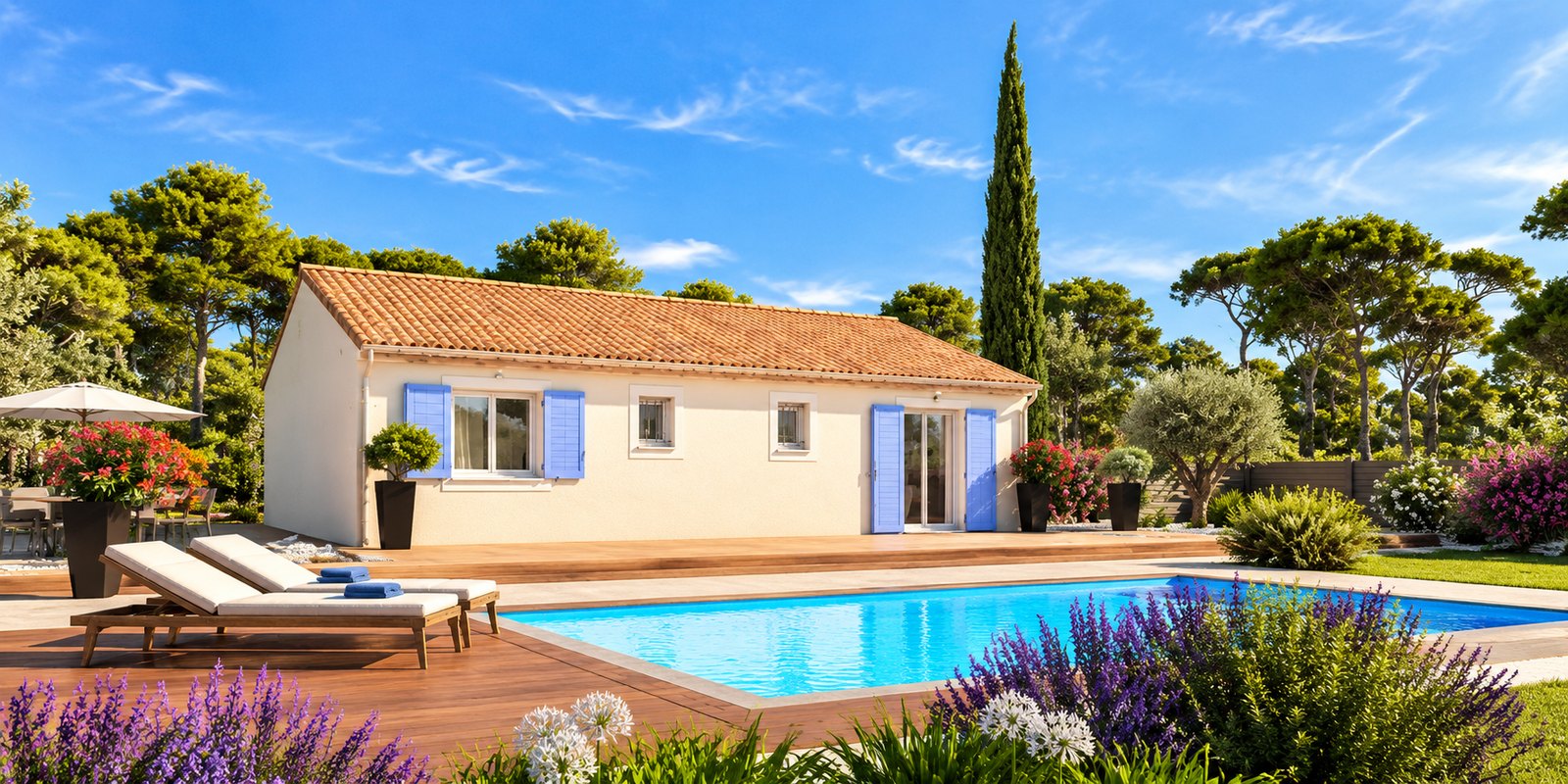
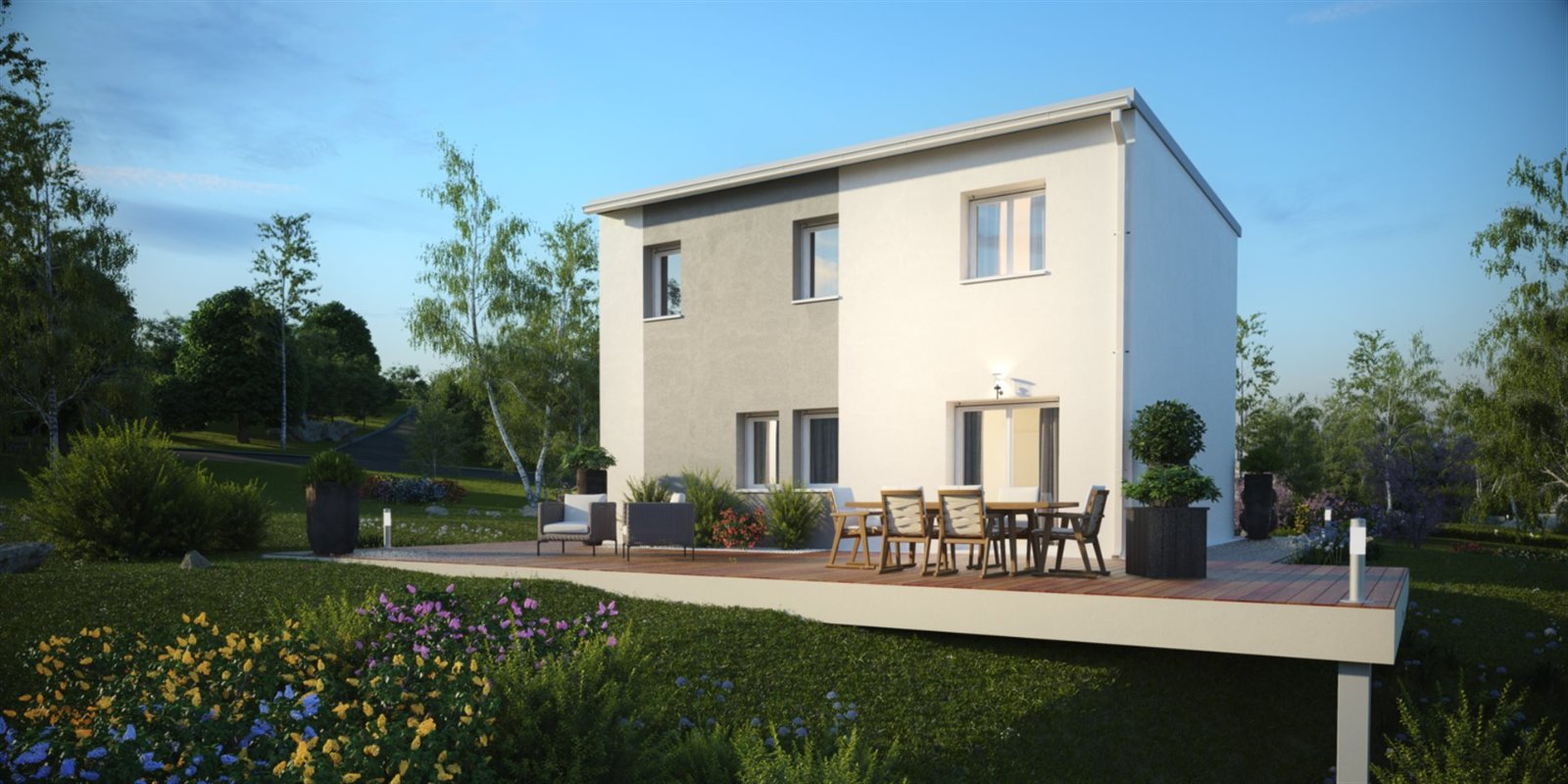
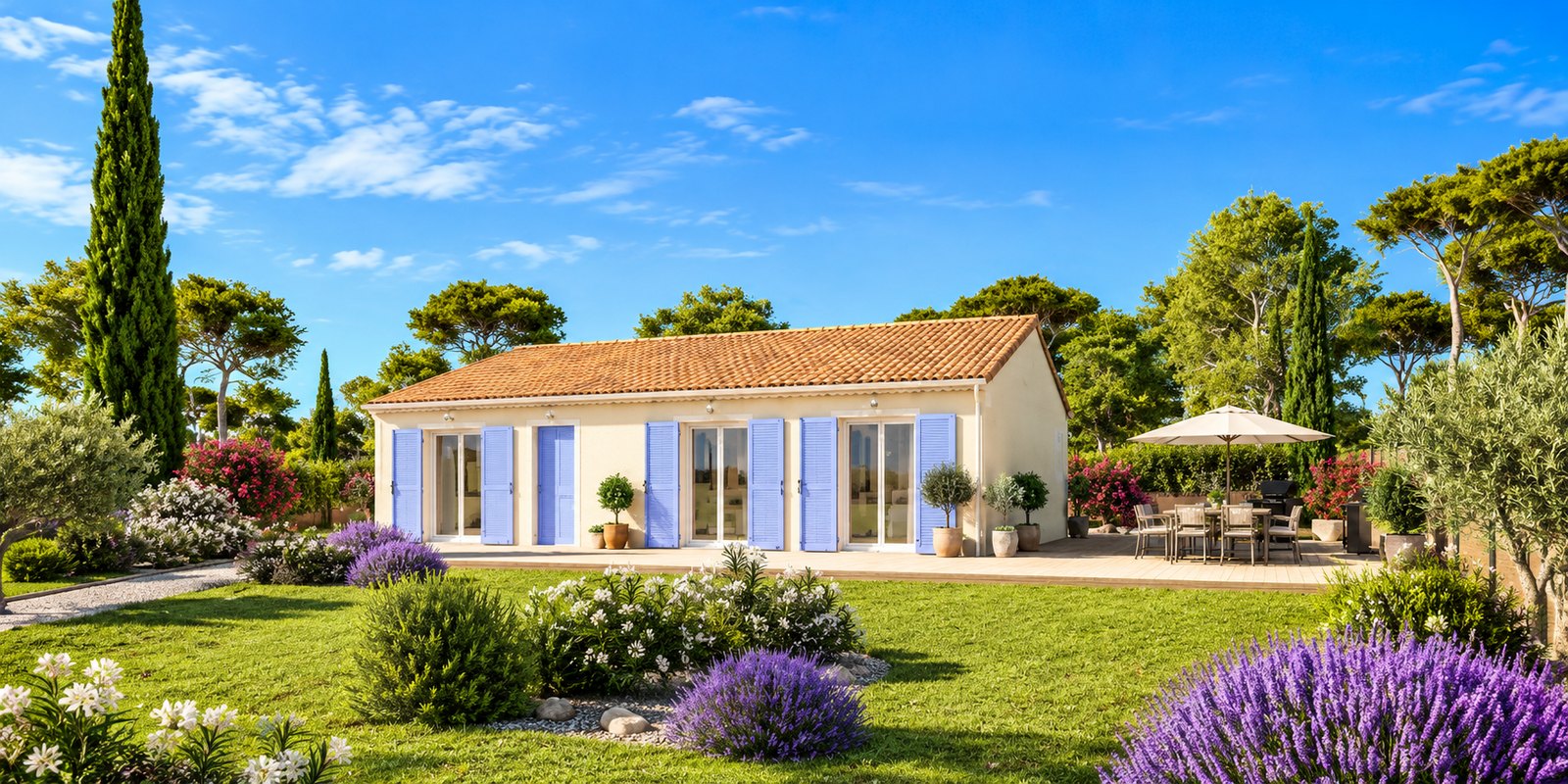
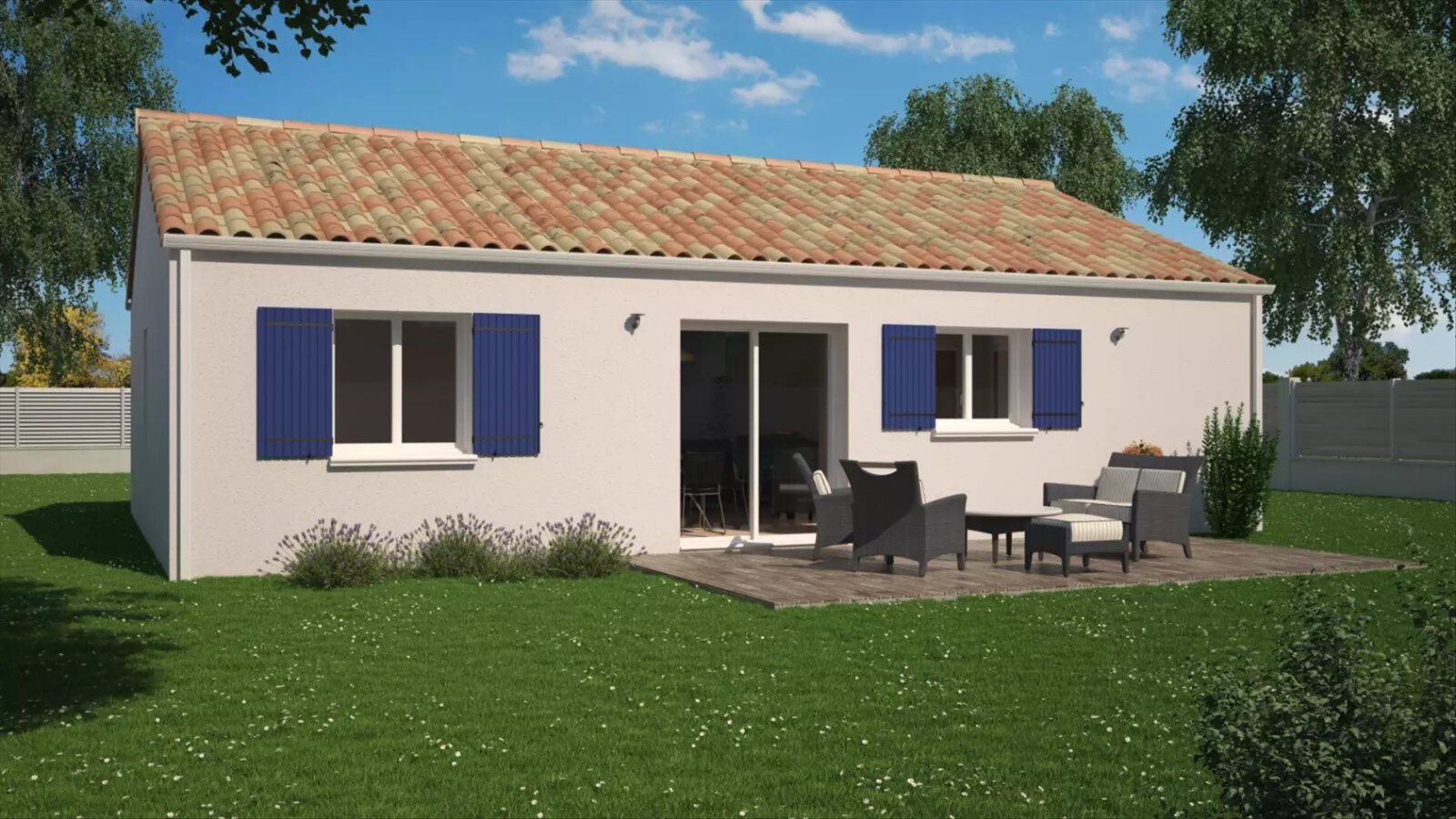
A brand new three-bedroom bungalow inland starts at around €189,000 all in. On the coast it is a different market entirely, because the land is. Our inland plots are typically twenty-five to forty minutes from a beach, which for most people turns out to be the right compromise.
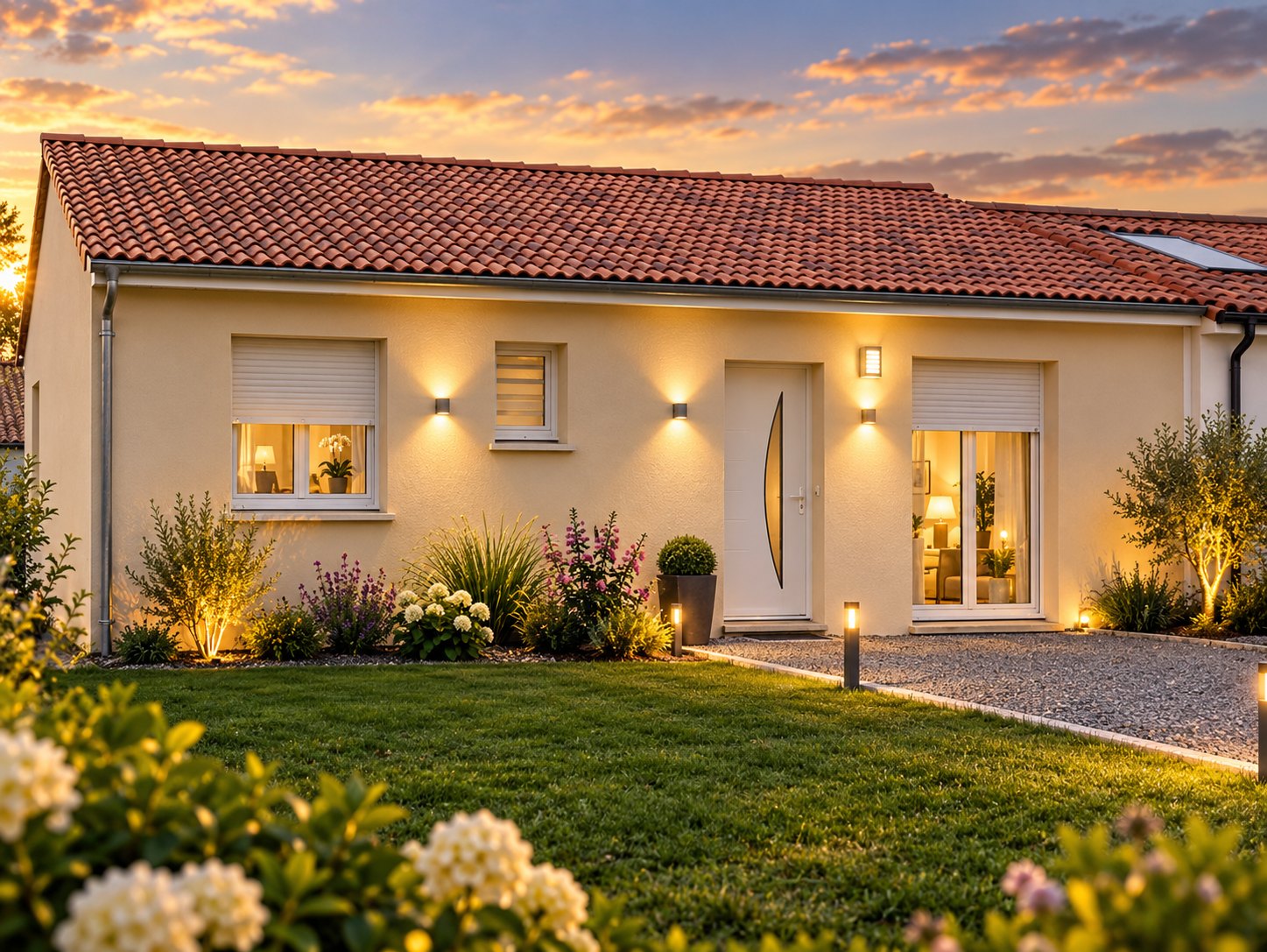
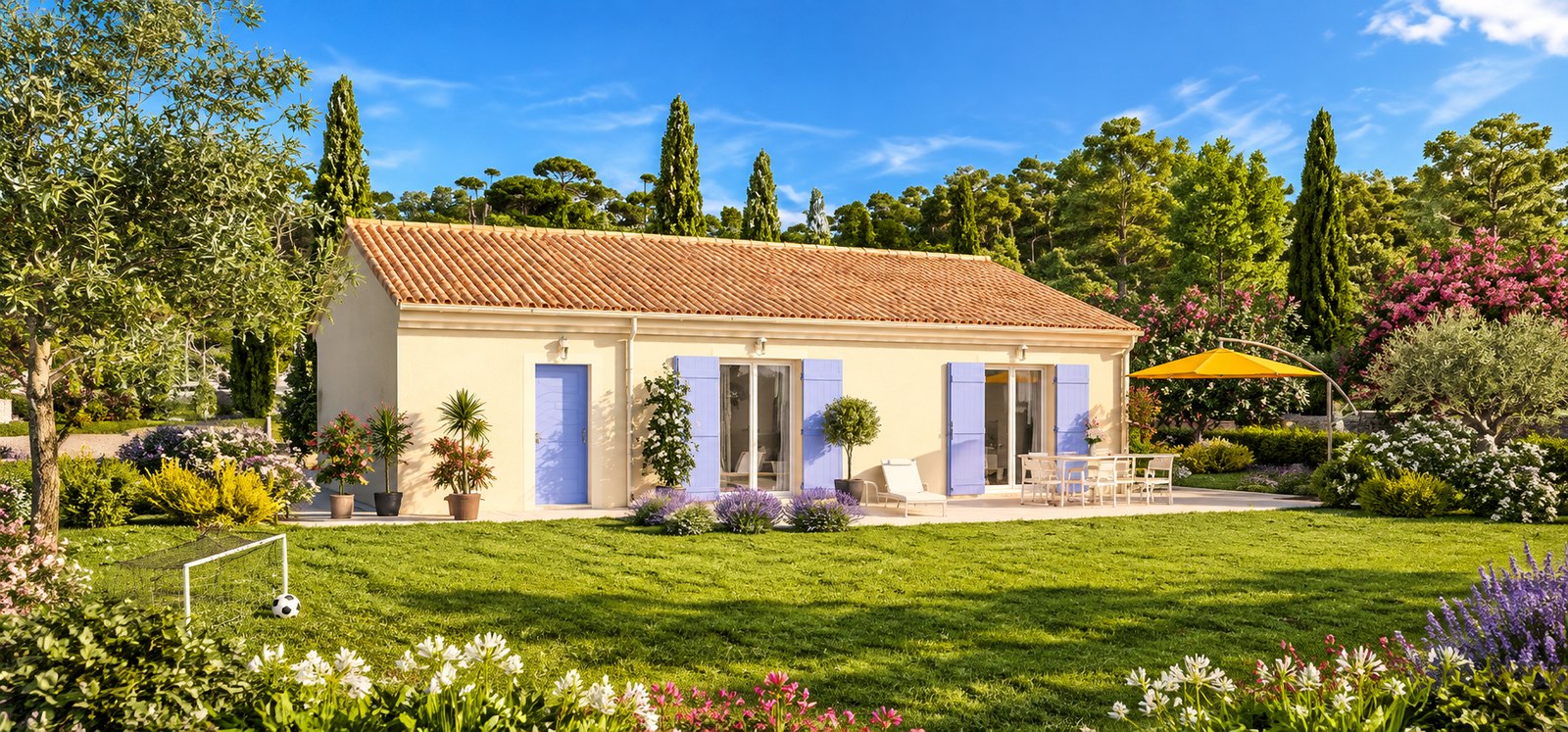
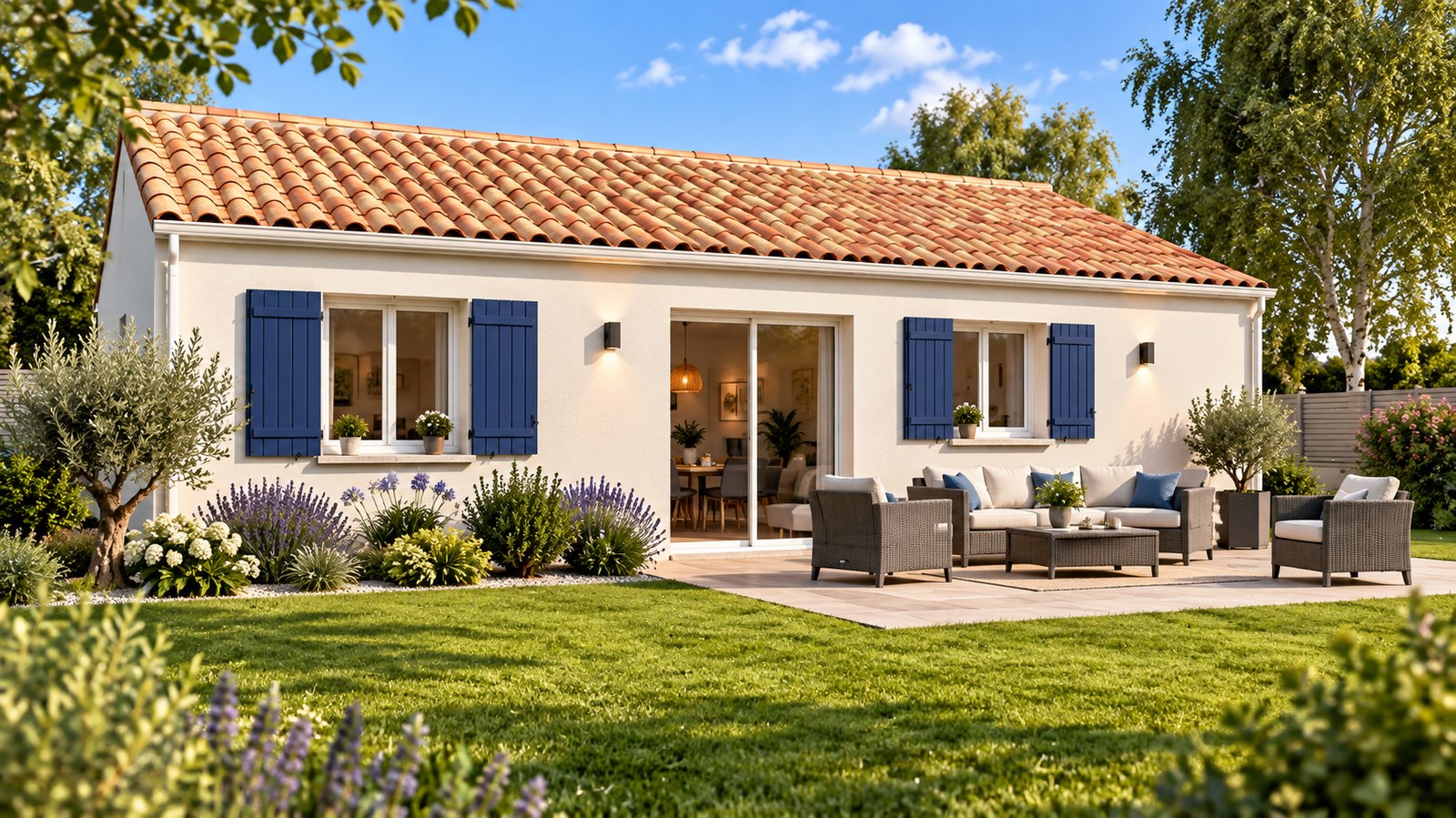
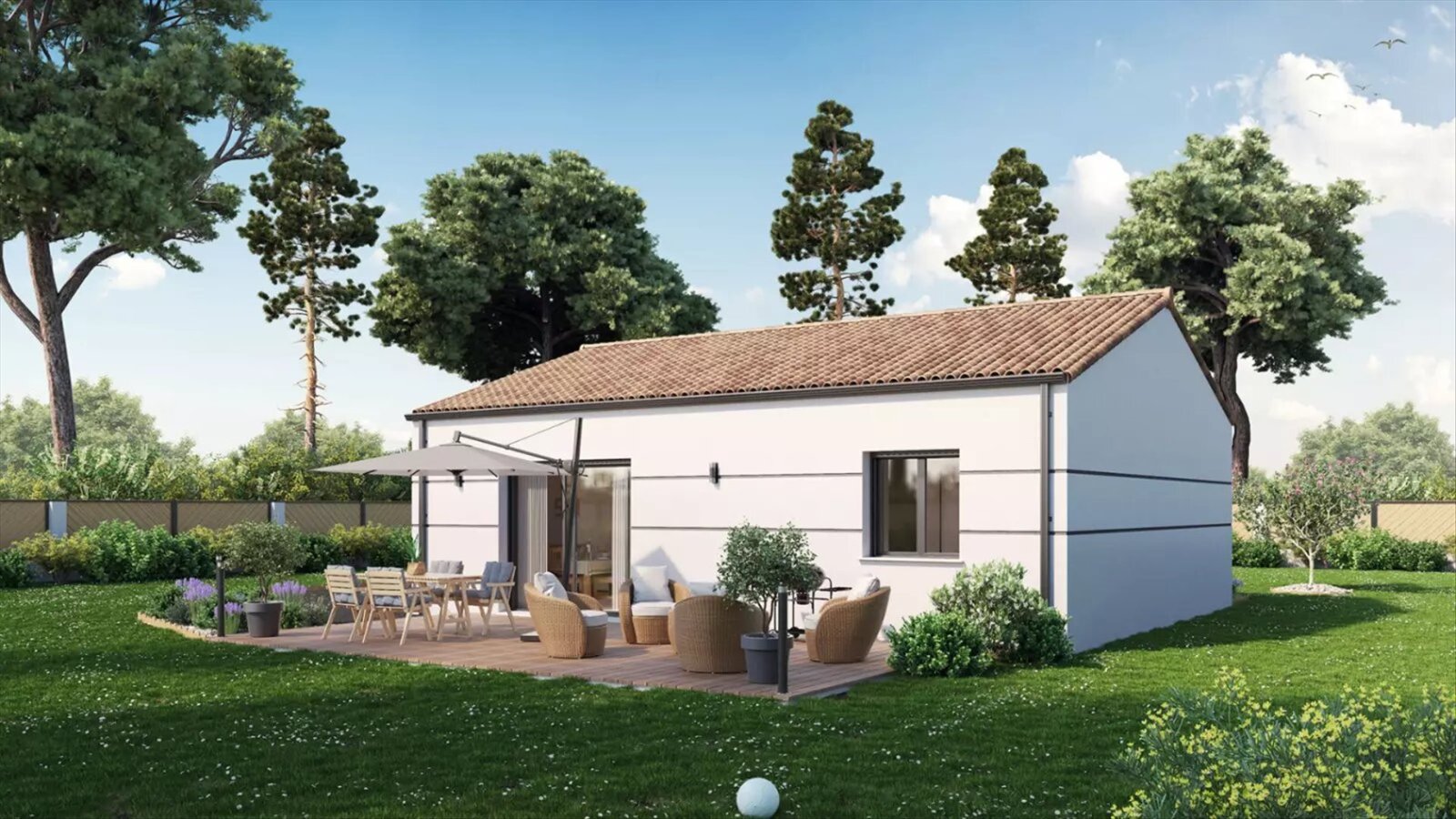
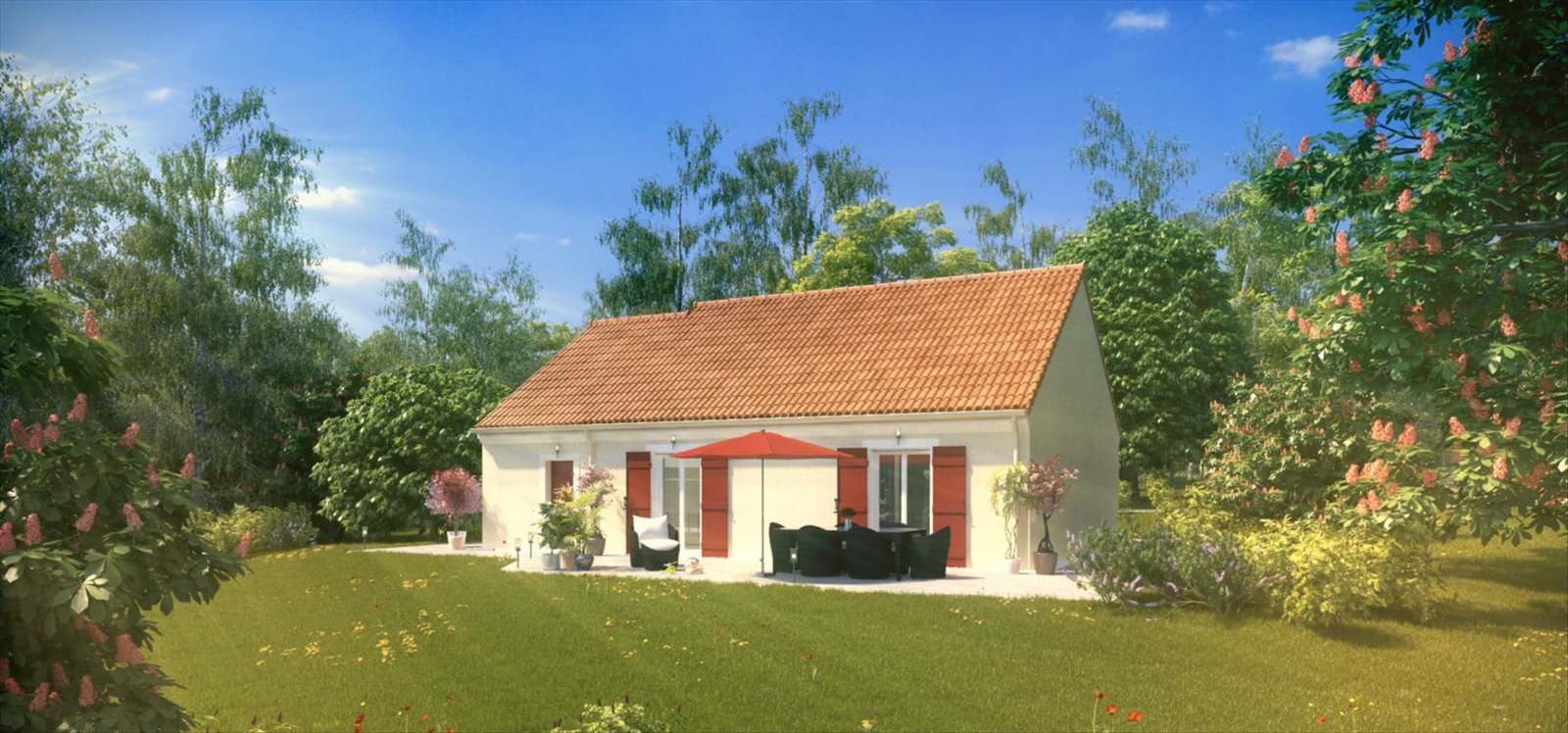
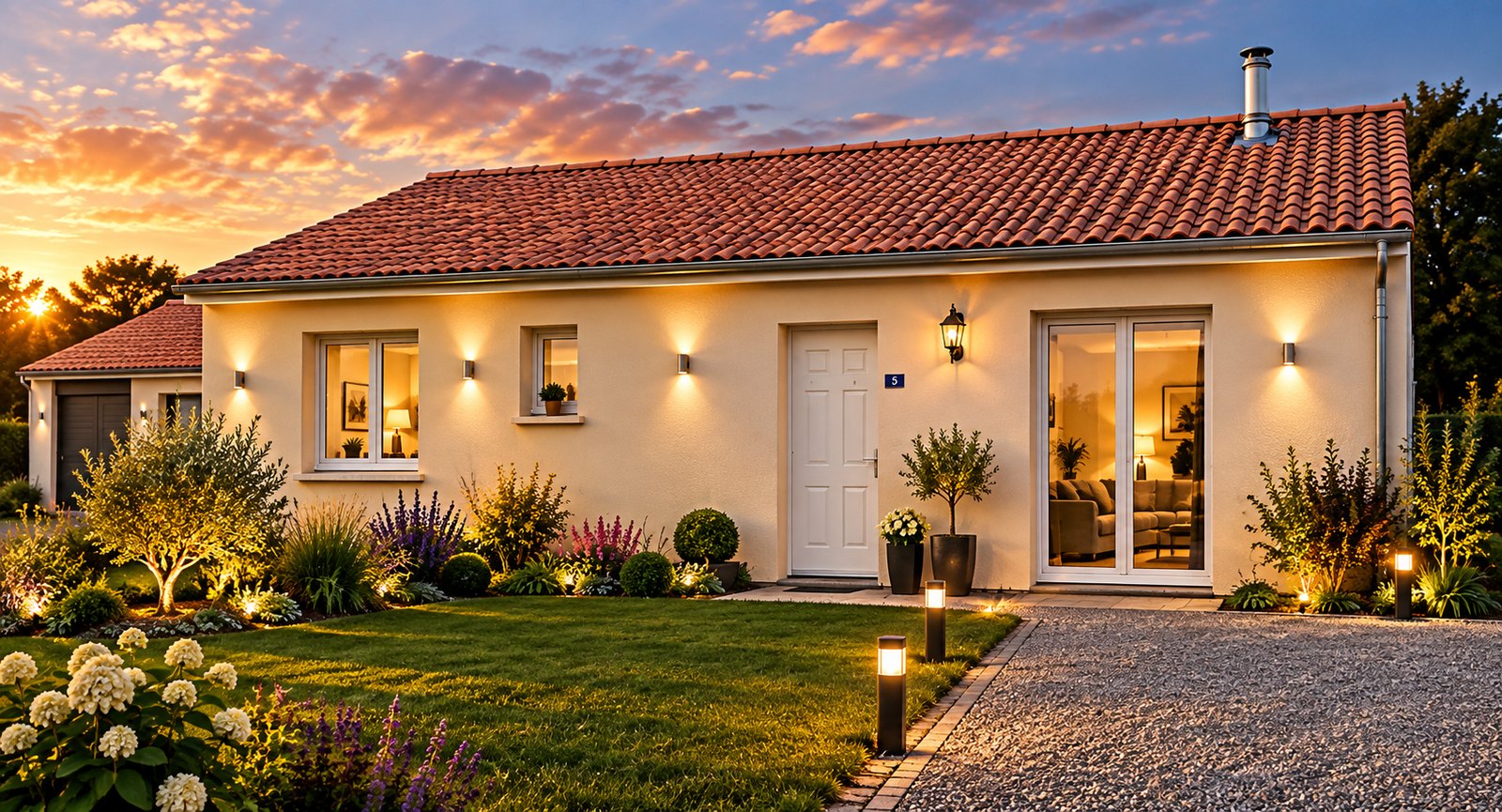
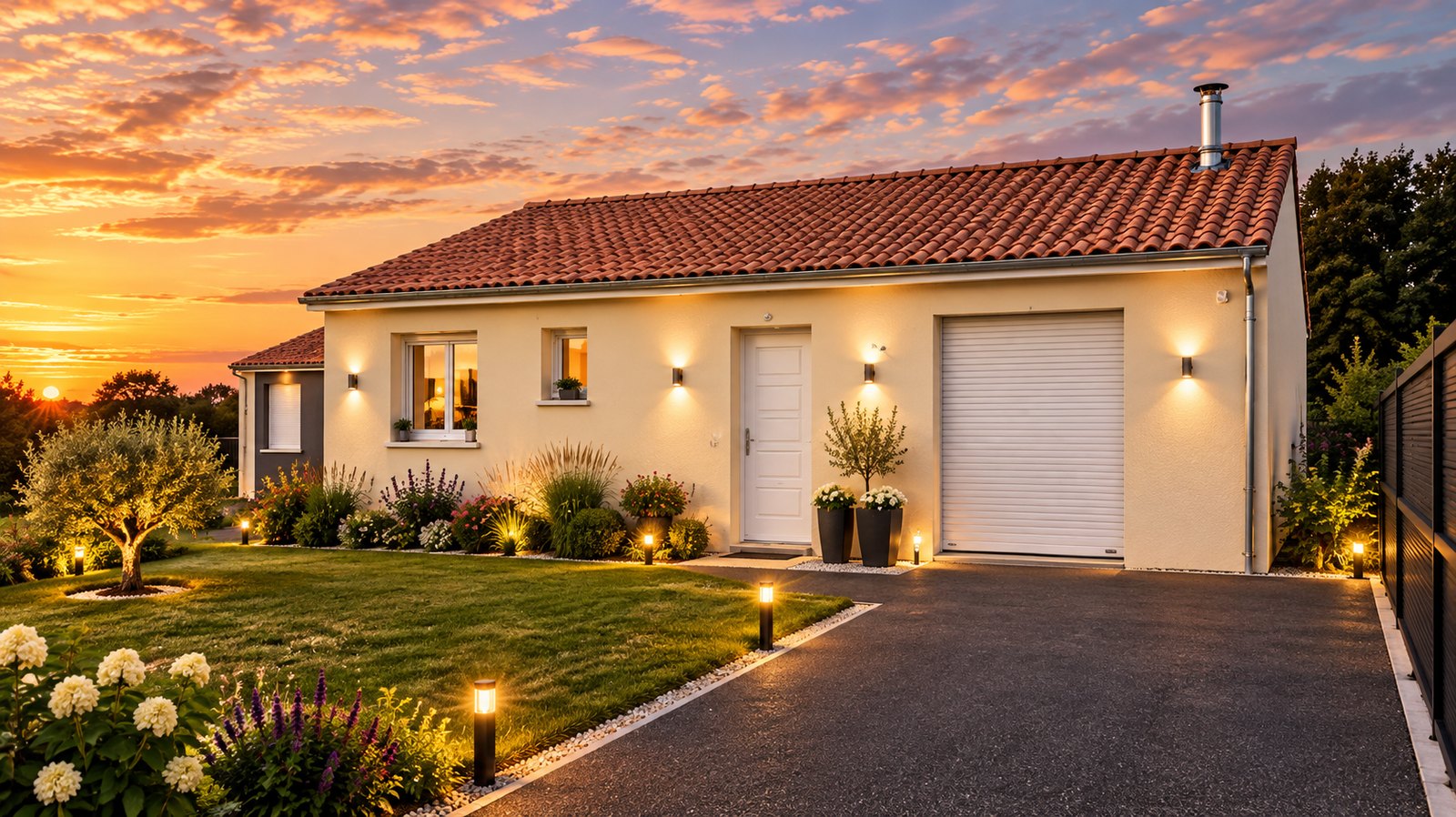
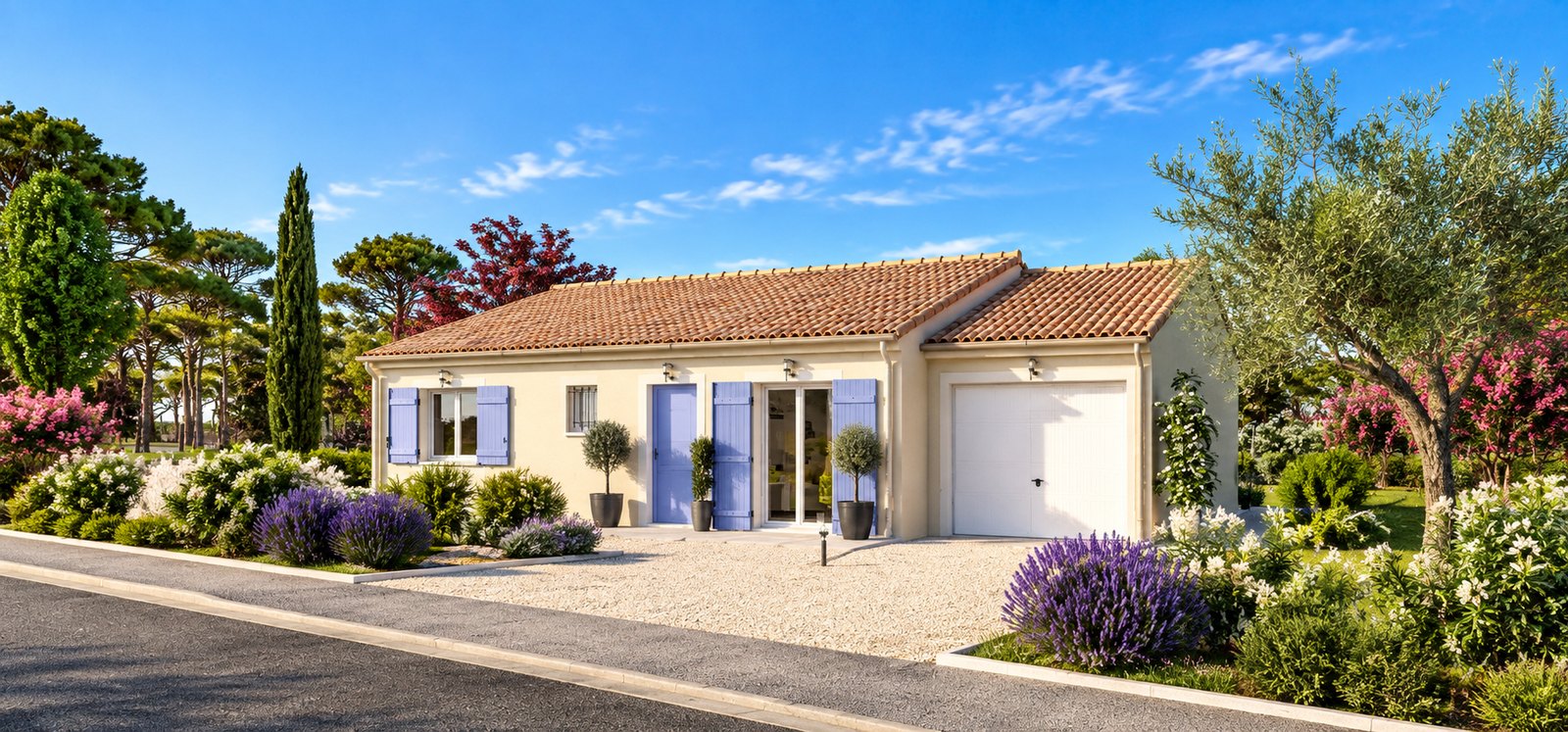
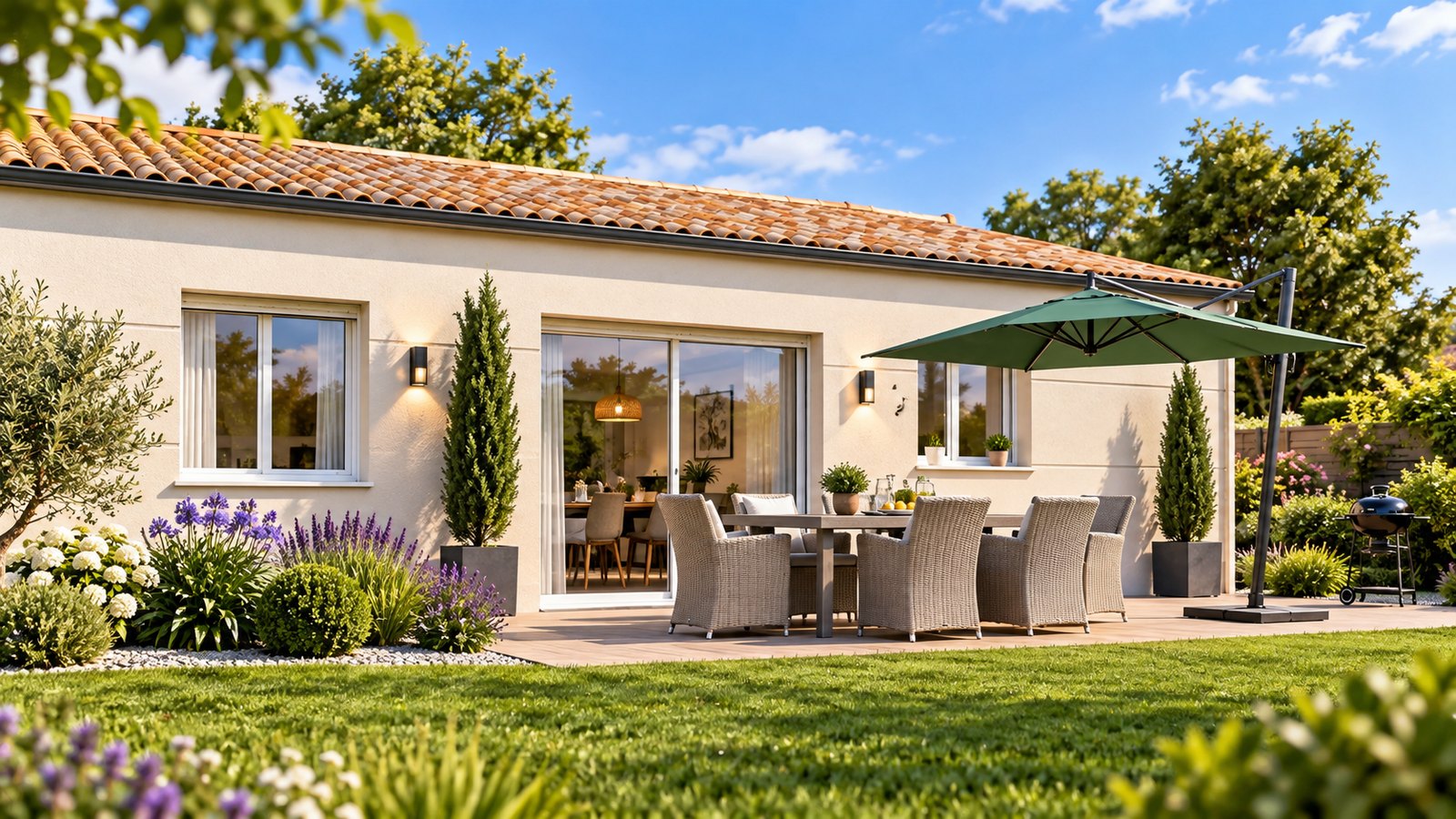
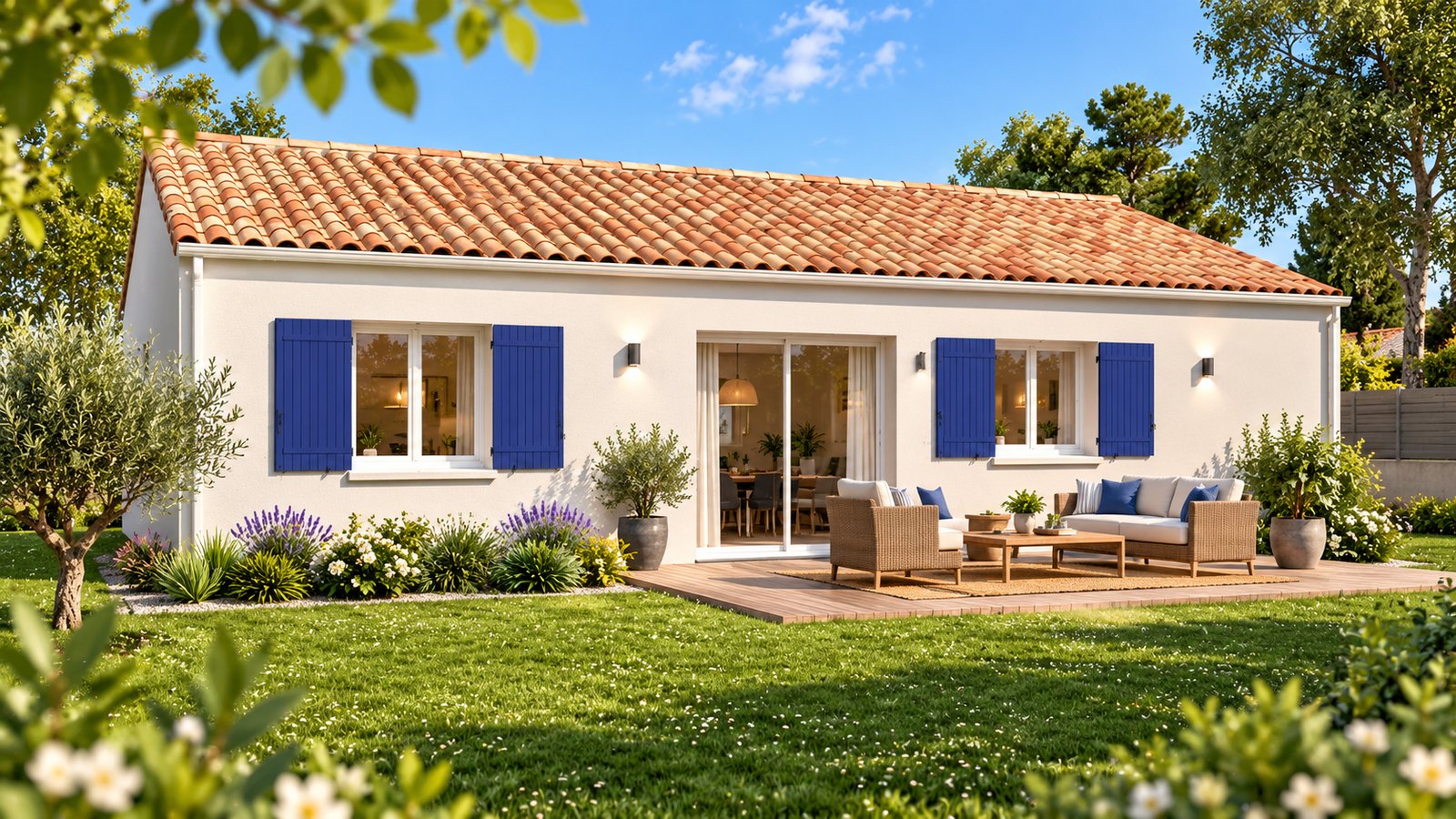
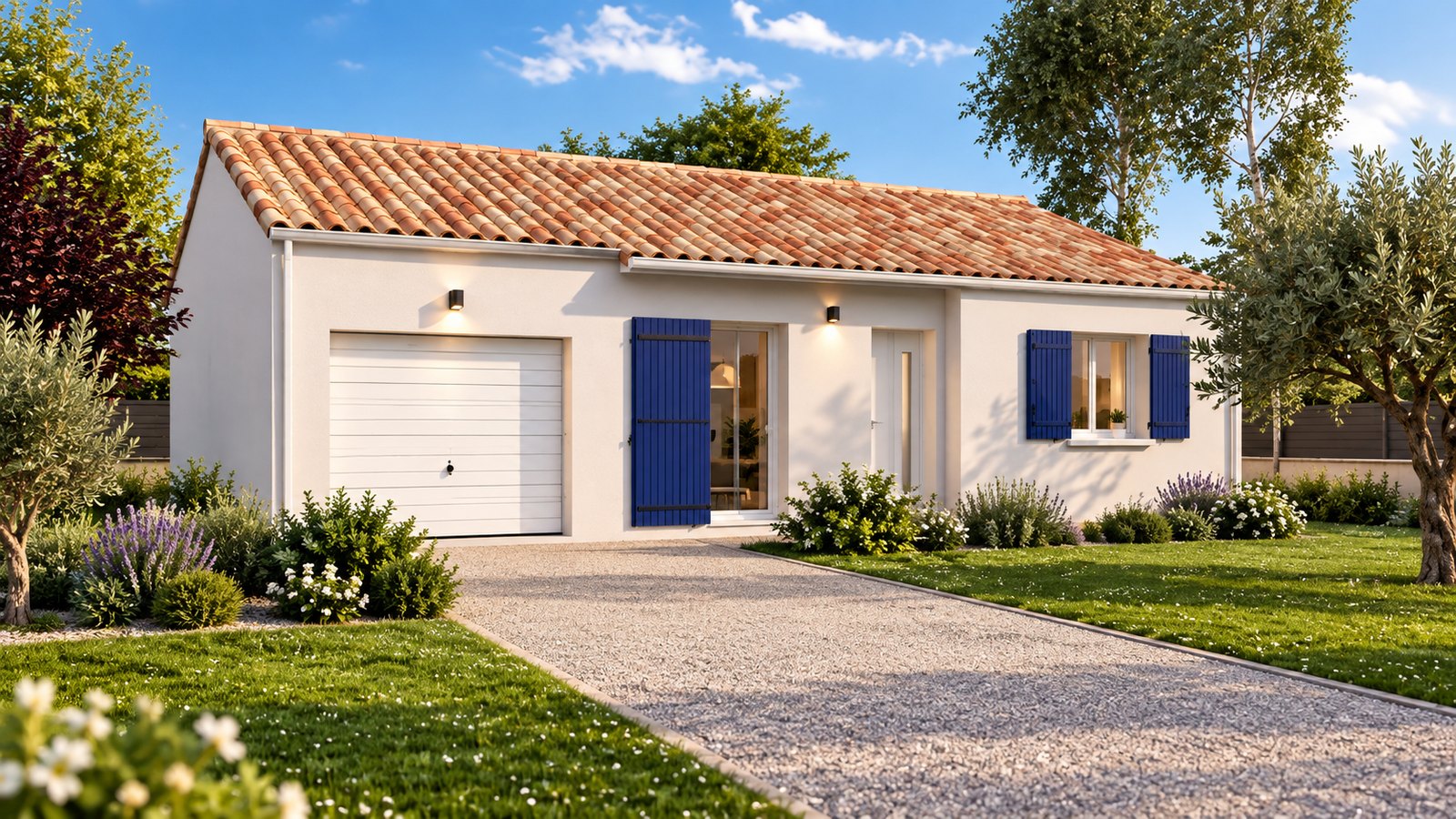
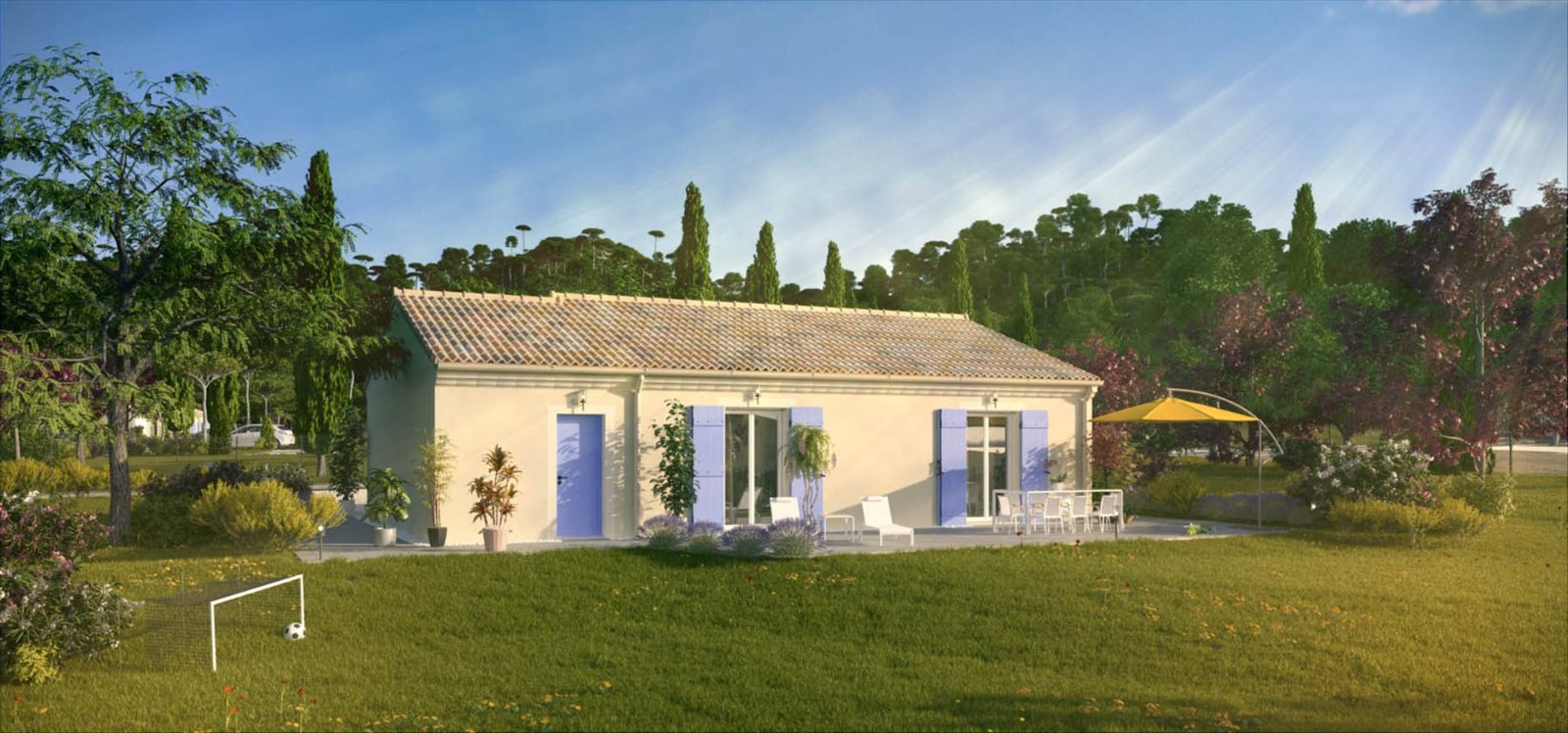
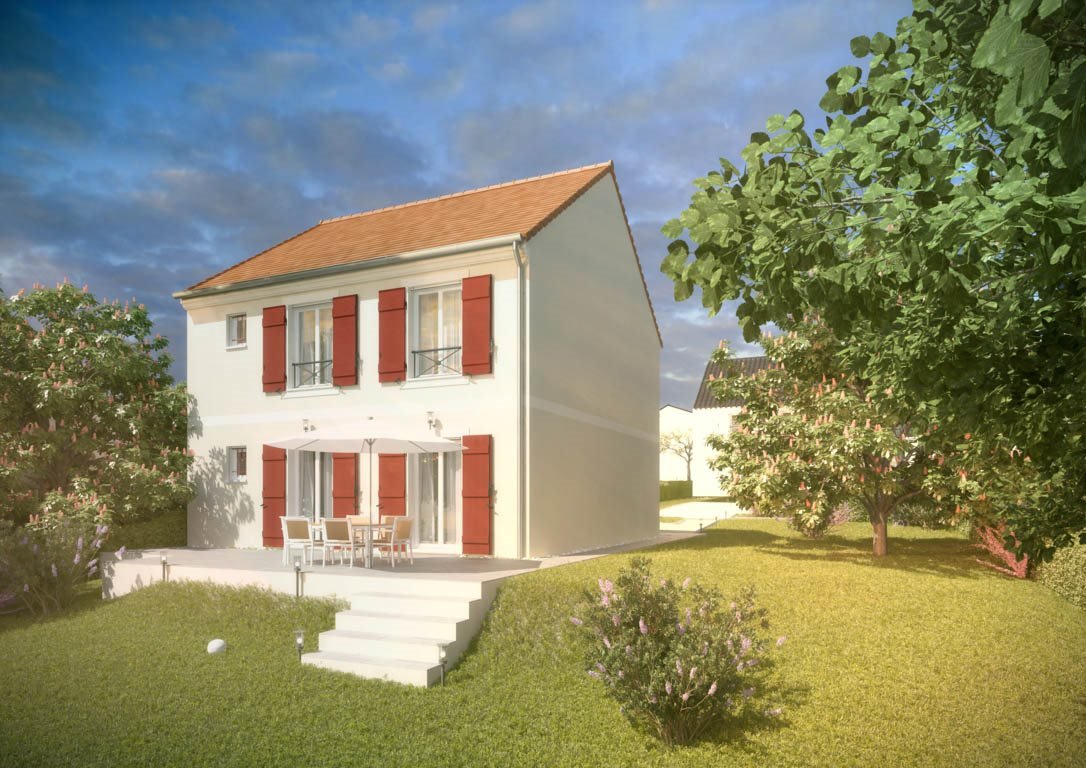
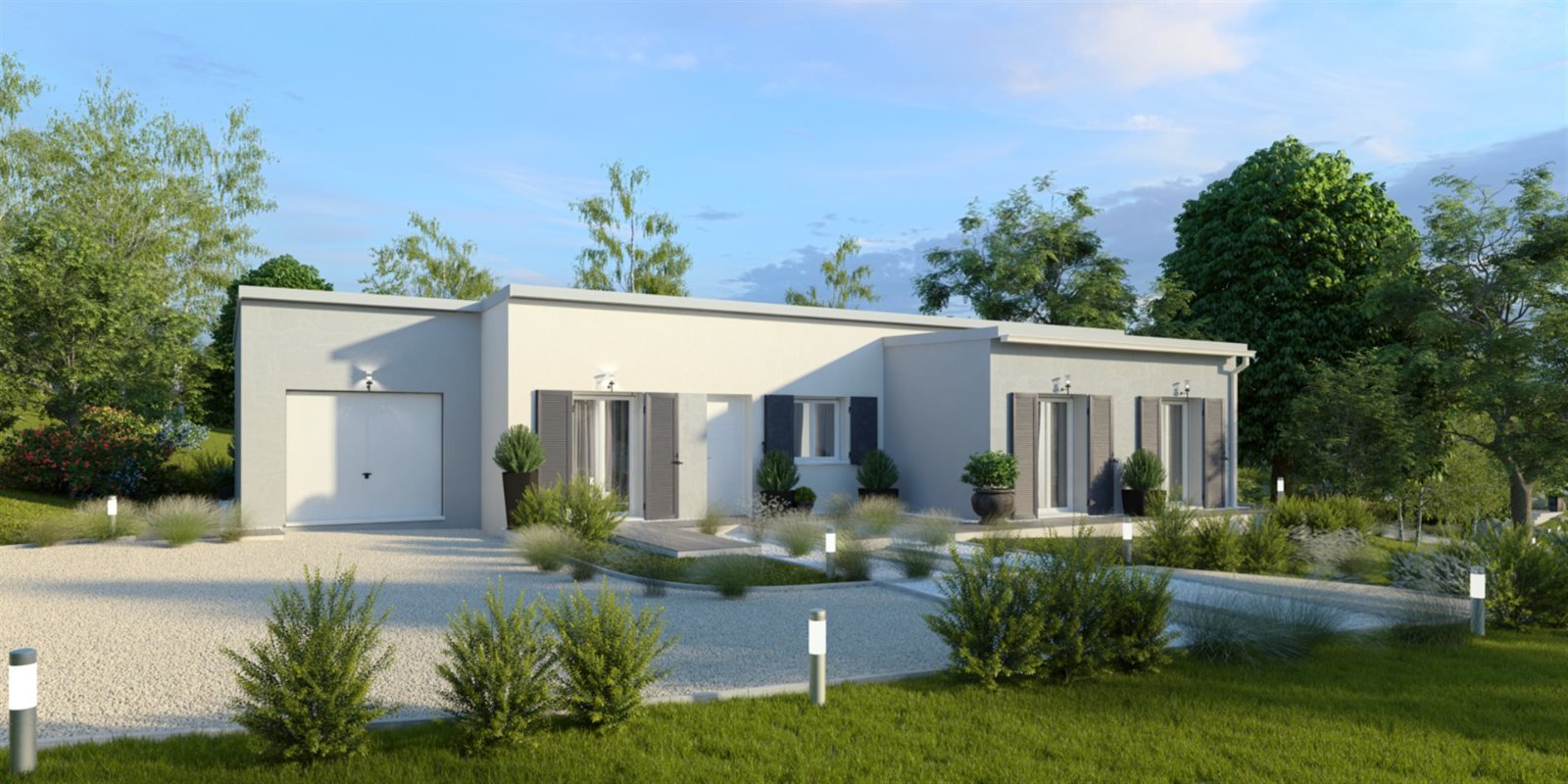
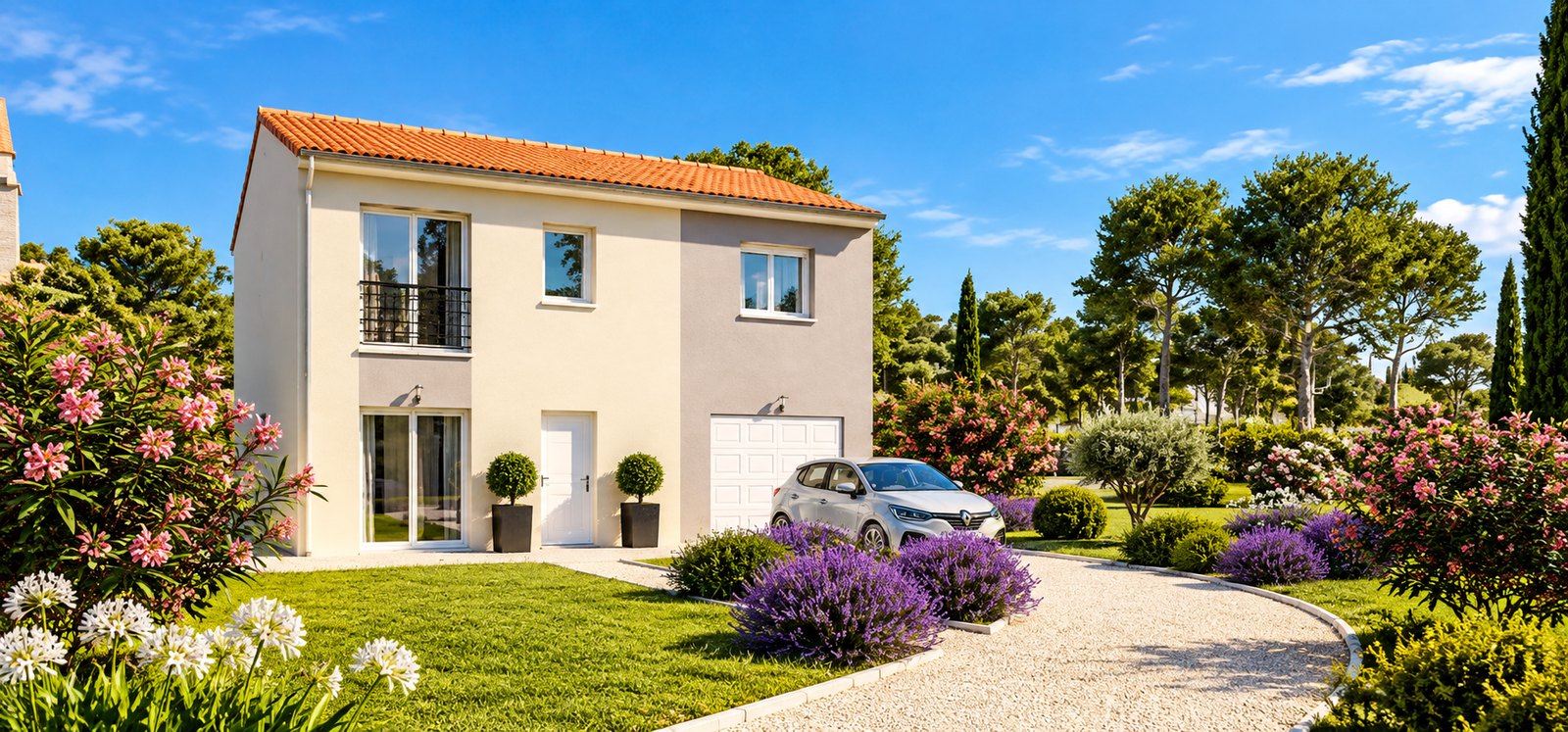
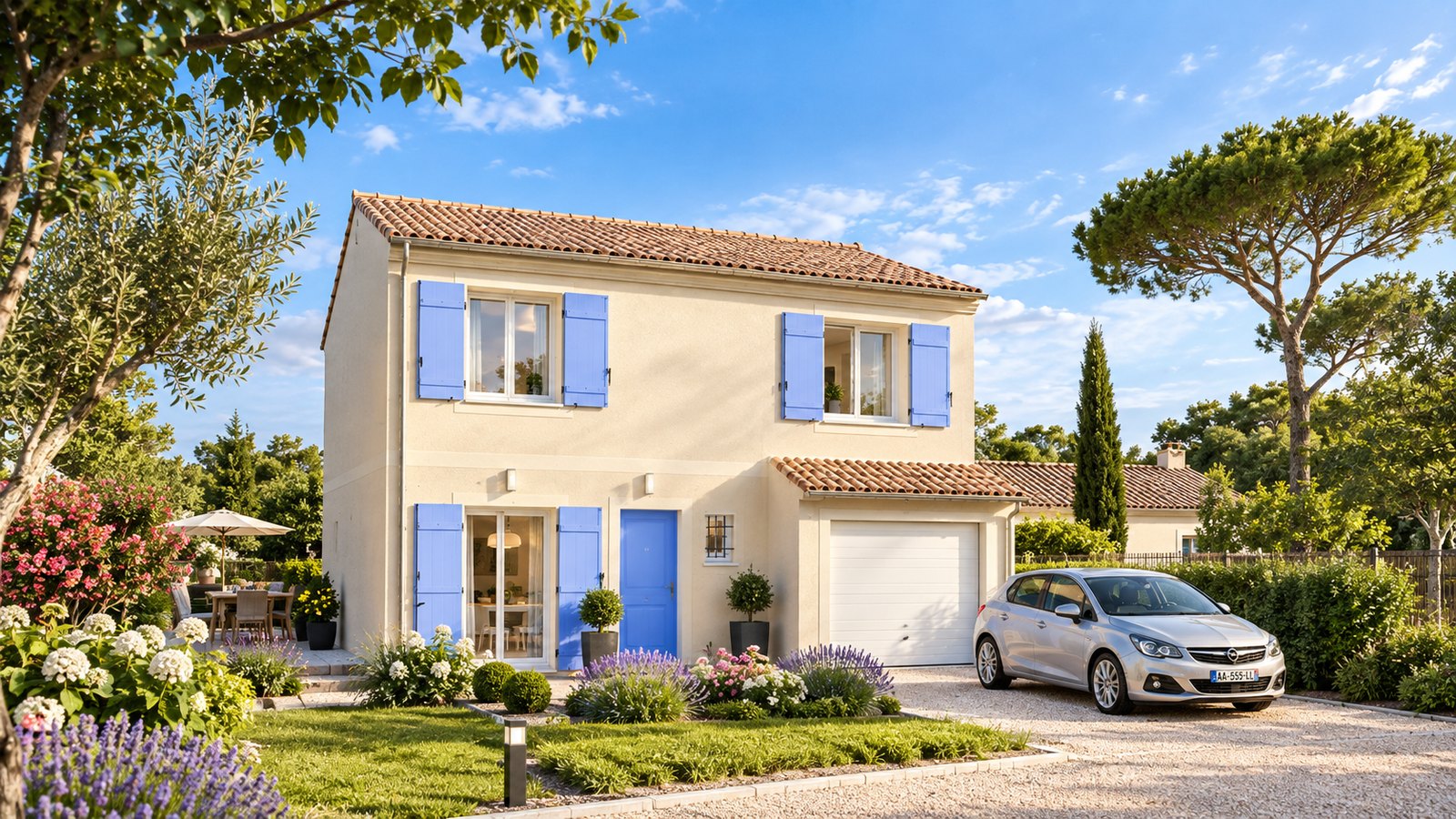
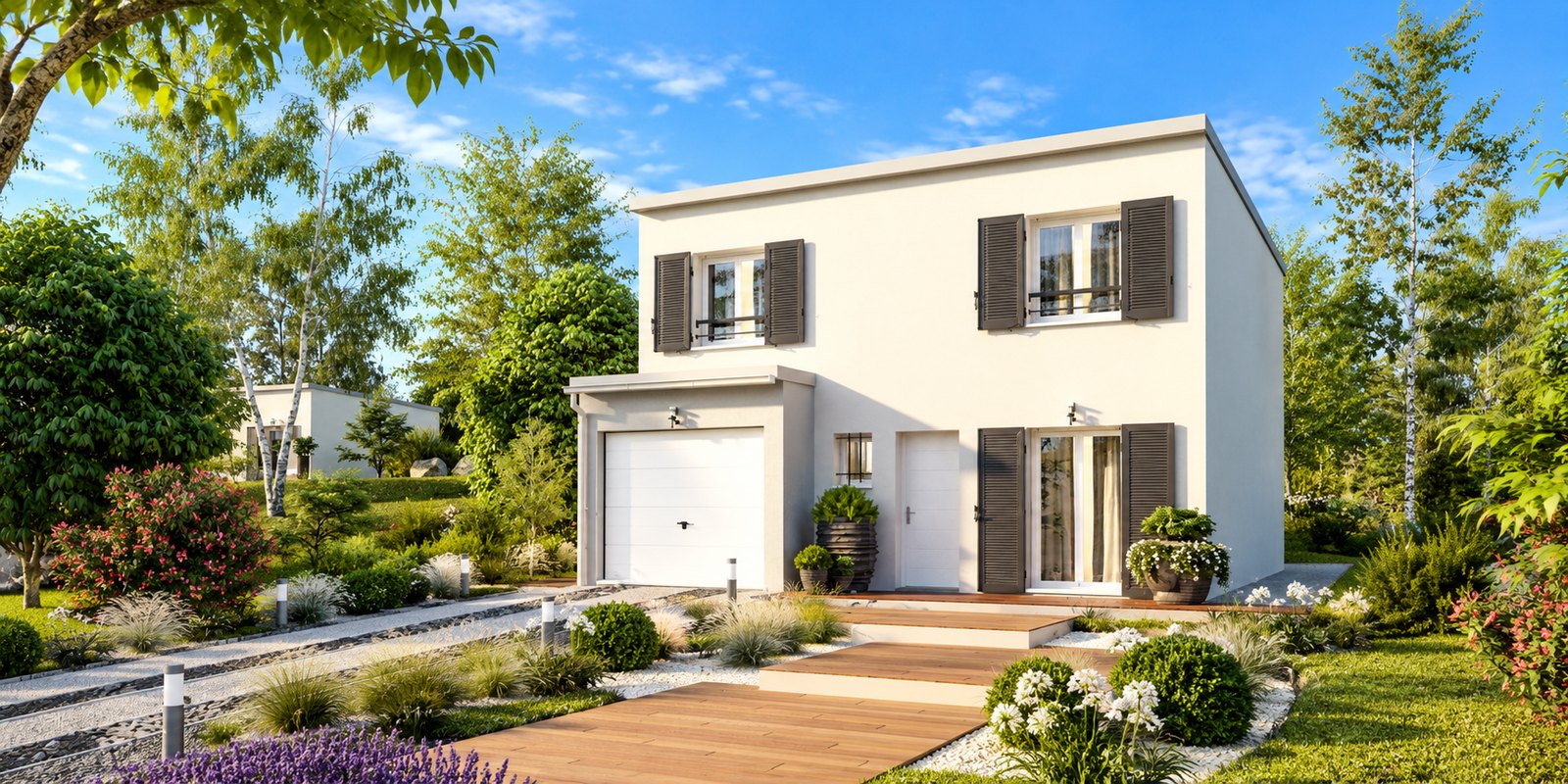
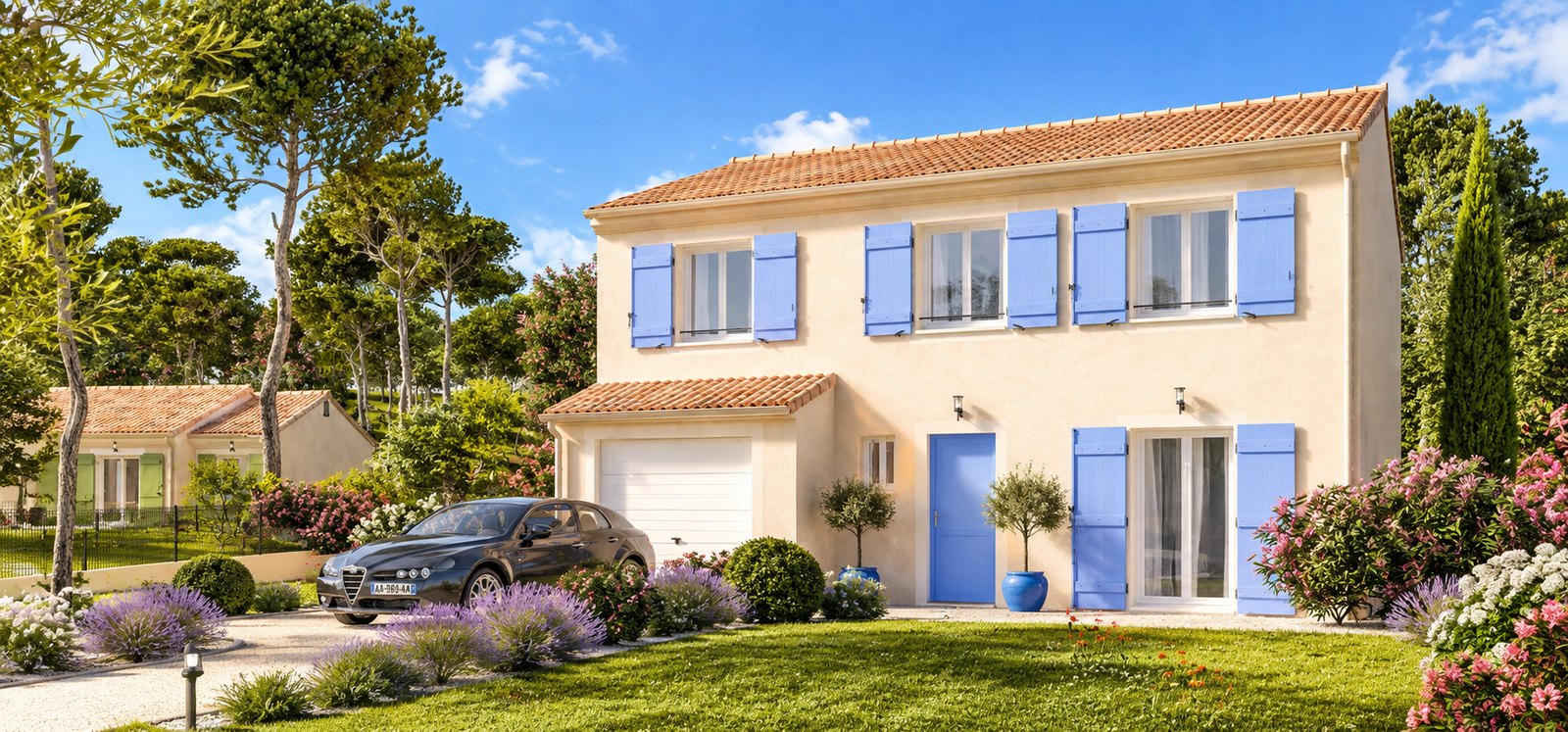
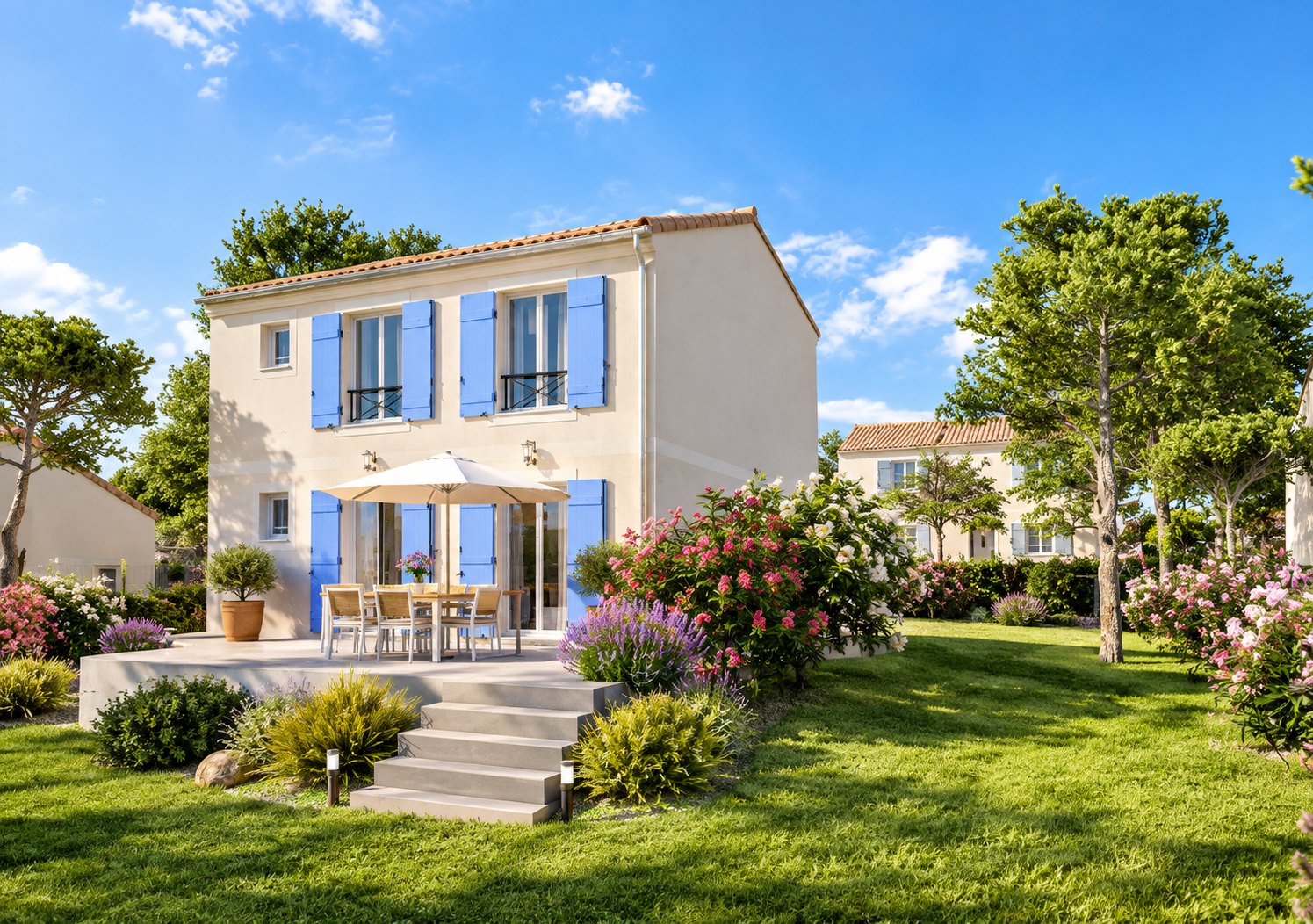
Every home below is built to the same standard, on a fixed-price CCMI contract with ten-year structural cover and a DPE A energy rating. See exactly what is included.